

YAKE Agriculture
Greenhouse Dehumidification Equipment for Controlled Agriculture
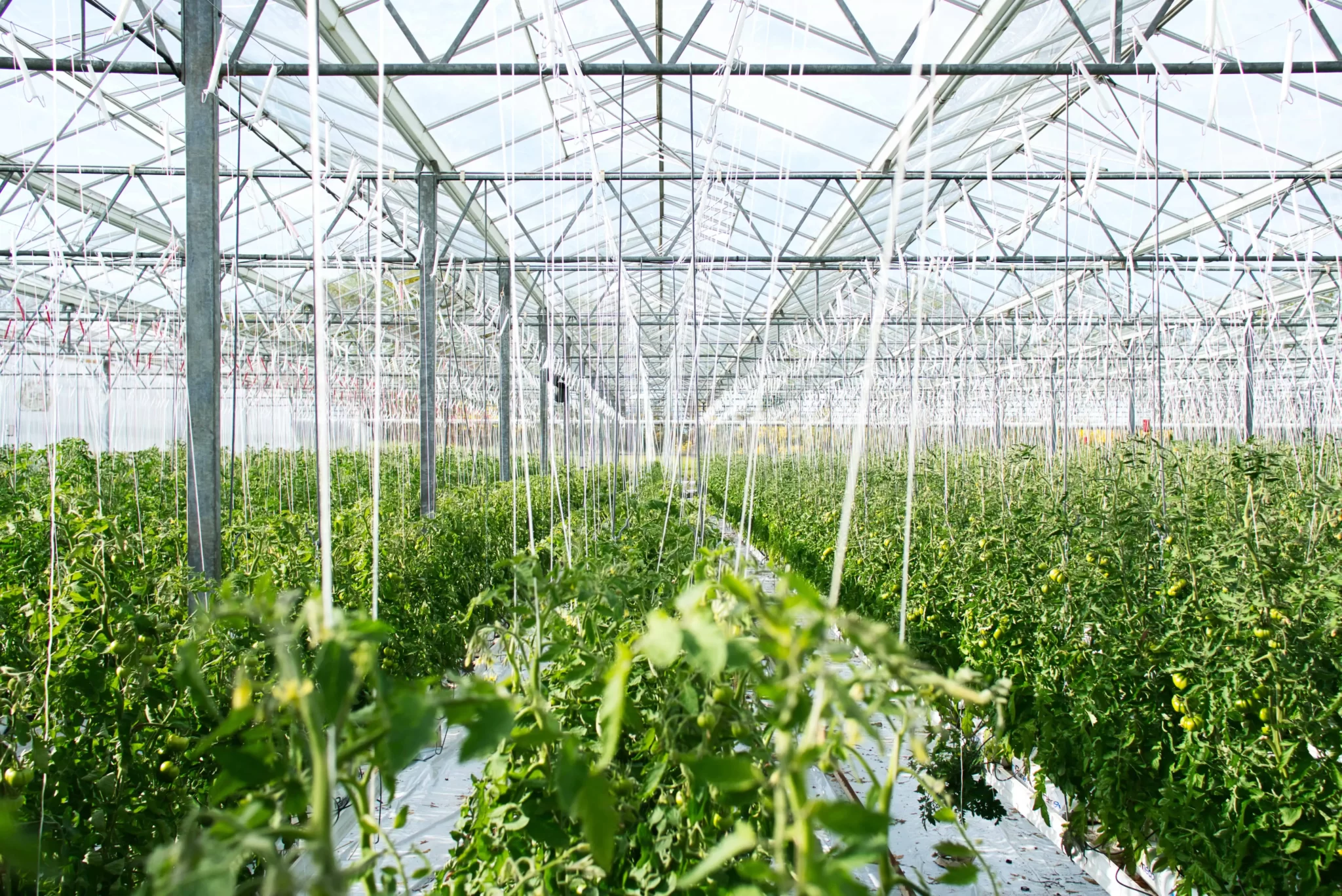
YAKE develops and manufactures humidity-control equipment for greenhouses, indoor farms, mushroom facilities, and post-harvest rooms.
Start with the crop, facility, climate, moisture sources, and difficult control hours.
Crop climate changes across the operating cycle. Transpiration, irrigation, climate equipment, and the envelope determine when and where moisture accumulates.
CROP AND CLIMATE REQUIREMENTS
Set the humidity target around the crop and growth stage
Read relative humidity together with temperature, crop stage, light, airflow, and wetness duration. The same RH can be manageable during a warm, ventilated day and create condensation after sunset when surfaces cool.
Published agronomy guidance is a useful starting reference. The grower or agronomy team sets the crop target; YAKE uses the agreed range and actual facility data to size and configure the humidity-control equipment.
Crop-specific day and night targets
Tomato greenhouse
Confirm the tomato cultivar, temperature conditions and day/night humidity targets with the grower or agronomy team. Check the cold surfaces and condensation conditions that may develop at night.
Use the agreed crop and operating conditions for equipment evaluation.Humidity, temperature and tissue wetness
Strawberry production
Interpret strawberry humidity together with leaf and flower wetness, temperature and crop disease observations. These inputs help the agronomy team assess the relevant crop and pathogen context.
A room RH reading alone does not establish a disease diagnosis or a prevention threshold.Species, strain and production stage
Mushroom fruiting
Confirm humidity and fresh-air requirements for the mushroom species, strain and stage. Coordinate humidification, excess-moisture removal, airflow and surface wetness around those requirements.
Review incubation, pinning, fruiting and harvest separately. How RH, VPD, and leaf temperature affect crops→Use VPD charts without universal setpoints→Temperature and humidity in strawberry production→High RH, fresh air, and mushroom-room wetness→When tomato rooms need desiccant drying→Separate growth-stage climate targets→Browse the agriculture article library→
WHY HUMIDITY CHANGES
Moisture problems usually appear when the operating mode changes
Solar gain, lighting, transpiration, cooling, and open vents shape the daytime balance. After sunset or lights-off, temperature may fall while crops, wet media, floors, and irrigation lines release vapour. Cooler air holds less moisture, so RH rises.
Condensation starts where a surface reaches the dew point. Glazing, frames, pipes, ducts, panels, coils, and perimeter zones can become wet before a central sensor shows the risk. Follow time, location, and operating mode.
Crop and irrigation load
Transpiration and evaporation vary with leaf area, radiation, substrate, irrigation timing, crop density, and growth stage. Record when irrigation occurs and how long humidity remains elevated afterwards.
Ventilation and infiltration
Ventilation can remove moisture when outside air is suitable, but its capacity changes with weather. Uncontrolled leakage may also introduce humid air or create colder local surfaces.
Heating and cooling
Heating lowers RH without physically removing water unless moist air is exhausted. Cooling can remove water at the coil, but short cycles, coil temperature, and reheat strategy affect the result.
Night and transition periods
Vent closure, temperature setback, lights-off, fogging shutdown, and morning warm-up are common moments for a rapid rise in RH or a move across the dew point.
WHAT TO MEASURE ON SITE
Locate the symptom before deciding which equipment should respond
A high RH reading does not explain the cause. Record where moisture appears, how long it remains, and which event precedes it. A seven-day trend covering irrigation, vents, heating, cooling, and outside weather is more useful than one spot reading.
Measure near the canopy, return air, perimeter zones, cold surfaces, and representative rooms. Compare the readings with visible conditions so YAKE can evaluate the required capacity, airflow, and installation arrangement.
Condensation location
Record whether water appears on glazing, frames, leaves, pipes, ducts, panels, floors, stored products, or equipment. Local condensation often indicates a surface-temperature or airflow issue, not only insufficient nominal capacity.
Leaf-wetness duration
Track how long leaves, flowers, or fruit remain wet after irrigation, fogging, night cooling, or condensation. Long wetness periods can matter even if daily average RH appears acceptable.
Night temperature drop
Compare air temperature, RH, and known cold-surface temperatures from sunset through morning. Note when vents close, heating changes, screens move, or lights switch off.
Disease and spray frequency
Record when disease appears and how often treatment is needed. These records do not prove one cause, but they can reveal recurring periods that need closer temperature, humidity, and wetness monitoring.
Energy anomaly
Watch for unusual heating, cooling, fan, or ventilation runtime. Moisture may be controlled at an excessive energy cost, or equipment may be fighting another part of the climate strategy.
Calculate greenhouse moisture load before sizing→When ventilation removes moisture—and when it cannot→Define water-removal duty in a sealed greenhouse→Verify air-treatment modes in a semi-closed greenhouse→Check cucumber day/night humidity and canopy airflow→Separate lettuce tipburn from wet-leaf humidity risk→Check air-exchange moisture-load units→Trace water on an air-treatment cabinet before changing humidity control→Separate exterior duct condensation from water inside the air path→Trace roof condensate from the covering to the crop or gutter→Locate water on greenhouse glazing by face, layer or joint→Trace strawberry mold risk through wetness and airflow→Check whether supply air reaches the canopy→Diagnose ventilation before adding equipment→Plan greenhouse sensor locations and trend records→Read dehumidifier power, electricity use and cost→Browse more agriculture diagnostic articles→Prepare a project enquiry→
MOISTURE SOURCES AND REMOVAL
Calculate where the moisture comes from and how quickly it must be removed
Do not select capacity from floor area alone. The calculation needs facility volume, temperatures, crop and process moisture, air exchange, doors, irrigation or washdown, existing coil removal, and the time available to restore the target range.
Rated capacities use stated conditions. Refrigerant capacity at 30°C and 80% RH is a comparison point, not guaranteed night-time or cold-room removal. Check the real condition against performance data.
Moisture entering
Crop transpiration, wet substrate, irrigation, fogging, washdown, open water, outside-air infiltration, door cycles, people, product, and process activity.
Moisture leaving
Ventilation, exhaust, cooling-coil condensation, dedicated dehumidification, drainage, adsorption, and temporary storage in materials or surfaces.
Control window
The hours available to recover after irrigation, prevent night condensation, dry a room before loading, or hold a crop-specific band during a sensitive stage.
Distribution
Air paths through the crop, room zoning, supply and return positions, obstructions, screens, rack density, ceiling height, and the distance between equipment and the risk area.
MOISTURE-CONTROL OPTIONS
Decide how the facility will manage moisture before choosing a model
A project may combine ventilation, heating, cooling, dehumidification, humidification, and circulation. The path depends on outside climate, crop strategy, facility tightness, temperature limits, energy priorities, and whether the goal is water removal or dew-point protection.
Dedicated equipment helps when removal cannot depend on outside air, ventilation loses too much heat, the space is enclosed, or the humidity band must be repeatable. It still needs coordination with the wider climate system.
Ventilation-led
Suitable when outside air can absorb the internal moisture load and temperature or contamination limits allow the air exchange. Review weather hours, heat loss, screens, and fan capacity.
HVAC-led
Use cooling coils and reheat where the HVAC system can deliver the required latent removal across the operating range. Check minimum run time, coil conditions, and room distribution.
Dedicated dehumidification
Add refrigerant or desiccant equipment when removal has to continue with closed vents, at lower temperature, or toward a lower humidity target. Confirm drainage, heat effect, and air path.
Controlled humidification
Add moisture when a mushroom, propagation, storage, or process environment becomes too dry. Review water quality, sanitation, droplet distribution, sensor position, and condensation risk.
EQUIPMENT SELECTION
Compare YAKE equipment against temperature, target, space, and airflow
The cards use current catalog ratings to show available scale, not final selections. Check capacity, airflow, power, refrigerant, noise, pressure, and installation details for the exact model and project.
Choose the moisture-control method before comparing models. Multi-zone sites may benefit from several smaller units for better distribution and redundancy, while a large open facility may need a different air-handling arrangement. The layout and measured load should decide.
Ceiling-mounted refrigerant units
Preserve floor and aisle space while providing ducted or local refrigerant moisture removal in facilities operating within the model temperature range.
Review ceiling structure, service clearance, condensate drainage, supply and return paths, and access above crops.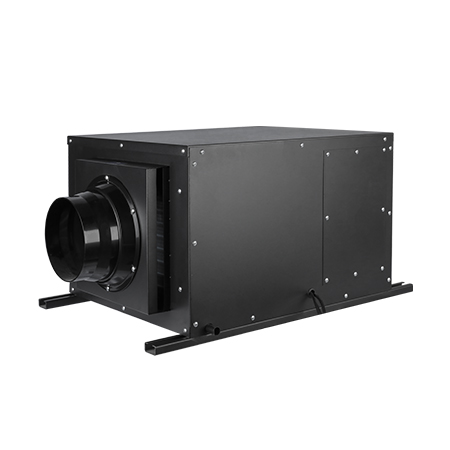
RYDZ-58DM
- Dehumidification Capacity
- 58 l/24h
- Air Volume
- 550 m³/h
- Power Supply
- 220/1ph/50 V/Hz
- Applicable Temperature
- 5-38 °C
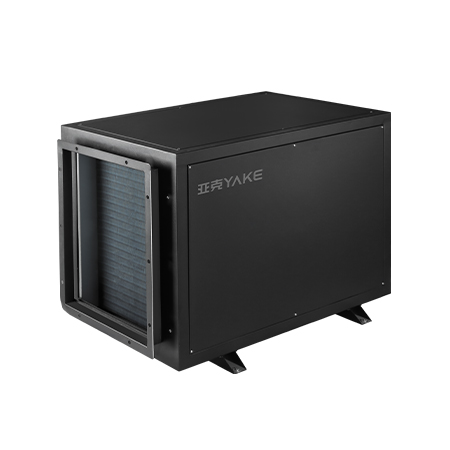
RYDZ-138DM
- Dehumidification Capacity
- 138 l/24h
- Air Volume
- 1300 m³/h
- Power Supply
- 220/1ph/50 V/Hz
- Applicable Temperature
- 5-38 °C
RYDZ-7S
- Dehumidification Capacity
- 168 l/24h
- Air Volume
- 1800 m³/h
- Power Supply
- 380/3ph/50 V/Hz
- Applicable Temperature
- 5-38 °C
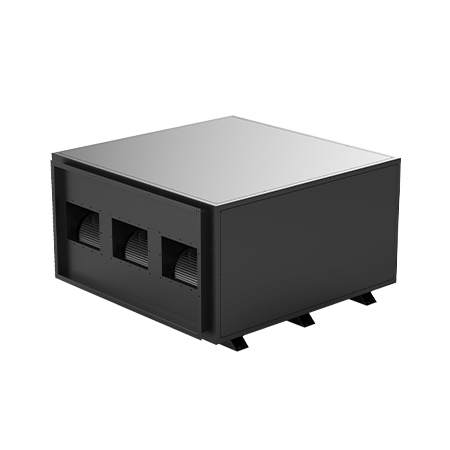
RYDZ-30S
- Dehumidification Capacity
- 720 l/24h
- Air Volume
- 7400 m³/h
- Power Supply
- 380/3ph/50 V/Hz
- Applicable Temperature
- 5-38 °C
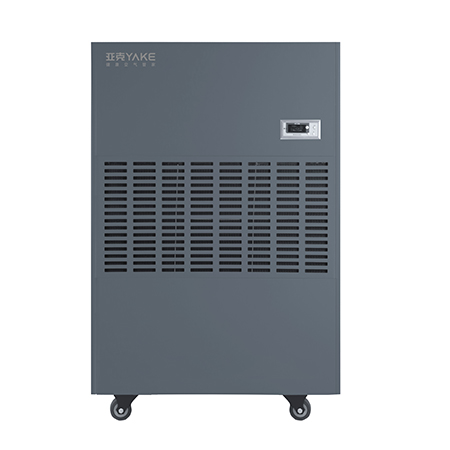
Floor-standing refrigerant units
Provide accessible, self-contained moisture removal for rooms where floor position and air circulation can be arranged without interfering with production.
Review floor space, wheeled or stationary placement, hose drainage, throw distance, return-air access, and protection from washdown or impact.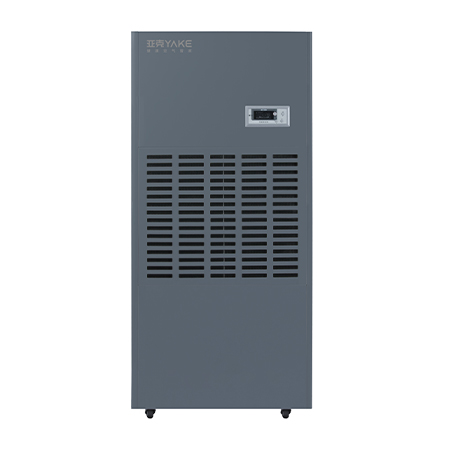
Desiccant rotor units
Support lower-temperature or lower-humidity duties where a desiccant process is more suitable than standard refrigerant operation.
Review process and regeneration airflow, regeneration heat, ducting, discharge, target condition, and the actual moisture load.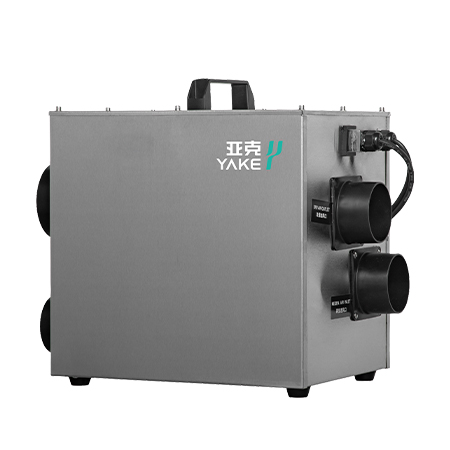
RY-200M
- Dehumidification Capacity
- 15 l/24h
- Process Airflow
- 198 m³/h
- Power Supply
- 220/1ph/50 V/Hz
- Applicable Temperature
- -10~+55 °C
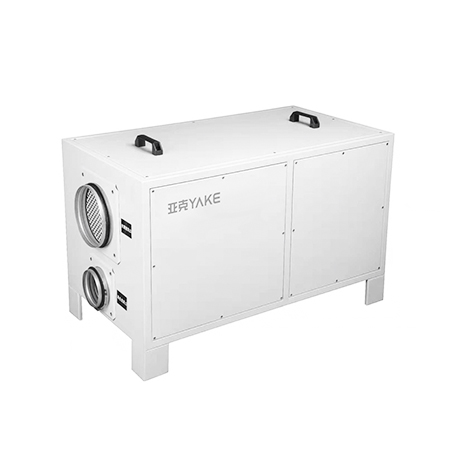
RY-750M
- Dehumidification Capacity
- 108 l/24h
- Process Airflow
- 750 m³/h
- Power Supply
- 380/3ph/50 V/Hz
- Applicable Temperature
- -10~+55 °C
Ultrasonic humidifiers
Add controlled moisture in high-humidity crop rooms, propagation, storage, and agricultural processes that need humidification rather than drying.
Review water treatment, hygiene, fog distribution, sensor position, free water, drain strategy, and interlocks with ventilation or cooling.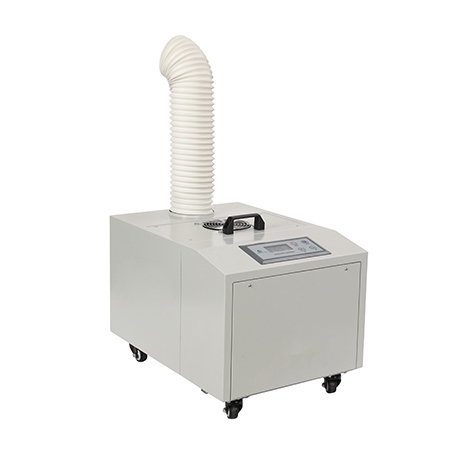
RYJS-03D
- Humidification Capacity
- 3 kg/h
- Power Supply
- 220/1ph/50 V/Hz
- Rated Power
- 0.235 kW
- Adjustable Humidity Range
- 10-95 RH %
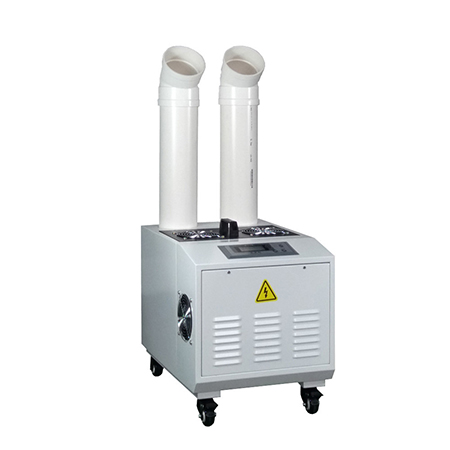
RYJS-15D
- Humidification Capacity
- 15 kg/h
- Power Supply
- 220/1ph/50 V/Hz
- Rated Power
- 1.5 kW
- Adjustable Humidity Range
- 10-95 RH %
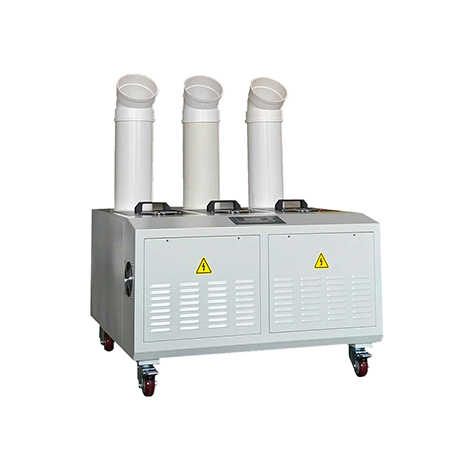
RYJS-72D
- Humidification Capacity
- 72 kg/h
- Power Supply
- 380/3ph/50 V/Hz
- Rated Power
- 7.2 kW
- Adjustable Humidity Range
- 10-95 RH %
All displayed capacities are catalog ratings. Final equipment quantity and configuration require the project's measured conditions, target band, control window, installation layout, and applicable product documentation.
INSTALLATION AND CONTROLS
Make the dehumidifier work with the facility's existing climate equipment
The equipment has to coexist with circulation fans, vents, screens, heating, cooling, irrigation, fogging, lighting schedules, room pressure, and the site's control logic. A strong standalone unit can still produce poor results if supply air bypasses the crop, sensors sit in the wrong location, or another system continuously adds moisture.
Before equipment is selected, confirm which controller manages humidity, what signals are available, how alarms work, and how the facility will operate during maintenance or a fault. Control and communication options must be checked for the selected model rather than assumed across the full range.
Air path
Define supply, return, mixing, duct pressure, crop resistance, fan interaction, zoning, and the position of cold surfaces. Use the layout to prevent short-circuiting and untreated pockets.
Controls and sensors
Define sensor type, location, calibration, control deadband, priority, alarm behaviour, and interface requirements. Confirm supported signals for the selected configuration.
Utilities and drainage
Confirm voltage, phase, available power, protection, water supply where relevant, condensate route, trap or lift requirement, freeze risk, and access for cleaning.
Operation and maintenance
Plan filter access, coil or rotor inspection, water-system sanitation, spare parts, shutdown windows, drainage checks, and the party responsible for routine records.
ENGINEERING AND MANUFACTURING
Configure the equipment for the conditions at your site
Yakeclimate designs and manufactures industrial dehumidification equipment for complex climate applications, with a focus on agriculture and energy projects. We co-develop application-specific dehumidification equipment around the operating conditions, interfaces, and integration requirements of the wider project or system.
For an agriculture project, YAKE uses the agreed crop range, measured moisture load, facility layout, utilities, and control requirements to define equipment duty, placement, interfaces, and the checks required before delivery. The facility designer remains responsible for the complete climate system; YAKE is responsible for the agreed dehumidification equipment and documentation.
01 / Understand the site conditions
Confirm facility geometry, crop or process, climate data, measured trends, moisture sources, target band, control window, and current equipment.
02 / Select equipment and placement
Compare equipment families, operating limits, airflow, placement, power, drainage, controls, service access, and quantity assumptions.
03 / Confirm configuration and documents
Agree the model, adaptations within scope, drawings, technical records, test requirements, documentation, and the responsibilities of each project party.
04 / Build, check, and prepare for installation
Build and inspect the agreed equipment configuration, complete the required records, and provide the information needed for installation and commissioning.
FREQUENTLY ASKED QUESTIONS
Questions to resolve before selecting agriculture humidity-control equipment
Use these answers to prepare the first conversation. The grower sets the crop target, current Yakeclimate product data provides the equipment limits, and the measured site conditions determine capacity, interfaces, and quantity.
Plan humidity control for vertical farms→Review commercial Grow Room dehumidifier requirements→Compare mushroom grow-room climate priorities→Coordinate sensors, HVAC, controls, and humidity equipment→Prepare humidity-control commissioning records→Diagnose winter greenhouse humidity and cold-surface condensation→Match post-harvest drying to crop and process→Browse all agriculture technical articles→ Continue with your project conditions→
01 Why does greenhouse humidity often rise at night?
After sunset, air cools while crops, wet substrate, floors, and irrigation systems keep releasing moisture. RH rises and cold surfaces may cross the dew point. Record temperature, RH, vents, heating, irrigation, and condensation locations overnight.
02 Should a greenhouse be controlled by RH, dew point, or VPD?
RH supports equipment control, dew point explains condensation, and VPD describes crop drying demand. The grower defines the crop strategy; equipment selection still needs temperature, moisture load, target band, and control duration.
03 When is ventilation enough, and when is dedicated dehumidification useful?
Ventilation works when outside air can absorb the load and operating limits permit exchange. Dedicated dehumidification helps when vents stay closed, outside air is unsuitable, heat loss is excessive, or removal must be repeatable. Many facilities coordinate both.
04 How does leaf wetness affect disease risk?
Leaf and flower wetness adds surface and timing information to room humidity measurements. Record wetness duration, temperature, crop stage and disease observations together; have the crop advisor interpret the combination for the relevant host and pathogen.
05 How is dehumidifier capacity estimated for a greenhouse or indoor farm?
Base capacity on moisture load and available removal time, not floor area. Review volume, transpiration, irrigation, air exchange, doors, HVAC removal, temperature, target RH, and recovery time. Catalog ratings at 30°C and 80% RH still require review at the real condition.
06 When should we consider a ceiling-mounted rather than a floor-standing unit?
Ceiling-mounted equipment preserves floor space but needs structural capacity, service clearance, drainage, and workable air paths. Floor-standing equipment is often easier to service in retrofit rooms but needs protected floor area and adequate distribution. Let the layout decide.
07 When is a desiccant rotor unit more suitable than a refrigerant unit?
Consider desiccant equipment at lower temperatures, lower humidity targets, or outside standard refrigerant performance. RY-200M and RY-750M list -10°C to +55°C; the final choice also depends on process and regeneration airflow, heat input, ducting, moisture load, and target condition.
08 Can YAKE equipment be connected to an existing greenhouse climate system?
Yes, when the selected model and controls are compatible. Send the signal type, controller information, alarm logic, operating sequence, and interface documents. Yakeclimate will confirm the supported connection for the selected equipment.
09 When does an agriculture project need humidification instead of dehumidification?
Mushroom fruiting, propagation, selected storage, and some processes intentionally operate at high humidity. If conditions fall below the required band, humidification may be needed. Review water quality, hygiene, distribution, free-water risk, ventilation, cooling, and sensor position.
10 What information should we send for a first equipment review?
Send facility dimensions, crop and stage, temperature, RH trends, target band, extreme climate, irrigation, ventilation and HVAC, condensation location, installation space, power, drainage, controls, quantity, and timing. Photos, layouts, and trend exports help.
WHAT TO SEND US
Send the information needed to evaluate equipment for your facility
You do not need a complete specification to start. Describe the facility and the time of day or operating stage when humidity is hardest to control. Mark unknown values clearly. If you provide an estimate, label it as an estimate and state its basis.
For repeated or multi-zone projects, provide one representative room first, then explain what changes between zones. This helps us see whether one equipment configuration can be repeated or each area needs a different arrangement.
Facility and crop
Internal dimensions, construction, crop or process, growth stage, zone count, crop density, operating schedule, location, and photographs or drawings.
Climate and symptoms
Day and night temperature, measured RH, target band, extreme outside conditions, condensation location, leaf-wetness duration, and the hours when control is lost.
Existing systems
Ventilation, screens, heating, cooling, circulation fans, irrigation, fogging, current dehumidification, sensors, controller, and known energy or airflow constraints.
Installation and delivery
Ceiling and floor space, duct routes, service access, voltage and phase, drainage, water quality for humidification, control interfaces, quantity, documentation, and schedule.
PROJECT START
Send the crop, facility, target humidity, and climate conditions
Include facility dimensions, crop and growth stage, target RH, measured day and night conditions, extreme outside climate, existing HVAC or climate equipment, available installation space, power, and drainage. With this information, we can compare suitable equipment and identify any details that still need confirmation.
Discuss an Agriculture Project