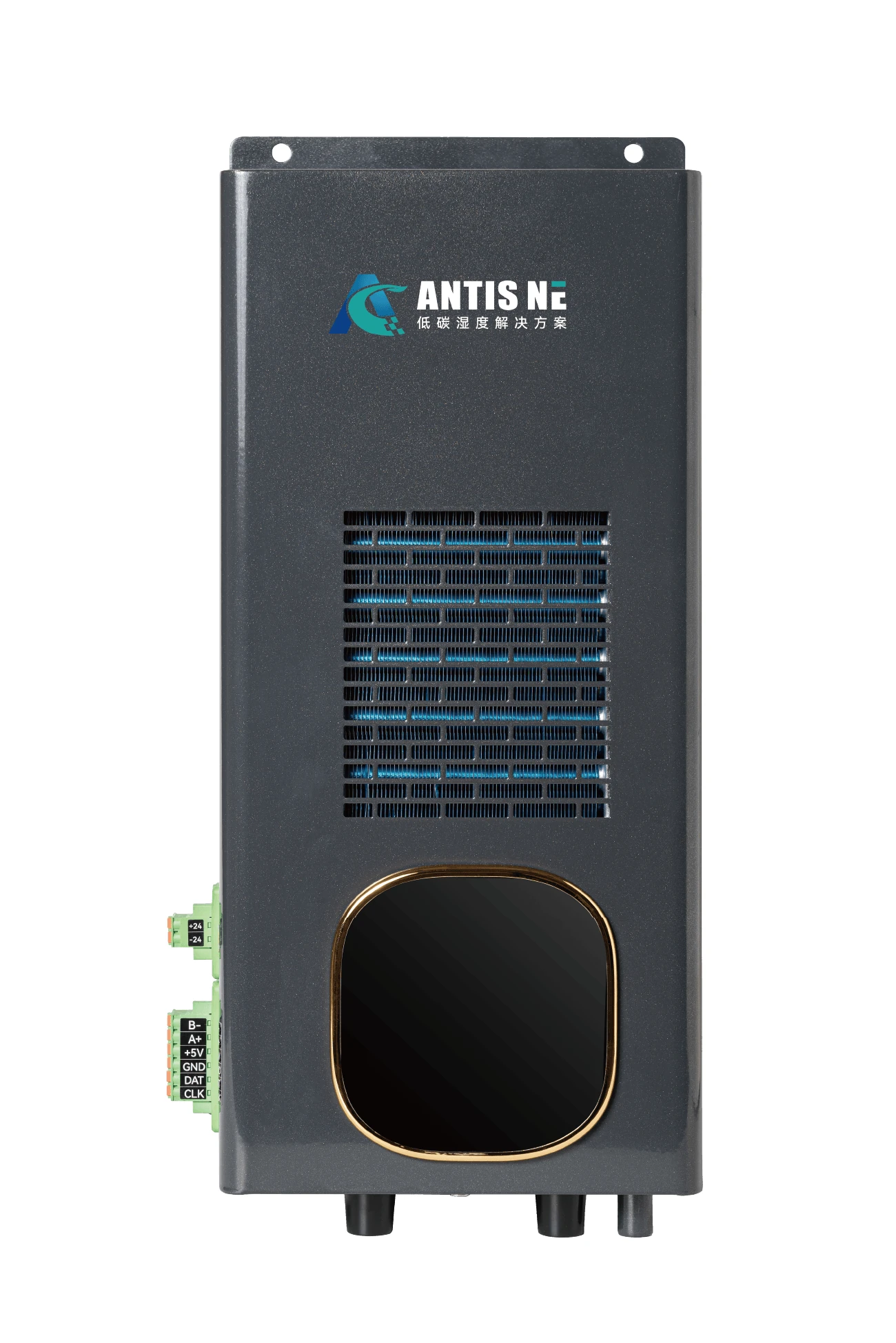
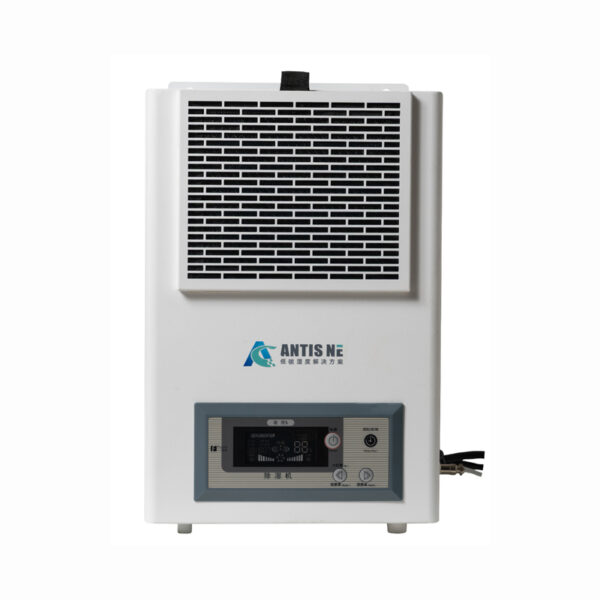
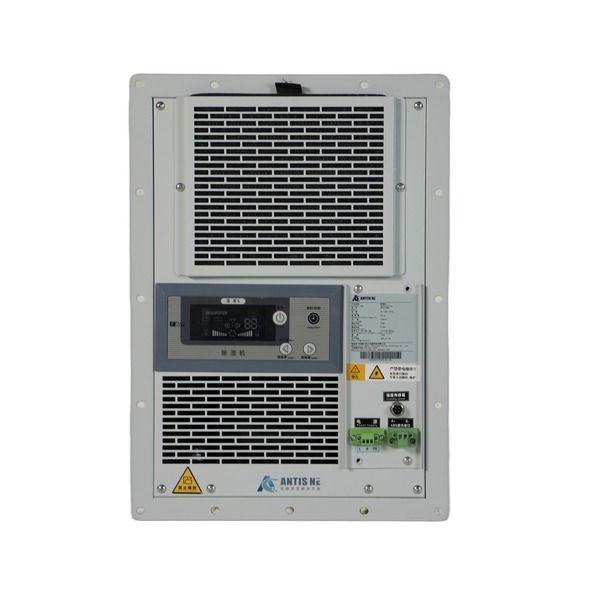
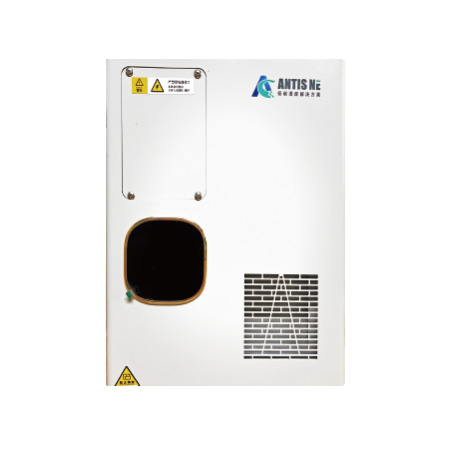
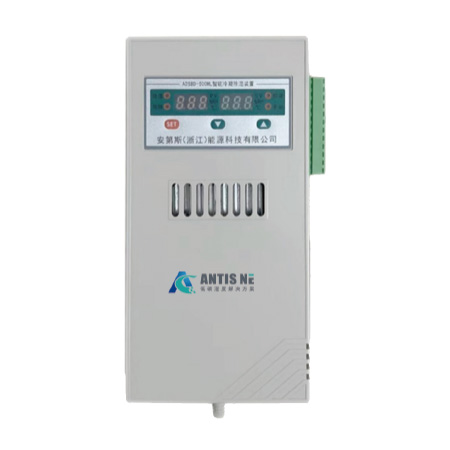
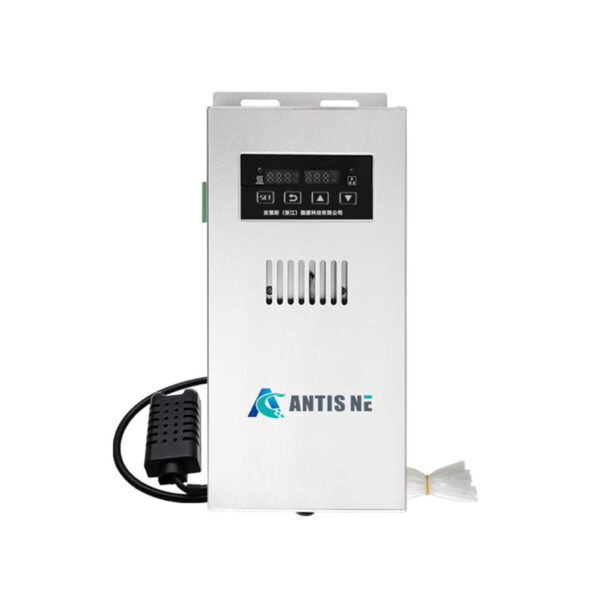
Condensation inside a sealed cabinet causes corrosion, tracking and nuisance trips. ANTIS cabinet dehumidifiers remove that water and drain it outside the enclosure. Choose a Peltier (thermoelectric) unit for small or cold enclosures, or a compressor unit when the moisture load is higher.
Small enclosures, outdoor cabinets in cold climates, DC-powered panels
Larger cabinets, containers and rooms with a higher moisture load
Removal
0.5–1 L/day
4–10 L/day
Operating range
−30 to +55 °C
5–40 °C (to 45 °C on DC for ADS-100WB-06)
Moving parts
Fan only, no compressor
Compressor and fan
Where they are used
Switchgear and ring main units · Control and PLC panels · Telecom and outdoor equipment cabinets · Battery energy storage cabinets (see our BESS dehumidifiers) · Wind turbine and substation enclosures.
Installation and drainage
Each unit collects condensate and discharges it outside the enclosure through a drain hose. Mount the unit where the drain can fall freely to the outlet, keep the air inlet clear of cables, and seal the enclosure penetration for the hose. Tell us the enclosure volume, the coldest surface temperature and the site climate, and we will confirm the model and mounting position.
Do I need a dehumidifier if my cabinet is IP-rated?
Often, yes. An IP rating limits water and dust entering from outside, but temperature cycling still draws humid air in through seals and cable glands, and that moisture condenses on the coldest surface inside. A dehumidifier removes the water that the enclosure traps.
Should I use a heater or a dehumidifier?
A heater keeps surfaces above the dew point but does not remove water, and it adds heat to the cabinet. A dehumidifier lowers the dew point by removing moisture. Many outdoor cabinets use a dehumidifier, with a heater only where low temperature is the main risk. Read our heater vs ventilation vs dehumidifier guide.
What is the difference between a Peltier and a compressor cabinet dehumidifier?
A Peltier unit cools a small plate electrically, with no compressor, so it is compact and works from −30 to +55 °C, with 0.5–1 L/day removal. A compressor unit removes 4–10 L/day for larger enclosures within 5–40 °C.
Where does the water go?
Out of the cabinet through the drain hose. Route the hose downward to a safe outlet and protect it from freezing on outdoor sites.
Which power supplies are available?
AC 220–240 V and DC 24 V, depending on the model. See the table above.
Confirm the right configuration for your operating conditions.
Share the operating temperature, current and target humidity, room dimensions, airflow, power supply, drainage method, and installation limits. Yakeclimate can use these details to recommend a suitable next step.
We use necessary browser storage to remember your preferences. Optional analytics will be used only if you accept. Privacy Policy·Terms of ServiceOptional analytics only with your consent. Privacy