
INDUSTRIAL STORAGE / EQUIPMENT SELECTION
Industrial Dehumidifiers for Warehouses
Review portable, floor-standing and desiccant equipment for storage humidity control. Start with the goods, operating temperature and door-opening load, then confirm the model and installation.
For project procurement: catalogue 50Hz configurations, model-specific data and engineering review. Confirm destination requirements and actual-duty performance before ordering.
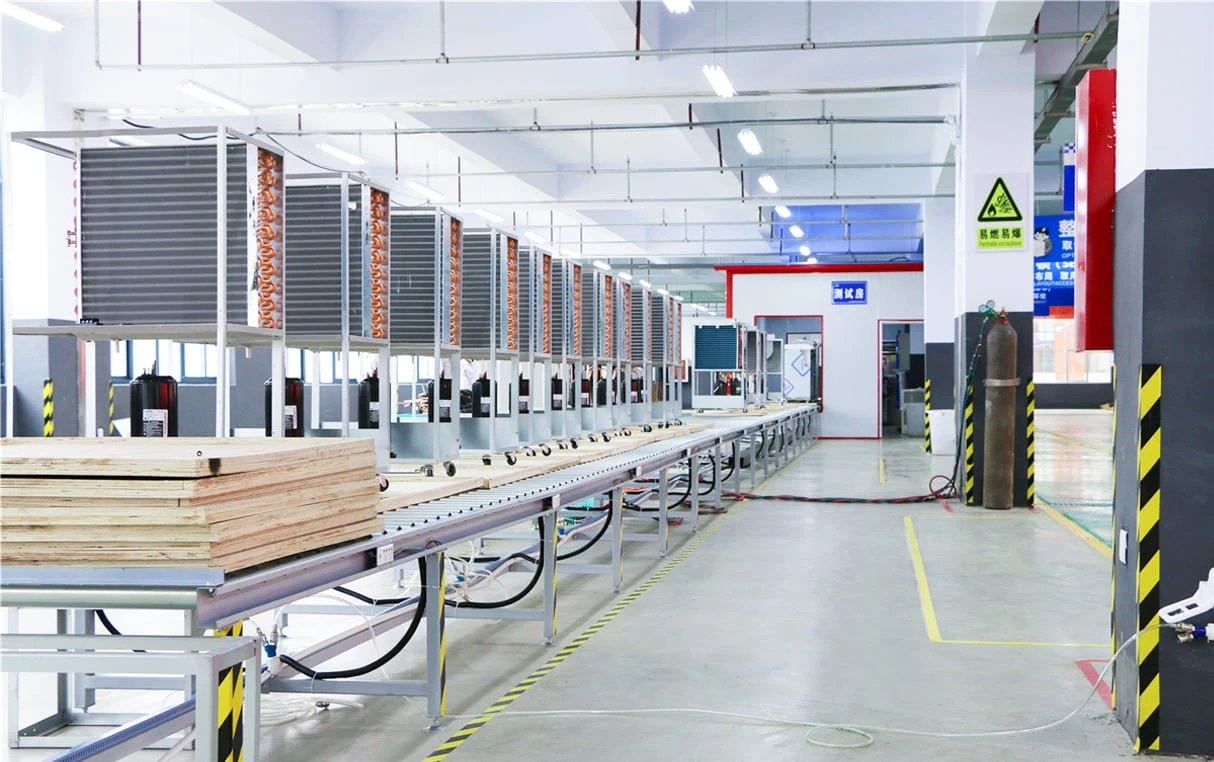
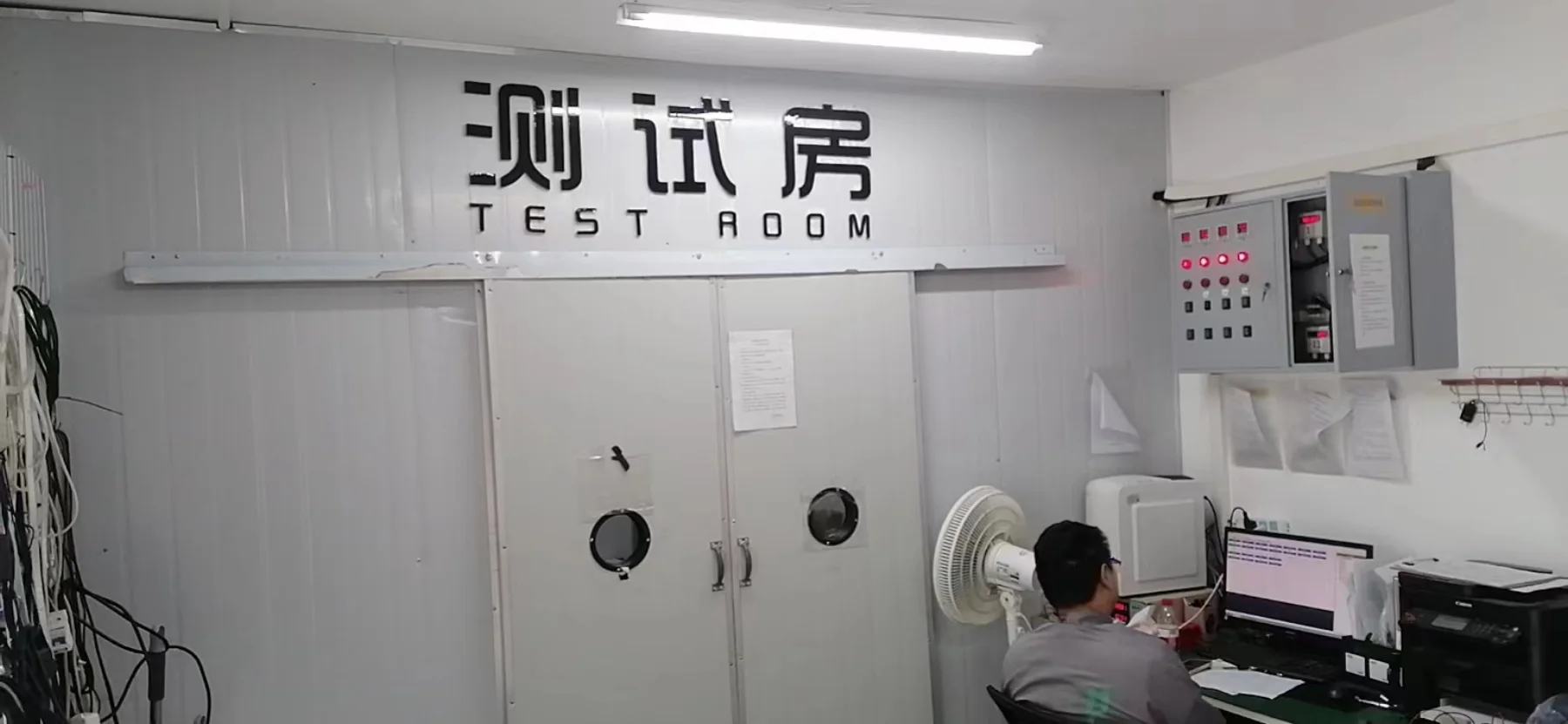
Equipment selected for the storage duty. Manufacturing facilities. Warehouse sizing starts with measured conditions.
01 / STORED GOODS
Protect stored goods by controlling the moisture load
Choose a warehouse dehumidifier around the goods, minimum temperature and incoming moisture. Floor area alone cannot tell you the capacity or number of units needed. Record conditions near doors, racks and cold surfaces before selecting equipment.

Damp goods and packaging
Define the allowable storage conditions with the goods supplier. Check packaging, incoming wet stock and moisture released inside the warehouse; room RH alone does not prove product moisture content.
Condensation
Compare air dew point with the coldest goods and building surfaces. Loading transitions and unheated corners can need separate measurement and air distribution.
Metal corrosion
Review humidity alongside surface contamination, packaging and storage time. Agree a target for the material and process instead of applying one humidity setting to every warehouse.
02 / MODEL SELECTION
Compare candidate warehouse models
A starting range for project review. RYCM/RYCF removal is rated at 30°C/80% RH; RY removal is rated at 20°C/60% RH. These figures do not predict removal at your warehouse condition or guarantee a floor-area coverage.
| Model | L/day | PPD | Rating condition | Process / circulation airflow | Reactivation airflow | Supply (V / phase / Hz) | Operating range |
|---|---|---|---|---|---|---|---|
| RYCM-60CRefrigerant | 60 | 127 | 30°C/80% RH | 480 m³/h | Not applicable | 220/1ph/50 | 5-38 °C |
| RYCM-138CRefrigerant | 138 | 292 | 30°C/80% RH | 1300 m³/h | Not applicable | 220/1ph/50 | 5-38 °C |
| RYCF-10SRefrigerant | 240 | 507 | 30°C/80% RH | 2800 m³/h | Not applicable | 380/3ph/50 | 5-38 °C |
| RYCF-16SRefrigerant | 384 | 811 | 30°C/80% RH | 5000 m³/h | Not applicable | 380/3ph/50 | 5-38 °C |
| RY-750MDesiccant | 108 | 228 | 20°C/60% RH | 750 m³/h | 250 m³/h | 380/3ph/50 | -10~+55 °C |
| RY-1000MDesiccant | 180 | 380 | 20°C/60% RH | 1000 m³/h | 400 m³/h | 380/3ph/50 | -10~+55 °C |
PPD = US pints/day, converted from L/day × 2.113 and rounded. This is not an AHAM/DOE test rating. Capacity must be confirmed at the actual inlet temperature and humidity; operating range is a separate specification.
03 / OPERATING CONDITIONS
Use the minimum operating temperature to choose a route
RYCM portable and RYCF floor-standing equipment use refrigerant condensation. RY equipment uses a desiccant rotor with a separate reactivation air path. Compare performance at the same warehouse condition before deciding; their catalogue ratings use different inlet conditions.
Warmer warehouses
Review RYCM/RYCF where the actual temperature is within the listed range and verified removal meets the load. Plan condensate drainage and clear circulation paths around racks.
Cold or low-humidity storage
Consider RY desiccant equipment when low temperature or the humidity target limits refrigerant performance. Confirm regeneration exhaust and request a performance curve for the actual inlet.
Access pattern and zoning
A sealed archive and a loading warehouse have different moisture loads. Separate dock, cold-store and storage zones; size from air exchange, moisture sources and recovery time.
04 / INSTALLATION & SERVICE
Plan circulation, drainage and maintenance together
A model's airflow is a unit specification, not proof that every aisle reaches the target humidity. Prepare a layout that shows racks, obstructions, supply/return paths and measurement points.
Air distribution
Keep inlets and outlets clear. Review separate units or zones where racks restrict circulation; verify duty and duct resistance before adding ductwork.
Condensate and exhaust
RYCF units use an external drain. Check the RYCM model's tank/hose arrangement in its datasheet. Agree hose slope, drain elevation and any required pump; RY needs separate regeneration exhaust.
Access and observations
Allow filter cleaning and service access without moving stored goods into the airflow. Log RH and temperature at representative points and review recovery after loading periods.
05 / PROJECT PROCUREMENT
Confirm the configuration for the destination site
The models shown list 50Hz supplies; match voltage and phase to the site rather than inferring compatibility from a country's mains frequency. Confirm refrigerant, destination-market requirements, control interfaces and the order configuration. For 60Hz or a different supply, request project confirmation before ordering.
06 / FAQ
Equipment selection FAQ
Can I choose capacity from warehouse floor area?
Use volume, temperature/RH, incoming air, moisture sources and the target recovery time. Floor area helps describe the space but does not establish its moisture load.
Should I choose refrigerant or desiccant?
Refrigerant equipment is a candidate for warmer storage with reliable drainage. Lower temperatures or more demanding humidity targets can favour desiccant equipment, subject to verified duty and regeneration arrangements.
Are the catalogue models ready for a 60Hz site?
The models in this table list 50Hz. A 60Hz supply or other electrical changes need model-specific confirmation; a unit conversion to PPD does not change electrical compatibility.
What humidity should a warehouse maintain?
Agree a range from the stored material, packaging and quality requirements. Check condensation against cold surfaces and verify conditions across storage zones; no single RH value fits all goods.
- 01
Goods and packaging requirements, room volume and rack layout
- 02
Minimum/maximum temperature, RH, target and recovery time
- 03
Doors, loading schedule, outside air and internal moisture sources
- 04
Voltage/phase/frequency, drain/exhaust route, quantity and destination