
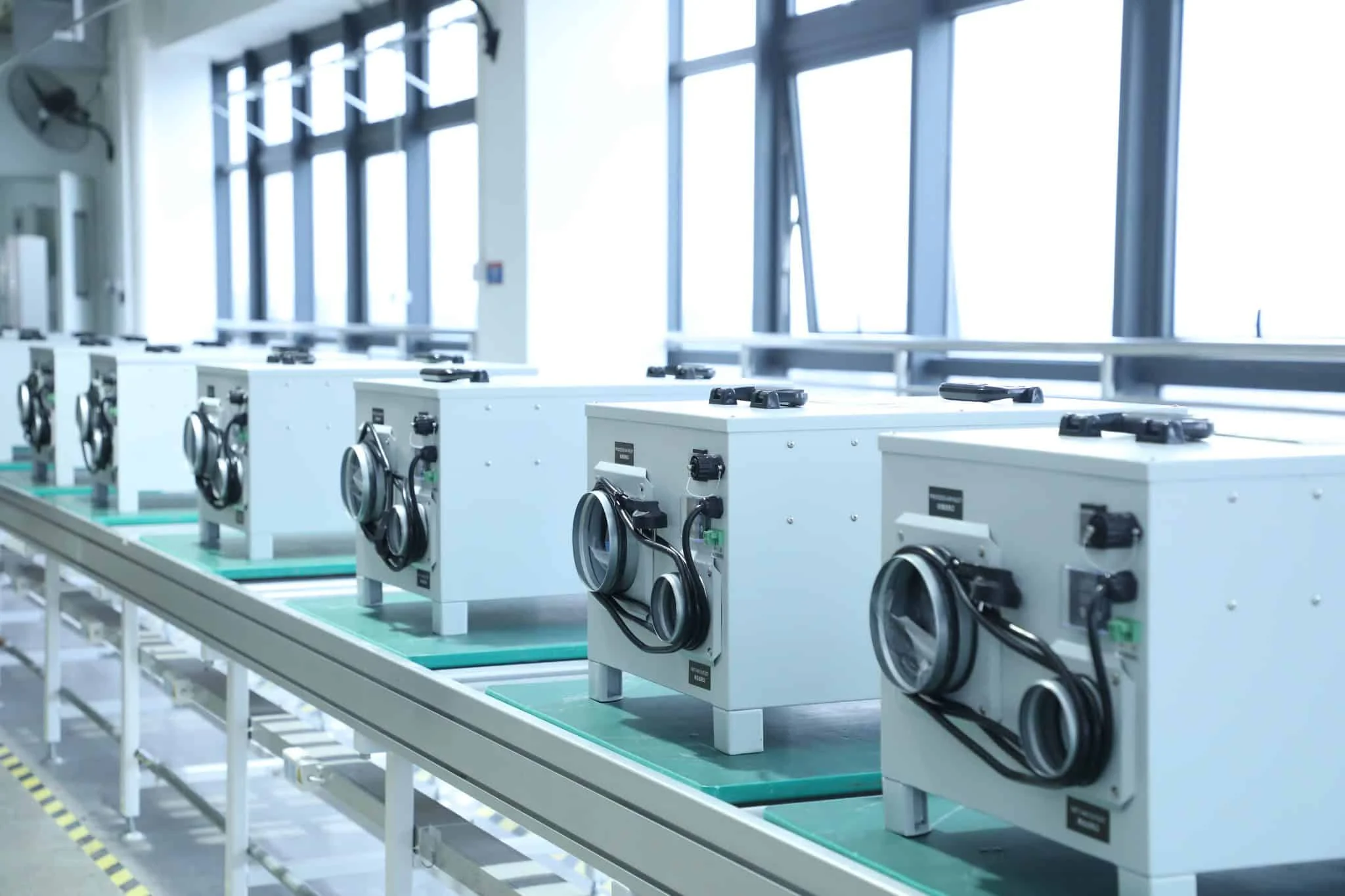
Products
Humidity-Control Equipment for Real Operating Conditions
Explore dehumidification and humidification equipment by application, installation method, temperature range, and target condition.
The right equipment depends on where it has to work. Tell us about the space, the temperatures it sees, and the humidity target you need to hold — we will recommend from there.
Product selection begins with the operating conditions. Temperature, humidity target, airflow, installation space, drainage, power, and controls help determine the suitable equipment and configuration.
DEFINITION
What is an industrial dehumidifier?
An industrial dehumidifier is a humidity-control unit that removes moisture from the air of a defined space or process, using either a refrigeration cycle or a desiccant rotor. In an industrial context, industrial dehumidification refers to holding a target humidity or dew point while the surrounding temperature, airflow, installation space, drainage, and power conditions stay inside the equipment operating range.
The product range covers refrigerant dehumidifiers, ceiling-mounted dehumidifiers, desiccant rotor dehumidifiers, compact cabinet equipment for electrical enclosures and energy storage, wind-power equipment, and ultrasonic humidifiers. Selection follows the application, the installation form, the capacity range, and the operating conditions of the site.
BROWSE BY APPLICATION
Start with the application behind the humidity requirement
01
Agriculture — YAKE
Equipment options for cultivation, greenhouse, indoor-growing, post-harvest, storage, and controlled agricultural environments.
Explore Agriculture → 02Energy — ANTIS
Compact and industrial moisture-control equipment for battery energy storage, electrical enclosures, switchgear, and related energy environments.
Explore Energy → 03Industrial and Commercial Applications
Review product families by moisture-removal method, installation form, capacity range, and operating condition.
Compare Product Families →COMPANY FACTS
A manufacturing base built for controlled humidity applications
The manufacturing base behind these product families has produced 500,000+ humidity-control units since 2010.
- 2010 Year of establishment
- 500,000+ Humidity-control units manufactured since 2010
- 50+ Customer countries and regions supplied
- 46+ Patents supporting product and application development
The manufacturing base behind these product families has produced 500,000+ humidity-control units since 2010 and supplied them to customers in 50+ countries and regions. Yakeclimate designs and manufactures industrial dehumidification equipment for complex climate applications, with a focus on agriculture and energy projects. We co-develop application-specific dehumidification equipment around the operating conditions, interfaces, and integration requirements of the wider project or system.
REFRIGERANT DEHUMIDIFIERS
Refrigerant equipment for general industrial moisture removal
01
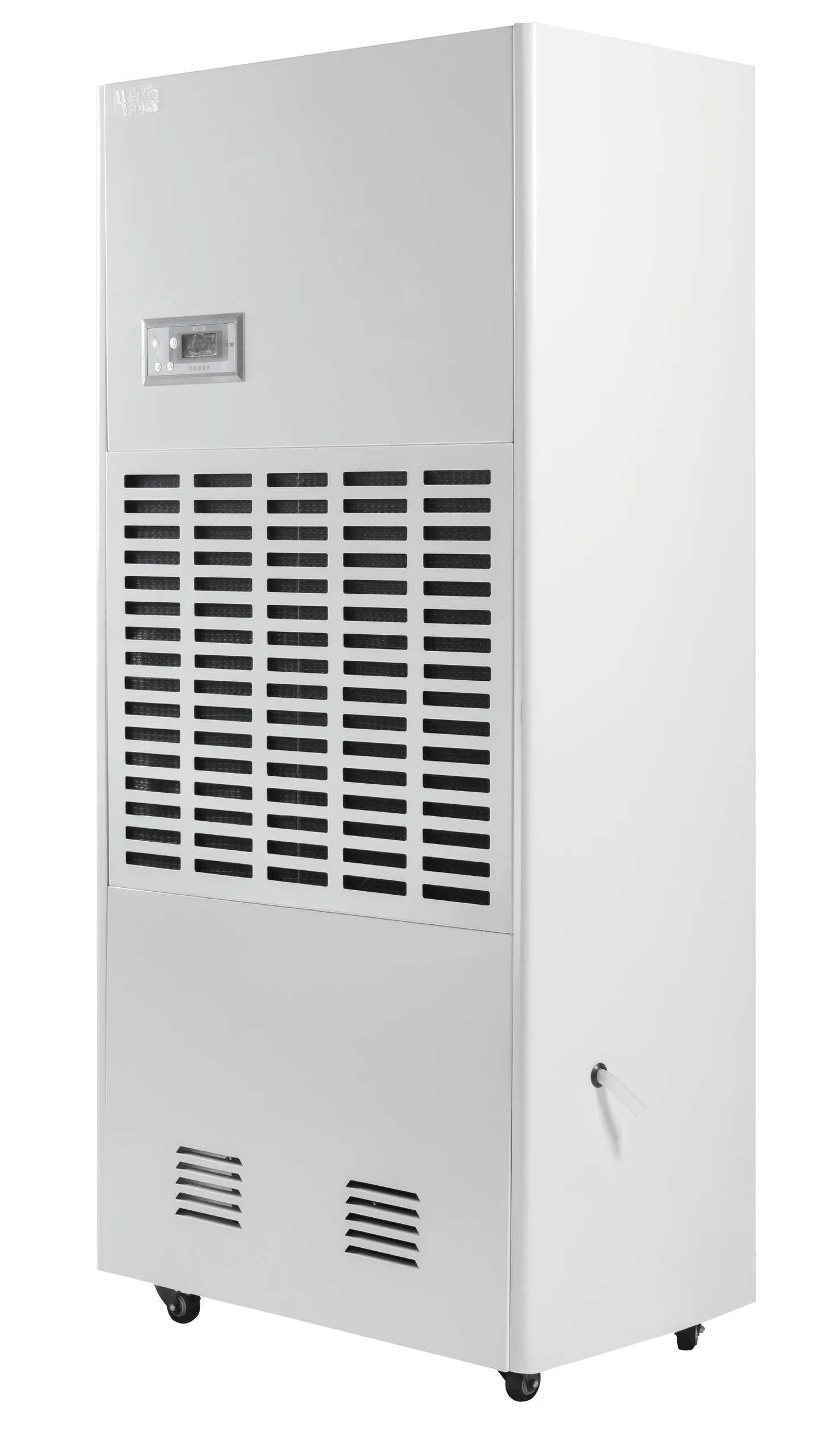
Industrial Dehumidifier
Industrial refrigerant dehumidifiers for manufacturing spaces, storage rooms, workshops, and project-based humidity control.
Review product family →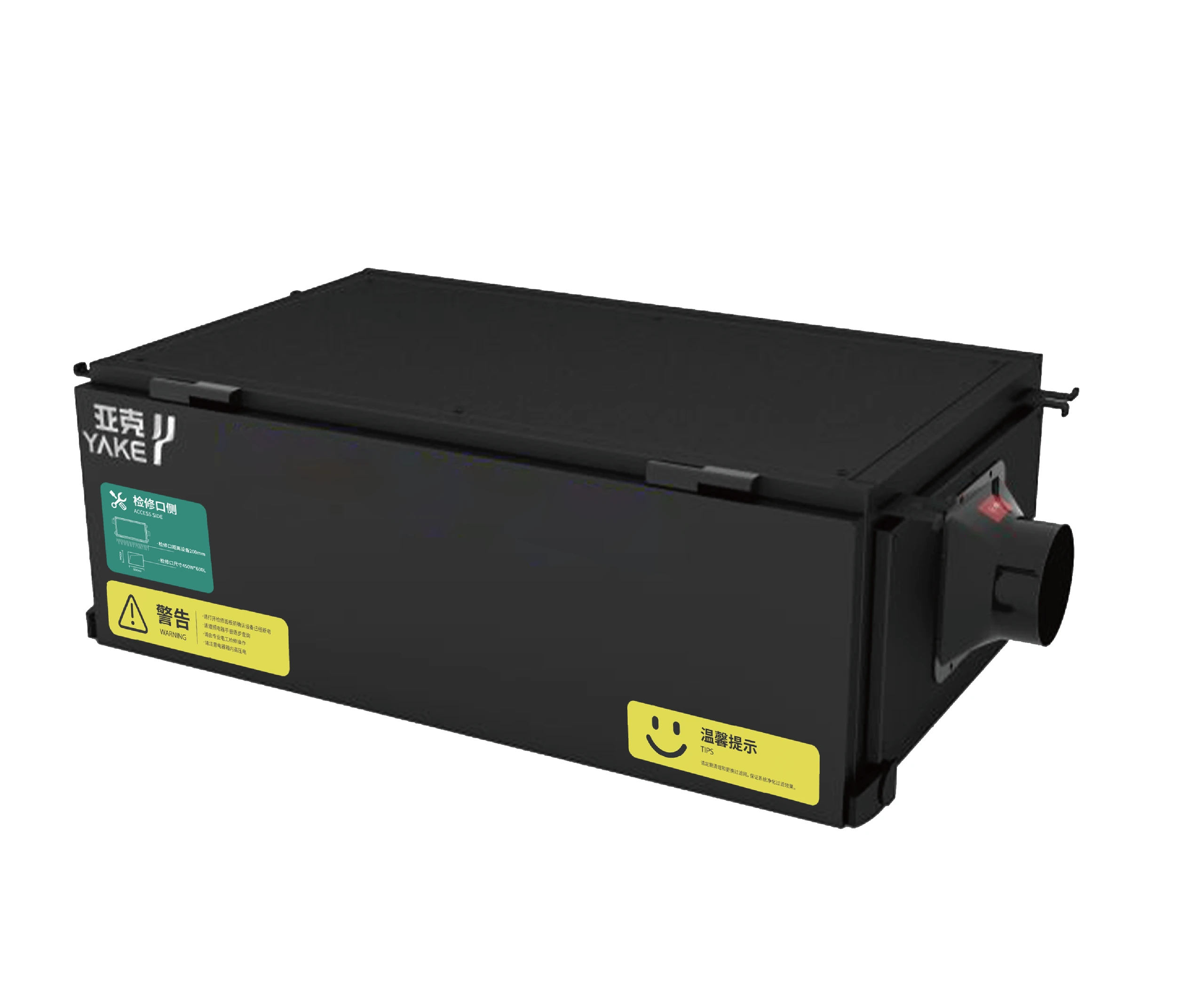
02
Commercial Ceiling Dehumidifier
Ceiling-mounted dehumidifiers for commercial indoor spaces where floor space, appearance, and stable humidity matter.
Review product family →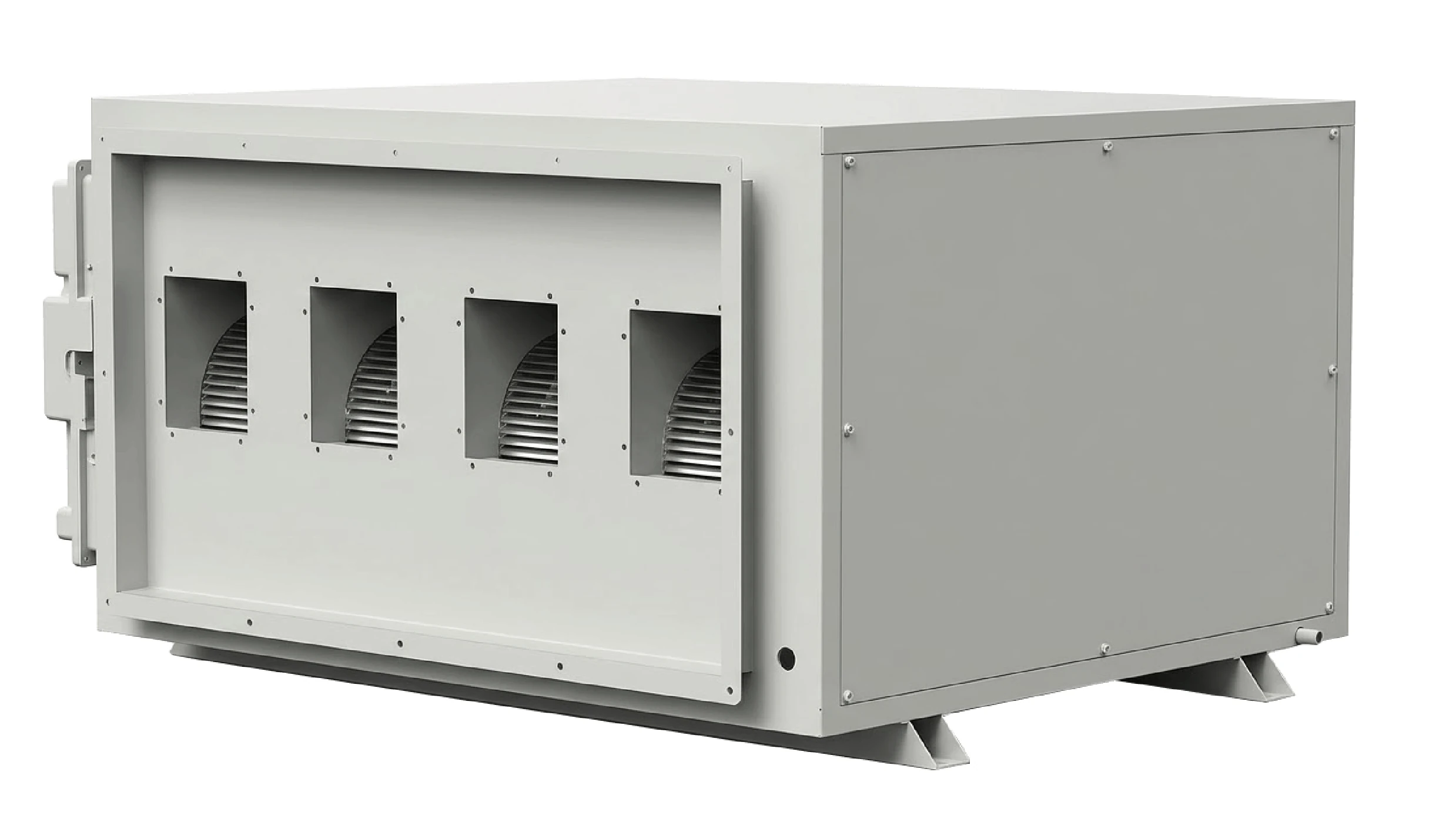
03
Industrial Ceiling Dehumidifier
Ceiling dehumidification products for higher-capacity commercial and industrial applications.
Review product family →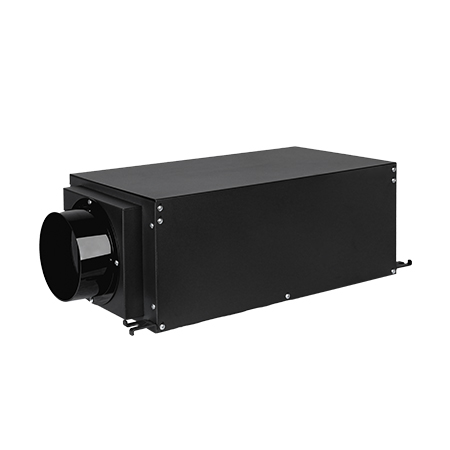
04
Household Ceiling Dehumidifier
Ceiling-mounted dehumidifier products for residential and light-commercial humidity-control scenarios.
Review product family →CEILING-MOUNTED DEHUMIDIFIERS
Plan the equipment together with airflow, access, and drainage
Ceiling installation can preserve usable floor space, but selection also depends on return-air and supply-air paths, clearance, condensate drainage, vibration control, maintenance access, and HVAC layout.
- Available ceiling space and service access
- Ducted or non-ducted air distribution
- Drainage position and condensate lift requirements
- Airflow and pressure requirements
- Noise and vibration expectations
- Control connection and installation sequence
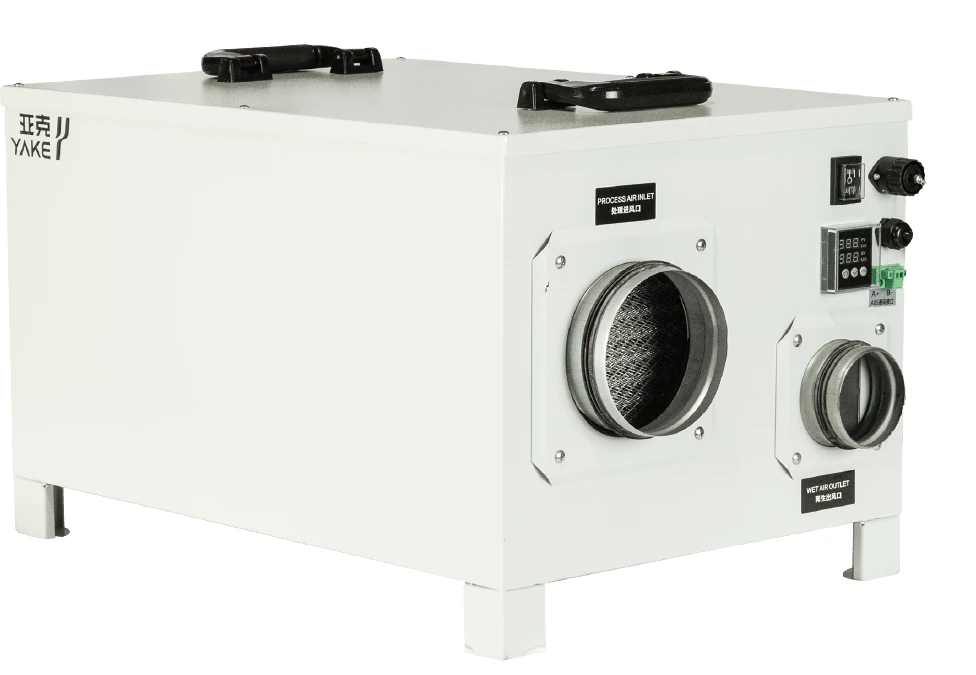
DESICCANT ROTOR DEHUMIDIFIERS
Desiccant systems for lower temperatures and deeper drying requirements
Desiccant equipment becomes relevant when the application requires lower humidity, lower dew point, low-temperature operation, or stable dry-air delivery beyond the practical range of a standard refrigerant system.
The final configuration depends on process and regeneration air, target outlet state, airflow, heat source, filtration, ductwork, pressure, controls, and the surrounding process.
SPECIALIZED EQUIPMENT
Equipment developed around specific environments and installation limits
HUMIDIFICATION
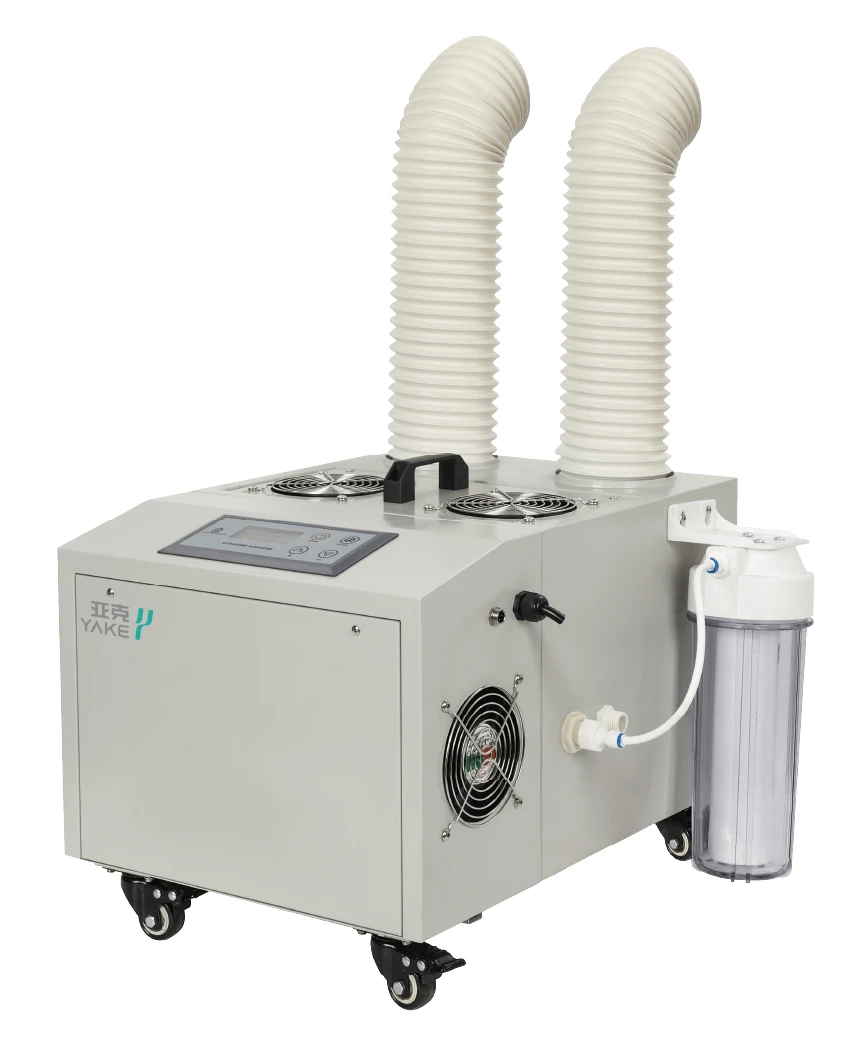
Ultrasonic Humidifier
Controlled moisture addition where water quality, output, distribution, hygiene, and controls are defined.
Explore humidification equipment →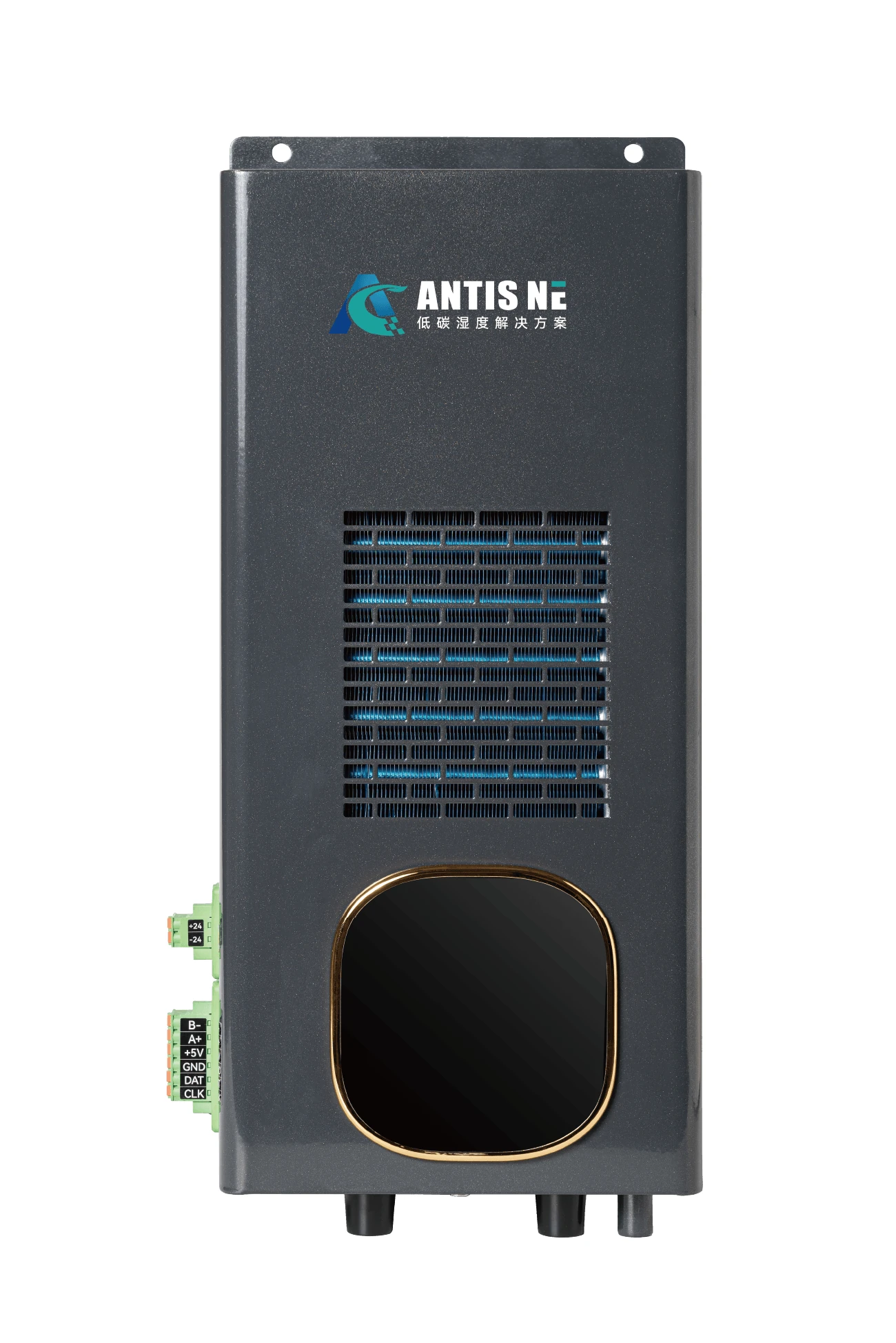
ENERGY & ENCLOSURES
Energy Storage Dehumidifier
Compact moisture-control equipment for cabinets, containers, electrical spaces, and defined enclosure conditions.
Explore energy equipment →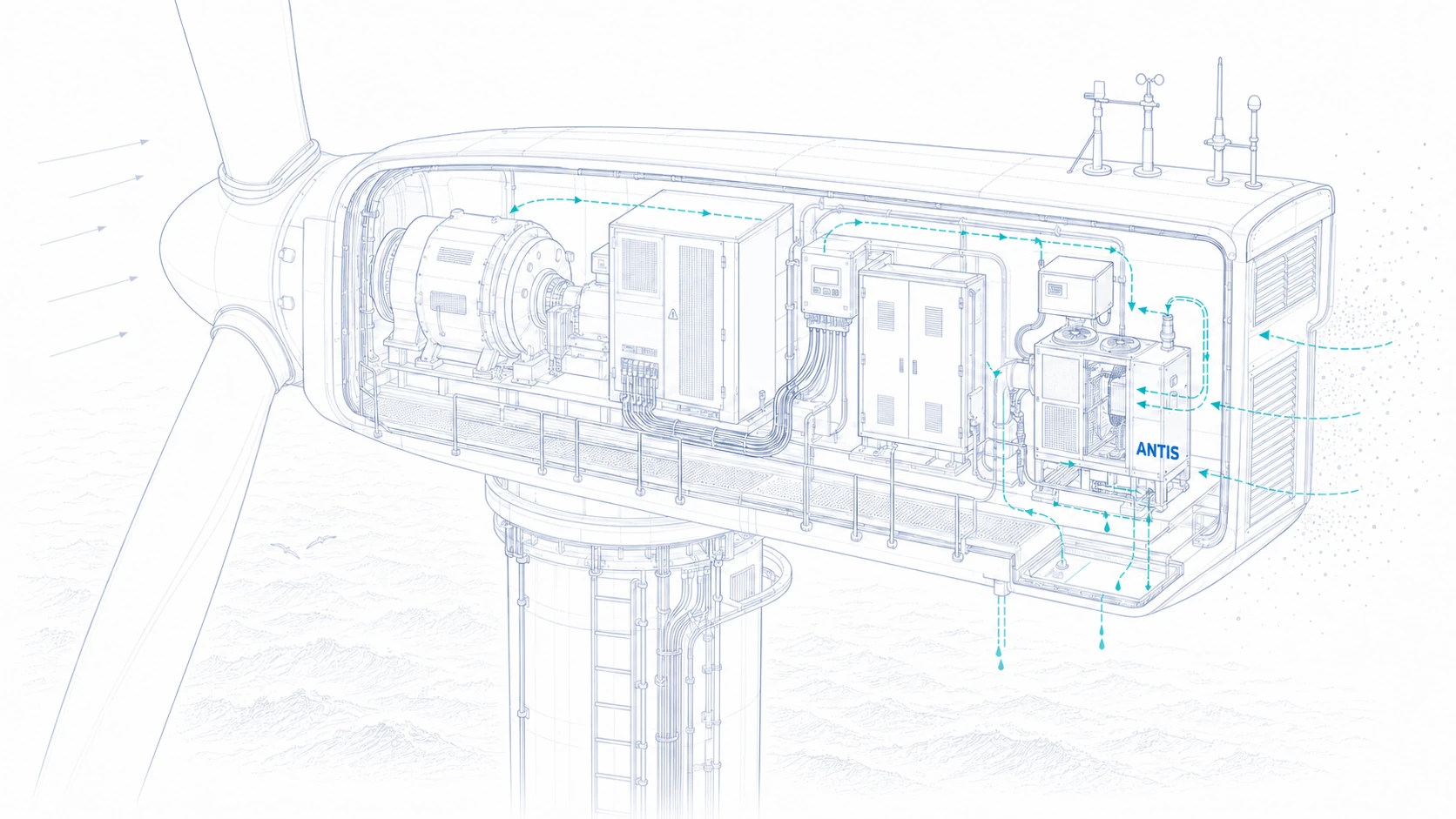
WIND POWER
Wind Power Dehumidifier
Refrigerant and desiccant equipment for wind turbines, grid equipment, substations, and defined low-temperature duties.
Explore wind-power equipment →If a standard product does not match the installation, interface, control, or operating conditions, the requirement can be reviewed through engineering and co-development.
TECHNOLOGY COMPARISON
Refrigerant vs desiccant vs humidification equipment
The comparison table below lists representative models from the product catalogue to show how refrigerant, desiccant, and humidification equipment differ by method, rated capacity, and operating temperature. Exact figures come from each model specification table.
| Representative model | Method | Rated capacity | Operating temperature |
|---|---|---|---|
| RYDZ-7S ceiling dehumidifier | Refrigerant cycle | 168 l/24h at 30°C/80% RH | 5–38 °C |
| ADS-10D energy-storage dehumidifier | Refrigerant, compact | 10 L/24h at 30°C/80% RH, humidity control 10–95 % RH | 5–40 °C |
| ADS-500M wind-power dehumidifier | Desiccant rotor | 2.5 kg/h at 20°C/60% RH | -30–+50 °C |
| RYJS-06D ultrasonic humidifier | Ultrasonic humidification | 6 kg/h output, adjustable 10–95 RH % | Per specification |
Refrigerant equipment suits general industrial moisture removal, desiccant equipment extends operation to lower temperatures and deeper drying, and humidification equipment adds controlled moisture where water quality, output, and distribution are defined.
PRODUCT SELECTION DETAILS
Share the conditions that determine product fit
These inputs help narrow the product family, identify missing engineering information, and determine whether a standard model or adapted configuration should be reviewed. The manufacturing base behind these product families has produced 500,000+ humidity-control units since 2010.
Read Industrial Dehumidification Guides- Application and site location
- Room, enclosure, or process dimensions
- Temperature range and seasonal variation
- Current humidity and target humidity or dew point
- Known moisture sources or moisture load
- Airflow, ventilation, and pressure conditions
- Installation position and available space
- Power supply and drainage conditions
- Control, alarm, and communication requirements
- Quantity, project schedule, and market requirements
SELECTION STEPS
How to prepare a complete product requirement
The following steps turn a humidity problem into a product requirement that can be reviewed by engineering.
- Step 1 — Define the operating conditions: record the space or enclosure dimensions, the temperature range, the current humidity, and the target humidity or dew point that must be held.
- Step 2 — Identify the moisture load and installation limits: list the moisture sources, airflow, ventilation, pressure, available installation space, power supply, drainage, and control requirements.
- Step 3 — Review the product family and submit the requirement: compare the application with the families above, send the operating conditions to our engineering team, and confirm the information needed for the next technical step.
FAQ
Frequently Asked Questions
Is the dehumidification capacity based on standard testing conditions?
Yes. The rated capacity in each model specification table is stated under standard test conditions — for example 168 l/24h at 30°C/80% RH for the RYDZ-7S ceiling dehumidifier. Actual moisture removal depends on the site temperature, humidity, and airflow.
When should a desiccant rotor system be considered instead of a refrigerant system?
Desiccant equipment is considered when the application requires lower humidity, lower dew point, low-temperature operation, or stable dry-air delivery beyond the practical range of a standard refrigerant system.
Can equipment be adapted to non-standard installation or interface conditions?
When a standard product does not match the installation, interface, control, or operating conditions, the requirement can be reviewed through engineering and co-development around the conditions of the wider project or system.
What information is needed before a recommendation can be made?
The application and site location, space and enclosure dimensions, temperature range, current and target humidity or dew point, known moisture sources, airflow and ventilation, installation position, power supply, drainage, and control requirements.
PRODUCT DISCUSSION
Find equipment that fits the application
Send the operating conditions and installation limits. We can recommend a suitable product family and identify the information required for the next technical step.
Discuss a Product Requirement