
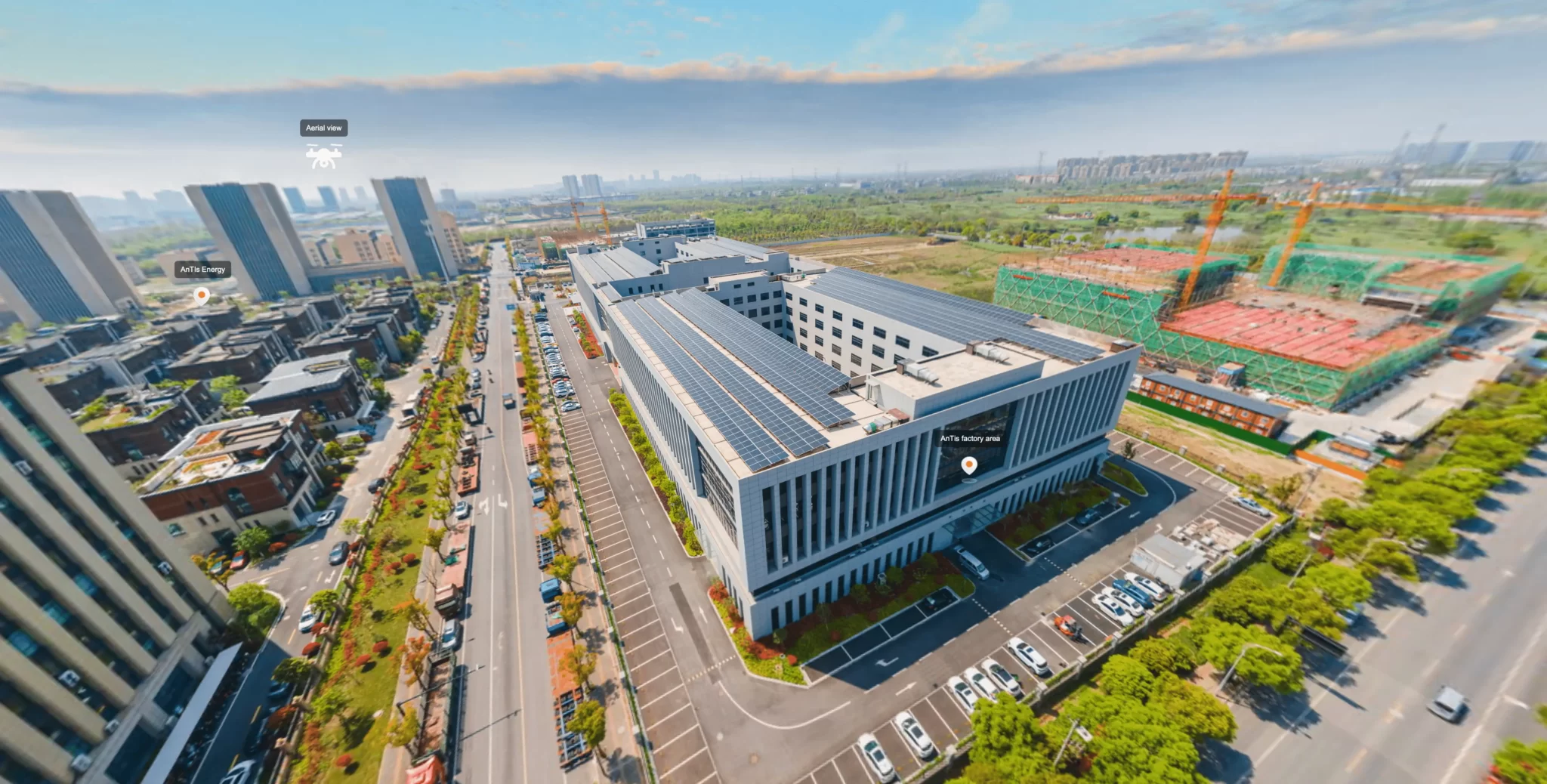
Industrial dehumidifier manufacturer · Since 2010
Industrial Dehumidification for Complex Climate Applications
We design and build refrigerant dehumidifiers from 26 to 960 L/day, desiccant dehumidifiers from 100 to 3,000 m³/h, and ultrasonic humidifiers, for greenhouses, energy storage and industrial sites.
Engineering decisions carry into manufacturing. Project conditions, equipment configuration, and validation requirements guide the work from review to production.
TWO FOCUSED INDUSTRIES
Two industries, two specialist brands
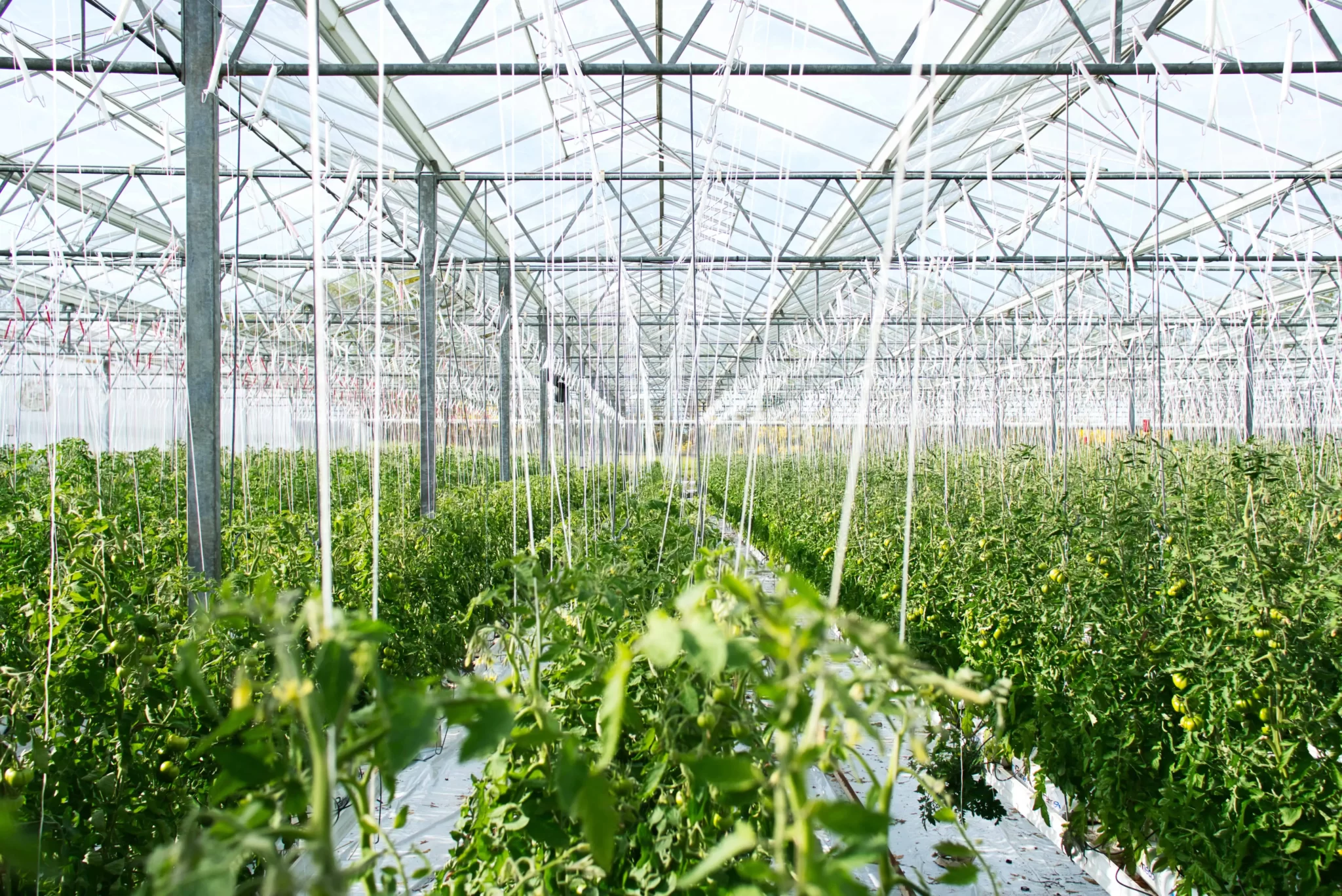
YAKE / AGRICULTURE
Humidity control for agriculture and controlled environments
Greenhouses, indoor growing, controlled environments, and agricultural facilities.
Explore Agriculture →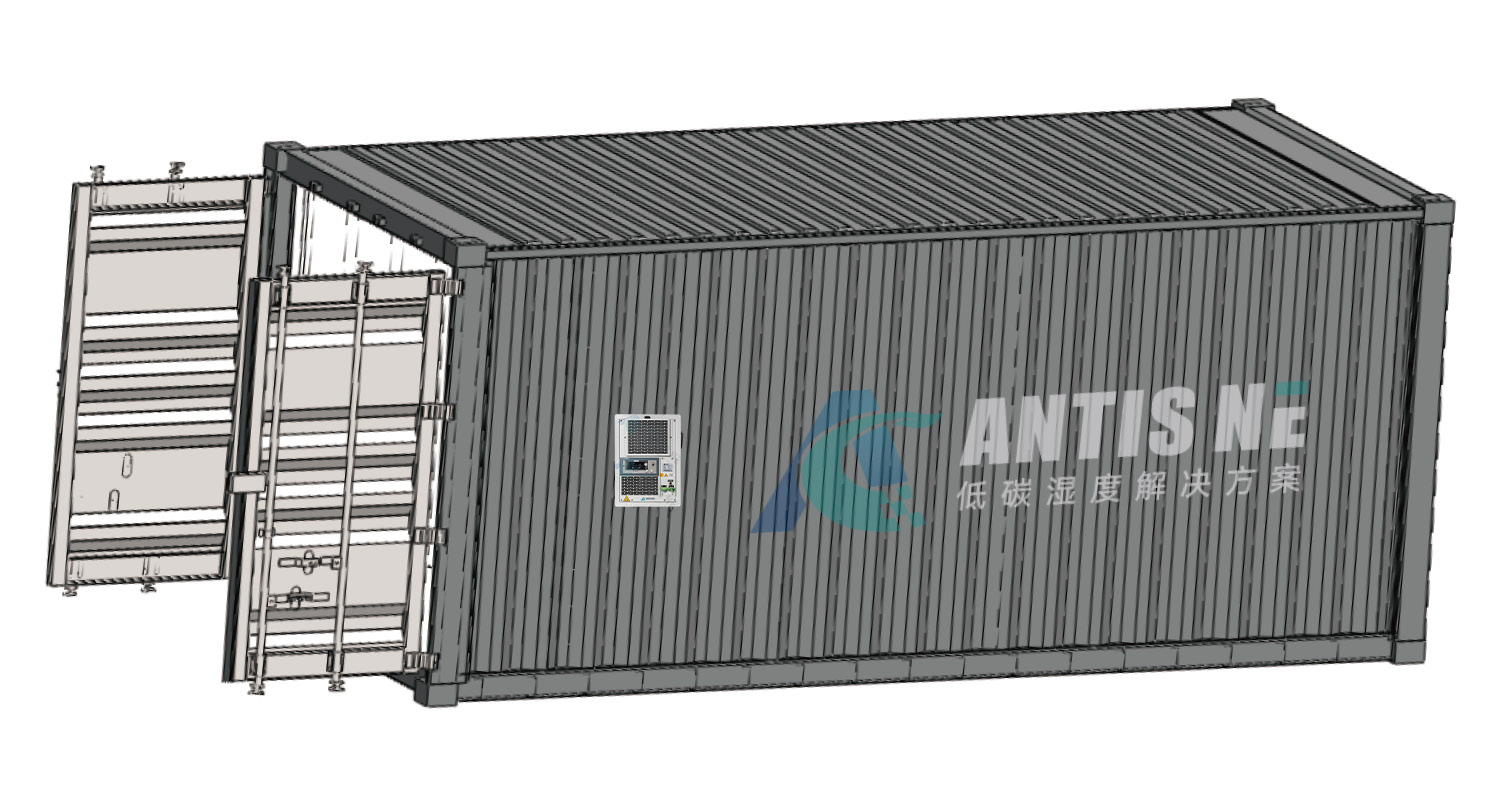
ANTIS / ENERGY
Humidity control for energy storage and electrical environments
Battery energy storage, electrical cabinets, switchgear, and enclosed technical environments.
Explore Energy Applications →WHY CONDITIONS MATTER
Where humidity becomes an engineering problem
A dehumidifier that looks right on a data sheet can still fail on site. These are the three problems we design against.
Condensation Risk
Moisture can collect on surfaces and components when air conditions move across the dew point.
Operating Stability
Applications with tighter limits need consistent control across changing loads, not only nominal capacity on a data sheet.
Project Constraints
Power, drainage, controls, maintenance access, airflow, and available space determine which equipment and configuration are suitable.
PRODUCT FAMILIES & TECHNOLOGIES
Our product range
Our product range includes refrigerant dehumidifiers, ceiling-mounted units, desiccant rotor systems, ultrasonic humidifiers, and compact equipment for energy-storage and electrical environments.
01
Industrial Dehumidification
Equipment for manufacturing, storage, agricultural, and technical environments that require dependable moisture removal.
Explore products → 02Low Dew Point and Desiccant
Desiccant-based equipment for lower-temperature or lower-humidity applications where refrigerant systems may not provide the required conditions.
Explore products → 03Application-Specific Equipment
Ceiling-mounted, compact, cabinet, and humidification products for projects with specific installation or environmental requirements.
Explore products →Compare equipment routes: refrigerant vs desiccant rotor vs ultrasonic →
ENGINEERING & CO-DEVELOPMENT
From your conditions to the right model
Clarify the operating environment
Review humidity targets and constraints
Narrow the equipment options
Confirm the next engineering or quotation step
Project preparation and resources
HOW TO PREPARE A PROJECT REQUIREMENT
How to prepare a project requirement in three steps
The same sequence applies to agriculture and energy projects.
- Step 1: Define the protected environment
Describe the facility, enclosure, crop, process, or equipment that the humidity condition must protect, including size and layout where available.
- Step 2: State the operating conditions
List current temperature and humidity, target conditions, moisture sources, and the operating cycle, including % RH targets where the project defines them.
- Step 3: Confirm interfaces and constraints
Record available space, airflow, power, drainage, control, and service access so the equipment discussion starts from real installation limits.
PROJECT EVIDENCE
Continue your evaluation with project records and technical guidance
NEXT STEP
Prepare the operating conditions that define the project
Application, temperature range, current humidity, target conditions, available space, power, airflow, drainage, and control requirements provide a useful starting point.
MANUFACTURING & VALIDATION
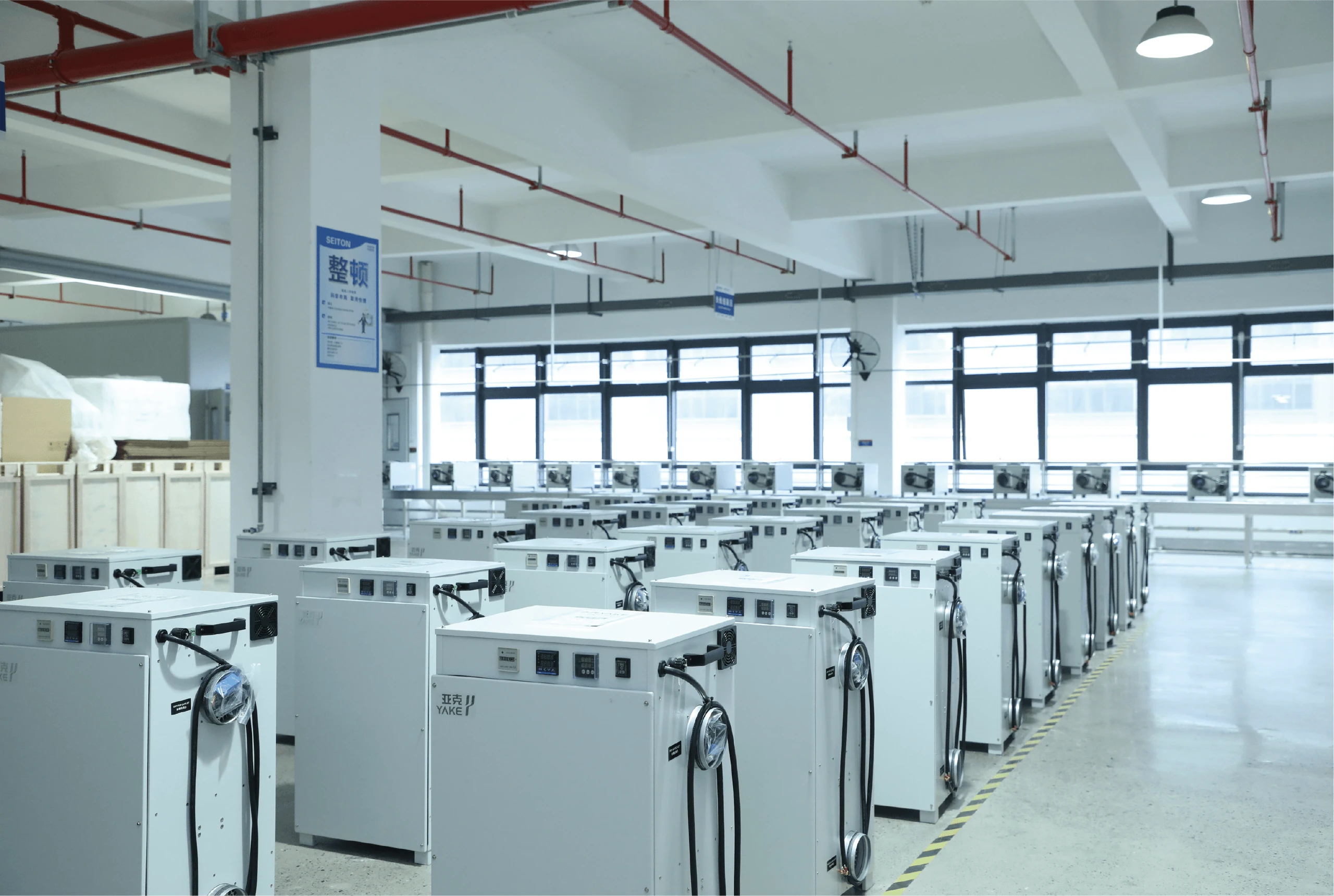
Built and tested in our own factory
Manufacturing, assembly, component selection, testing, and project documentation all influence whether a selected configuration can be manufactured and delivered consistently. Performance testing is backed by national-level laboratory capability.
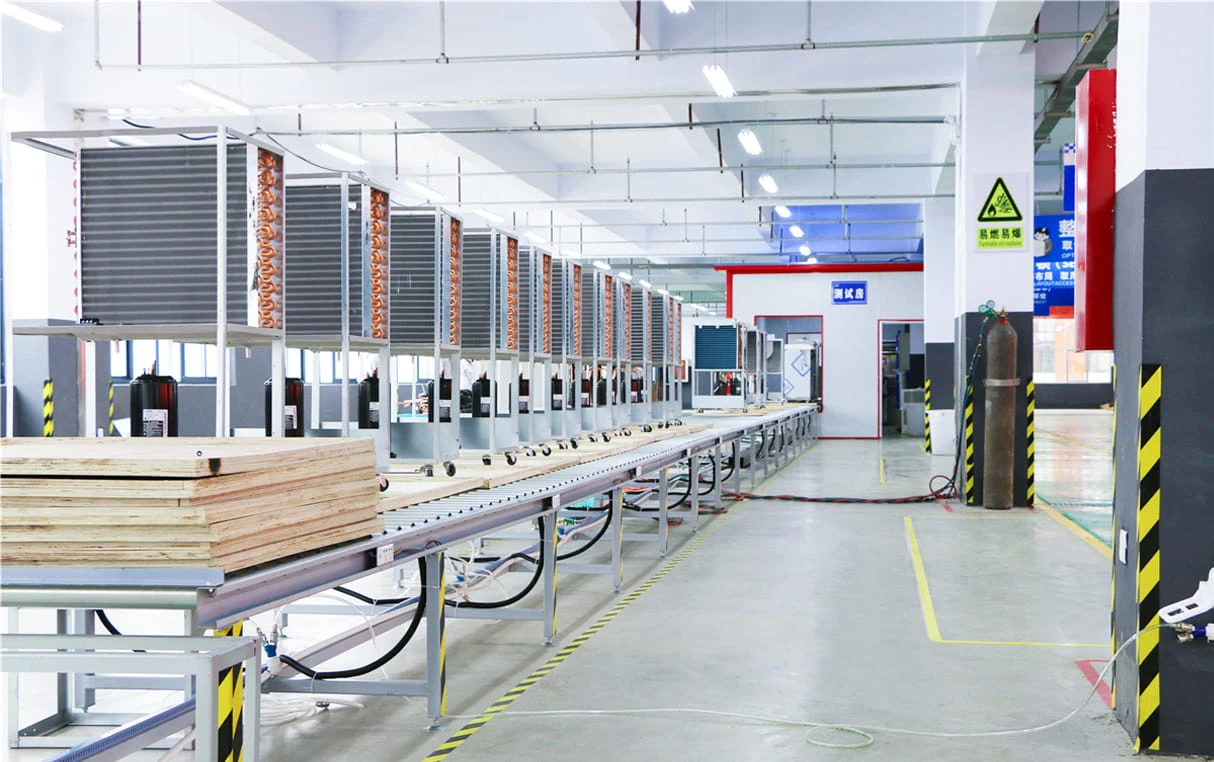
COMPANY FILM
Inside Yakeclimate: Engineering and Manufacturing
See the manufacturing base, engineering work, production process, equipment assembly, and testing behind Yakeclimate industrial dehumidification equipment.
Watch on YouTubeFAQ
Frequently Asked Questions
How is dehumidification capacity rated?
Rated capacity follows the product specification table published for each model, for example L/day measured at 30°C/80% RH. The rated value describes performance under defined test conditions and should be compared with the real temperature, humidity target, airflow, and installation limits of the project.
Which industries do you focus on?
The two focus industries are agriculture and controlled environments, and energy storage and electrical environments. Projects outside these two areas are reviewed through the same engineering, manufacturing, and validation process used for the focus industries.
How does a project discussion start?
Share the operating environment, target humidity, moisture sources, available space, power, airflow, and drainage. The engineering team reviews these inputs and confirms the next step — equipment option, sizing work, or a quotation — before any configuration is finalized.
More questions
PROJECT START
Tell us your conditions. We'll recommend a model.
Choose the project type that matches the environment, then share the operating and installation details you have.