
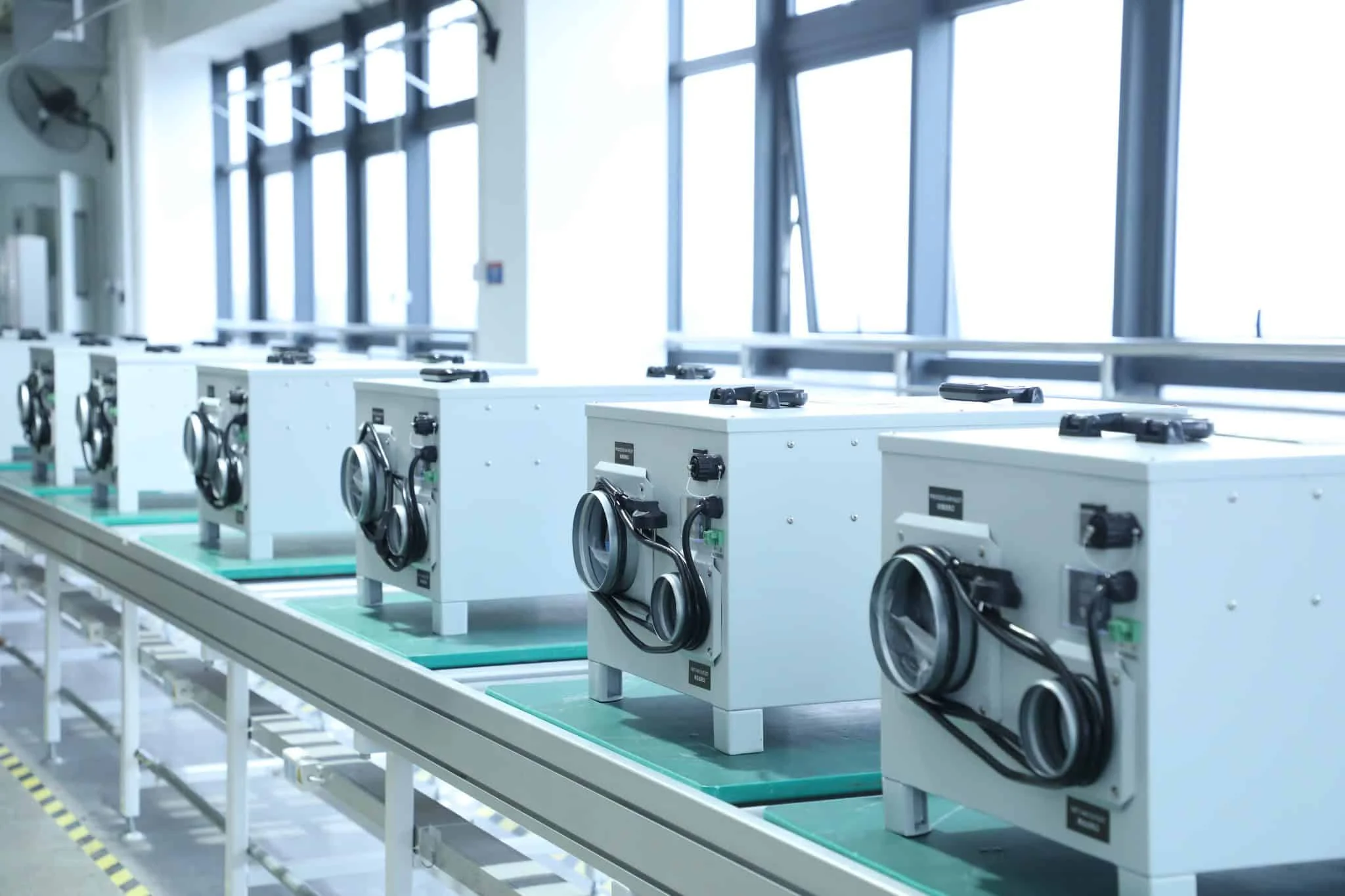
Yakeclimate dehumidification equipment production line

Resources

Practical Information for Humidity-Control Decisions

Find guides, FAQs, product comparisons, application notes, and project checklists for agriculture, energy, electrical, and industrial environments.

Use these resources to clarify the conditions behind a requirement, compare equipment options, and prepare a more focused technical discussion.

RESOURCES / 01
Technical content should support a real equipment decision. Use these resources to compare equipment options and prepare for a technical discussion.

PRODUCT SELECTION RESOURCES

Compare equipment with the conditions that determine performance

Product-selection resources explain how technology differences relate to temperature, humidity targets, airflow, installation, utilities, and project constraints.

Explore Product Selection Guides
  1. Refrigerant vs. desiccant dehumidification
  2. When low-temperature operation changes equipment selection
  3. How to prepare humidity and moisture-load information
  4. Ceiling installation, airflow, access, and drainage
  5. Humidity control for cabinets and enclosed electrical spaces
  6. Water quality and control requirements for ultrasonic humidification

PREPARE A PROJECT REQUIREMENT

Collect the information that makes a technical discussion useful

If some values are unknown, share the information you already have. The remaining questions can be identified during the initial review.

  1. Application and project location
  2. Space, enclosure, or process dimensions
  3. Temperature and humidity range
  4. Target humidity or dew point
  5. Moisture sources, airflow, and ventilation
  6. Installation position, power, and drainage
  7. Controls, alarms, and communication needs
  8. Quantity, schedule, and destination market

FEATURED & RECENT RESOURCES

Continue from the topic or application most relevant to your work

Each article links to related applications, product families, project evidence, and contact options so the next step remains easy to find.

Indoor Farming: Techniques, Benefits, and Challenges Explained
Agriculture & Controlled Environments

Indoor Farming: Techniques, Benefits, and Challenges Explained

Indoor farming is cultivating plants in sealed rooms where light, water, and air are all controlled. The majority of cultivators leverage hydroponics, LED lighting, and climate equipment to maintain plant health.

How to Properly Install a Crawl Space Vapor Barrier for Moisture Control
Commercial & Building Moisture Control

How to Properly Install a Crawl Space Vapor Barrier for Moisture Control

Crawl space vapor barrier installation involves covering the ground and sometimes walls of a crawl space with a plastic sheet to prevent moisture intrusion. For houses and buildings, a vapor barrier prevents mold, wood rot and bad air that emanate from moist crawl spaces.

Controlled Environment Agriculture Technologies and Applications
Agriculture & Controlled Environments

Controlled Environment Agriculture Technologies and Applications

Controlled Environment Agriculture (CEA) encompasses a variety of techniques that cultivate plants within enclosed spaces where environmental parameters such as temperature, humidity, and lighting are regulated.

How to Grow Moneymaker Tomatoes Indoors
Agriculture & Controlled Environments

How to Grow Moneymaker Tomatoes Indoors

‘Moneymaker’ tomatoes have become synonymous with indoor farming for their consistent production and reliable reputation. This open-pollinated heirloom has been a favorite since the mid-1900s, and it remains top-rated for both home and commercial growers in the U.S.

Indoor Farming Automation: Enhancing Efficiency with Smart Technology
Agriculture & Controlled Environments

Indoor Farming Automation: Enhancing Efficiency with Smart Technology

Indoor farming automation refers to leveraging robotics and advanced technologies to automate the control of light, air, water, and nutrients in indoor grow spaces. American farmers have controls and sensors that assist crops in receiving exactly the right quantity of everything.

Indoor Farming Lighting Solutions
Agriculture & Controlled Environments

Indoor Farming Lighting Solutions

Indoor farming lighting solutions signify providing artificial light to plants grown indoors where sunlight is insufficient or absent. In the US, LED grow lights and high-pressure sodium (HPS) lamps are the preferred options for big indoor farms and vertical setups.

Indoor Farming Technology: Everything You Need to Know
Agriculture & Controlled Environments

Indoor Farming Technology: Everything You Need to Know

Indoor farming technology refers to utilizing technologies to cultivate plants indoors, typically assisted by factors such as LED lights, sensors, and climate control systems.

Indoor Farming Market Trends, Insights & Future Projections 2035
Agriculture & Controlled Environments

Indoor Farming Market Trends, Insights & Future Projections 2035

Indoor farms are reshaping the way food is cultivated and consumed in America. It now represents around 2-3% of the nation’s crop value, and more than 2,000 vertical farms are in operation across the U.S.

Indoor Farming Investment Opportunities: Trends and Insights for 2025
Agriculture & Controlled Environments

Indoor Farming Investment Opportunities: Trends and Insights for 2025

Indoor farming investment opportunities are investments in farms that cultivate plants indoors with advanced technology and equipment. Here in the U.S., this sector continues to expand as more people demand local and consistent produce around the clock.

APPLY THE INFORMATION

Need help applying the information to a real project?

Send the application, operating conditions, target, and installation limits. We can help organize the questions that need to be answered before product selection or engineering review.

Discuss Your Requirement