
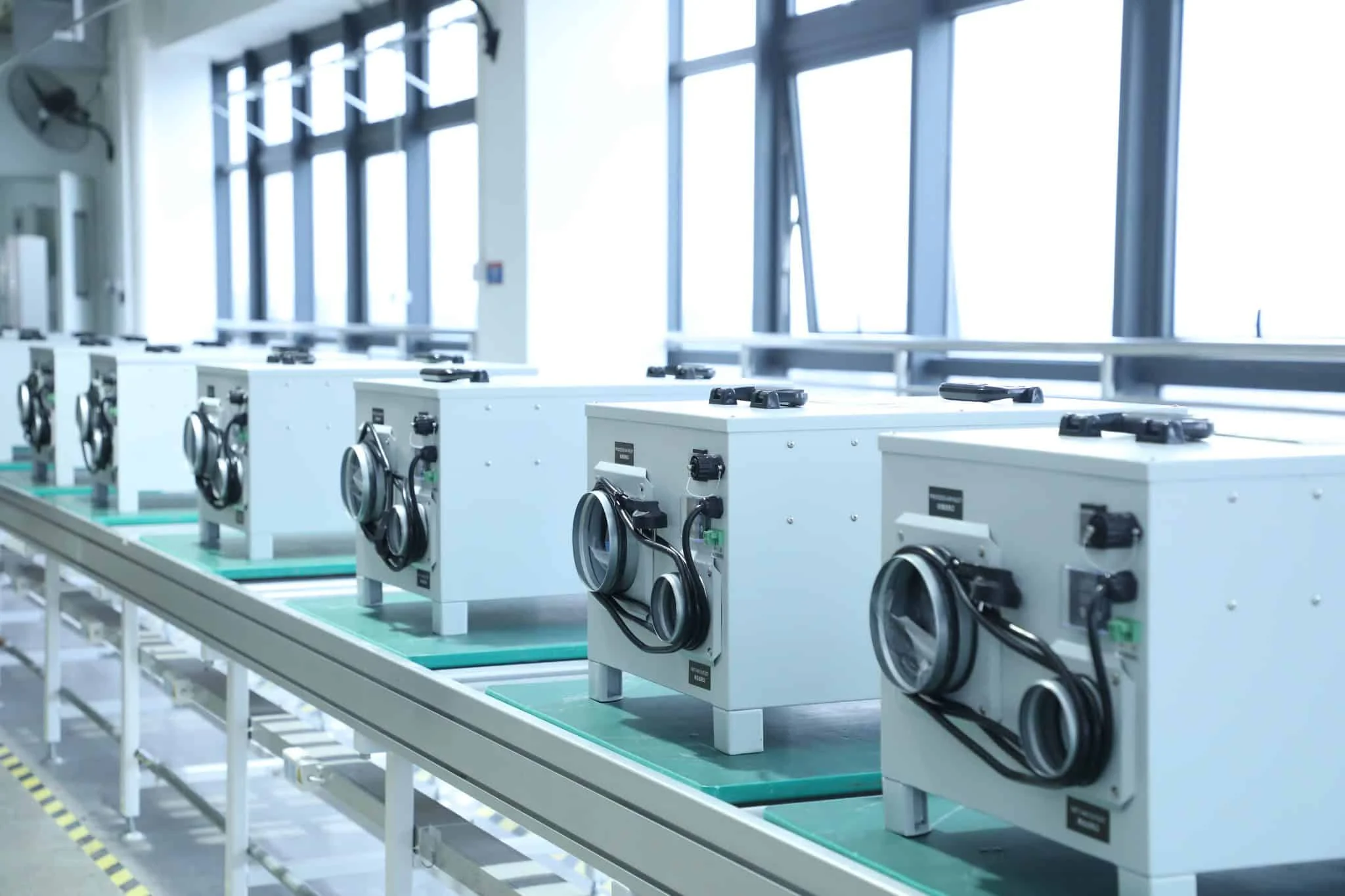
Yakeclimate dehumidification equipment production line

Resources

Practical Information for Humidity-Control Decisions

Find guides, FAQs, product comparisons, application notes, and project checklists for agriculture, energy, electrical, and industrial environments.

Use these resources to clarify the conditions behind a requirement, compare equipment options, and prepare a more focused technical discussion.

RESOURCES / 01
Technical content should support a real equipment decision. Use these resources to compare equipment options and prepare for a technical discussion.

PRODUCT SELECTION RESOURCES

Compare equipment with the conditions that determine performance

Product-selection resources explain how technology differences relate to temperature, humidity targets, airflow, installation, utilities, and project constraints.

Explore Product Selection Guides
  1. Refrigerant vs. desiccant dehumidification
  2. When low-temperature operation changes equipment selection
  3. How to prepare humidity and moisture-load information
  4. Ceiling installation, airflow, access, and drainage
  5. Humidity control for cabinets and enclosed electrical spaces
  6. Water quality and control requirements for ultrasonic humidification

PREPARE A PROJECT REQUIREMENT

Collect the information that makes a technical discussion useful

If some values are unknown, share the information you already have. The remaining questions can be identified during the initial review.

  1. Application and project location
  2. Space, enclosure, or process dimensions
  3. Temperature and humidity range
  4. Target humidity or dew point
  5. Moisture sources, airflow, and ventilation
  6. Installation position, power, and drainage
  7. Controls, alarms, and communication needs
  8. Quantity, schedule, and destination market

FEATURED & RECENT RESOURCES

Continue from the topic or application most relevant to your work

Each article links to related applications, product families, project evidence, and contact options so the next step remains easy to find.

R290 refrigerant
Industrial Dehumidification

Comparing Refrigerants for Dehumidifiers: R290 vs R410

Refrigerants are essential components of dehumidifiers, serving as the working fluids or coolants that enable these devices to remove excess moisture from the air. These specialized substances play a crucial role in the overall performance and efficiency of dehumidifiers.

commercial dehumidifiers
Commercial & Building Moisture Control

Choosing the Right Commercial Portable Dehumidifier: Capacity and Coverage

When it comes to selecting a commercial portable dehumidifier, it’s crucial to understand the importance of capacity and coverage area. A commercial dehumidifier is specifically designed for larger spaces, such as warehouses, offices, or manufacturing facilities.

ceiling dehumidifier
Industrial Dehumidification

The Ultimate Guide to Commercial Ceiling Dehumidifiers

Commercial ceiling dehumidifiers are the units specially designed to remove excess moisture from the air in large spaces such as warehouses, manufacturing facilities, gymnasiums, indoor swimming pools, greenhouse and some commercial places like church,restaurant .

indoor air quality
Humidification & Air Quality

Enhancing Indoor Air Quality and Comfort with Commercial Dehumidifiers

There are a range of factors affecting indoor air quality, among which moisture is a key element that will give rise to a host of problems if it’s in the high level. Therefore, it’s necessary to control indoor humidity to help improve indoor air quality and comfort.

R290 refrigerant
Industrial Dehumidification

Comparing the Dehumidifier’s Refrigerants: R290 vs. R410a

In recent years, to alleviate the impact on the ozone layer and climate change,a growing emphasis is laid on the using of environmentally friendly refrigerants ,among which R290 and R410a are mostly commonly used .

commercial dehumidifiers
Industrial Dehumidification

The Ultimate Guide to Maintaining Commercial Dehumidifiers

Excess humidity can lead to a host of problems, including mold growth, musty odors, structural damage, and health issues. A well-maintained dehumidifier helps mitigate these risks by removing excess moisture from the air.

10 Steps Maximizing Energy Efficiency in Commercial Portable Dehumidifiers
Industrial Dehumidification

10 Steps Maximizing Energy Efficiency in Commercial Portable Dehumidifiers

Although manufacturer provides performance rating like moisture removal capacity and energy consumption, the actual energy efficiency, in terms of kilowatts required to extract and drain a liter of water from the air, can vary due to certain factors, such as:

A building exterior with large metal ventilation ducts, likely part of a Yakeclimate Industrial Dehumidifier system, extends from the wall. A worker in a safety vest appears to be inspecting the dehumidification installation. This setup reflects advanced dehumidification manufacturing by a renowned Commercial Dehumidifier Manufacturer. The area is surrounded by grass and trees under a clear blue sky, highlighting the sustainable setting of this industrial site. Yakeclimate Dehumidification Manufacturing
Industrial Dehumidification

Choosing the Right Desiccant Dehumidifier

Industrial desiccant dehumidifier is an equipment which dehumidify the air by using the adsorption properties of rotating desiccant wheel. It consists of a desiccant wheel, blowers, a heater, filters and etc..

Ceiling Dehumidifier Manufacturer
Commercial & Building Moisture Control

Ceiling Dehumidifiers for Various Applications

Humid air in the indoor environment is drawn into the ceiling dehumidifier and passed through the evaporator. The moisture in the air touches the cold surface of the evaporator, causing it to condense into water and drip into the water tray.

APPLY THE INFORMATION

Need help applying the information to a real project?

Send the application, operating conditions, target, and installation limits. We can help organize the questions that need to be answered before product selection or engineering review.

Discuss Your Requirement