
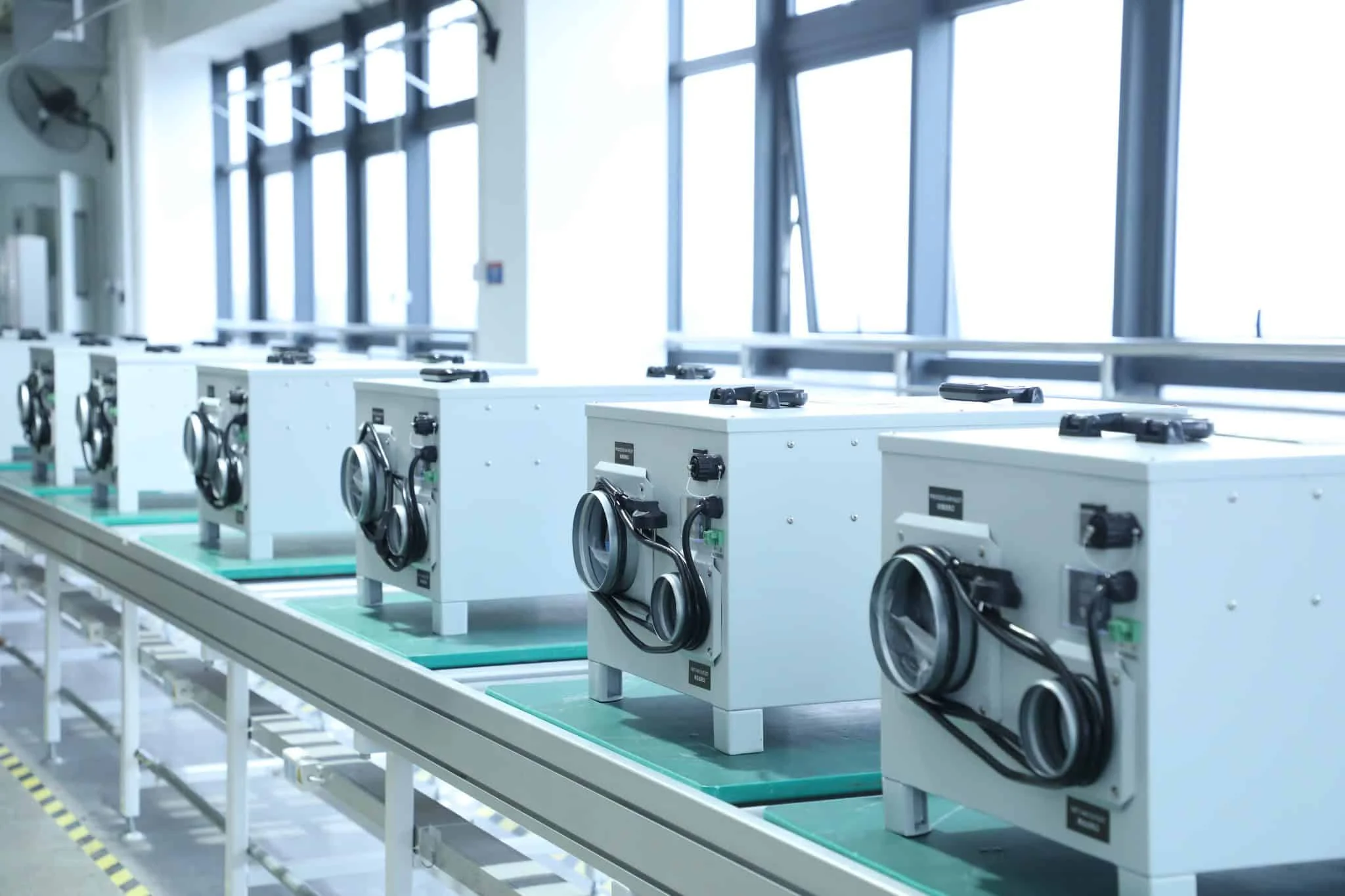
Yakeclimate dehumidification equipment production line

Resources

Practical Information for Humidity-Control Decisions

Find guides, FAQs, product comparisons, application notes, and project checklists for agriculture, energy, electrical, and industrial environments.

Use these resources to clarify the conditions behind a requirement, compare equipment options, and prepare a more focused technical discussion.

RESOURCES / 01
Technical content should support a real equipment decision. Use these resources to compare equipment options and prepare for a technical discussion.

PRODUCT SELECTION RESOURCES

Compare equipment with the conditions that determine performance

Product-selection resources explain how technology differences relate to temperature, humidity targets, airflow, installation, utilities, and project constraints.

Explore Product Selection Guides
  1. Refrigerant vs. desiccant dehumidification
  2. When low-temperature operation changes equipment selection
  3. How to prepare humidity and moisture-load information
  4. Ceiling installation, airflow, access, and drainage
  5. Humidity control for cabinets and enclosed electrical spaces
  6. Water quality and control requirements for ultrasonic humidification

PREPARE A PROJECT REQUIREMENT

Collect the information that makes a technical discussion useful

If some values are unknown, share the information you already have. The remaining questions can be identified during the initial review.

  1. Application and project location
  2. Space, enclosure, or process dimensions
  3. Temperature and humidity range
  4. Target humidity or dew point
  5. Moisture sources, airflow, and ventilation
  6. Installation position, power, and drainage
  7. Controls, alarms, and communication needs
  8. Quantity, schedule, and destination market

FEATURED & RECENT RESOURCES

Continue from the topic or application most relevant to your work

Each article links to related applications, product families, project evidence, and contact options so the next step remains easy to find.

The 5 Major CHALLENGES of Indoor Farming and How to Overcome Them
Agriculture & Controlled Environments

The 5 Major CHALLENGES of Indoor Farming and How to Overcome Them

Indoor farming challenges are the obstacles to grow crops indoors. Light control, air flow, and maintaining proper humidity are all major components. Issues such as mold, poor crop health, and high energy bills can bog down advancements.

Crops Ideal for Vertical Farming Systems: What to Grow?
Agriculture & Controlled Environments

Crops Ideal for Vertical Farming Systems: What to Grow?

Vertical farming crops are crops cultivated in vertically stacked layers or vertically inclined surfaces within controlled indoor environments, typically through hydroponics or aeroponics.

Hydroponic Gardening Kits for Beginners
Agriculture & Controlled Environments

Hydroponic Gardening Kits for Beginners

Hydroponic farming kits are sets with all the tools and supplies needed for growing plants in water without soil. They include such things as grow trays, water pumps, nutrients and LED lights. A lot of people in the U.S.

Vertical Farming Equipment Guide
Agriculture & Controlled Environments

Vertical Farming Equipment Guide

Vertical farming equipment refers to the technologies designed to cultivate plants in vertically stacked layers within enclosed environments. These environments utilize components such as LED grow lights, hydroponic trays, and precise climate controls for consistent nutrition.

Water Management Techniques for Indoor Farming
Agriculture & Controlled Environments

Water Management Techniques for Indoor Farming

Indoor farming water management refers to the use of technologies and practices to optimize water in indoor farms. U.S. Indoor growers rely on drip lines, sensors and recirculating systems to maintain optimal soil moisture and humidity for greens, herbs and tomatoes.

Hydroponic Farming Supplies Store
Agriculture & Controlled Environments

Hydroponic Farming Supplies Store

Hydroponic farming supplies are the instruments, equipment, and starter packs required to establish and operate a farm without soil. Typical supplies are nutrient tanks, pH meters, growing trays, water pumps, lights and net pots.

Indoor Farming: A Sustainable Approach to Agriculture
Agriculture & Controlled Environments

Indoor Farming: A Sustainable Approach to Agriculture

Indoor farming sustainability refers to cultivating food indoors while minimizing waste, conserving water, and reducing energy expenses. With intelligent controls of light, air and water, these farms in cities reduce their carbon footprint.

Indoor Farming Education | Courses and Certifications
Agriculture & Controlled Environments

Indoor Farming Education | Courses and Certifications

Indoor farming education programs provide individuals with the expertise to manage and optimize indoor farms. They include lessons on plant science, climate control, and lighting and water systems in hydroponics and vertical systems.

Vertical Farming Innovations: Transforming Agriculture for a Sustainable Future
Agriculture & Controlled Environments

Vertical Farming Innovations: Transforming Agriculture for a Sustainable Future

Vertical farming innovations refers to innovations in the science and business of growing crops in vertically-stacked layers indoors. In the U.S., it leverages LED lighting, smart sensors, and climate control to enable crops to thrive year-round, regardless of how it is outside.

APPLY THE INFORMATION

Need help applying the information to a real project?

Send the application, operating conditions, target, and installation limits. We can help organize the questions that need to be answered before product selection or engineering review.

Discuss Your Requirement