
Building 34, No. 535 Shunfeng Road, Hangzhou, Zhejiang, China
[email protected]


Controlled Environment Agriculture (CEA) encompasses a variety of techniques that cultivate plants within enclosed spaces where environmental parameters such as temperature, humidity, and lighting are regulated. These systems allow farmers to make decisions like every day is the prime day of the season, minimize loss, and apply less pesticides. In the U.S., the mushroom sector is the biggest segment of CEA by facility size and value, but others are rapidly gaining. Here are the principal classes of CEA, each with its own strengths and challenges.

Hydroponics is to grow plants without soil, in water containing rich nutrients. The roots rest in this solution, which means plants absorb what they require more rapidly and accurately. This technique reduces water consumption by as much as 90% relative to soil, and produce such as leafy greens and herbs have a fast time to maturity.
There are systems like the nutrient film technique (NFT), in which a thin film of water passes by the roots, and drip systems that apply tiny quantities of water directly where needed. Both are favorites among commercial growers and scale well in urban spaces, from compact greenhouses to massive warehouses. Hydroponics is scalable, but the initial investment and requirement for robust systems is a significant hurdle.
Aeroponics suspends plants in the air and spritzes roots with a nutrient mist. This configuration requires less water than hydroponics and squeezes more plants into less space.
It’s most commonly used for high-value crops, such as specialty herbs and strawberries, in which control and speed are of paramount importance. Aeroponics requires sophisticated equipment—delicate nozzles, pumps, and sensors—to function properly, which can render it costly and complicated to manage.
Aquaponics couples fish tanks to beds of plants in a closed loop. Fish poo nourishes the plants, and the plants purify the water for the fish. This technique conserves water and recovers nutrients, which aligns well with sustainable agriculture. It’s used in micro urban farms or large scale commercial operations.
Balancing fish health and plant needs is tricky, and water quality has to be monitored carefully. Though a few thriving projects in U.S. Cities demonstrate aquaponics can increase local food and reduce transportation miles, these systems require precise management and continual know-how.
Vertical farming layers crops — usually under LED lights — to maximize plants-per-square-foot. It’s great in urban areas, bringing fresh food near people’s homes. These farms can grow all year, with ideal humidity and temperature, but less land and fewer chemicals.
Tech plays a big role—automation, sensors, and Yakeclimate’s dehumidifiers help keep things in balance. The biggest hurdles are high startup and energy use, but lighting and climate control innovations are increasing the feasibility of vertical farms for U.S. Growers annually.
Controlled environment agriculture (CEA) relies on a powerful technological backbone to keep crops healthy and operations humming. This backbone mixes hardware, software and networks, allowing growers to align plant demands to precise circumstances. We use new tools such as AI, robotics, and data systems to meet rising food demands while conserving energy and resources.
Smart sensors are the eyes and ears of a CEA setup. They monitor air temperature, humidity, CO₂, light and soil moisture every second. This live stream of data allows growers to identify minor changes quickly and remedy them before they impact crops.
With real-time updates, growers can rapidly react, adjusting lights, fans or watering. This reduces waste and increases plant vigor. For instance, controlling humidity helps prevent mold in lettuce and cannabis grow rooms. Smart sensors simplify this significantly, providing both time and cost savings.
Sensors provide assist in following tendencies over days or months. By examining these patterns, operators can best calibrate their systems each season. As sensors continue to get cheaper and smarter, anticipate even better control with less effort.
CEA operations rely on automation to accelerate work that previously required many hands. Systems now manage climate control, watering and nutrient mixing with minimal human assistance.
Robots can plant, trim leaves, or pick. This results in fewer errors and less burnout on employees. Hours-long tasks now complete in minutes, freeing people to concentrate on more challenging work.
With less hands required, payroll expenses decreases. Automation even maintains work overnight or during weekends. Crop batches emerge more uniform, aiding compliance with tight quality standards for supermarkets or medicinal delivery.
Artificial intelligence (AI) ingests all the sensor data and assists cultivators in making sense of it. AI models can detect what conditions produce the highest yields for tomatoes, strawberries, or greens.
AI can predict how much water, light or plant food will be required next week. This prevents abuse and maintains low bills. Farmers utilize AI dashboards to organize harvests, detect disease in its initial stage, and respond to market fluctuations.
AI cuts water use by 30 percent while maintaining yields, in one U.S. Tomato farm. Deep learning and computer vision assist robots in locating weeds or detecting ailing plants ahead of humans.
Greenhouses of the future implement new glass types, automated vents, and LED grow lights to reduce energy loss. Double walls retain heat more effectively. Intelligent systems open or shut windows as necessary.
These upgrades assist growers waste less electricity and water, reducing their footprint. Flexible designs allow farms to integrate new technology as it emerges.
Tougher backup networks and servers keep systems humming, even through nasty weather.
CEA provides a means of growing food locally, and all year round, but it has massive energy requirements. Controlling these expenses is the linchpin for indoor farms, particularly as the cost of electricity continues to rise. The right energy strategy can nudge the needle toward winning.
CEA consumes significant energy for lighting, cooling, heating and dehumidifiers. In the U.S. These requirements are far greater than conventional field farming. Power bills can strike 25–40% of operating costs, which rattles the profit model for vertical farms and hydroponic greenhouses.
Expensive energy compresses margins and impedes growth. For new players these bills are frequently the one biggest cost and very few can afford to disregard them. Research finds that it takes roughly the same amount of energy to grow and transport veggies a thousand miles as it does to power a local CEA facility in colder areas. If costs spiral, the local edge vanishes.
CEA’s energy use implies more carbon if it comes from fossil fuels. This bakes in tension to operators to reduce emissions. Energy-smart tech, such as LED lighting and smart sensors, is now a requirement for any company hoping to scale sustainably.
Energy-smart equipment keeps improving and becoming less expensive. Smart controls allow growers to tailor light and climate to plant needs while reducing costs. Renewables—chiefly solar—are being incorporated into new farms, and states provide tax incentives for green investments. Energy management software now helps monitor each watt consumed, identifying savings immediately.
CEA is booming, fueled by consumer pull and climate risk.
Balanced investment in technology and cost control is key.
A two-pronged approach—trader + grower insight—can fashion more robust business models.
Controlled environment agriculture (CEA) sits at the nexus of innovation, sustainability and food security in America. It’s an economy of expensive front-end investment, complicated market dynamics and volatile public policy. Even with these challenges, CEA provides special opportunities for urban food systems, particularly in cases where climate or logistics render local, fresh produce uncommon or costly.
| Category | Typical Range ($ USD) | Notes |
|---|---|---|
| Initial Build-Out (per sq ft) | $75 – $150 | Includes lighting, HVAC, dehumidification, automation |
| Ongoing Annual Costs (per sq ft) | $20 – $50 | Labor, utilities, maintenance, inputs |
| Profit Margins (high-value crops) | 10% – 25% | Varies by crop, market, and scale |
| Payback Period | 4 – 8 years | Dependent on crop selection, market prices, and efficiency |
CEA businesses have intense cost challenges at inception. Build-out expenses for facilities—lighting, HVAC, dehumidifiers, automation—can be steep, frequently ranging $75 to $150 / square foot. There’s ongoing expenses of labor and energy and supplies — which all add up quick. Financing is key – be it loan, private equity, or public incentive schemes. Some projects apply leasing or partnership models to mitigate the cash flow squeeze. Your long-term economic prospects rest on prudent crop choices, energy and efficiency. High-value crops such as specialty lettuce, spinach or raspberries have to be thrown into the mix to lean the scale towards profit.
High-value, perishable crops have the best margins in CEA, for example, typical profit margins hover in the 10–25% range. Urban appetites for fresh, organic, and local food run high, particularly when most supermarket apples are a year old by the time they hit the shelves. Consumers seek shorter food miles and greater freshness, which advantage CEA. The market is trending towards interest in clean, safe and sustainably grown fruits and vegetables. Successful examples—such as indoor farms in Chicago or New York—indicate that, under tight management, CEA can generate both consistent profits and consistent supplies, even when outdoor farming is impractical.
Government policies have a significant impact on CEA growth. Federal and state grants, tax credits and research funding can defray startup costs. The USDA and Department of Energy have rolled out incentive programs for sustainability and energy efficiency that CEA systems tend to be eligible for. Food safety, labeling, and organic certifications will shape the pace of CEA’s growth. Modifications that promote investment in renewable energy or local food infrastructure may render CEA even more sustainable and accessible.
CEA transforms the way cities manage food, optimizing the use of land and water. With vertical farming and hydroponics, CEA integrates into urban life, delivering fresh produce to high-density areas and supporting communities with limited food resources.
Food deserts are urban areas where residents have little access to fresh healthy food. Way too many people there get stuck with junk, processed, or fast food, which leads to obesity or diabetes or other health problems.
CEA assists by cultivating vegetables and greens immediately in the urban environment, within structures or greenhouses. Because these farms operate in every season, they provide a consistent supply throughout the year. Cities like Dubuque demonstrate how localized hydroponic installations can reduce food insecurity and empower consumers.
Cities and organizations can support CEA by providing grants or facilitating access to vacant lots. This assistance enables nascent farms to launch and ensures more access to nourishing food.
CEA farms shorten the distance between food and home, minimizing the farm-to-plate journey. Shorter trips result in reduced delivery expenses, minimized waste, and enhanced freshness of products at retail outlets.
Because the crops don’t have to get shipped super-far, this reduces gasoline consumption and reduces toxic emissions. It’s a win for the air and the wallet. Urban CEA signifies fruits and greens get to stores and homes way faster, so they’re tastier and last longer.
Big fast food chains had once depended on distant fields. Now, with additional urban farming, local source becomes more resilient and less apt to collapse under external issues.
CEA doesn’t only cultivate food, it cultivates education and collaboration. A lot of indoor farms have classes for kids or neighbors — educating on healthy eating or plant life.
Jobs pop up too, from caring for crops to managing light and water systems. All of these jobs pump up the local economy. A lot of city farms consume way less water and land—some reduce by 95%—and contribute by donating tools or produce to the neighborhood.
CEA fires up new tech and greener ideas. The more you join in, the cleaner and more self-reliant your cities become.
Controlled environment agriculture (CEA) has evolved beyond the days of merely harvesting lettuce and spinach. Now you have operators in the U.S. Growing strawberries, tomatoes, peppers, microgreens, culinary herbs and even small fruits like blueberries. CEA enables growers to select crops by market demand, not simply by what the local environment accommodates. With careful regulation of temperature, humidity, lighting and nutrients, farmers can focus on high-value crops that demand top dollar. Indoor-grown tomatoes can be even and spotless, strawberries can be picked all year long, and basil can yield leaves of the same size and flavor. This provides operators an opportunity to cater to chefs, food processors and grocers seeking consistent supply and quality.
Crop diversity in CEA is increasing, but it introduces a new set of challenges. For instance, fruiting crops such as peppers and tomatoes require more light and support than leafy greens. Their longer grow cycles mean higher energy use and more dependence on fine-tuned climate control. This is where humidity management comes in, particularly for crops that are prone to mold or mildew. That’s where a strong dehumidification system, like Yakeclimate’s, comes in big to regulating moisture in the air and preventing crop loss. Increasing crop variety translates to more complicated irrigation and fertigation schedules, as well as hard decisions on what crops to grow for optimal profit and yield.
In spite of these challenges, CEA unlocks new opportunity. Growing herbs, berries and vine crops indoors minimizes the use of pesticides and herbicides, so food is safer and cleaner. Urban CEA sites can deliver fresh produce into otherwise-stressed regions with poor soil or harsh weather. Facility managers can put operations in cities, deserts, or old warehouses — making use of space and reducing the miles food travels. Combined with precision tech and automation in climate, irrigation, and lighting, growers can optimize each stage for every crop. That said, intense tech use carries danger—if systems fall, entire yields can perish. The drive for even more crop types in CEA is the latest iteration of this larger trend. Market headed to $168.7B by 2032, indicating huge demand for improved and expanded CEA crops.
CEA changes the game for growers. Real-time data, reliable gear, and smart setups assist in fine-tuning the right combination for the crops. Whether in the city or out in the sticks, CEA can make greens grow year-round. Way more than just lettuce, people utilize them for herbs, berries and even specialty items. Operating climate equipment, such as quality dehumidifiers, ensures plants remain healthy and prevents mold from even beginning. Energy consumption requires innovation, yet consistent improvements appear year over year. Looking for more yield and less waste? Begin constructing your own or modify your existing installation. For actionable, get in touch with a local CEA collective or talk with reliable providers such as Yakeclimate.


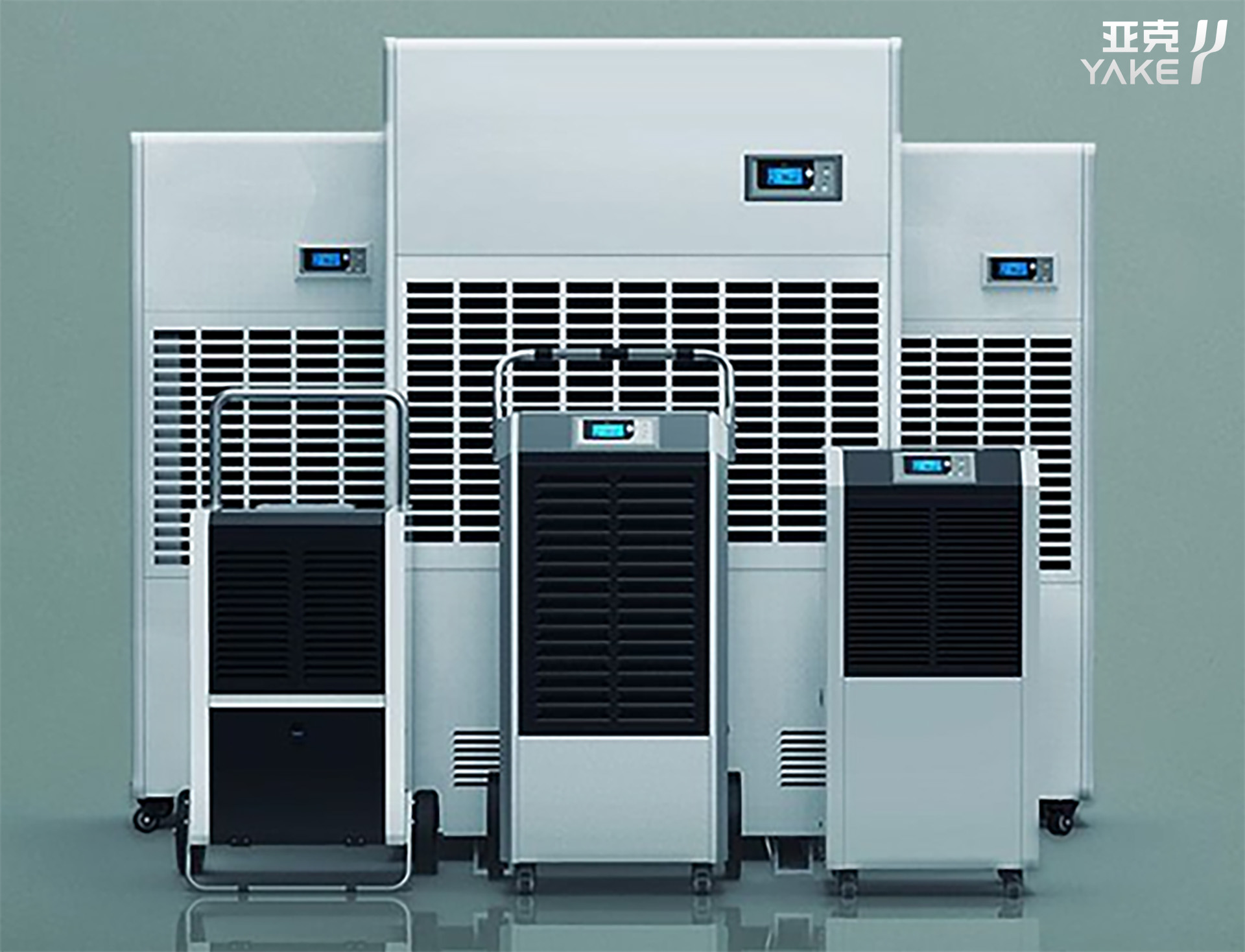
Contact us to find the best place to buy your Yakeclimate solution today!
Our experts have proven solutions to keep your humidity levels in check while keeping your energy costs low.