
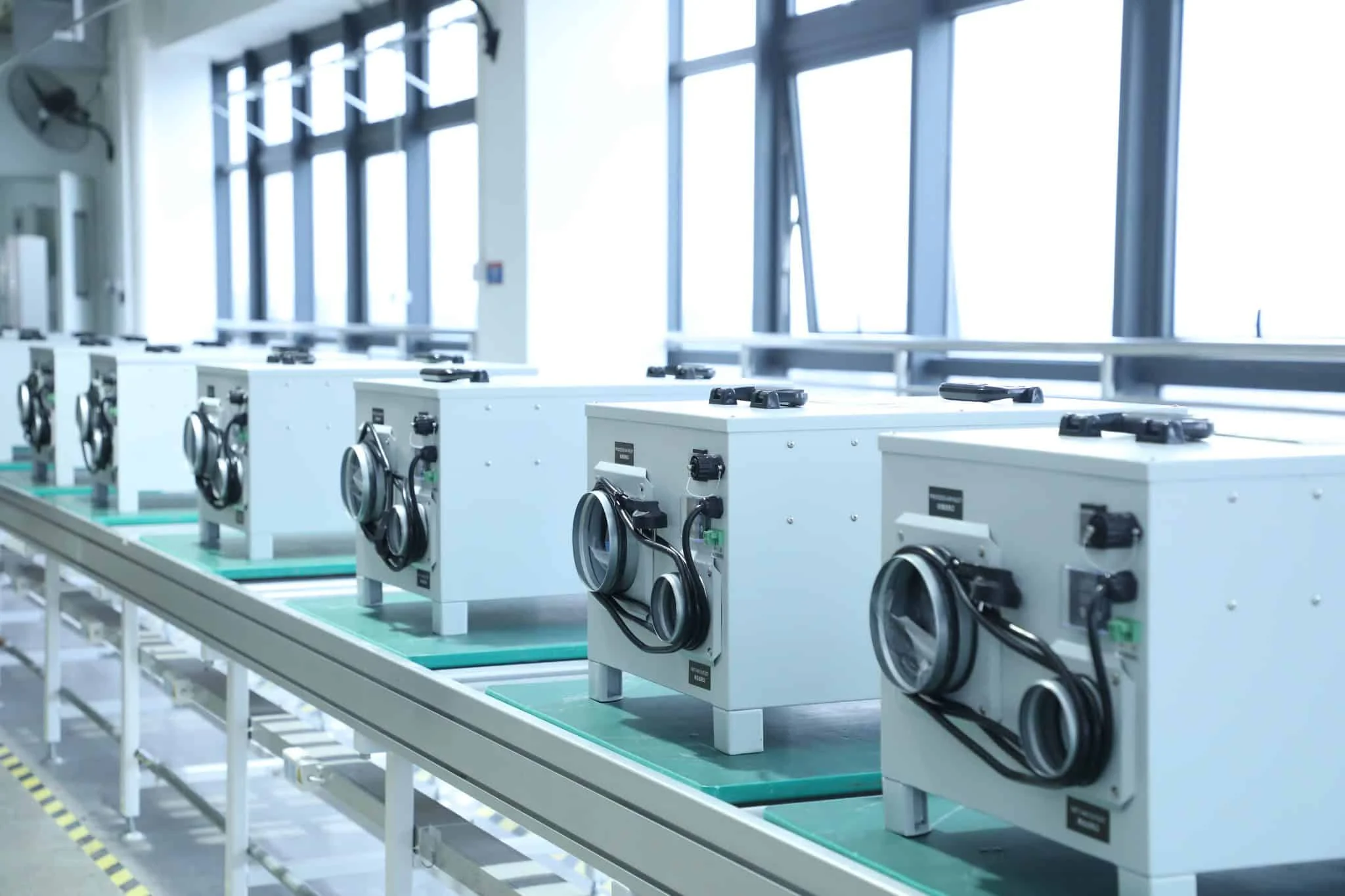
Yakeclimate dehumidification equipment production line

Resources

Practical Information for Humidity-Control Decisions

Find guides, FAQs, product comparisons, application notes, and project checklists for agriculture, energy, electrical, and industrial environments.

Use these resources to clarify the conditions behind a requirement, compare equipment options, and prepare a more focused technical discussion.

RESOURCES / 01
Technical content should support a real equipment decision. Use these resources to compare equipment options and prepare for a technical discussion.

PRODUCT SELECTION RESOURCES

Compare equipment with the conditions that determine performance

Product-selection resources explain how technology differences relate to temperature, humidity targets, airflow, installation, utilities, and project constraints.

Explore Product Selection Guides
  1. Refrigerant vs. desiccant dehumidification
  2. When low-temperature operation changes equipment selection
  3. How to prepare humidity and moisture-load information
  4. Ceiling installation, airflow, access, and drainage
  5. Humidity control for cabinets and enclosed electrical spaces
  6. Water quality and control requirements for ultrasonic humidification

PREPARE A PROJECT REQUIREMENT

Collect the information that makes a technical discussion useful

If some values are unknown, share the information you already have. The remaining questions can be identified during the initial review.

  1. Application and project location
  2. Space, enclosure, or process dimensions
  3. Temperature and humidity range
  4. Target humidity or dew point
  5. Moisture sources, airflow, and ventilation
  6. Installation position, power, and drainage
  7. Controls, alarms, and communication needs
  8. Quantity, schedule, and destination market

FEATURED & RECENT RESOURCES

Continue from the topic or application most relevant to your work

Each article links to related applications, product families, project evidence, and contact options so the next step remains easy to find.

Industrial Freeze-Drying Technology: Principles and Applications
Industrial Dehumidification

Industrial Freeze-Drying Technology: Principles and Applications

Known as industrial freeze-drying technology, it’s a method of drying product at low temperatures by removing water via sublimation. Used in pharmaceuticals, food, biotech and chemicals, it preserves form, flavor and nutrition of products. It saves shelf life and reduces waste.

Industrial Hot Air Dryer Machine – Overview and Applications
Industrial Dehumidification

Industrial Hot Air Dryer Machine – Overview and Applications

Industrial hot air dryer machine dries bulk materials, components or products rapidly with hot air in a confined environment. Major manufacturers employ these dryers to reduce drying times and maintain consistent product quality.

Temperature and Humidity Control Solutions for Incubators
Industrial Dehumidification

Temperature and Humidity Control Solutions for Incubators

Temperature and humidity control for incubators keeps consistent warmth and dampness to assist samples, cells, or items develop properly. Incubators in labs, biotech, and food factories all require this precise control.

Industrial Dehumidifier Hire and Rental Services
Industrial Dehumidification

Industrial Dehumidifier Hire and Rental Services

Industrial dehumidifier hire means renting high-capacity units to fix moisture problems in factories, warehouses, and production lines. We have several mills that rent dehumidifiers when they have shutdowns or leaks.

Greenhouse Climate Control Systems for Optimal Growth
Agriculture & Controlled Environments

Greenhouse Climate Control Systems for Optimal Growth

Climate control systems for greenhouses assist farmers maintain consistent temperature, humidity and moisture for their plants. In the US, for example, most growers use automated fans, heaters and dehumidifiers to control air flow and inhibit mold.

Our Guide to Organic Farming Practices in Agriculture
Agriculture & Controlled Environments

Our Guide to Organic Farming Practices in Agriculture

Agriculture and organic farming help us cultivate food in ways that cooperate with the natural world. Organic farming is used throughout the world to preserve the quality of the land by using natural farm products and techniques.

Aquaponics: An Overview of Sustainable Farming Practices
Agriculture & Controlled Environments

Aquaponics: An Overview of Sustainable Farming Practices

Aquaponics, which combines raising fish and hydroponics in a closed loop system where fish nutrients feed plants and plants filter water for the fish. In the US, growers utilize aquaponics for herbs, lettuce and tilapia.

The 10 Best Indoor Grow Lights, Tested and Reviewed
Agriculture & Controlled Environments

The 10 Best Indoor Grow Lights, Tested and Reviewed

Indoor grow lights are an essential piece of equipment for growers who wish to maintain plant health in locations where sunlight is lacking or insufficient. These lights assist in managing plant growth phases by providing the proper light spectrum, intensity and duration. U.S.

15 Best Hydroponic Crop Varieties for Your Garden
Agriculture & Controlled Environments

15 Best Hydroponic Crop Varieties for Your Garden

Hydroponic crop varieties are types of plants that grow well in soilless systems using water and nutrient solutions. Leafy greens such as lettuce, spinach, and kale are the most common varieties, as they have short cycles and thrive in controlled indoor environments.

APPLY THE INFORMATION

Need help applying the information to a real project?

Send the application, operating conditions, target, and installation limits. We can help organize the questions that need to be answered before product selection or engineering review.

Discuss Your Requirement