
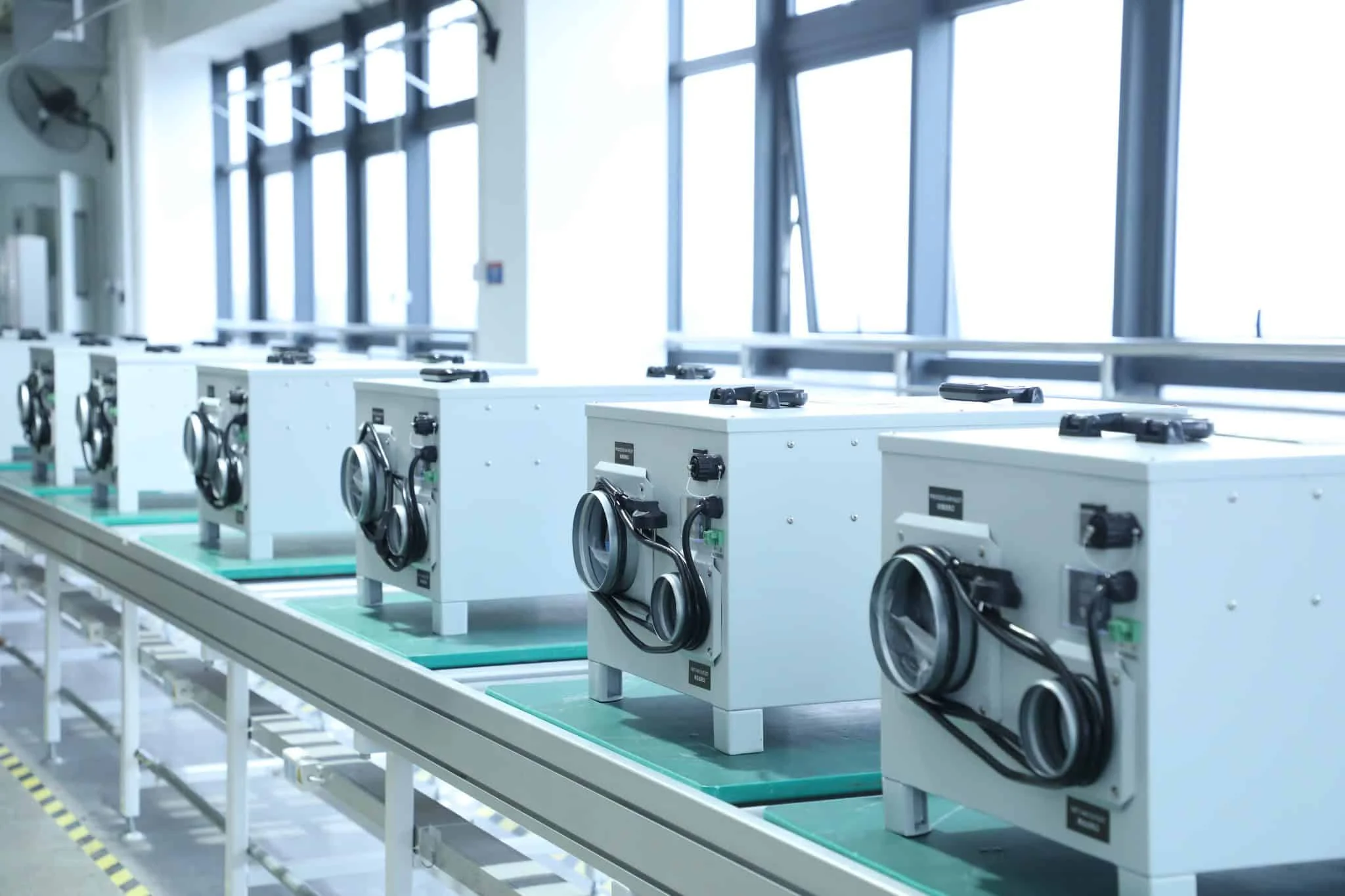
Yakeclimate dehumidification equipment production line

Resources

Practical Information for Humidity-Control Decisions

Find guides, FAQs, product comparisons, application notes, and project checklists for agriculture, energy, electrical, and industrial environments.

Use these resources to clarify the conditions behind a requirement, compare equipment options, and prepare a more focused technical discussion.

RESOURCES / 01
Technical content should support a real equipment decision. Use these resources to compare equipment options and prepare for a technical discussion.

PRODUCT SELECTION RESOURCES

Compare equipment with the conditions that determine performance

Product-selection resources explain how technology differences relate to temperature, humidity targets, airflow, installation, utilities, and project constraints.

Explore Product Selection Guides
  1. Refrigerant vs. desiccant dehumidification
  2. When low-temperature operation changes equipment selection
  3. How to prepare humidity and moisture-load information
  4. Ceiling installation, airflow, access, and drainage
  5. Humidity control for cabinets and enclosed electrical spaces
  6. Water quality and control requirements for ultrasonic humidification

PREPARE A PROJECT REQUIREMENT

Collect the information that makes a technical discussion useful

If some values are unknown, share the information you already have. The remaining questions can be identified during the initial review.

  1. Application and project location
  2. Space, enclosure, or process dimensions
  3. Temperature and humidity range
  4. Target humidity or dew point
  5. Moisture sources, airflow, and ventilation
  6. Installation position, power, and drainage
  7. Controls, alarms, and communication needs
  8. Quantity, schedule, and destination market

FEATURED & RECENT RESOURCES

Continue from the topic or application most relevant to your work

Each article links to related applications, product families, project evidence, and contact options so the next step remains easy to find.

Understanding Humidity Control in Your Air Conditioning System
Industrial Dehumidification

Understanding Humidity Control in Your Air Conditioning System

Humidity control in AC is maintaining a predetermined amount of water vapor in the air when air conditioning. AC units accomplish this by suctioning in air, chilling it and extracting additional moisture to achieve the desired range, typically 40 – 60% relative humidity.

Effective Moisture Removal Techniques for a Healthy Home
Commercial & Building Moisture Control

Effective Moisture Removal Techniques for a Healthy Home

Dehumidification uses condensation, absorption, and adsorption to decrease water vapor in industrial environments. These methods preserve dry air, safeguard products and increase equipment lifespans.

Humidifier Control Systems & Indoor Air Quality
Humidification & Air Quality

Humidifier Control Systems & Indoor Air Quality

Humidifier control systems for automatically establishing and maintaining the proper amount of moisture in the air in large work areas. These use sensors to monitor humidity and transmit commands to adjust output in real time.

Humidity Management Strategies for Optimal Data Center Performance
Industrial Dehumidification

Humidity Management Strategies for Optimal Data Center Performance

To control humidity in a data center, use precise dehumidifiers, HVAC systems with humidity sensors, and tight airflow management. Maintaining consistent humidity will protect your servers from static electricity and prevent corrosion or mold.

Temperature & Humidity Monitoring Solutions
Industrial Dehumidification

Temperature & Humidity Monitoring Solutions

Temperature & humidity monitoring devices monitor air changes in real time for industrial sites. These devices assist plant teams maintain strict control over work areas, storage and production lines.

Relative Humidity Meter – Accurate Measurement & Monitoring
Industrial Dehumidification

Relative Humidity Meter – Accurate Measurement & Monitoring

A relative humidity meter measures the concentration of water vapor in the air as a percentage of the maximum possible at a given temperature. Deployed in factories, labs, and storage rooms, this meter provides real-time information to maintain air at safe levels.

Industrial Carpet Drying Systems – Efficiency & Technology
Industrial Dehumidification

Industrial Carpet Drying Systems – Efficiency & Technology

Industrial carpet drying solutions utilize powerful airflow and regulated heat to dry heavy carpeted areas quickly and safely. These systems prevent mold, protect indoor air quality and reduce downtime in factories, hotels and office buildings.

What Should the Indoor Humidity Level Be in Winter?
Humidification & Air Quality

What Should the Indoor Humidity Level Be in Winter?

Winter indoor humidity levels are below the optimal range for production spaces, typically below 40% relative humidity. Dry air creates static, shrinkage and more dust, endangering quality in electronics, pharmaceuticals and food processing.

APPLY THE INFORMATION

Need help applying the information to a real project?

Send the application, operating conditions, target, and installation limits. We can help organize the questions that need to be answered before product selection or engineering review.

Discuss Your Requirement