
Building 34, No. 535 Shunfeng Road, Hangzhou, Zhejiang, China
[email protected]


Indoor farms are reshaping the way food is cultivated and consumed in America. It now represents around 2-3% of the nation’s crop value, and more than 2,000 vertical farms are in operation across the U.S. Hydroponics dominates the segment, with more than 56% market share in 2023 and the highest growth until 2030. This new harvest is about leveraging technology to tap into local food demand, minimize waste, and foster more sustainable systems.

Intelligent systems are now fundamental to indoor farming. Machine learning and data analytics assist growers in calibrating water, light, and nutrients for every crop, minimizing waste and maximizing yield per square foot. CEA permits precise regulation of humidity and temperature, allowing cultivators to maintain plant vitality in urban warehouses. With vertical stacking, farmers utilize fewer resources like land and water and reduce pests and disease. The upfront cost for these setups is high, so investing in robust, reliable equipment is a big decision. Most invest in climate control gear, such as sophisticated dehumidifiers, to maintain a stable and efficient grow room.
Today’s consumers demand fresh, organic fruit and vegetables. Indoor farms answer with an increasing amount of leafy greens, herbs and even strawberries—all cultivated a stone’s throw away. Nutrition in mind, they harvest crops at peak ripeness to seal in vitamins. Sustainability efforts–closed-loop irrigation, for example–resonate with environmentally conscious consumers. Some farms experiment with new varieties of greens or brightly-hued vegetables to keep menus fresh and bring in diners looking for a little something different.
More grocers and restaurants are looking for local sources. Urban indoor farms reduce shipping miles, which helps keep food fresher and decreases waste. Supermarket partnerships create new sales channels, and stable, year-round crops combat food security. By simplifying transport with local buyers, it reduces expenses and increases freshness from farm to table.
| Investment Area | Opportunity | Expected Outcome |
|---|---|---|
| Vertical Farm Startups | Venture Capital, Grants | More high-tech farms |
| Equipment Upgrades | Tech Partnerships | Higher yields, less resource use |
| Research & Development | Private & Public Investment | New crop varieties, better tech |
| Sustainability Projects | Green Bonds, Incentives | Lower energy, reduced waste |
Government policies now support sustainable agriculture. New provisions offer tax incentives for energy-efficient technology and community gardens. Farmers track changing regulations to remain legal. Collaborating with trade organizations assists farmers lobby for growth-supporting legislation.
US indoor farming has matured fast, yet a lot of operators have encountered genuine barriers to growth. High energy costs, skill shortages, funding gaps and scaling issues continue to be stubborn friction points. Recent failures and bankruptcies demonstrate that even sophisticated tech and massive investments can’t compensate for flabby business models or out-of-control expenses. Solving these pains with pragmatic, evidence-based methods is vital for sustainable industry success.
Electricity is the #1 expense for indoor farms, fueled largely by lighting, HVAC and dehumidification. Most farms have converted to high-efficiency LEDs, now hitting 90% efficiency, with some creeping toward the theoretical limit of 95%. This trims consumption and enables cultivators to optimize light wavelength. Farms employing dynamic light cycles, such as simulating sunrise and sunset or providing plants with night breaks, have reduced energy bills even more and boosted yields. Still, bills add up, so a few farms deploy solar panels or wind turbines that can subsidize grid expenses. Still others measure usage with smart meters and data analytics, identifying opportunities to reduce consumption, such as adjusting temperature setpoints or moving certain loads to off-peak periods. Subsidies and local incentive programs assist, but many cultivators express that these should grow to align with the actual expenses of clean technology improvements.
The indoor ag workforce is evolving. Most of these new hires have no experience with hydroponics, climate tech, or crop analytics. Top operators now collaborate with ag schools or community colleges to develop training programs oriented towards practical indoor farming requirements. Some begin paid internships and mentorships to pass knowledge from experienced growers. It closes skill gaps and drives retention. Marketing positions in data science, robotics and plant science as careers attracts fresh faces. Structured training firms experience fewer mistakes, easier scaling and higher quality product.
Upfront fees lock out many aspiring cultivators. Even with lower-cost LEDs and more efficient climate engineering, starting up a small farm can still cost hundreds of thousands of dollars. To bridge this, operators are exploring new ways to raise money:
Others construct joint ventures with ag tech suppliers, distributing expenses and risk. Some concentrate on business models with a quick payback, such as microgreens or herbs with short growing cycles and high prices.
Scaling introduces fresh pains. Too many companies, too aggressively without a good enough product/market fit has sunk a number of companies. Data and AI can help handle larger-scale operations—monitoring crop health, forecasting demand, and automating labor. Robotics eliminate labor and increase uniformity, but only after the fundamental process works. With new funding now much harder to find—industry investment plummeted almost 75% in 2023—firms require tight cost control and prudent, incremental growth.
Regional innovation hubs are now motoring indoor farm to table growth, nurturing fresh produce where land is scarce and city expansion is rampant. These hubs established close to urban centers, reducing trucking expenses and the accompanying pollution. They leverage local talent, new technology, and close connections among city officials, entrepreneurs and academics. This establishes a robust network for innovative indoor farming, connecting farmers to grow more with less waste.
The northeast has green city plans and a drive for urban farms. Climate control allows these hubs to cultivate greens, herbs and microgreens all year long, even in dense cities like NY and Boston. With less farmland and more people craving local food, growers here employ specialized tech—LEDs, targeted dehumidifiers—to maximize plant vigor and minimize energy use. Large cities signify large demand, therefore growers collaborate with restaurants to provide fresh food quickly. Our CSA’s here that bring in people who want to know their farmer and eat local grown, making indoor farms a true part of urban life.
West Coast leads the pack in clean farming, with lots of tech partners who help test and scale up new indoor systems. Californian and Washington folks desire green products, so farms utilize smart sensors, water recycling, and low-energy lights. These hubs target crop varietals that satisfy local palates, ranging from leafy greens to premium herbs. Tech firms operate alongside farm startups, exchanging ideas and creating more intelligent systems. That green methods emphasis means West Coast hubs are constantly innovating to reduce power consumption and minimize their carbon footprint, setting a standard for the rest of us.
The Sun Belt’s extended warm season offers hubs a fighting chance at large-scale indoor farms that operate year-round. Boomtowns in Texas and Florida crave reliable food, so farms go indoors to circumvent drought or storm boundaries. Regional policies often assist these new farms get up and running with green tech grants or tax breaks. Sun Belt urban farms frequently experiment with innovative growing styles — vertical farms or hydroponics, for instance — to address city needs and keep the food miles down.
Hubs thrive best when local governments, research labs, and business owners collaborate. They exchange fresh concepts and insights to outpace challenges and support more plants flourish inside. When hubs establish incubators, startups receive assistance with testing equipment, optimizing processes and expanding teams. These steps maintain the entire field’s momentum.
Indoor farming in the US now goes way beyond greens. Farmers are capitalizing on a more diverse crop mix, from staple grains to valuable specialty crops. The shift satisfies growing appetite for variety as well as local and sustainable fare. Armed with next-gen climate control and energy-saving innovations, cultivators are able to introduce crops — like strawberries, mushrooms, even pharmaceuticals — to market with greater yields and reduced waste.
Fungi grown indoors offer a sustainable food source, using up to 90% less water than field crops and thriving on recycled plant matter. Fungi like oyster and shiitake mushrooms need less space and can be stacked for high-density yields, with some farms using machine-learning HVAC systems to keep energy use low and growth steady.
Mushrooms provide protein, fiber, vitamins and minerals, helping to satisfy the nutritional needs of health-minded, plant-forward consumers. Indoor farming methods foster cleaner, more consistent crops, without the usual soil pests.
Bringing mushrooms onto more plates requires focused outreach and consumer education. Teaming up with specialty grocers and restaurants, as well as providing transparent nutritional information, goes a long way to developing curiosity and confidence in these offerings.
Cultivating berries inside allows growers greater command over crop cycles, disease and taste. It’s been proven that controlled facilities can produce up to 90 strawberry plants per square meter—dwarfing traditional greenhouses. That means less spoilage and the ability to harvest all year round, particularly as city landlords begin to transform vacant warehouses into vertical farms.
Hydroponic and soilless systems use less water and can optimize nutrients to yield sweeter, firmer fruit. LED lighting can be combined with sunlight to push down energy costs, and farms utilizing 90% less light energy than all-LED farms are now commonplace.
Berries sell as antioxidant-packed, heart-smart fare that health-conscious consumers flock to. By partnering with retailers, farmers can gain prized shelf space and reach local consumers who appreciate freshness and transparency.
Indoor farms can cultivate medicinal plants—such as cannabis, echinacea, and foxglove—with unparalleled accuracy. With carefully controlled lighting, humidity and temperature, that translates into consistent crop quality and ingredient strength.
By partnering with pharmaceutical companies, growers can customize indoor systems to meet stringent standards. This guarantees that each batch remains uniform, from seed to cannabinoid.
They’re exploring for health applications of indoor-grown plants. More research equals more understanding of their medicinal potential and how to expand safe, effective cultivation.
Data driven farms are at the heart of the modern indoor farming revolution in the US. Indoor growers employ real-time monitoring, AI, and automation tools to reduce waste, increase yields, and enable sustainable food production. With the indoor farming market growing at a 13.5% CAGR through 2030, these smart systems have become the baseline for competitiveness and efficiency.
AI is now at the heart of daily indoor farm management. Machine learning models sift through massive volumes of sensor data from IoT devices—monitoring temperature, humidity, light, and even plant stress markers. This allows farmers to catch problems, such as disease risk, before they take hold. AI-powered decision support tools indicate when to tweak water, light or nutrients, keeping plants in prime condition. With these tools, farmers minimize wasted inputs and prevent over-application of energy or water, enabling some to reduce water usage by as much as 95% versus field farms. Resource planning becomes sharper: AI can shift power loads or manage HVAC and dehumidifiers—like those Yakeclimate builds—to keep environments stable without burning excess energy.
Predictive analytics help farms anticipate trends and surprises. By inputting historical crop, market and weather data into sophisticated models, they can help farms time plantings for optimal price and yield. That translates into less down-time and less waste. Systems help lock in supply for urban food chains, reducing transport and spoilage.
Through sharing their predictions models with partners and buyers, farms establish and build trust and even help mitigate supply chain hiccups.
Automation takes care of jobs seed to harvest. Smart irrigation and nutrient systems deliver to crops just what they require, just when they require it. Robotics do the grunt work—like harvesting greens or scanning plants for pests. These systems minimize labor requirements and allow employees to concentrate on premium work. Full-automation setups keep production humming day and night, returning steady yields and speedier problem response.
Automated monitoring tools keep tabs on everything from pH to air flow, saving time and reducing human error.
Real-time sensors and imaging tech monitor plant health and the grow room climate throughout the day. Data streams glug into one dashboard, so managers don’t skip a beat.
More farms now employ drones to scan leaves or spot early signs of mold. Easy smartphone apps allow employees to record information out in the field.
Remote platforms allow specialists to collaborate with farms across the nation.
This data-first approach allows farms to calibrate everything, from light cycles to dehumidifier settings.
The sustainability paradox of indoor and vertical farming presents itself when growers aggressively pursue more local, safe, and fresh food, but encounter difficult questions surrounding energy, waste, and business risk. This push-pull arises from desiring to grow more with less damage, but encountering costs and constraints that may stall advancement or even close farms. As the US indoor farming market matures, the imperative to balance crop yields against their wider impact is more potent than ever.
Productivity and environmental footprint is a balancing act that goes beyond just growing indoors. Energy costs from running lights, pumps and climate systems comprise a huge portion of a farm’s budget. With energy prices spiking, most notably in Europe, a few vertical farms have closed their doors. US growers take this as a caution. Innovations such as circular energy models, solar panels and more efficient LEDs are beginning to contribute, but not all farms are able to deploy them due to expense or site constraints.
Resource consumption is another piece of the puzzle. Farms supplement seedlings with disposable plugs, which cast up as excess. Switching to reusable plugs eliminates this waste and expense, but requires additional foresight. Hydrogels, for water retention, set off alarms because they’re expensive and it’s not obvious how they’ll affect the land in the long term. Clever decisions about materials and repurposing farm waste—such as converting spent substrates into soil for field farms—can assist indoor farms in being less wasteful.
The business side is important as well. Much like other emerging agricultural technologies, numerous vertical farms continue to operate using unproven scalable and profitable models. This is putting more and more pressure on small farms, making it tougher to secure financing, even as the market for local, sustainable food continues to grow. Obviously, there’s a necessity for farm partners, tech providers and investors. Tailored, dependable climate management—as with Yakeclimate’s dehumidifiers—support healthy crops and energy bills alike, proving that tech can support growth and green ambitions.
Sustainable food requires innovation, stewardship, and collaboration. It’s about increasing yields, reducing waste and operating sustainable farms.
Indoor farming continues to gain momentum nationwide. More people are noticing the benefits of year-round harvests, enhanced crop control, and reduced waste. Metropolises such as Chicago and Los Angeles are now dotted with new farms utilizing stacked grow racks, LED lights and smart sensors. Lettuce and herbs got the buzz going, but now strawberries, tomatoes and even mushrooms enter the fray. Farmers encounter old frustrations such as high electricity bills and strict regulations, but emerging technologies and intelligent climate controls assist in mitigating these challenges. Equipping with sharp gear, such as powerful dehumidifiers, maintains crop health and reduces the chances of mold. To get out ahead, growers seek improved tools, more data and consistent partners. Contact us to discover how Yakeclimate can support your efforts in creating the next breakthrough in indoor agriculture.


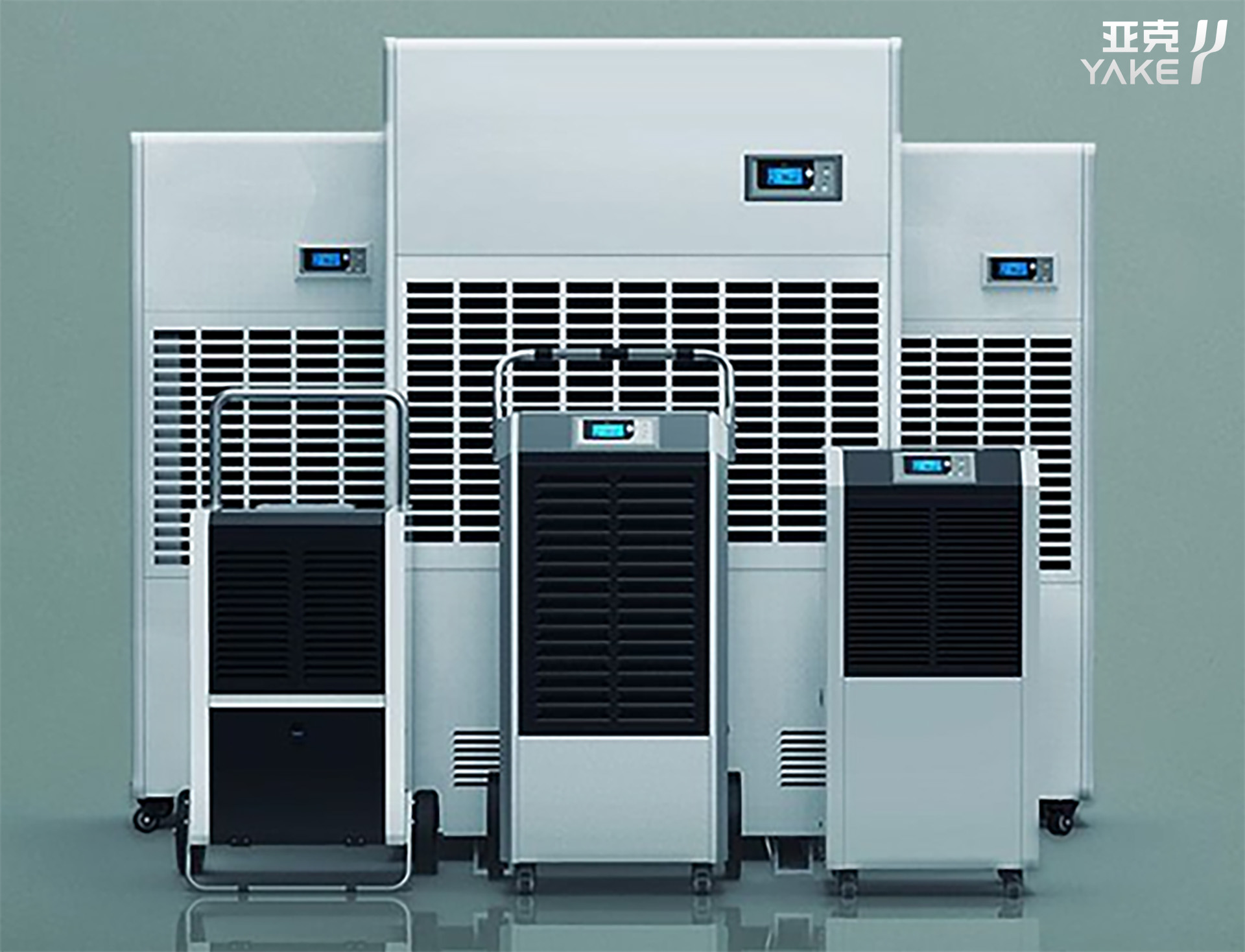
Contact us to find the best place to buy your Yakeclimate solution today!
Our experts have proven solutions to keep your humidity levels in check while keeping your energy costs low.