
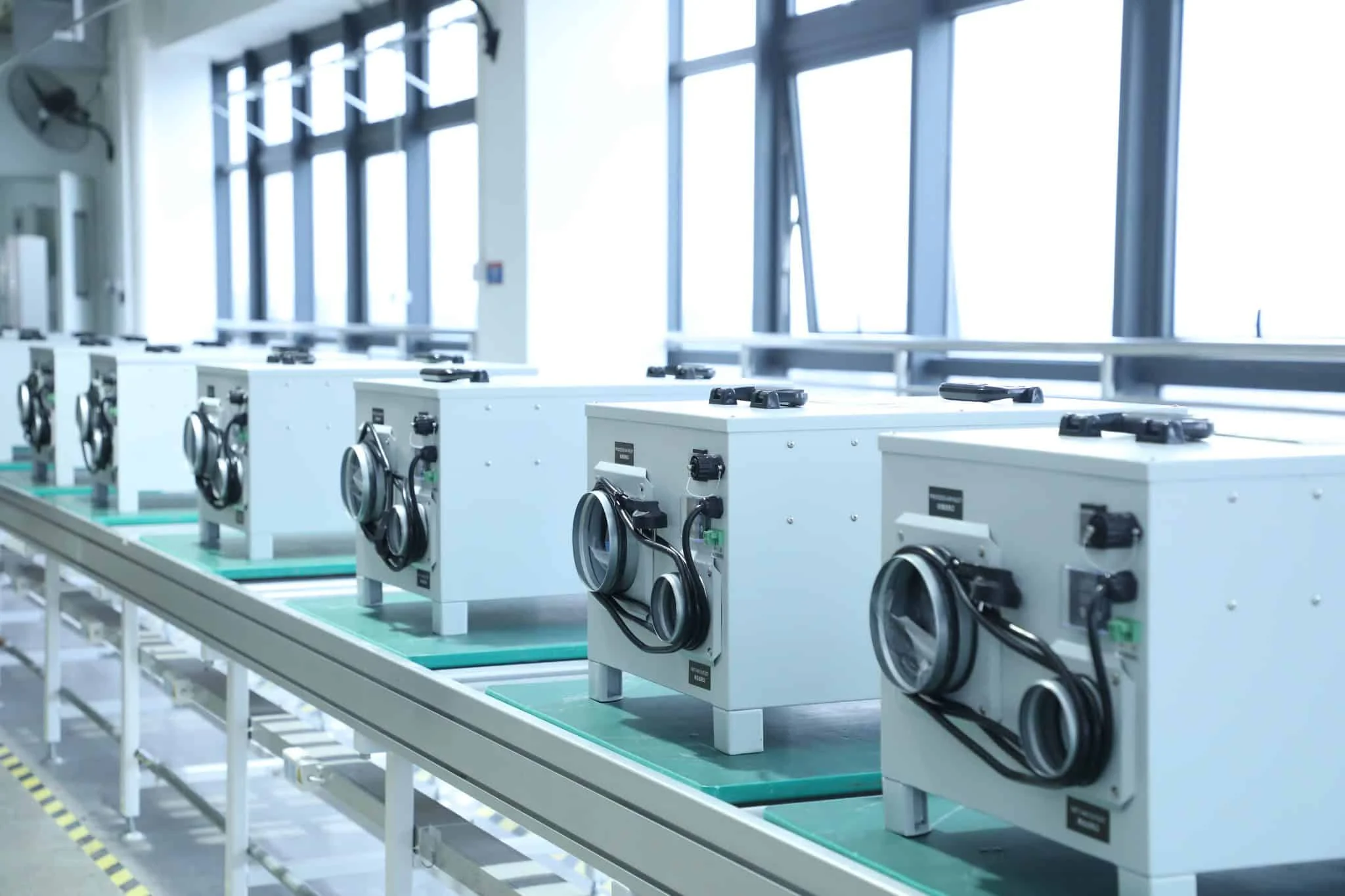
Yakeclimate dehumidification equipment production line

Resources

Practical Information for Humidity-Control Decisions

Find guides, FAQs, product comparisons, application notes, and project checklists for agriculture, energy, electrical, and industrial environments.

Use these resources to clarify the conditions behind a requirement, compare equipment options, and prepare a more focused technical discussion.

RESOURCES / 01
Technical content should support a real equipment decision. Use these resources to compare equipment options and prepare for a technical discussion.

PRODUCT SELECTION RESOURCES

Compare equipment with the conditions that determine performance

Product-selection resources explain how technology differences relate to temperature, humidity targets, airflow, installation, utilities, and project constraints.

Explore Product Selection Guides
  1. Refrigerant vs. desiccant dehumidification
  2. When low-temperature operation changes equipment selection
  3. How to prepare humidity and moisture-load information
  4. Ceiling installation, airflow, access, and drainage
  5. Humidity control for cabinets and enclosed electrical spaces
  6. Water quality and control requirements for ultrasonic humidification

PREPARE A PROJECT REQUIREMENT

Collect the information that makes a technical discussion useful

If some values are unknown, share the information you already have. The remaining questions can be identified during the initial review.

  1. Application and project location
  2. Space, enclosure, or process dimensions
  3. Temperature and humidity range
  4. Target humidity or dew point
  5. Moisture sources, airflow, and ventilation
  6. Installation position, power, and drainage
  7. Controls, alarms, and communication needs
  8. Quantity, schedule, and destination market

FEATURED & RECENT RESOURCES

Continue from the topic or application most relevant to your work

Each article links to related applications, product families, project evidence, and contact options so the next step remains easy to find.

HVAC Air Filtration Systems | Improve Indoor Air Quality
Humidification & Air Quality

HVAC Air Filtration Systems | Improve Indoor Air Quality

Air filtration system hvac refers to the application of filters in heating, ventilation and air conditioning configurations to purify air in work spaces. They trap dust, pollen, smoke and other small particles that can damage equipment or contaminate items.

Industrial Air Movers & Ventilation Equipment
Industrial Dehumidification

Industrial Air Movers & Ventilation Equipment

An air mover industrial is a powerful fan designed to move a massive amount of air through factories, plants and work sites. Ideal for drying floors, accelerating ventilation and clearing fumes, these machines vary in size and form to suit varying work demands.

How to Achieve Perfect Temperature and Humidity in a Grow Tent
Agriculture & Controlled Environments

How to Achieve Perfect Temperature and Humidity in a Grow Tent

Grow tent temperature and humidity control is all about maintaining stable air conditions for your plants to thrive. Proper setup keeps you out of heat stress and mold and slow growth. Good control tools, like fans, heaters, and dehumidifiers, help keep things stable inside tents.

Industrial Ventilation Systems for Food Processing Facilities
Industrial Dehumidification

Industrial Ventilation Systems for Food Processing Facilities

Industrial ventilation systems for food processing are essential to ensuring clean and safe air in manufacturing environments. That’s because they eliminate dust, fumes, and airborne microbes to help keep food products safe and satisfy harsh health codes.

Water Damage Coverage for Renters: What You Need to Know
Commercial & Building Moisture Control

Water Damage Coverage for Renters: What You Need to Know

Water damage coverage for renters provides an avenue to cover losses if water damages items in a rented residence. Basic renters insurance will assist if damage results from abrupt leaks, plumbing bursts, or rain penetration.

Wet Bulb Temperature Calculator
Industrial Dehumidification

Wet Bulb Temperature Calculator

Dry-wet bulb to rh conversion stands for dry and wet bulb measurements to relative humidity. Dry bulb is the air’s actual temperature and wet bulb is lower due to evaporation of water. The difference between these two values is crucial for this computation.

How to Control Humidity Levels in Your Air-Conditioned Room
Industrial Dehumidification

How to Control Humidity Levels in Your Air-Conditioned Room

To control humidity in your AC room, it’s all about a combination of proper air conditioner settings, routine maintenance and additional dehumidifiers when necessary. Excess humidity in AC rooms causes mold, throttles work, and damages machines or merchandise.

Attic Fan Humidistat Control for Optimal Indoor Humidity Management
Commercial & Building Moisture Control

Attic Fan Humidistat Control for Optimal Indoor Humidity Management

Attic fan humidistat control allows a fan to be activated or deactivated according to pre-established humidity thresholds within the attic. Humidistat to prevent mold/mildew/water damage by maintaining dry air in closets or attic spaces.

Accurate Moisture Content Analysis – Techniques & Challenges
Industrial Dehumidification

Accurate Moisture Content Analysis – Techniques & Challenges

To analyze moisture content is to test determine the amount of water present in a substance. These precise readings allow factories to protect shipments, prevent corrosion and inhibit fungal growth or rot. Most plants employ sensors or lab tests for this work.

APPLY THE INFORMATION

Need help applying the information to a real project?

Send the application, operating conditions, target, and installation limits. We can help organize the questions that need to be answered before product selection or engineering review.

Discuss Your Requirement