
Building 34, No. 535 Shunfeng Road, Hangzhou, Zhejiang, China
[email protected]


Vertical farming offers a handful of tangible advantages for indoor farmers. Its core advantages are resource savings, stable output and more sustainability. We’ll dive into each of these advantages below, including water conservation, land efficiency, pesticide freedom, consistent yields, and shorter supply chains.
Water usage in vertical farms is highly efficient.
High-tech irrigation systems such as hydroponics and aeroponics reduce water consumption by as much as 95% relative to field-based cultivation. These configurations deliver water directly to the root-zone, resulting in decreased waste and increased nutrient absorption. Closed-loop systems recycle water, so very little is lost to runoff or evaporation. Case in point: a vertical lettuce farm in Arizona recycles every drop, consuming less than 1 gallon per pound of greens. Several urban vertical farms in the U.S. Are already using them to cultivate crops with a fraction of the water required for open fields.
Vertical farming makes the most of limited space.
By stacking crops, vertical farms can output as much as 10 times more per square foot than traditional farms. This is key in urban areas, where tillable land is limited. Warehouses, shipping containers, and rooftops typically end up transformed to productive farms. A few NYC startups have converted disused warehouses into greens factories, distributing to local markets. Land-starved countries, such as Singapore, utilize vertical farms to satisfy food demand and reduce imports. It uses 99% less land, allowing more room for other urban demand.
Clean, pest-free crops are a key outcome.
Indoor spaces reduce the opportunities for pests and illness, so there’s minimal requirement for pesticides. Instead, growers employ natural repellants or beneficial insects. This transition translates to reduced toxic residues on produce and less chemicals leaching into waterways. Consumers receive safer produce, and growers remain organic-compliant with less effort. Food safety is simpler to monitor in closely contained environments.
Growers can plan their harvests year-round.
Indoor climate controls level out temperature, light and humidity so crops aren’t subjected to weather fluctuations. This results in reliable yields and multiple crops per year, not a single crop. Yields and quality increase and supply chains become less risky.
Food grown near cities means less shipping.
Farms established near customers reduce transportation expenses, conserve energy and reduce carbon footprints. Fresh gets to stores faster, so there’s less spoilage. That local sourcing backs city jobs and keeps food systems stronger.
Vertical farming is transforming urban agriculture by reducing waste, maximizing space, and minimizing resource consumption. This not only keeps crops near to people, but it restricts long supply chains and can help reduce the carbon footprint of our entire food system. By doing so, it uses less land, saves water and restricts soil loss — all of which can help protect natural habitats and keep urban spaces green.
| Vertical Farming Type | CO2-eq per lb* | Major Impact Factors |
|---|---|---|
| LED Hydroponic (renewable) | ~0.67 | Energy source, transport |
| LED Hydroponic (grid) | ~1.36 | Energy mix, building use |
| Aeroponic (renewable) | ~0.54 | Water use, renewable power |
| Aeroponic (grid) | ~1.21 | Cooling, transport |
| Open-field (traditional, UK) | ~0.73 | Transport, machinery |
| Import (Spain to U.S.) | ~1.08 | Long-haul shipping, storage |
Renewable energy can reduce vertical farms’ greenhouse gas emissions by 90%. Some facilities are now utilizing solar panels or wind turbines to energize their lights and pumps, but energy still accounts for 50-70 percent of their operating costs. Detailed monitoring and real-time controls assist farms in conserving energy and detecting waste quickly. Sophisticated cultivators leverage soil-mimicking substrates or biochar to store additional carbon, facilitating carbon storage.
Rotating crops within a single structure enhances plant genetic diversity and aids in maintaining crop vitality. Others deploy indoor beehives or open rooftops to local pollinators, aiding surrounding parks and gardens. By interplanting crops such as lettuce, herbs and tomatoes in a given area, producers keep bugs at bay without harsh chemicals. Stacked beds of crop rotation halts disease cycles and keeps roots strong. New plant trials in these systems allow scientists to identify seeds that flourish within, providing additional options for the future.
Urban farms sustain food production even as climate shocks cascade through rural areas. Smart dehumidifiers and HVAC systems allow operators to maintain constant temperatures and humidity regardless of external conditions. This translates to more reliably bountiful harvests throughout the year and a more resilient local food network that’s less exposed to unpredictable weather or seasonal fluctuation.
Vertical Farming Creates Robust Economic Opportunity in America’s Cities This model is backing new jobs, more stable food prices and increased investment in green technologies. Its impact extends outside the farm, powering wider local and national development.
Urban farms to create jobs at the heart of city. There will be a lot of positions requiring training — such as hydroponics techs, climate control specialists. Local workforce programs get residents to learn these skills, so they’re prepared for new food tech careers.
Vertical farms often collaborate with their communities. They provide tours, classes and even hands-on farm work, so people in the immediate area become engaged collaborators. Not only does it keep money in the community, it attracts young people and career switchers.
With additional farms, support positions appear as well. Delivery drivers, software engineers and HVAC techs all get fresh openings. As the sector expands, so too does the need for local logistics and climate control specialists.
Vertical farm systems allow urban centers to cultivate fresh produce 365 days a year. Bad weather or supply chain shocks hit less hard because food can be made near to where it’s eaten. That stabilizes prices and provides grocers and restaurants with a dependable source.
LED lights and smart climate control reduce energy costs and boost growth. Which means local farms can maintain shelves – even when field crops are scarce! Farms can now grow winter lettuce or berries in the hot months, which they couldn’t do before.
Urban vertical farming keeps business local. This assists U.S. Cities sidestep peaks in expenses generated by worldwide commerce fluctuations. Farms link with shops, schools and kitchens, so the entire system becomes more robust.
Aging warehouses or abandoned lots become the homes of new, high-yield indoor farms. This raises property values and makes neighborhoods more verdant.
Urban farms introduce plant walls and rooftop gardens, cooling scorching city zones and providing residents with fresh new green spaces. In food deserts, vertical farms ensure access to nutritious food is nearby. Locals get to enter the labor, molding these endeavors and feeling proud of the output.
U.S. Vertical farming market may reach $11.7B by 2027 investors seek out plant factories with LEDs and smart-climate controls, as these reduce costs and increase yields.
New tech, like custom lighting or water-saving systems, attracts capital and talent. City governments and private firms view vertical farming as a means of reducing food miles and carbon emissions, while cultivating local economies.
Vertical farming combines technology and intelligence to innovate food production — efficient, sustainable and dynamic. These technologies operate in a technological synergy, a virtuous cycle of supporting components to reduce waste, save energy, and increase yields.
Automated systems manage much of the monotonous labor in vertical farms. Robotics pick, plant and sort, so growers can spend their time on planning and crop care. These robots assist with tasks like transporting trays or adjusting lights, minimizing the requirement for additional personnel.
Smart farming tech keeps labor costs down. Automated harvesters weave through rows with minimal assistance, and planters place seeds at optimal depth and spacing. Sensors connect to these machines for rapid adjustments and greater accuracy.
Data analytics trace how well crops grow. Sensors pick up figures on light, water and temperature. This insight assists in locating issues before they damage yields.
Predictive tools rely on historical information to predict when crops are ripe for harvesting. This results in less waste and more efficient ordering.
Analyzing the information aids in optimizing the cultivation conditions. Managers can adjust light, heat, or water to match the needs of each crop, resulting in greater yields and less waste.
Renewables, such as solar panels and wind turbines, energize a majority of vertical farms. These systems reduce utility bills and eliminate carbon emissions. Some farms use heat pumps, which emit more energy than they consume for heating or cooling.
LED grow lights and heat recovery systems consume less energy than older equipment. Self-powered farms operate off the grid.
Minimizing fossil fuel utilization is crucial to maintain green operations. These modifications allow vertical farming to be more sustainable on an annual basis.
Combining technologies such as heat pumps, CO2 delivery, and closed-loop irrigation conserves resources and enhances plant development. LED lighting cooperates with temperature and humidity adjustments to provide crops with what they require, exactly when they require it.
Using sensors, automation, and analytics in tandem is helping farms extract more from every resource. Composite systems that heat in winter and cool in summer maintain stability. Perfecting the light cycles & air quality of every harvest.
Vertical farming is notable for more than just high yields. It influences local food economies, aids inner-city wellness and fosters resilient communities. Years of hi-tech and old-time—dating as far back as Babylonian gardens and Aztec chinampas—demonstrate how growing up instead of out solves new and ancient food dilemmas.
With certain vertical farms producing as much as 10 times more per square foot than field farms, cities can receive exponentially more fresh food from the same footprint. In addition, hydroponic and aeroponic systems consume 95% less water, thus presenting a viable solution in drought-affected areas.
Fresh, locally grown produce can transform public health. Vertical farms provide city dwellers with convenient access to fresh greens and sweet fruit – resulting in tastier meals and less diet related disease. Community wellness initiatives can tap into these farms, turning them into centers for nutrition campaigns or culinary workshops.
There’s a mental health bonus, as well. Community gardens connected to vertical farms provide residents a green oasis to convene, explore, and relax. When farms team up with health groups, they can educate healthier food decisions while distributing fresh baskets of produce.
Vertical farms become real life classrooms. Well, schools and colleges can use them to educate kids about plant science, water cycles, and green tech, all while demonstrating the importance of local food. Hands-on lessons—seeding, tending, harvesting—bring the science to life and make it memorable.
These farms further provide opportunities for research, be it trying out new lettuce lighting or developing improved sensor technology. Resident workshops, they say, help propagate the message of how savvy, in-town agriculture can nourish many with minimal loss.
Collaborations with community organizations or farmer’s markets assist vertical farms in connecting with additional people. Partnerships with schools or food banks ensure that more families experience the goodness. Co-events can increase nutrition awareness and inspire new farming careers. Shared projects unite growers, students and leaders to address local food challenges. It’s networks such as these that keep urban farming robust.
Vertical farming isn’t a cakewalk either. To become a staple in agriculture means confronting energy demand, high initial investment expenses, and the necessity for additional crops. Teams on the ground must collaborate, exchange best practices, stay abreast of emerging technologies and funding models to maximize the potential of vertical farms.
Energy consumption in vertical farms is a significant concern. One 37-story farm can consume 3.5 GWh annually, at a cost of $6 million. That makes discovering smarter saving and using less energy the premier mission. Table 1 below illustrates just how much can change with improved gear.
| System Type | Annual Energy Use (MWh) | Annual Cost (USD) | Potential Savings (%) |
|---|---|---|---|
| Standard Lighting & HVAC | 3,500 | $6,000,000 | – |
| LED & Smart Dehumidification | 2,200 | $3,800,000 | 37 |
| Solar Integration | 1,900 | $3,300,000 | 46 |
Transitioning to power from solar panels or wind can reduce costs and maintain cleanliness. Intelligent lighting and climate systems increase yields and reduce bills. Research into new power sources must continue, so vertical farms can keep growing without breaking the bank or the planet.
It’s expensive to get going, with individual plants reaching hundreds of millions. Land in cities is expensive, which piles onto the tab.
Federal and state grants, low-interest loans, and private investment can assist in lightening the burden. Solid business plans demonstrating long-term returns make vertical farms more attractive to investors. When city governments, private firms, and community groups work together, expenses can be divided. Local funding, like co-ops, gets more people into the mix and helps build support.
To meet demand, farms really need to cultivate more than greens.
In collaboration with botanists, vertical farms can experiment with new plants suitable for stacked shelves and LED illumination. Growing a blend of crops preserves ecosystems, aids the economy, and provides consumers with variety. Couple that with alternative growing methods, such as hydroponics or aeroponics, to drive yields even further.
Teams that share tips and divide resources crack problems quicker.
Partnering with research labs means better tools and smarter systems. Trade groups and networks assist in spreading the word about best practices. Spreading actual outcomes educates the entire field.
Vertical farming is a clever, no-nonsense way to cultivate crops in small spaces such as urban centers. Fresh greens, all year round, right where people live. Farm-to-table short hauls reduce rot and trash. Factories and old warehouses transform to new age farms with tiered LED lights and water conservation systems. These systems use less water and land, and keep bugs at bay without heavy sprays. Local jobs flourish, not just lettuce. Tech types, farm workers and entrepreneurs all participate. That said, power consumption and installation expenses can hinder progress. If you want to squeeze every last inch from your crops and space, check out climate control equipment that maintains things at a constant setting. Need to increase your yields? Get in touch to discuss shop about Yakeclimate solutions.


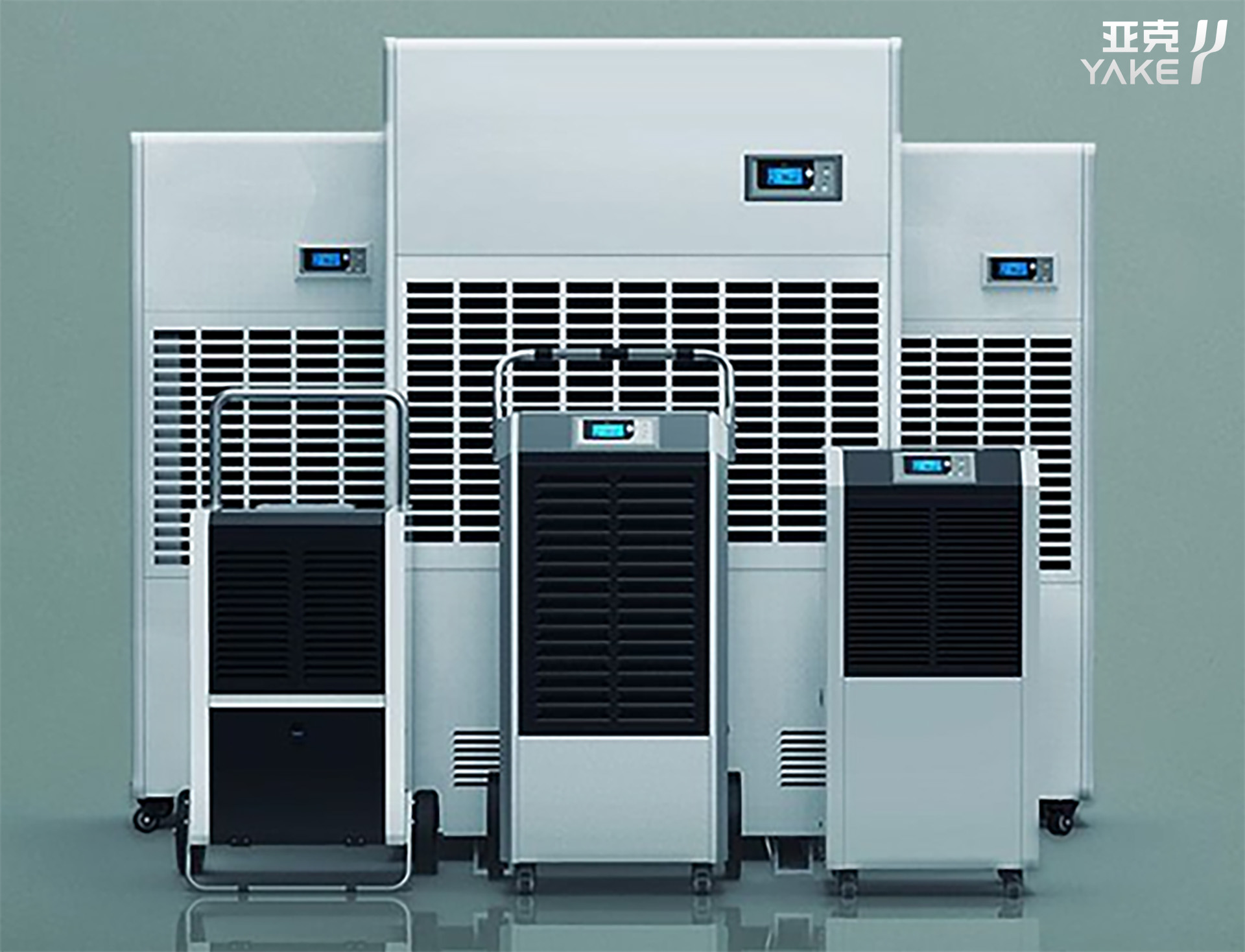
Contact us to find the best place to buy your Yakeclimate solution today!
Our experts have proven solutions to keep your humidity levels in check while keeping your energy costs low.