
Building 34, No. 535 Shunfeng Road, Hangzhou, Zhejiang, China
[email protected]


Indoor farming technology refers to utilizing technologies to cultivate plants indoors, typically assisted by factors such as LED lights, sensors, and climate control systems. Just in the US, growers have employed these systems to condition light, water, and air for lettuce, herbs, and tomatoes. A number of farms deploy vertical racks or hydroponics to maximize space and reduce water consumption. Real-time monitors and automated controls help keep temperature and humidity in check, which prevents mold and promotes plant health. For growers, choosing the right tech delivers consistent yields and reduced costs. The next section will review some essential varieties of indoor farming technology and detail how each variety supports robust, stable growth indoors.
Indoor farming depends on many core technologies to establish consistent, efficient growing conditions. These technologies enable water efficiency, consistent yields, and minimal resource waste. The following numbered list outlines the most important systems used by professionals in the industry:
LEDs are standard on indoor farms. New LEDs allow cultivators to customize color spectrum and intensity for each crop. With proper configuration, light cycles can simulate sunrise and sunset or accelerate growth using focused wavelengths. U.S. Growers play with various configurations, testing hours and light color for tomatoes, lettuce, or herbs. This targeted lighting reduces energy consumption, increases efficiency, and reduces expense in the long term.
Climate control is essential in every indoor farm. They generally employ agricultural HVAC systems to maintain air temperature and relative humidity within narrow ranges. Dehumidifiers can prevent mold and maintain dry leaf surfaces. Sensors transmit 24/7 information to a central controller, which adjusts fans or refrigeration as appropriate. Even airflow is critical, so ductwork and fans are mapped to avoid hot or cold spots. They shield crops from external climate fluctuations.
Automation powers U.S. Indoor farms Robotics that plant seeds, harvest greens and box finished produce. Water delivery is automated, as well, with drip lines or misting nozzles, so each plant receives exactly what it requires—no more, no less. Most plants employ software to monitor system health, notify personnel of issues, and log information for audits. By minimizing manual labor, automation reduces price and sustains all-year operations.
Hydroponics and aeroponics nourish roots straight on water-based solutions. These systems allow farmers to monitor and adjust nutrient levels by the hour. Others monitor pH and nutrient levels with sensors, triggering alerts in case anything pulls astray. Custom mixes are customary for leafy greens vs. Fruiting crops, so every batch gets dialed in. A lot of U.S. Growers dip toward organic additives, going for yield AND sustainability.
Coconut coir, rock wool, and peat alternatives have roots firmly in place and drain well. Some farms now experiment with compostable mediums to reduce landfill waste. Some test blends for root growth or how microbes increase plant uptake. Which is the better option varies by crop and the farm’s sustainability objectives.
Resource comparison helped indoor farming revolutionize crop production. It’s the resource comparison with traditional farming, which paints a stark picture of land use, water and energy. Technology adoption has not only enhanced yields and efficiency, but fostered sustainability.
Indoor farms with hydroponic and aeroponic setups save a whopping amount of water. Vertical farming systems are now consuming as much as 98% less water than their outdoor counterparts. The majority of these systems—more than 75%—are water recycling, so waste is minimal and efficiency remains high.
Closed-loop irrigation assists even further. Instead of running off or evaporating, water cycles back for reuse. That keeps costs low and fits sustainability aspirations. Water quality has to be precise, as bad water scalds plants swiftly. Farms can frequently keep an eye on with real-time sensors and filtration.
Traditional agriculture accounts for nearly 70% of the global fresh water usage. Indoor farms flip that on its head, utilizing only what’s necessary, advocating for conservation. Water-efficient practice awareness is emerging, with numerous indoor growers openly sharing data to push industry standards toward less water use.
Space is at a premium for any farm. With vertical farming, land requirements plummet. Indoor vertical farms can reduce land use by 90%. Some sites produce as much produce with only 1% of the land utilized by field farms. In the case of everyday romaine lettuce, a vertical configuration requires just 97 square feet to equal a field’s yield — nearly a 90% decrease.
Urban farms in cities take advantage of vacant lots, rooftops, and even abandoned warehouses. These places weren’t for food back then, but now they amp up regional supply. As these projects in Chicago and New York demonstrate, high yields per square foot results in less need to clear more farmland when the cities grow.
| System | Energy Use (kWh/lb) | Energy Source | Efficiency |
|---|---|---|---|
| Traditional Outdoor Farm | 0.5–1.0 | Grid/Fossil Fuels | Moderate |
| Basic Indoor Farm | 2.0–3.5 | Grid | Lower |
| LED Vertical Farm | 1.0–2.2 | Grid/Renewables | Higher |
Energy use is elevated indoors due to lighting, HVAC, and climate control. With new LEDs and smart HVACs, energy consumption per pound of crop is declining. Solar or wind farms save as much as 40% in resource. Storage batteries smooth loads, allowing farms to run steady, even if the grid isn’t.
Indoor farms can reduce their footprint by deploying smart controls, high-efficiency lights, and renewable power. These actions reduce expenses, assist the planet, and cultivate grit in difficult markets.
Indoor growers account for every resource. Water, energy and inputs are measured to reduce waste. Most farms have best-practice sharing and there’s a big push on recycling. Well-managed is a top yield to the best profit.
Yakeclimate partners with to tailor solutions for each location. Custom dehumidifiers = less mold, better air, and less wasted energy. This enhances the entire system’s effectiveness.
Data-driven farming changes the way indoor growers operate. By gathering and analyzing real-time data, growers take informed decisions on when and how to irrigate, fertilize or modify the climate. When farms deploy connected devices, AI tools, and management software, they achieve higher yields, conserve resources, and reduce waste regardless of their location in the United States. These systems assist farms reduce their carbon footprint, generate more sustainable indoor farms, and provide consistent harvests year-round.
Farmers now deploy IoT sensors to monitor soil moisture, air temperature, humidity, and even root zone nutrient levels. These sensors transmit real-time data to a dashboard, allowing teams to identify issues before crops are impacted. With remote monitoring, farms can check conditions or adjust settings at any time — even if the crew is elsewhere.
These data feed management software, which informs irrigation, lights and even dehumidifier settings. Newer sensors are more accurate and require less maintenance, which makes them a reliable component of precise climate control. This tech keeps resource use optimal and prevents issues like mold or nutrient deficiency, all while using 90% less water than traditional growing.
AI models consume sensor data and historical records to predict optimal planting times, growth rates, and harvest windows. By studying seasons of old, these systems detect patterns that humans may overlook, like growth deceleration or disease risk surges.
Machine learning tools keep checking previous yields and weather conditions, so farms can anticipate and avoid loss. With predictive analytics, farms can identify and address issues when they’re small before they become big, such as tweaking humidity to prevent mold. AI assists in conserving water and energy by recommending optimal timings for irrigation and nutrient supply.
One software platform unites the pieces. It allows teams to track crop batches, schedule task reminders, and maintain digital records of activities.
It simplifies communication with team members and helps you keep track of tasks. Managers can consult reports to find out what crops or methods perform best, and guide the operation towards higher yields and less waste.
Teams seek out patterns in the data to adjust their strategy, from adjusting light cycles to calibrating climate control for each crop variety.
Indoor farming technology holds the potential for reliable, year-round food production, but scaling it presents significant hurdles. From strong upfront expenses and energy consumption to crop variety and expansion, every consideration demands strategic strategies.
It takes a big push on the financial end to get started in indoor farming. Costs stack up quick—LED lighting arrays, high-grade HVAC units, dehumidifiers and automated irrigation can cost hundreds of thousands of dollars for relatively small-scale operations. There’s more vertical farms require, from reinforced racks to power and water lines strong enough to sustain 24/7 operation. Financing terms count. Certain scale-ups eye USDA grants or green tech loans, others look to partners or investors with a sustainability-savvy stake. Yet the long payback period—typically three to seven years—frightens many traditional investors away. While discovering ways to trim startup overhead, like leasing or buying used gear, it still presents a starting lump sum that’s prohibitive for many.
Power bills are one of indoor farming’s largest line items. Lighting, heating, cooling and dehumidification consume a significant amount of electricity—some locations consume more than $1 per square foot per month. As energy prices increase, margins decrease. Certain farms opt for solar panels or wind turbines to assist in offsetting expenses, yet these systems require initial investment. High-efficiency LEDs and variable-speed HVAC units can reduce waste. Frequent audits indicate where energy is flowing and assist in identifying solutions, such as improved insulation or smart timers. Still, plants can afford to lose up to 80% of the energy they obtain, so energy thriftiness remains a concern.
Crops diversification is complicated in indoor farms. A lot of growers begin with leafy greens or herbs as they’re fast-growing and less finicky. Scaling fruiting or flowering crops like strawberries or tomatoes requires more expertise and tech. Pollination is a major challenge indoors, frequently necessitating manual pollination or bumblebee hives. Testing what the market wants is crucial. Specialty greens or microgreens can command premium prices, but not every market will support them. Growing a mix helps prevent pest outbreaks and keeps systems nimble, but it requires more training and scheduling.
Scaling an indoor farm is more than just bigger buildings. Water use leaps—large farms can use millions of gallons a year, so water recycling and conservation are important. Hiring and training talent becomes more difficult as you scale, because indoor ag requires both technical expertise and plant intuition. Any downtime can destroy crops and profits. Tall field crops are difficult to grow indoors with space constraints and cost, so most vertical farms stick to compact plants.
The Circular Farm unites energy, water and resource cycles to achieve zero waste in controlled indoor environments. It employs circular systems in which wastes get converted into resources, conserving water, reducing its carbon footprint, and increasing resilience. The circular economy framework informs these practices, ensuring that all inputs — energy, nutrients, water — are utilized completely before being recaptured or upcycled.
Circular farms in cities frequently install solar panels or wind turbines to provide clean, consistent power for lights, HVAC and dehumidifiers, reducing grid demand. Energy-sharing with city grids can cut costs and help balance local supply, making farms more stable and less price-spiky. Renewable investments pay off over time in reduced utility bills and increased autonomy. By sharing information about these systems, we empower more farms to go green, creating an even more robust and cleaner industry.
Most circular farms established composting or anaerobic digestion to convert plant scraps into fertilizer or biogas, which can power on-site equipment. Others partner with food makers or breweries nearby to capture usable byproducts, such as spent grains, for soil amendments. Demonstrating for growers how waste upcycling reduces input costs as it increases soil health is a lot easier pathway to get that buy-in. By tracking waste streams over months, we see real gains in yield and less landfill use.
Partnerships with city planners allow us to fit indoor farms into unused city spaces, like rooftops or old factories, boosting food access. Local production implies shorter supply chains, reducing transportation emissions and waste. Zoning updates can open additional sites to urban farms, accelerating adoption. Community initiatives, such as youth gardens, connect farms to their neighbors, educating children in food skills and increasing fresh food availability.
Indoor farming is emerging as a genuine answer to American food security. With more people migrating to cities—anticipated to exceed 68% by 2050—there’s an increasing demand for fresh, local produce. Conventional farms, frequently located distant from urban centers, confront climate change, drought, and supply chain complications. These issues impact low-income and rural communities the most, where healthy food options are already difficult to obtain. Indoor farming — particularly vertical farms — localizes fresh food closer to consumers, decreasing food’s fragility and dependence on climate or vast supply lines.
When world events break the supply chain, like we saw with the pandemic, indoor farms keep food flowing. These farms cultivate crops year-round, so while outdoor fields can suffer from drought or wild weather, indoor growers maintain consistent yields. Technology aids here—remote sensors, AI, and machine learning help optimize water and nutrients needs for plants. This translates into less waste, more intelligent use of water and improved performance even on water-short sites. In the U.S., where agriculture accounts for approximately 70 percent of all water diverted from rivers and lakes, that’s significant. Less water use means less strain on the environment, which dovetails nicely with cries for sustainable agriculture.
Vertical farming is the one that pops out at me in densely-populated urban areas with little available space. Crops mature in tiers, therefore you require less field and can locate directly in the city. Farms like AeroFarms in New Jersey or Plenty in California demonstrate how indoor systems provide reliable, premium harvests near the point of sale. These examples demonstrate that with intelligent climate controls and energy efficient equipment, local food production can take place at scale, eliminating the high cost of transit and spoilage. Brands like Yakeclimate help make this work, with dehumidifiers and systems that keep the air right for plants without using too much power.
For these concepts to proliferate, policy must support indoor farming as a legitimate element of the food system. That is, backing for research, equitable access to grants and transparent guidelines for urban farms. With food prices continuing to escalate—up 2.6% a year on average—indoor farms can aid in controlling costs for families who need it the most.
Indoor farming technology continues to disrupt how Americans cultivate produce. Sensors capture temperature and moisture, so the crops receive exactly what they need. LED lights drive plant growth and intelligent water systems reduce waste. Farms now live in warehouses or abandoned factories. These arrangements avoid harsh weather, prevent pests, and conserve room. A New Jersey lettuce farm operates 365 days a year and feeds thousands. In Chicago, a rooftop greenhouse cuts food miles and keeps greens fresh. US farmers turn to innovative tech in face of labor shortage. Yakeclimate supports these cultivators with rugged dehumidifiers that maintain spaces dry and vegetation joyous. Find out what will work best for your farm, talk shop with our team.


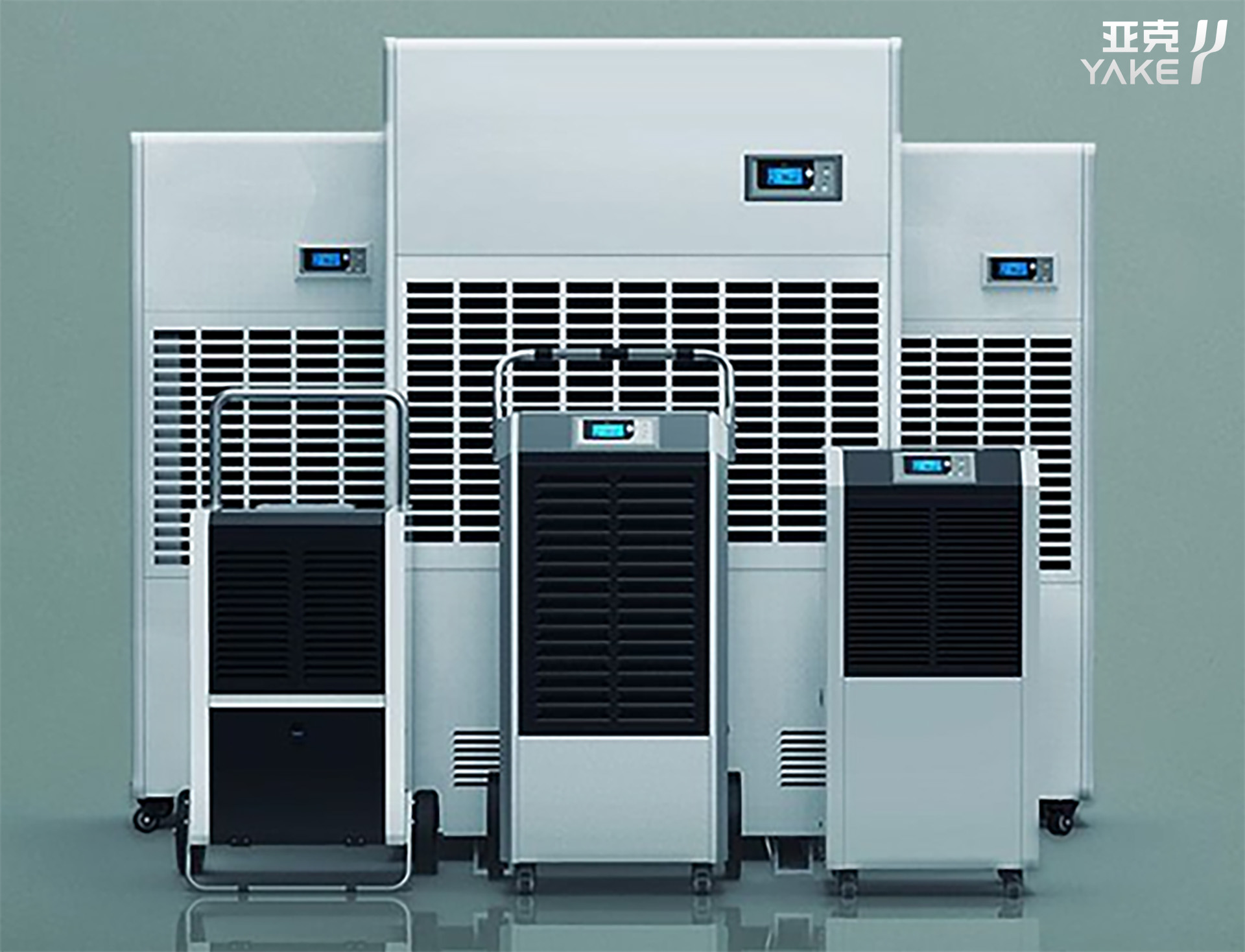
Contact us to find the best place to buy your Yakeclimate solution today!
Our experts have proven solutions to keep your humidity levels in check while keeping your energy costs low.