

Top Warehouse Cooling Systems: Choosing the Right Solution for Your Space
The best cooling systems for warehouses use advanced air conditioning, evaporative coolers, and industrial fans to keep temperatures steady and safe for storage and staff.
Resources / Industrial
Comparisons and engineering notes covering refrigerant, ceiling-mounted, desiccant, and low-dew-point equipment, and the operating conditions that decide between them.
Use these articles to narrow the technology before discussing capacity, installation position, and controls.
RESOURCE CATEGORIES
Compare refrigerant, ceiling, desiccant, and humidification equipment families with their operating ranges.
Open industry page → 02Application notes and selection guidance for greenhouses, indoor cultivation rooms, drying spaces, and storage environments where humidity affects the crop rather than the building.
Browse this category → 03Guidance on dew point, condensation risk, compact installation, controls, and validation for battery energy storage, cabinets, containers, and switchgear.
Browse this category → 04Every article in the library, newest first — including topics without their own category.
Browse this category →FEATURED & RECENT RESOURCES
Each article links to related applications, product families, project evidence, and contact options so the next step remains easy to find.
FIND THE RIGHT RESOURCE
Search article titles, summaries, categories, and technical topics.
Search across the resource library.
The best cooling systems for warehouses use advanced air conditioning, evaporative coolers, and industrial fans to keep temperatures steady and safe for storage and staff.

Air cooling vs air conditioning are two different methods of cooling indoor air. Air cooling typically employs fans or evaporative coolers to circulate air and cool heat. Air conditioning employs a sealed system and refrigerants to extract heat internally and transfer it outside.

Wireless temperature & humidity monitoring systems deploy sensors and wireless technology to monitor critical climate data in real time. These systems assist plant managers and engineers in detecting shifts in air conditions quickly, reducing risk to products and equipment.

Energy-efficient dehumidification solutions address the challenge of controlling air moisture in indoor farms and other controlled spaces while minimizing energy consumption.

Air conditioning desiccant technology exploits special drying agents that absorb water vapor from air, so it becomes drier and more easily cooled.
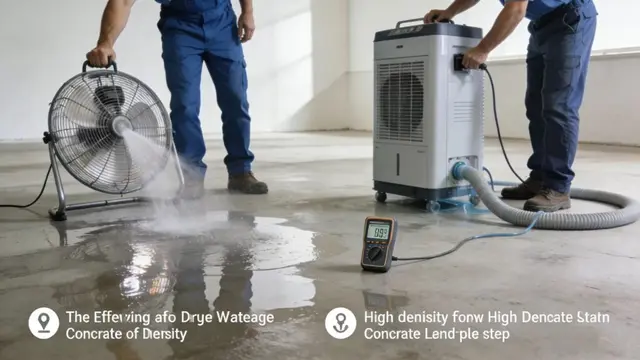
Drying concrete floor after leak is fans, dehumidifiers, and airflow to extract water from the slab and prevent mold or damage. Wet concrete contains more water than most floors, so mere air drying usually takes too long.

Ducted dehumidifier systems utilize ductwork to pull in moist air, extract water and recirculate dry air throughout a facility. They work great in large spaces — factories, warehouses, and even cleanrooms — where consistent air and reliable moisture control make a difference.

Us coffee cultivation regions include Hawaii, California, and Puerto Rico. Most farms employ controlled indoor systems or shaded outdoor plots to replicate the climate required by coffee trees. Growers monitor humidity, light, and temperature to maintain crop health.

Dehumidifier operation frequency describes the amount of time a dehumidifier runs during a given period. Most indoor farms run dehumidifiers daily to manage air moisture and maintain a consistent environment.

Dehumidifier water collection capacity refers to the quantity of water it can extract from the atmosphere and accumulate in its tank within a specific timeframe, typically expressed in liters per day.

Dehumidifier energy consumption refers to how much energy a dehumidifier consumes to extract water from a volume of air in a given period of time. Its power draw connects to its size, type, and how hard it’s working in the space.

Temperature control systems for industrial applications utilize machinery and equipment to maintain temperature, humidity, and air quality in expansive areas. They assist factories, laboratories, and indoor farms in maintaining a safe environment for both humans and equipment.
NO MATCHING RESOURCES
Search by equipment type, humidity issue, industry, installation condition, or a technical topic.
APPLY THE INFORMATION
Send the application, operating conditions, target, and installation limits. We can help organize the questions that need to be answered before product selection or engineering review.
Discuss Your Requirement