

Top Warehouse Cooling Systems: Choosing the Right Solution for Your Space
The best cooling systems for warehouses use advanced air conditioning, evaporative coolers, and industrial fans to keep temperatures steady and safe for storage and staff.
资源中心 / 工业
覆盖冷冻、吊顶、转轮与低露点设备的对比与工程说明,以及决定它们取舍的运行工况。
用这些资料先收敛技术路线,再讨论处理量、安装位置与控制方式。
精选与最新资源
每篇文章都关联了相关应用、产品系列、项目证据与联系入口,方便找到下一步。
找到合适的资料
搜索文章标题、摘要、分类与技术主题。文章内容为英文,建议使用英文关键词。
在资料库中搜索。
The best cooling systems for warehouses use advanced air conditioning, evaporative coolers, and industrial fans to keep temperatures steady and safe for storage and staff.

Air cooling vs air conditioning are two different methods of cooling indoor air. Air cooling typically employs fans or evaporative coolers to circulate air and cool heat. Air conditioning employs a sealed system and refrigerants to extract heat internally and transfer it outside.

Wireless temperature & humidity monitoring systems deploy sensors and wireless technology to monitor critical climate data in real time. These systems assist plant managers and engineers in detecting shifts in air conditions quickly, reducing risk to products and equipment.

Energy-efficient dehumidification solutions address the challenge of controlling air moisture in indoor farms and other controlled spaces while minimizing energy consumption.

Air conditioning desiccant technology exploits special drying agents that absorb water vapor from air, so it becomes drier and more easily cooled.
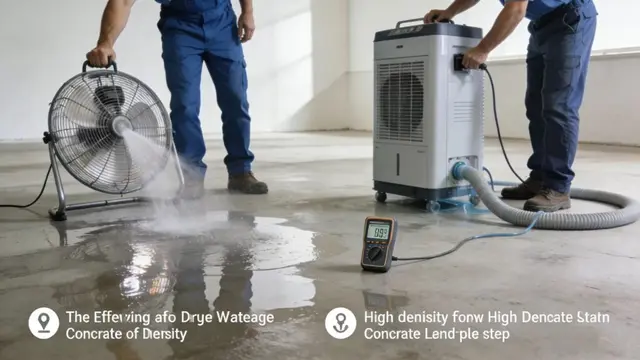
Drying concrete floor after leak is fans, dehumidifiers, and airflow to extract water from the slab and prevent mold or damage. Wet concrete contains more water than most floors, so mere air drying usually takes too long.

Ducted dehumidifier systems utilize ductwork to pull in moist air, extract water and recirculate dry air throughout a facility. They work great in large spaces — factories, warehouses, and even cleanrooms — where consistent air and reliable moisture control make a difference.

Us coffee cultivation regions include Hawaii, California, and Puerto Rico. Most farms employ controlled indoor systems or shaded outdoor plots to replicate the climate required by coffee trees. Growers monitor humidity, light, and temperature to maintain crop health.

Dehumidifier operation frequency describes the amount of time a dehumidifier runs during a given period. Most indoor farms run dehumidifiers daily to manage air moisture and maintain a consistent environment.

Dehumidifier water collection capacity refers to the quantity of water it can extract from the atmosphere and accumulate in its tank within a specific timeframe, typically expressed in liters per day.

Dehumidifier energy consumption refers to how much energy a dehumidifier consumes to extract water from a volume of air in a given period of time. Its power draw connects to its size, type, and how hard it’s working in the space.

Temperature control systems for industrial applications utilize machinery and equipment to maintain temperature, humidity, and air quality in expansive areas. They assist factories, laboratories, and indoor farms in maintaining a safe environment for both humans and equipment.
没有匹配的资料
可以按设备类型、湿度问题、行业、安装条件或技术主题搜索。
应用这些信息
发来应用场景、运行工况、目标与安装限制。我们可以帮您梳理在产品选型或工程评审前需要回答的问题。
沟通项目需求