Building 34, No. 535 Shunfeng Road, Hangzhou, Zhejiang, China
[email protected]
Desiccant Technology Revolutionizes Energy Efficiency in Air Conditioning – EcoAir Solutions

Desiccant Technology Revolutionizes Energy Efficiency in Air Conditioning – EcoAir Solutions

Key Takeaways

  • Desiccant air conditioning uses moisture-absorbing materials to increase efficiency and enhance indoor air quality compared to traditional cooling.
  • Knowing the distinction between adsorption and absorption is important in choosing and fine-tuning desiccant technology for different environments and uses.
  • The desiccant wheel is typically made with cutting-edge materials like silica gel, which is at the heart of this air conditioning desiccant technology. It can also be used in hybrid HVAC designs.
  • Efficient regeneration, whether thermal or solar, is crucial for preserving desiccant efficacy and promoting sustainability.
  • Desiccant technologies can be applied to virtually any environment, from industrial sites and commercial buildings to living spaces where humidity control is important.
  • By pairing desiccant systems with renewable sources, it is possible to significantly reduce environmental impact and energy costs while supporting green building initiatives.

Air conditioning desiccant technology exploits special drying agents that absorb water vapor from air, so it becomes drier and more easily cooled. This approach is particularly noteworthy in hot, humid environments and where constant indoor conditions are essential, such as food plants, pharma labs, and battery rooms. Desiccant systems reduce mold and rust hazards and support compliance with stringent air quality standards. Most of these configurations leverage silica gel or lithium chloride as the desiccant core, along with fans and heating for consistent, low-humidity air. These systems are energy-efficient because dryers operate best at low temperatures and allow chillers to operate less. On today’s plant floors and cleanrooms, desiccant air control translates into greater product yield and reduced maintenance costs.

Core Principles of Desiccant Technology

Desiccant technology employs special materials to extract moisture from air, allowing air conditioning stability and efficiency for industrial applications. This reduces energy consumption, enhances product quality, and enables plants to comply with stringent humidity regulations. To maximize these systems, it’s important to understand how desiccants function, how they’re integrated into systems, and how they continue to perform.

1. Adsorption vs. Absorption

Adsorption is different from absorption, even though both involve moisture. In absorption, water permeates the entire substance—like a sponge. In adsorption, the water adheres to the surface only, not within. Desiccant air conditioning employs adsorption since it’s faster and can be better controlled. Silica gel, for example, snatches water molecules on its surface. This lets us dial in indoor humidity without overdrying or humidity-caking the air. Adsorption is less energy intensive than absorption because it’s easier to remove surface moisture during regeneration. This results in improved air quality and reduced ongoing expenses for precision plant environments.

2. The Desiccant Wheel

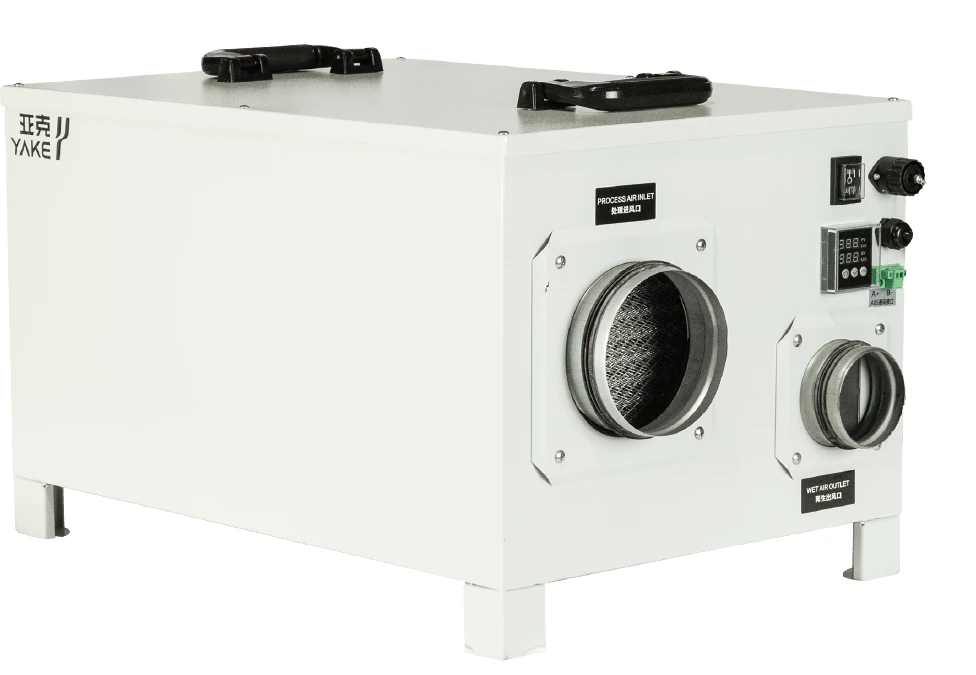
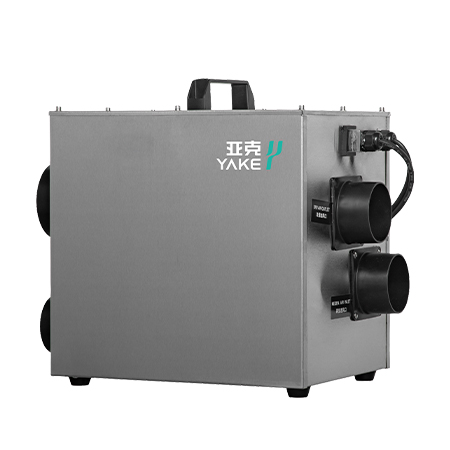
At the core of these systems lies the desiccant wheel. It’s a rotating drum stuffed with desiccant-laced material, such as silica gel or molecular sieves. As air passes through one side, the wheel absorbs moisture. It rotates gradually to transfer the damp portion to a drying area where the humidity is forced out. This cycle enables the wheel to continue drying air continuously. Desiccant wheels are used for big HVAC setups, including electronic, pharma, and food plants. The wheel makes it easier to keep energy consumption low and efficiency high, even when ambient humidity is elevated.

3. The Regeneration Process

Desiccants can’t just keep absorbing water without ever being dried out. Regeneration is where heat or dry air extracts water off the desiccant. The most typical method is to employ warm air. However, solar heat or waste heat from other devices can function effectively. The type of heat you use makes a difference in your energy bills and system’s life. Effective regeneration keeps the desiccant potent, which maintains operations smoothly and minimizes waste. Sustainable-minded plants often opt for configurations with energy recovery to reduce their footprint.

4. System Configurations

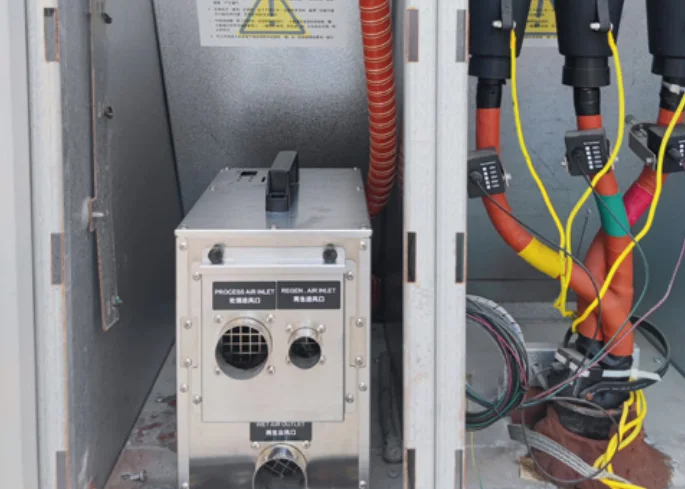
Desiccant technology can be incorporated into a variety of HVAC configurations. Some systems are all desiccant wheels and others blend them with standard cooling coils for hybrid configurations. For example, these systems are popular in factories requiring low humidity environments such as auto paint shops or electronics production lines. They perform perfectly in both new construction and retrofit situations. Yakeclimate’s solutions have been employed in textile mills and food packing plants, exhibiting adaptability and demonstrated effectiveness.

5. Material Science

Silica gel, molecular sieves, and lithium chloride are core desiccant options. Silica gel is inexpensive and nontoxic. Molecular sieves trap even smaller water particles. The latest materials last longer and soak up more water per cycle. Others are recyclable or low-impact sourced, assisting factories in hitting green targets. Active research is pushing desiccants to work quicker and with less waste. Systems of the future will be even more efficient.

Beyond Conventional Cooling

Desiccant technology pushes air conditioning beyond just cooling. Instead of cooling the air to extract moisture, like in vapor compression systems, desiccant cooling uses materials—typically silica gel or activated alumina—that absorb water directly from the air. This makes them effective in regions where humidity, not only heat, is an issue. In industrial applications, that translates to reduced mold, corrosion, or spoilage. Beyond conventional cooling, Yakeclimate’s advanced desiccant dehumidifiers keep paint lines dry, electronics assembly zones clean, and pharma plants at set specs no matter how the weather shifts outside.

Energy savings accumulate fast. Normal ACs have to cool air below the dew point and then reheat it, which consumes additional energy. Desiccant systems bypass the extra cooling and reheating steps. They dry air at room temperature and then utilize low-grade heat, such as steam or waste heat from other plant processes, to recharge the desiccant. That can reduce energy use by 30% or more in the right climate. One auto parts plant in Germany slashed annual cooling costs by 40% after transitioning from chilled coils to a desiccant-based system. In food processing, where tight moisture control is required, going desiccant cut costs and downtime in half by keeping surfaces dry and slip-free.

Desiccants improve indoor air quality, too. They don’t only cool—they filter. As humid air flows over the desiccant bed, it catches not just water but dust and some airborne pollutants. This means the air is cleaner and drier, reducing the chances of mold and bacteria. That’s critical in pharmaceutical packaging rooms and cleanrooms where product safety comes above all. In electronics plants, drier air decreases static buildup, so there’s less chance of product failure or loss.

Case studies put the value in real terms. In a textile plant in India, your run-of-the-mill AC couldn’t keep up with monsoon humidity, causing fabric defects and lost revenue. Once they installed a Yakeclimate desiccant system, defect rates fell by 25%. In a Singapore semiconductor plant, desiccant dehumidification maintained humidity levels below 40% all year round, which reduced corrosion on sensitive parts and halved maintenance calls.

The Sustainability Equation

Desiccant air conditioning technology is at the intersection of sustainability and industrial demand. It offers a pragmatic solution to intense climate control requirements. For plants and vital production locations, this translates to more than just dry air. It’s about creating sustainable value by reducing energy waste and empowering worldwide green objectives. Below, we deconstruct how desiccant systems contribute to achieving these goals, from reducing emissions to energizing with renewables.

Environmental Footprint

Desiccant systems eliminate the total environmental footprint compared to standard HVAC. These systems utilize chemical or physical adsorbents, such as silica gel or lithium chloride, to capture moisture from the air. Unlike conventional cooling, which typically depends on electrically intensive refrigerant cycles, desiccant units can operate using lower-grade heat, often from waste streams. It reduces strain on the grid and provides operators with additional means to control consumption.

Energy savings are obvious in process industries. For instance, a food packager with desiccant-based units sees as much as 40% less electricity consumption for humidity control. Less electricity means less waste heat dumped into the environment. It implies a tinier carbon footprint, in particular in locations where energy is generated from fossil fuels.

Lifecycle StageEnvironmental Impact (CO2e, kg)Notes
Raw Material Supply15–30Extraction, transport
Manufacturing10–20Energy, emissions
Operation (10 years)100–180Energy source dependent
End-of-Life5–10Recyclability, waste handling

Reducing the effect of HVAC is now central to achieving contemporary green ratings. Yakeclimate systems are developed for long life and straightforward recycling of desiccant, facilitating circular economies and stringent regulatory requirements globally.

Renewable Integration

Desiccant air systems play nice with renewables. They can utilize heat from solar thermal panels to recharge the desiccant material rather than grid power or gas. This is typical of areas with intense sun exposure, where solar-assisted desiccant cooling reduces grid demand at its peak.

Hybrid systems combine desiccant wheels with solar heat or even process line heat recovery. One example is electronics factories in Germany using solar-powered desiccant wheels to keep cleanrooms dry while slashing both energy bills and emissions.

Desiccant systems get buildings nearer to energy independence. They are used with off-grid systems and central plants alike, providing engineers additional options to reduce fossil fuel dependence and achieve energy goals.

Where Desiccants Shine

That’s where desiccants shine. They provide a targeted, energy-wise way to handle humidity when traditional air conditioning can’t. That’s where desiccants shine in climates and industries where tight moisture control is mission-critical. Yakeclimate’s know-how with desiccant systems keeps processes safe, goods stable, and buildings comfortable across many different needs.

Climate Versatility

Desiccant dehumidifiers are able to adjust to a wide range of climates, from the steamy tropics to the cold and wet. Their effectiveness persists where mechanical cooling by itself falls short of reaching set humidity levels.

  1. High-Humidity Regions: For humid places all year long, such as much of Southeast Asia or some areas of South America, the desiccant system sweeps away moisture handily even when air temperatures are at normal levels.
  2. Arid Environments: Where Desiccants Shine – In areas with extreme diurnal temperature shifts, desiccants serve to maintain consistent indoor air humidity levels, preventing condensation and rust.
  3. Cold Climates: Where Desiccants Shine… Frost can bring standard dehumidifiers to a halt, but desiccant units maintain drying air in freezing basements or unheated warehouses.
  4. Extreme Heat: In desert climates, desiccants reduce the need for energy-hungry air conditioning by managing latent heat loads. They keep spaces comfortable without oversizing cooling systems.

Desiccants regulate humidity despite outdoor fluctuations, enhancing comfort and safeguarding equipment.

Application Sweet Spots

Certain areas and sectors that experience the most benefit from desiccants. It is all about fit for purpose.

Here’s where desiccants shine. Long-term food preservation employs desiccant dehumidifiers to keep rot in check, keeping cereals, seasonings, and dried goods fresh. Hospitals require strict moisture control to prevent bacteria proliferation and maintain the sterility of medical equipment. Thus, desiccant systems are a natural choice.

  1. Pharmaceutical Cleanrooms: Desiccants maintain strict humidity limits for tablet coating and packaging.
  2. Electronics Manufacturing: They prevent static and corrosion that can destroy circuit boards.
  3. Cold Storage: With moisture gone, ice does not form on freezers or products.
  4. Museums and Archives: Delicate art and paper last longer in dry air.

Homeowners use smaller desiccant units in bedrooms or living rooms for comfort and allergy relief.

Basements and Beyond

Basements, with their mold, mustiness and damp damage. This is where desiccants shine. They suck moisture out of the air, preventing mold before it has a chance to get going. They operate even when the air is chilly, an area where traditional dehumidifiers struggle.

That’s where desiccants shine in crawl spaces and attics, preventing rot and rust. They protect wood, insulation, and stored belongings around the clock. Then there are whole-home systems that feature desiccant wheels which integrate with HVAC to reduce humidity for the entire house and reduce the risk of hidden mold, dust mites, and associated health problems.

The Human Comfort Factor

Desiccant technology is helping to shape indoor comfort by extracting water from the air. For industrial spaces, this translates to reduced stickiness, reduced hot spots, and stable air quality. Workers tend to work better and experience less fatigue when the air is dry but not biting. Factories, labs, and cleanrooms use desiccant systems to keep air in the right range of about 40 to 60 percent relative humidity, so workers and products both stay safe. Yakeclimate’s focus is to provide plants with the appropriate tools to meet these objectives, regardless of the external conditions.

Humidity control connects directly to human comfort. Low moisture results in sweat, heat stress, and steamy windows. Low moisture can dry out skin and eyes. Desiccant-driven control keeps these levels where we all feel best. For instance, in food plants or drug labs, people go from hot zones to cool areas. If the air moves too quickly, it feels off and can drag work. Desiccant technology evens out these fluctuations. It prevents mold and protects equipment, so it complies with rigorous worker safety and health regulations. For facility managers, it is just easier to maintain good air and meet global standards with the right systems.

Desiccants reduce dust, mold and airborne bacteria. When air is too wet, dust mites and mold flourish. These cause allergic reactions and can damage products or harm employees. By absorbing additional moisture, desiccant units make it difficult for these to propagate. Air remains pristine and causes fewer sick days or recalls. In electronics and pharma plants, clean air is not a comfort; it’s a requirement for quality. Yakeclimate’s systems filter and dry air simultaneously, are highly efficient and of a quality that is standard in many countries.

Thermal comfort isn’t just cool air. Dry air, of course, simply feels better at the same temperature, so office plants can set thermostats higher and still maintain contented staff. This conserves energy and reduces expense. Desiccant technology allows HVAC units to operate efficiently, with less cooling required leading to greater savings. In paint shops, textile mills, and server rooms, this equilibrium translates to less downtime and improved performance. Yakeclimate collaborates with teams to tailor setups aligned with each site’s requirements, ensuring optimal performance for both humans and machinery.

The Unseen Engineering Hurdles

Desiccant air conditioning delivers crisp wins in humidity regulation for factories, laboratories, and process lines. There are engineering challenges that would humble even the most elite of teams. It has to run 24/7, adapt to unpredictable loads, and consume less energy doing it.

Challenge one is moisture load swings. A textile plant in India or a food site in Brazil experiences huge swings in air humidity on a daily basis. Desiccant wheels and beds have to keep up, or goods go bad and equipment rusts. Engineers have to select the perfect desiccant material for the task: silica gel for low dew points or lithium chloride for high moisture grab. Every option has trade-offs in cost, maintenance and latency.

System design is all that. It’s the air flow over the desiccant and the heat recycling that determines the real-world efficiency. Little defects, such as poor seals, turbulent airflow, and heat leaks, slash system output by 10 percent or more. In a pharma plant, that translates into lost batches or failed audits. To avoid these risks, teams employ sealed ductwork, high-quality sensors, and intelligent controls to wring out every kilojoule and keep lines operational 24/7.

Technology has to get ahead of new demands. Old desiccant wheels used steam for heat, wasting energy and water. Today, new units capture heat from compressors or even solar panels. Yakeclimate systems, for example, operate on low-temperature waste heat, resulting in up to 30% savings on energy bills for customers. Control tech has leapt ahead, applying real-time data to tailor airflow and heat to the actual load in the space. This conserves energy and prevents over-drying, which is critical for electronics or fine chemicals.

Fresh research fuels the discipline. Labs are testing new desiccants, such as metal-organic frameworks, that can absorb more water at lower temperatures. Others adjust wheel profiles for quicker swings and extended life. Industry and universities collaborate, exchanging test data and field results. Yakeclimate joins in these networks, making sure that each new model is an improvement over the previous one.

Conclusion

Desiccant tech ramps up where traditional coolers fall short. It processes humid air, protects equipment, and assists in compliance. In car plants, pill labs, or chip shops, dry air counts. Desiccant systems rely on solids or liquids to extract water from air, not just chill it. That translates to consistent performance, reduced clutter, and genuine energy savings. Cleanrooms remain dry, paint lines flow smooth, and foods pack tight. Initial expenses may be steep, but reduced waste and downtime return the investment. To locate the optimal fit, examine plant demands and balance air loads. Contact an expert for a site study. Witness the miracle of new equipment like Yakeclimate transform flora.

Frequently Asked Questions

What is desiccant technology in air conditioning?

Desiccant technology employs agents that absorb moisture from the air. That’s how air conditioning desiccant technology helps control humidity and makes you more comfortable, particularly in hot and humid climates.

How is desiccant air conditioning different from traditional systems?

Conventional systems cool by simultaneously removing sensible heat and latent moisture. Desiccant systems prioritize dehumidification before cooling, which in some cases can be more efficient.

What are the main benefits of desiccant air conditioning?

Desiccant air conditioning removes humidity, makes your home more comfortable and even saves you energy. It is particularly handy in high-humidity locations.

Where are desiccant systems most effective?

Desiccant systems are most effective in humid climates, large commercial areas, and where stringent air quality requirements exist, for example, hospitals or food processing facilities.

Are desiccant systems environmentally friendly?

Indeed, desiccant-based systems can be more sustainable. They tend to use less electricity and can be powered by renewables, reducing their carbon footprint.

What challenges do desiccant technologies face?

Desiccant systems are sometimes more complex and costly to install than traditional units. They have maintenance requirements and upfront expenses.

Categories:
Last update:

Reach out

commercial dehumidifiers

Get in touch!

Contact us to find the best place to buy your Yakeclimate solution today!
Our experts have proven solutions to keep your humidity levels in check while keeping your energy costs low.