
Building 34, No. 535 Shunfeng Road, Hangzhou, Zhejiang, China
[email protected]


Dehumidifier water collection capacity refers to the quantity of water it can extract from the atmosphere and accumulate in its tank within a specific timeframe, typically expressed in liters per day. Higher capacity dehumidifiers complement big spaces or high humidity hot spots, while small units take on lighter work. Select the appropriate size for your grow room, storage, or living space so you’re not constantly dumping the tank. The next section separates things out to check your key points.

Water collection rate indicates how quickly a dehumidifier removes moisture from air. This is the liters or pints per day collection rate. Knowing your dehumidifier’s rate of water collection is key to selecting the right unit for you. Certain units can only collect 10 pints, while commercial units can potentially handle up to 140 pints in 24 hours, given that the room is warm and humid. Think about the daily rate, how frequently you have to empty the tank, and the power consumed. Below, we compare a few of them, with rates, prices, and efficiency.
| Model | Water Collection Rate (liters/day) | Price (USD) | Efficiency Rating (L/kWh) |
|---|---|---|---|
| Yakeclimate Mini | 6 | $120 | 1.7 |
| Midea Cube | 20 | $245 | 2.0 |
| Frigidaire Pro | 33 | $320 | 2.2 |
| Yakeclimate Pro | 45 | $410 | 2.5 |
| Industrial XL | 66 | $870 | 2.8 |
The size of your room counts. Larger rooms require dehumidifiers with more power. Little units in big spaces won’t make it. Utilize a size chart to pair unit to square meters. If a unit is too small, it will run nonstop but never hit the set humidity. Room configuration alters the equation as well. Blocked corners or weird shapes signify that you may need more than one unit or smarter placement for adequate coverage.
A hygrometer aids in monitoring the humidity. Shoot for 30 to 50 percent relative humidity. If the room is damp or during the rainy season, you’ll need a higher collection rate. Dehumidifiers collect water faster when the air is more humid. When levels drop, the machine collects water more slowly and will sometimes operate on a cycle. In extremely humid rooms, anticipate frequent tank emptying, especially during that initial week.
These rates are partly influenced by the current temperature and how much water is pulled from the air. Most units operate best at temperatures above 18°C (65°F). In cold spaces, collection dwindles. If your space is cold, get a low-temperature model. Hold the room still for better odds. Cooler rooms inhibit the process, so it might take a little longer to meet your objective.
Size is measured in litres or pints per day. Greater numbers indicate how much water they pull out, but potentially at greater energy usage. Here’s an example: the Midea Cube can take on heavy loads, so it’s good for large or really damp spaces. See how that matches your specs, not just the square footage of your room but the usual moisture levels.
Good airflow makes a unit work hard. Place the dehumidifier where air will circulate around it, not against a wall or stuffed in a corner. In large rooms, fans assist in pushing air towards the unit which quickens drying. Clean the filters frequently. Filthy filters restrict airflow and reduce the rate of dehumidifier water collection.
Dehumidifiers pull water out of the air and collect it in a tank or drain it. They assist in maintaining indoor areas dry and may safeguard crops, gear, or living areas from excessive moisture. Most dehumidifiers draw in air and push it past a cold coil. This coil is below the dew point, so when the air hits it, water vapor becomes liquid water—condensation. This liquid water drips off the coil and collects in a built-in reservoir or water tank, typically located at the bottom of the device’s plastic body.
Inside a dehumidifier, a fan pulls humid air across a series of coils. These coils are chilled by a refrigerant that circulates in a closed loop. This refrigeration unit brings the coil temperature down to the point where condensation will occur. The water slides down into the tank. In certain types, a float inside the reservoir will deactivate the machine if the tank fills, so there is no spillage. This tank size is important. A smaller one fills up quickly and requires frequent emptying, while a larger one allows the unit to operate longer between emptying. For massive grow rooms or warehouses, bigger tanks can be a game changer and reduce daily upkeep.
There are two main types of dehumidifiers: refrigerant-based (compressor) and desiccant-based. Refrigerant models are the most common. They still rely on the cold coil and compressor method mentioned above. These are perfect for warm, humid environments and are commonly found in homes, greenhouses, or commercial farms. Desiccant dehumidifiers employ a wheel or material that pulls water from the air through absorption. They are superior for cooler rooms or areas where a compressor model could have difficulty, such as cold storage or basements. Desiccant models can be lighter and quieter, which makes them convenient for small rooms or portable arrangements.
Most dehumidifiers now include a continuous drain option. Instead of using the tank, you can attach a hose and route the water directly to a drain. This configuration works well in areas requiring consistent, automated moisture regulation, like server rooms, hydroponics farms, or storage facilities. This translates to less tank-emptying, particularly if the device extracts a lot of water daily. Certain models can extract 50 liters per day, while smaller ones might extract only 10 to 20 liters, all depending on the unit’s rating and room conditions.
How effectively a dehumidifier collects water is based on the air flow through it, the room temperature, and the relative humidity. Warmer humid air will collect water faster. If the air is cooler or already dry, it collects less. Simple maintenance, such as cleaning or replacing air filters, keeps the unit operating efficiently and allows it to harvest the most water possible.
Some important things can affect a dehumidifier’s performance. Room size, weather, local climate and even how you put the unit where it goes all matter a lot. Dehumidifier capacity, typically indicated in pints per 24 hours, indicates how much moisture it can extract from the air. This figure can vary depending on other variables. Here’s how to maximize your dehumidifier’s performance with some consideration to humidity levels, unit positioning, and home sealing.
That external air can drive humidity up or down inside your space. Humid summers render most rooms damper, with dry winters doing the opposite. These swings mean you frequently have to change your dehumidifier’s settings according to the season.
Dehumidifiers operate optimally within the temperature range of 18°C and 27°C (65°F to 80°F), which means their effectiveness diminishes beyond these temperatures. Relative humidity is critical. Most models are built for a sweet spot of 30% to 50%. If your room is frequently hotter or cooler than that, you’ll observe the unit picks up less moisture or operates longer.
Performance curves—basic data tables included with many units—demonstrate how various temperatures and humidity levels affect water collection rates. For instance, a 20 pint rated unit may only extract 12 pints if the air is cool or dry. A humidity monitor allows you to stay ahead of these changes and dial in your settings. Regular water usage and plant transpiration rates in indoor gardens can cause humidity to increase rapidly, making regular checks even more important.
How you position your dehumidifier affects how much moisture it extracts. Basements, laundry rooms, and other damp areas are good places to begin. Avoid corners or tight spots because airflow drops and the dehumidifier can’t work as hard.
Try a handful of locations and you’ll stumble upon the best place. Even minor adjustments, such as relocating the unit from an adjacent wall, can have a big impact. If possible, put the dehumidifier on a small table or shelf. This assists in air circulation around the entire unit, which enhances efficiency.
Units can have either manual tank emptying or automatic drainage. Select which one suits your schedule. Routine filter cleaning or replacement every couple of weeks maintains airflow and minimizes clogs.
Leaks allow moist air to creep in from the outside, forcing your dehumidifier to hustle around the clock. The best sealed space has less outside air and allows for more efficient moisture removal. Staying on top of simple seal checks keeps your unit performing at its best, particularly in humid, hot climates or rainy seasons.
Low water collection from a dehumidifier can be due to many things, not necessarily a bad device. Knowing these causes identifies what to inspect, service, or repair. Here’s a table that captures some of the common reasons and their potential fixes.
| Reason | Potential Solution |
|---|---|
| Low humidity | Monitor and adjust settings; use humidifier if low |
| Cold temperatures | Use low-temp models; insulate; monitor temperatures |
| Clogged coils | Clean coils; replace filters; schedule maintenance |
| Faulty sensor | Test sensor; use hygrometer; seek repairs |
| Faulty humidistat | Check settings; recalibrate or replace humidistat |
| Coil leaks/low refrigerant | Inspect for leaks; recharge or fix refrigerant |
| Clogged/kinked drain hoses | Inspect and clear hoses regularly |
| Dirty filters | Clean or replace filters as needed |
| Poor airflow | Ensure good airflow; remove obstructions |
| Component wear and tear | Service unit; replace worn parts |
When humidity is below 30%, most dehumidifiers extract next to no water. Even higher-end units flail in arid areas. It is easy to check the humidity levels with a hygrometer. If you witness levels below 30%, low water collection is probably normal.
Tuning your dehumidifier’s settings makes it run drier if you desire. If you still don’t see results, you may need a humidifier instead for comfort or plant health.
They tend to be most effective in warm rooms. If the air temperature falls below 16°C (60°F), the coiled inside can freeze. Once it freezes, the unit can’t collect water. Cold basements or garages often do this. Certain units designed specifically for low temperature can service these spaces better.
Watch your environment’s temperature. If it’s frequently cold, try insulating around where your dehumidifier sits. Even a tiny drop below the optimum can translate to less water collected.
Coils are magnets for dust and debris, clogging airflow and impeding water removal. Over the years, clogged coils or dirty filters reduce the amount of water your machine can extract from the air.
Keep coils clean and change filters on time. A little dust build-up can drop efficiency. Regular inspections allow you to identify problems early and maintain your dehumidifier’s optimal operation.
If your drain hose is kinked or clogged, water can’t leave the unit, so always inspect these during maintenance. It is easy to unclog them and it makes a huge difference.
Sensors aid dehumidifiers in detecting and responding to ambient humidity. When the sensor fails, water collection is low. Cross-check your sensor’s reading with a hygrometer to detect mistakes.
If the readings don’t correspond, or the unit behaves strangely, the sensor may be malfunctioning. Other times, you need a pro to repair or replace it. A broken humidistat can stop the machine too early, resulting in low water collection.
Dehumidifier water collection capacity is based on a number of pragmatic considerations. The efficiency with which your unit collects water is influenced by its location, maintenance, and the integrity of your space’s seal against external moisture. These measures can increase both the effectiveness and longevity of your machine, saving you time and conserving electricity.
Locating your dehumidifier in the wettest area of your room really helps. Basements, laundry rooms, and bathrooms tend to harbor the most moisture. It’s important to keep the unit away from walls or bulky furniture, or airflow can become obstructed and impede water extraction. Ensure there is at least half a meter of open space on all sides. Experiment with repositioning the unit; occasionally a location by a window or in a cramped corner gathers less, even if it ‘feels’ clammy.
Raising the dehumidifier, such as placing it on a robust table or shelf, allows air to circulate around it. This works great in small spaces or rooms with low ceilings. Room temperature also counts. Most dehumidifiers work best above 18°C (65°F). If it is colder, water collection plummets.
A simple checklist keeps your dehumidifier running strong:
If you use the unit daily or in high humidity, empty the tank every day if possible, or at the very least every few days. This helps prevent mold and keeps the machine working well. Many home models accumulate 1 to 5 gallons per day, though others can fill in 6 to 8 hours in very damp rooms. Monitor the rate at which your tank fills. If you observe a difference, it is time to inspect for blockages or scrub the screens.
A well-sealed room not only increases efficiency and reduces the number of times you have to empty the tank, but it can reduce your energy bill. Sealing is as important as maintenance and placement for keeping humidity in check.
Dehumidifier water collection is not simply an incidental side benefit of indoor climate control. It has the potential to transform our perspective on water and our water consumption in regions where potable water is scarce. As you design your dehumidification plan, it’s worth reconsidering the significance of the water your system captures. For most, the primary goal of a dehumidifier is to reduce moisture and prevent mold. The reality that even a small unit can absorb 10 to 100 pints, which is up to 30 liters, of water daily presents fresh possibilities for water utilization. Just one oversized dehumidifier can fill a 2-liter tank in as little as six to eight hours if the temperature is above 18°C. That’s sufficient to demonstrate that water gathering isn’t a by-product but a pragmatic benefit to consider, particularly in a world where more than 2 billion people continue to struggle without clean water.
There are alternatives to approaching room humidity than with dehumidifiers. Ventilation, for instance, can exhaust moist air and replace it with dry outside air, which is effective in dry environments. Air conditioners and silica gel packs are other effective moisture reducers. None provide you the bonus of water collection. In locations such as the Philippines, Indonesia, Haiti, and even Ohio, the air is humid enough that dehumidifiers can readily harvest water. If you use a mix of methods, you can get the best of both worlds: keep moisture in check and maybe gain a new source of water.
It’s smart to reconsider what to do with the water once it’s captured. Here’s what most of us do – we just dump it out. With the right steps, it could be used for a lot more. Dehumidifier water isn’t ‘drinking ready’, but strong filtration can ensure it’s safe and reduce the risk of microplastic consumption. This counts for all of us pondering water shortages or eco footprint. Being smart about using this water can help conserve resources and reduce waste.
Innovation in dehumidifier design is redefining what’s possible. New devices utilizing temperature-sensitive materials can extract more water from the air in only 30 minutes, and they’re more energy efficient than older units. That’s less cost and less carbon footprint. Staying updated on these shifts can assist you in selecting the right system and getting more from your dehumidifier.
Dehumidifiers don’t simply extract water from air. They operate within explicit boundaries determined by size, air flow and ambient air moisture. Real world use quite often results in lower water pickup than labels indicate. Room size, air changes and unit maintenance all influence how much water ends up in the tank. For greenhouses or grow rooms, regular checks and proper settings keep everything on point. Small tweaks in air flow or set points can maximize results. Dehumidifier water collection requires caution as well, as not all water is suitable for every use. For growers who are looking to reduce waste and maximize every drop, get your setup in check, see what the numbers say, and implement the best fit for your requirements.
A dehumidifier’s water collection capacity depends on its size, design, and room conditions. A higher capacity model can pull multiple liters per day.
The majority of dehumidifiers capture between 10 and 30 liters of water daily. The specifics differ by model and room moisture level.
Low water collection might be caused by low humidity, incorrect settings, or clogged filters. Make sure it fits your room size and is easy to maintain.
You can’t drink dehumidifier water. You can put it to good use with non-potable tasks such as watering non-edible plants or cleaning.
For optimal performance, keep doors and windows closed, clean filters regularly, and place the unit at least 6 inches away from walls to ensure good airflow.
Room size, temperature, humidity, and device upkeep all influence the rate at which a dehumidifier collects water.
A higher rate is good for really saturated rooms. You want to make sure your dehumidifier’s capacity aligns with your room’s requirements, both for energy efficiency and proper moisture levels.


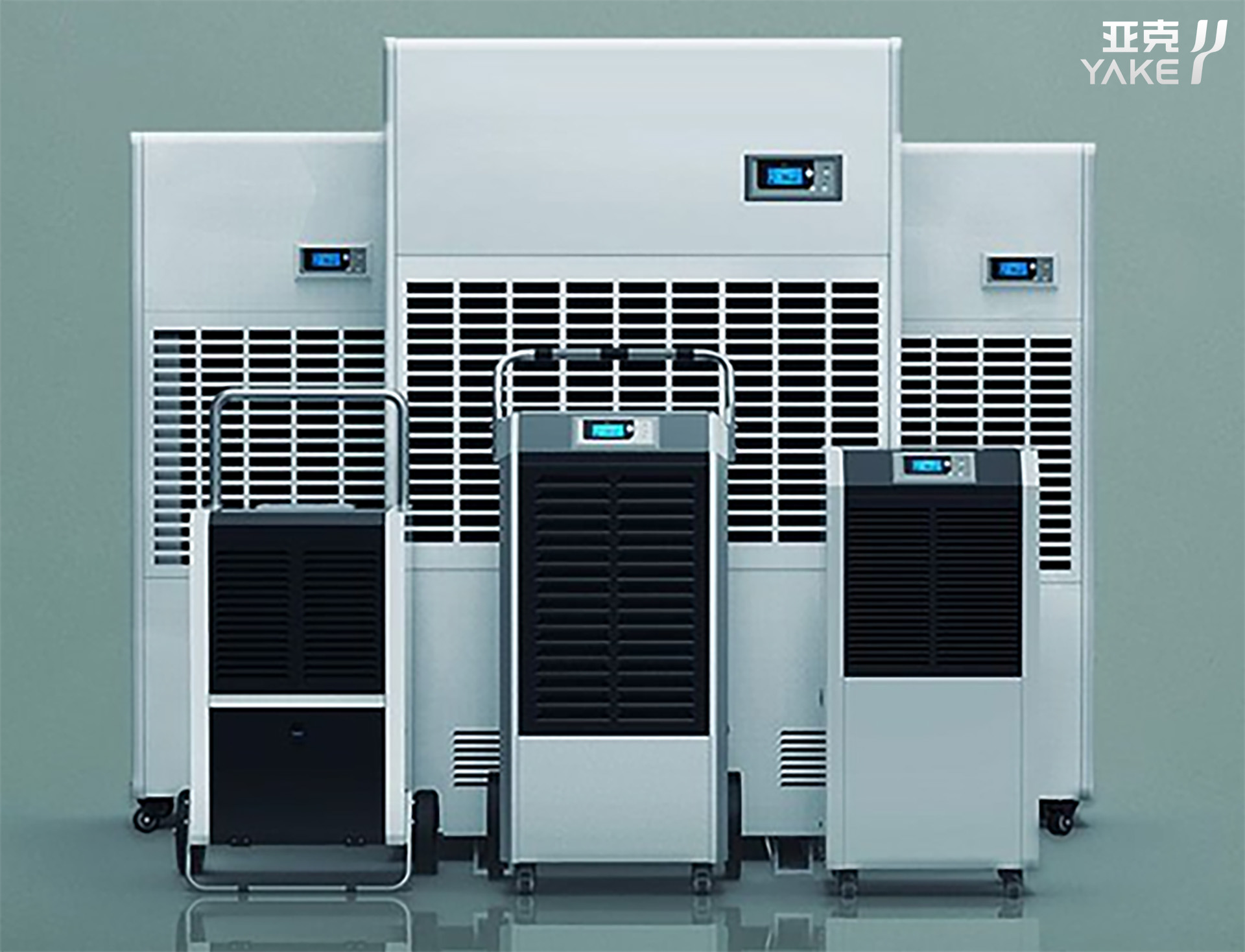
Contact us to find the best place to buy your Yakeclimate solution today!
Our experts have proven solutions to keep your humidity levels in check while keeping your energy costs low.