
Building 34, No. 535 Shunfeng Road, Hangzhou, Zhejiang, China
[email protected]


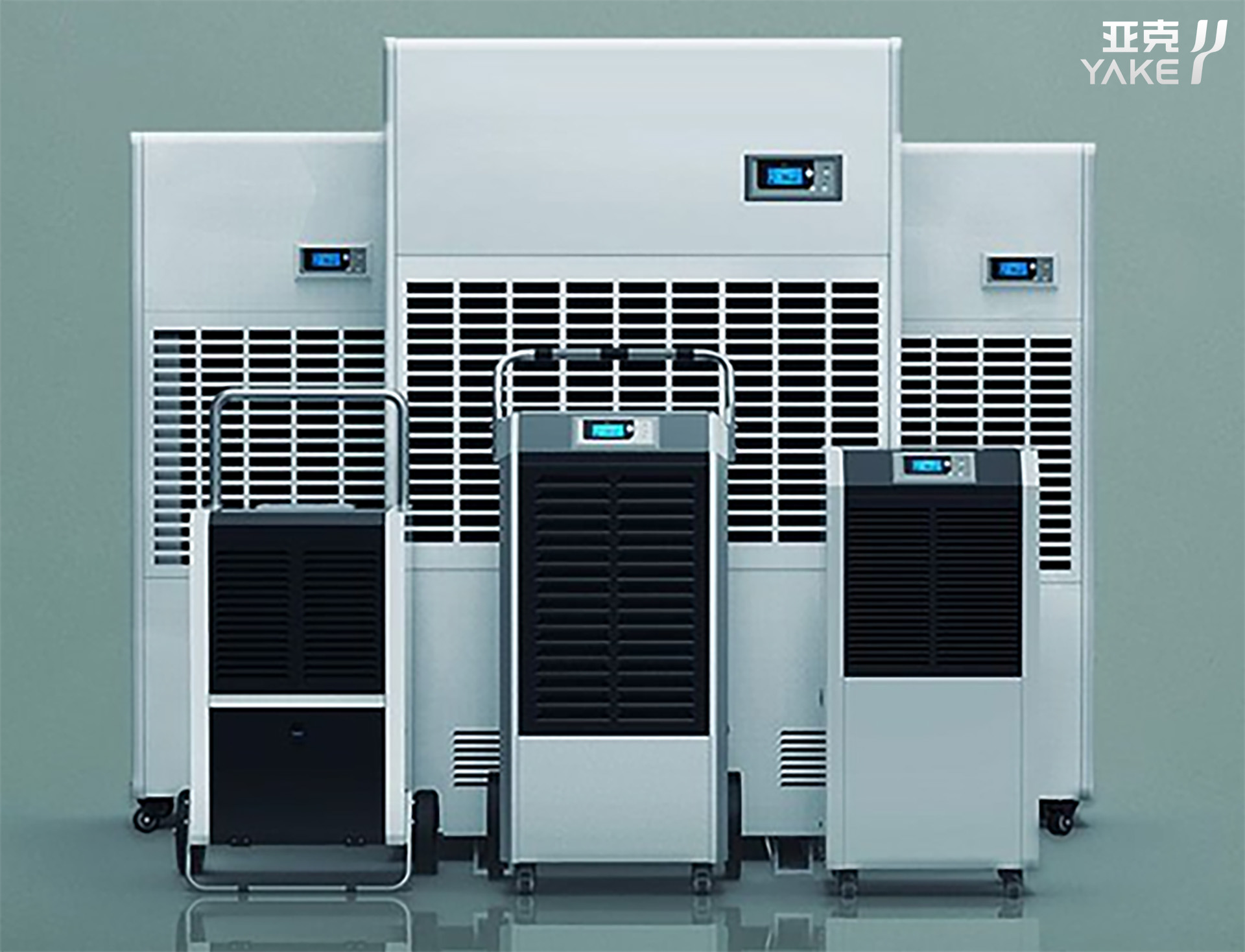
Ducted dehumidifier systems utilize ductwork to pull in moist air, extract water and recirculate dry air throughout a facility. They work great in large spaces — factories, warehouses, and even cleanrooms — where consistent air and reliable moisture control make a difference. With ducted units, air flow remains balanced and humidity remains controlled throughout every zone. Several growers select ducted dehumidifier systems for consistent performance and convenient integration into existing HVAC systems. They reduce mold, rust, and static hazard in work spaces. For sites with even more stringent regulations or sensitive lines, ducted designs provide more control than portables. Our main post explains how ducted dehumidifiers work, what to look for before you buy, and how to optimize these configurations.

Ducted dehumidifier systems act as packaged moisture-control solutions for large areas. They take moisture out of the air and maintain a constant level of humidity inside. These are frequently tied into a home’s central HVAC, facilitating moisture control throughout the structure with minimal additional effort. My goal is to maintain relative humidity between 50 and 65 percent, which prevents mold from establishing and makes the air feel more comfortable. They are used in homes, offices, and industrial sites to keep products, equipment, and interiors safe from moisture damage.
Here’s the lowdown on how ducted dehumidifier systems work. These systems run all the time to maintain relative humidity in the ideal range of 30 to 50 percent. When they work well, they reduce the risk of mold, mildew, and even dust mites.
By controlling the moisture, it aids air quality by reducing allergens that grow in the damp. Proper dehumidification saves your walls, floors, and furnishings from rot, swelling, or warping. For electronics or pharmaceutical facilities, consistent moisture results in less breakage and safer products.
Ducted dehumidifiers are designed to integrate into your HVAC. This allows them to share ductwork and fans, so you receive uniform air treatment throughout. Centralized control is a huge bonus for large sites. One system addresses the entire space, regardless of room dimensions.
These units fit with most HVAC configurations, including cooling or heating. Integration leads to less hassle, as adjusting one system affects everything. While some connect to both supply and return ducts, others require only one duct.
Main components are the compressor, evaporator coil, fan, and filter. The compressor and coil pull water out of the air by cooling it to its dew point. Fans blow the dried air into rooms.
Nice ductwork distributes the dry air and keeps each room balanced. Filters keep out dust and pollen and help air remain pure. Condensate pumps direct collected water away and keep everything safe and dry.
It all begins when warm moist air is drawn in. The air cools when it brushes against cold coils and water vapor becomes liquid. This water is pumped out. Dry air returns through ducts to every room.
Air has to circulate properly in order to maintain every space at the appropriate RH%. Bad duct combination or supply placement can cause hot spots or sweating ducts. If supply air is for one room only, that room warms up and gets stuffy.
Why Ducted Systems? Ducted dehumidifier systems are designed for industrial applications where precise humidity control is required. They perform well in big spaces, such as factories, warehouses, cleanrooms, or large offices. They’re engineered to endure, can be integrated with HVACs, and maintain an environment of dry, consistent air with minimal effort. Their design suits today’s demands for comfort, safety, and energy savings.
Ducted systems are centralized, therefore there is less energy waste. They don’t treat air room by room; they treat it all at once. That reduces additional equipment and energy. For large factories or zoned office complexes, one ducted system equals less repairs and less downtime. That equates to lower long-term costs, as rugged systems don’t fail as frequently. Certain models will save as much as 20% energy over older units. This assists plants in meeting tight regulations on energy consumption and carbon emissions.
Smart controls sweeten the deal. Automated sensors monitor humidity and modify settings quickly. Facility teams can monitor and adjust levels from anywhere, even remotely, via simple dashboards. This allows you to maintain perfectly conditioned air without having to check it manually. We acquire smart alerts that warn if things go off track, so teams can fix problems before they get big.
When you prevent water damage, you save money. Moisture can warp parts, rust machines or spoil products. By maintaining stable relative humidity, industrial plants prevent shutdowns, product loss and additional cleaning. That translates into huge savings. Often, one ducted system pays for itself in just a few years.
Specialized cellar dehumidifiers are designed for hard, musty areas such as basements and subterranean rooms. These units are designed to draw significant quantities of water from the atmosphere, even in cold, humid conditions. This makes them essential for maintaining these spaces dry and secure. Most of these models are mini, so they fit perfectly in those tight spots and low ceilings you find in basements or crawl spaces. Several can connect to existing HVAC systems, providing consistent, uniform moisture management throughout the entire space.
Specialized Cellar Dehumidifiers or key features help these dehumidifiers stand out. With powerful moisture removal rates, they’re built to take on big loads with speed. A few units operate at low temperatures, so they won’t freeze or stall in cool areas. Durable coils, typically aluminum, don’t rust and last longer when wet. Digital displays allow you to set precise humidity levels and display real-time readings. This provides plant managers and engineers granular control. Several are Energy Star certified, meaning they are lower power users and reduce cost and waste.
Managing cellar dampness is vital. Without it, mold, mildew, and bacteria run rampant. These don’t just smell; they can destroy stored products, damage building integrity, and infect people’s health. Cellar dehumidifiers curb these issues by controlling humidity. Even paint, electronics, and food products are safer when dry. To perform effectively, these devices require sufficient air circulation. That’s why smart ventilation is always part of a smart setup. Ducted models make this easy by dispatching dry air wherever it is required.
Regular maintenance counts. Filters must be inspected and replaced on a regular basis to maintain proper airflow and clean components. This keeps the unit running swift and helps it last longer. Centralized ducting means less hot spots or dead zones, so no part of the cellar gets overlooked.
As such, installation and maintenance are both crucial to keeping ducted dehumidifier systems stable and reliable in industrial settings. When executed properly, these phases ramp up productivity, minimize outages, and maintain compliance. Here’s a best practice and task breakdown.
Installation location of a ducted dehumidifier counts. Position the unit to pull humid air from the most impacted areas and provide for convenient servicing. The room should accommodate additional duct runs if necessary, particularly in two-story homes, where a ‘dedicated return to supply’ method heightens humidity management and airflow.
Measuring the space is essential. It must be installed such that dehumidified air flow remains below the primary AC air flow to avoid backflow or pressure problems. If a dehumidifier is connected to existing air conditioning ducts, complications can occur because two fans can blow and suck on the air. This puts stress on the system or decreases dehumidification.
Install and maintain with tight sealing and insulation. Cracks, leaks, or ducts that aren’t insulated squander energy and allow moisture back in. Incorporate dampers to prevent backflow and short-circuiting when the air handler is inactive. Bonus points for installing on the return side. You have to be extra cautious here because this can limit the AC’s dehumidification ability.
A good technician is essential. They know how to properly size, seal, and test the system so it runs as designed without all the obvious blunders.
Inspect humidity sensors and system controls. If readings drift, calibrate or replace. Be on the lookout for increasing humidity or inconsistent comfort. These are early warning indicators that your system requires care.
Get pro servicing at least annually. Our technicians will identify worn components, test air flow, and detect minor problems before they become major. This maintains optimal system performance, energy savings, and compliance.
Good parts and good maintenance lead to less wear and tear. With proper installation, a quality unit, along with timely maintenance, can easily run for decades with only a few part replacements along the way.
Operating the dehumidifier as specified, avoiding overloading, and immediately repairing leaks or malfunctions all assist the system’s longevity. Little fixes now keep big repairs away later.
Select a trusted brand. A well-constructed system sized for your requirements provides reliable operation and less heartburn later on.
Ducted dehumidifier systems have evolved significantly over the past decade. They now provide granular control, a more seamless experience, and increased energy efficiency. Yakeclimate spearheads these innovations by pairing smart technology with practical use cases on the shop floor or in warehouses. Today’s units are designed to operate alongside complete HVAC systems, install in multiple building styles, and maintain low humidity all year round.
| Feature/Model | Yakeclimate YKD-300 | Competitor XPro-250 | Competitor EcoDry-220 |
|---|---|---|---|
| Water Removal Rate | 300L/day | 250L/day | 220L/day |
| Energy Efficiency | 1.8 kWh/L | ||
| 2.1 kWh/L | |||
| 2.0 kWh/L |
About: All-Natural Refrigerant | R-32 | R-410A | R-290 | | Price (USD) | $4,500 | $4,200 | $3,900 | | Noise level (dBA) | 49 | 53 | 52 | | Smart Control/App | YES | rudimentary | YES | | INNOVATIONS | High output, quiet, best controls | Cheaper, basic features | Greenest, lower price | | Pros | Lower cost | No app, noisy | Lower output
State of the art humidity sensors have adopted digital technology for monitoring in real time. They transmit information directly to dashboards or smartphone applications, so operators can adjust parameters quickly. IoT connections enable plant managers to identify patterns, detect minor leaks, or repair minor bugs before they escalate. These systems are more plug and play, with obvious install guides and app assistance, meaning they’re easier than ever to set up in any structure.
Climate-safe refrigerants, such as R-32 or R-290, reduce the risk of greenhouse gas leaks and comply with new regulations on climate safety. Yakeclimate and other brands use these to reduce the carbon footprint without sacrificing power. Most designs feature three-coil tech to increase water pull with less power, saving you on your monthly bill and keeping energy consumption under control.
Low-noise design is important today. Today’s ducted dehumidifiers are below 50 dBA, so they do not disrupt working or sleeping. This is crucial for cleanrooms, labs, or offices that require low sound. With digital touchscreens and convenient app connections, owners can schedule, monitor, and organize maintenance from wherever. These innovations allowed each unit to be integrated into larger HVAC systems, collaborating with air currents for uniform, all-season regulation.
It’s about finding the sweet spot for stable, long-term mastery. My take on system sizing. Right sizing translates to improved air quality, reduced energy loss, and decreased equipment wear and tear. It’s not just for coziness; it’s about product protection, compliance, and cost containment.
Room size takes priority. Take the floor area and multiply that by the ceiling height to get cubic meters. Gigantic manufacturing halls or piled-up warehouses require much greater extraction volumes than small chambers. Next, consider humidity loads. Open tanks, routine washdown, or steam increase moisture input. Usage patterns are important as well. Shift work, machine cycles or seasonality of outside air can mean peaks and lulls in demand. Consider a plant located in a humid area with three shifts per day versus a site in a dry climate operating only eight hours.
If the system is too small, it runs nonstop, never catching up. You get high relative humidity, you get condensation on surfaces, even mold or rust. This results in product waste, equipment failure, and safety hazards. If it is too large, short cycles waste power and cause temperature swings, which stress both the unit and the HVAC. You lose efficiency and risk not hitting stable set points. In both cases, operating costs increase and lifespan decreases.
For a solid MTM, begin with an FML. Consider building tightness, climate, internal sources, and air exchange rates. Take manufacturer specs, but check them against the real site. In a pharm cleanroom, even a minor slip leads to audit failures or batch loss. In electronics, static and corrosion risk increases rapidly once RH is off. As always, double-check with industry standards, like ISO or GMP, if you’re in a regulated process.
Ducted dehumidifier systems deliver powerful performance in bustling breweries and snug cellar spaces. They work well with large scale HVAC designs and operate with fewer headaches. They preserve tools, prevent rust from accelerating, and keep inventory dry. New units consume less energy and provide greater control. Simple maintenance leads to reduced labor for employees and reduced production downtime. In pharma labs, car lines, or food plants, tight air control keeps things clean and reduces waste. Every site requires a custom solution that suits its space and process. For the perfect fit, check specs, check site requirements, and seek support from a brand that understands the work. Contact Yakeclimate for assistance with your upcoming project.
A ducted dehumidifier system is a device that removes excess moisture from the air using ducts. It’s integrated into a building’s air handling system to manage moisture for numerous rooms or extensive areas.
Ducted systems push dry air throughout the building. This promotes even humidity throughout the home, which protects furnishings and increases comfort.
Indeed, it has ducted dehumidifier systems that are energy friendly. They utilize smart controls and sensors to operate only as necessary, minimizing total energy consumption and running costs.
Cellar dehumidifiers are specifically engineered for these low-temperature, high-humidity conditions. They keep wine cellars, basements, or storage rooms free from mold and moisture damage.
Inspect filters and ducts every three to six months. Have it checked by professionals annually to keep it running well and prolong its life.
Most new ducted dehumidifier systems come with the ability to control them remotely. They can control settings and view current humidity levels via a smartphone or smart home system.
Choose a system by square footage and average humidity. Oversized units waste energy, while undersized ones are ineffective. Talk to an expert for sizing.


Contact us to find the best place to buy your Yakeclimate solution today!
Our experts have proven solutions to keep your humidity levels in check while keeping your energy costs low.