
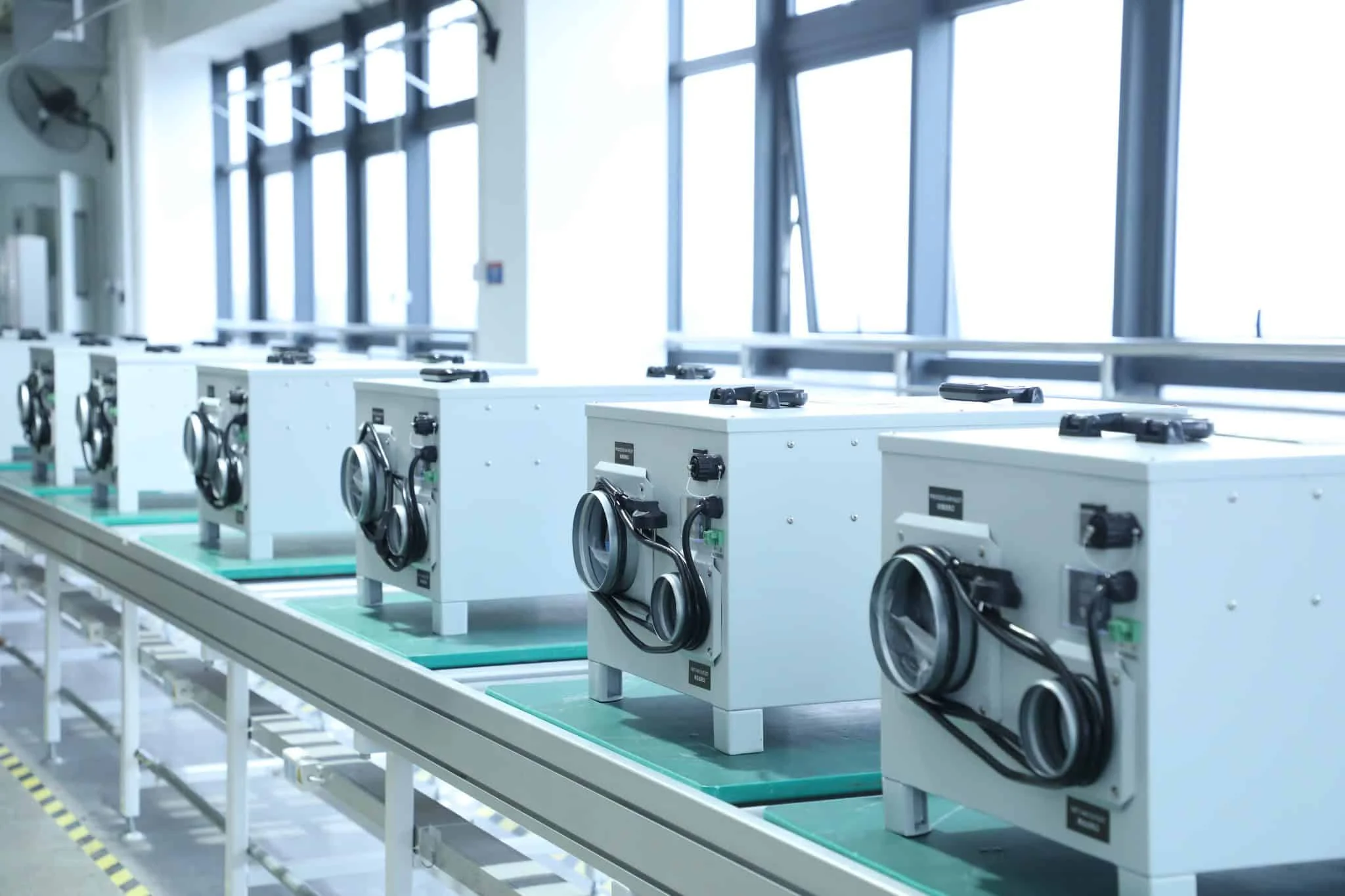
Yakeclimate dehumidification equipment production line

Resources

Practical Information for Humidity-Control Decisions

Find guides, FAQs, product comparisons, application notes, and project checklists for agriculture, energy, electrical, and industrial environments.

Use these resources to clarify the conditions behind a requirement, compare equipment options, and prepare a more focused technical discussion.

RESOURCES / 01
Technical content should support a real equipment decision. Use these resources to compare equipment options and prepare for a technical discussion.

PRODUCT SELECTION RESOURCES

Compare equipment with the conditions that determine performance

Product-selection resources explain how technology differences relate to temperature, humidity targets, airflow, installation, utilities, and project constraints.

Explore Product Selection Guides
  1. Refrigerant vs. desiccant dehumidification
  2. When low-temperature operation changes equipment selection
  3. How to prepare humidity and moisture-load information
  4. Ceiling installation, airflow, access, and drainage
  5. Humidity control for cabinets and enclosed electrical spaces
  6. Water quality and control requirements for ultrasonic humidification

PREPARE A PROJECT REQUIREMENT

Collect the information that makes a technical discussion useful

If some values are unknown, share the information you already have. The remaining questions can be identified during the initial review.

  1. Application and project location
  2. Space, enclosure, or process dimensions
  3. Temperature and humidity range
  4. Target humidity or dew point
  5. Moisture sources, airflow, and ventilation
  6. Installation position, power, and drainage
  7. Controls, alarms, and communication needs
  8. Quantity, schedule, and destination market

FEATURED & RECENT RESOURCES

Continue from the topic or application most relevant to your work

Each article links to related applications, product families, project evidence, and contact options so the next step remains easy to find.

Ladybugs in Your Garden: Nature’s Pest Control and Pollination Allies
Industrial Dehumidification

Ladybugs in Your Garden: Nature’s Pest Control and Pollination Allies

Ladybug garden ecosystem services mean the helpful roles ladybugs play in gardens, like eating pests that harm plants. These tiny beetles, sometimes known as ladybirds, eat aphids, mites and other soft-bodied bugs that frequently attack leaves and flowers.

The Key Advantages of Indoor Farming: A Comprehensive Overview
Agriculture & Controlled Environments

The Key Advantages of Indoor Farming: A Comprehensive Overview

Advantages of indoor farming are improved climate management, increased yields per square meter and consistent production throughout the year. Through controlled conditions, indoor farmers can regulate lighting, temperature and humidity, reducing the risk of pests and disease.

Dehumidifiers: How They Help Recover From Water Leaks and Prevent Mold
Industrial Dehumidification

Dehumidifiers: How They Help Recover From Water Leaks and Prevent Mold

Post-dehumidifier water leak recovery means steps to fix and clean up after water leaks from a dehumidifier. Quick response prevents further flooring, wall, and gear damage. Drains can block, tanks can get full, parts can fail, and leaks can begin.

The Economization of Vertical Farming: Key Factors Driving Cost Efficiency
Agriculture & Controlled Environments

The Economization of Vertical Farming: Key Factors Driving Cost Efficiency

Vertical farming economization is slashing cost and waste in stacked indoor farms by being smart about how you do things. Huge indoor farms save space and water compared to traditional fields. They require precise management of light, air, and water.

How Long Does Drywall Take to Dry: Essential Factors for …
Industrial Dehumidification

How Long Does Drywall Take to Dry: Essential Factors for …

Drywall drying time refers to the amount of time required for joint compound or mud to completely dry once applied to drywall sheets. Drying time usually spans 18 to 24 hours for one coat in typical interior environment conditions.

Air Cooler vs Air Conditioner
Industrial Dehumidification

Air Cooler vs Air Conditioner: Which One is Right for You?

Air cooling vs air conditioning are two different methods of cooling indoor air. Air cooling typically employs fans or evaporative coolers to circulate air and cool heat. Air conditioning employs a sealed system and refrigerants to extract heat internally and transfer it outside.

Understanding Evaporative Cooling Efficiency: Principles and Practices
Industrial Dehumidification

Wireless Temperature and Humidity Monitoring System

Wireless temperature & humidity monitoring systems deploy sensors and wireless technology to monitor critical climate data in real time. These systems assist plant managers and engineers in detecting shifts in air conditions quickly, reducing risk to products and equipment.

APPLY THE INFORMATION

Need help applying the information to a real project?

Send the application, operating conditions, target, and installation limits. We can help organize the questions that need to be answered before product selection or engineering review.

Discuss Your Requirement