
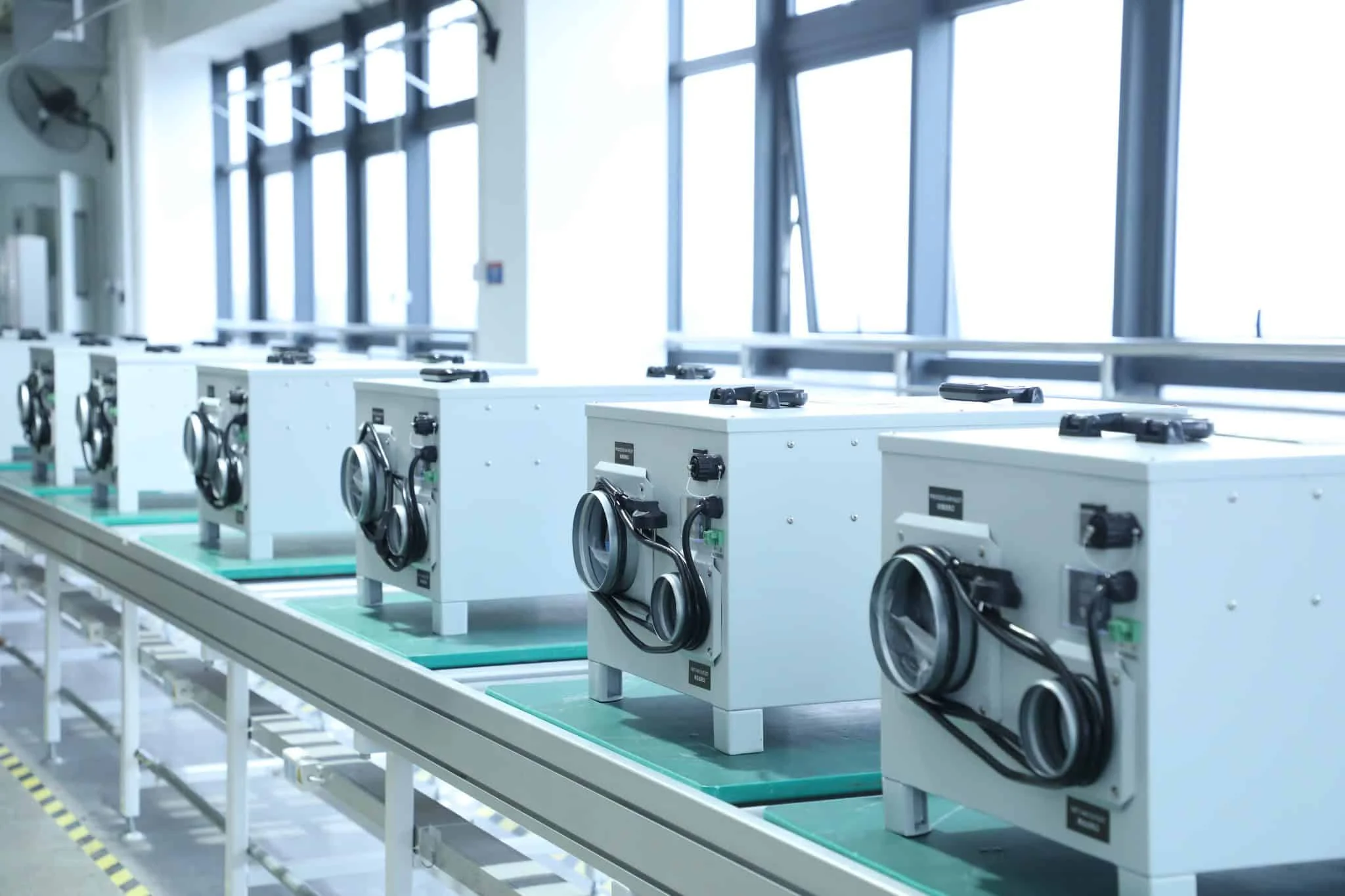
Yakeclimate dehumidification equipment production line

Resources

Practical Information for Humidity-Control Decisions

Find guides, FAQs, product comparisons, application notes, and project checklists for agriculture, energy, electrical, and industrial environments.

Use these resources to clarify the conditions behind a requirement, compare equipment options, and prepare a more focused technical discussion.

RESOURCES / 01
Technical content should support a real equipment decision. Use these resources to compare equipment options and prepare for a technical discussion.

PRODUCT SELECTION RESOURCES

Compare equipment with the conditions that determine performance

Product-selection resources explain how technology differences relate to temperature, humidity targets, airflow, installation, utilities, and project constraints.

Explore Product Selection Guides
  1. Refrigerant vs. desiccant dehumidification
  2. When low-temperature operation changes equipment selection
  3. How to prepare humidity and moisture-load information
  4. Ceiling installation, airflow, access, and drainage
  5. Humidity control for cabinets and enclosed electrical spaces
  6. Water quality and control requirements for ultrasonic humidification

PREPARE A PROJECT REQUIREMENT

Collect the information that makes a technical discussion useful

If some values are unknown, share the information you already have. The remaining questions can be identified during the initial review.

  1. Application and project location
  2. Space, enclosure, or process dimensions
  3. Temperature and humidity range
  4. Target humidity or dew point
  5. Moisture sources, airflow, and ventilation
  6. Installation position, power, and drainage
  7. Controls, alarms, and communication needs
  8. Quantity, schedule, and destination market

FEATURED & RECENT RESOURCES

Continue from the topic or application most relevant to your work

Each article links to related applications, product families, project evidence, and contact options so the next step remains easy to find.

Energy Consumption Reduction Strategies for Home and Business
Energy Storage & Electrical Environments

Energy Consumption Reduction Strategies for Home and Business

Energy consumption reduction strategies are actual measures to reduce energy used by a plant or factory. The primary ones are replacing inefficient equipment with high-efficiency units, repairing leaks in compressed air systems, and optimizing process controls.

Moisture Barriers and Vapor Retarders: Essential Solutions for Construction
Industrial Dehumidification

Moisture Barriers and Vapor Retarders: Essential Solutions for Construction

Moisture barrier solutions provide tough defense against water and vapor in a wide range of environments, from indoor farms to construction zones. These barriers assist in maintaining crops, goods, or buildings dry by preventing moisture from permeating walls, floors, or ceilings.

Crawl Space Humidity Control Solutions
Commercial & Building Moisture Control

Crawl Space Humidity Control Solutions

Crawl space humidity control ventilation means using fans or air systems to keep moisture at safe levels in the crawl space under a building. High humidity in crawl spaces may result in mold, wood rot, and poor indoor air quality.

Wireless Temperature and Humidity Monitoring Solutions for Industries
Industrial Dehumidification

Wireless Temperature and Humidity Monitoring Solutions for Industries

Wireless temperature and humidity monitoring measures changes in air and climate using sensors — no wires to tangle and no manual readings to take! These systems transmit real-time data to phones, computers, or cloud platforms, enabling users to detect trends and respond quickly.

Mold Spore Eradication: Effective Methods and Safety Guidelines
Humidification & Air Quality

Mold Spore Eradication: Effective Methods and Safety Guidelines

That’s what mold spore eradication means – pulling up and preventing mold spores from circulating indoors. Mold spores floating around in the air can destroy crops, ruin indoor air quality by inducing disease and even cause crop loss.

How long does it take for water to evaporate in different conditions?
Industrial Dehumidification

How long does it take for water to evaporate in different conditions?

Water evaporation time is the duration for which water evaporates from a surface. This time is contingent on breeze, warmth, and humidity. In factories and plants, slow evaporation can lead to wet spots, rust, or affect how products end up.

APPLY THE INFORMATION

Need help applying the information to a real project?

Send the application, operating conditions, target, and installation limits. We can help organize the questions that need to be answered before product selection or engineering review.

Discuss Your Requirement