
Building 34, No. 535 Shunfeng Road, Hangzhou, Zhejiang, China
[email protected]
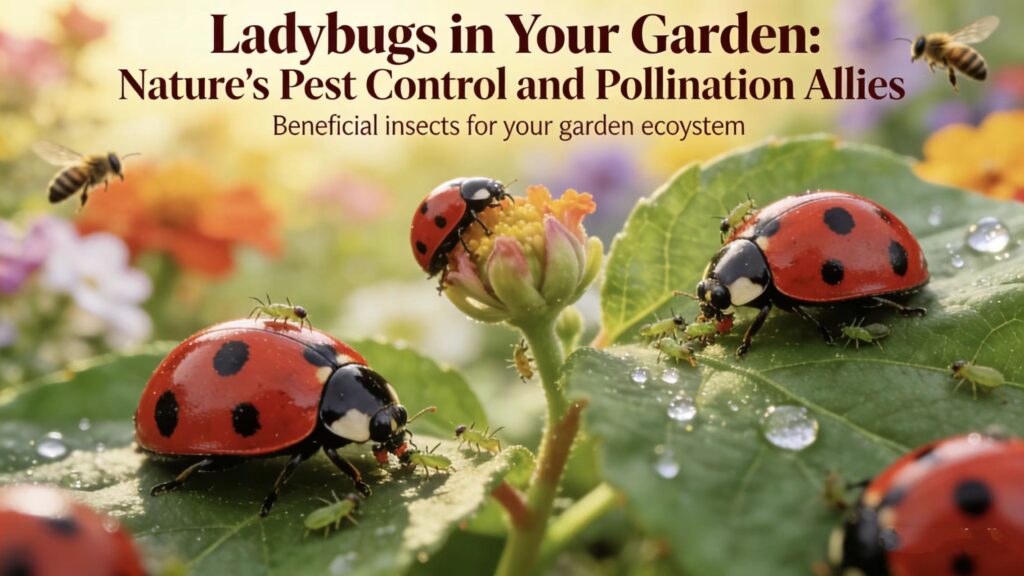

Ladybug garden ecosystem services mean the helpful roles ladybugs play in gardens, like eating pests that harm plants. These tiny beetles, sometimes known as ladybirds, eat aphids, mites and other soft-bodied bugs that frequently attack leaves and flowers. Through their pest-reduction powers, ladybugs provide valuable garden ecosystem services. Gardeners tend to notice less crop damage and more vigorous growth with ladybugs around. These beetles contribute to the garden’s balance by being prey for birds and other small creatures. For more on how ladybugs assist and how to attract them, the following sections will demonstrate practical tips and real examples for every garden size.

Ladybugs provide a lot more than cuteness. They provide vital ecosystem services to gardens everywhere. Their arrival is the sign of a robust environment, and their behaviors assist flora and horticulturists in tangible, quantifiable manners.
Ladybugs are the premier pest hunters in any garden. They consume hundreds of aphids and mealybugs each day. One ladybug can consume as many as 5,000 bugs in its lifetime, making them fierce allies in the fight against pest outbreaks. This decreases the requirement for chemical sprays, which can damage beneficial insects and soil. To many gardeners, ladybugs are a symbol of a healthy, well-cared-for garden. Their hunger maintains equilibrium, allowing other beneficial insects to thrive and perform.
Ladybugs can be broken down into four stages, from egg to larva, pupa, and adult. They’re all great for pest control at every stage. Larvae are the true gluttons. They eat roughly ten times as many aphids as adults, wiping out colonies before they get out of control. Since ladybugs reproduce rapidly, their populations can increase during pest peaks, scaling with the demand for suppression.
Understanding the life cycle aids gardeners. Every time you see larvae, it’s like more pest control heading your way. Supporting all life stages, such as providing habitat and nutrition, establishes a sustainable population for ongoing pest control.
Ladybugs are not just pest eaters. They pollinate flowers as they flit from bloom to bloom for nectar and pollen. This simple deed helps the plant grow and bear fruit. When gardeners sow a bouquet of blooms, they attract ladybugs. That’s a double win — tougher pest control and enhanced pollination. Ladybugs, bees, hoverflies and co. They all enhance the entire garden’s health.
Ladybugs indicate a garden is in harmony. A thriving colony indicates minimal use of nasty sprays and that your area is bug heaven. Tracking their population provides gardeners insight into the status of soil, plants, and the broader ecosystem, informing decisions for subsequent tending.
Environmentally, replacing chemicals with ladybugs keeps soil and water clean. Their work reduces pest damage costs that can run into the billions annually. With ladybugs, gardens accumulate strength and require less external inputs. More gardeners are turning to these natural allies for healthier, safer gardens.
A garden’s been that benefits from good insects like native ladybugs. These beetles help manage pest populations, particularly aphids and mites. Attracting native ladybugs is about cultivating a healthy ecosystem for them by feeding their hunger, quenching their thirst, providing shelter and avoiding the things that poison them.
A garden with a diversity of plants provides a paradise for ladybugs. Planting flowers and herbs like dill, fennel, cosmos, and coriander can assist. They provide nectar and pollen for adult ladybugs and attract aphid-infested prey. Nectar-rich options such as alyssum and yarrow feed adult ladybugs, enabling their complete life cycle.
Trap crops such as nasturtiums or calendula can attract aphids away from your primary crops, providing ladybugs with simple hunting terrain. A bright, diverse garden lures a higher number of ladybugs and other helpful insects, increasing biodiversity and minimizing dependence on chemical controls.
Ladybugs require water, too, particularly in desert or arid conditions. Providing shallow dishes or small ponds can give them safe places to drink.
Clean water sustains other beneficial insects as well and contributes to a balanced ecosystem. Filthy or stagnant water sources send native ladybugs packing or drying up.
Test water regularly, top up as necessary, and maintain it pesticide and detergent free.
Safeguarding ladybugs in winter translates to a greater number of their adults coming back in spring. Create landscapes that retain these traits throughout the year, and you will be helping those ladybug populations remain robust and resilient.
Buying ladybugs is the organic version of ‘picking up a can of bug spray. This approach is actually limited. If you purchase and release ladybugs, the majority of them will vacate your garden within 48 hours. In reality, fewer than 5% of released ladybugs remain after 48 hours. These ladybugs aren’t gonna lay eggs in your yard either, so you won’t have a natural supply coming in. Frequently, ladybugs marketed for pest management are gathered from nature during their dormancy, which is traumatic to them. Traumatized ladybugs bought from the corner store don’t make it through shipping or can’t adjust to new environments. As such, although one ladybug can consume approximately 50 aphids a day and upwards of 5,000 aphids in its lifetime, these advantages are of little consequence if the ladybugs don’t stick around.
There’s another danger that arises from letting loose non-native organisms. There are dozens of ladybug species in the Dakotas and the introduction of new species can disrupt local equilibrium. Non-native ladybugs could potentially outcompete local ladybugs, transmit disease, or be less effective at pest control. Even with the best of intentions, liberating the incorrect species contributes pressure to indigenous insect populations. Over time, this can alter the dynamics between pests and pollinators and occasionally exacerbate the situation.
A smarter way is to cooperate with your local ecosystem. Attracting native ladybugs is usually way more successful and sustainable. You do this by planting flowers they like, not cutting all the ground cover, and avoiding broad pesticide use. Knowing which ladybug species call your region home allows you to make decisions that support their populations. Leaving dandelions or planting dill and fennel attracts native ladybugs. Limiting pesticides assists as well. It’s not only about quitting sprays. It’s about creating an environment where ladybugs choose to reside, feast, and reproduce. That’s how you create a cycle that keeps bug populations low in your garden without continual external assistance.
A ladybug’s life cycle moves through four stages: egg, larva, pupa, and adult. All stages are critical to garden ecosystem health. By observing all four life stages, gardeners can appreciate how beneficial they are, and protecting them safeguards robust ladybug populations for seasons to come.
| Stage | Main Features | Importance in Garden Ecosystem |
|---|---|---|
| Egg | Small, yellow, laid in clusters | Marks start of pest control |
| Larva | Alligator-shaped, black with spots | Consumes pests, reduces infestations |
| Pupa | Attached, unmoving, orange-black shell | Metamorphosis into adult |
| Adult | Bright red or yellow, spotted | Feeds, reproduces, continues cycle |
Ladybug eggs are small and oval, pale yellow to orange. Typically, the female deposits them in groups on leaves or stems, frequently in proximity to aphid infestations. This placement is deliberate, as it provides larvae with nearby food. The egg stage initiates pest control in your garden. Inside each egg awaiting are pest hunters of the future. Whenever gardeners see these clusters, it’s a sure sign that ladybugs are breeding and prepared to assist. Temperature and humidity are important for hatching. These eggs require warmth and consistent moisture to incubate properly. Dry or really cold weather can harm hatching rates, so a sheltered environment supports healthy populations.
Ladybug larvae bear no resemblance to adults. They are long, black and spiky, frequently with orange or yellow dots. Their bodies are little alligators rather than beetles. Larvae consume quickly and inject a plethora of enzymes to aid digestion. One larva can consume dozens of aphids a day. This makes them among the most efficient natural pest controllers in any garden. Shielding larvae is crucial. Other gardeners confuse them for pests and scrub them out. Identifying what they look like prevents this from occurring.
The pupa is a period of transformation. Ladybug larvae cling to a leaf and make a shell. Within this shell, they become adults. It can last for a few days. The pupa doesn’t move and is easy to miss. This is an important stage for ladybug survival in the garden.
Adults are pretty straightforward to find. Their vivid hues and spots send warnings to predators and brighten up gardens. They consume aphids and other insects, reproduce, and lay eggs. Thus continues the cycle of life. By planting flowers and not using nasty chemicals, we’re supporting adults, too.
More than just garden pest control, ladybugs are tiny beetles that are components of bigger natural cycles that determine the vitality, balance, and yield of plants and soil. Their existence connects to primitive agriculture and persists in contemporary horticulture.
Ladybugs support soil health by consuming leaf and root-damaging pests. This keeps plants more robust, with less strain and fewer injuries, so roots develop undamaged. When pests are suppressed, plants do not have to waste energy defending themselves, allowing them to focus more on growth and root systems.
Healthy plants drop more organic matter that decomposes and feeds the microbes in the soil. Ladybugs, in restricting outbreaks of sap-suckers, aid this process as well, assisting in the cycling of nutrients through the soil. Good nutrient cycling means plants take up more of what they need, resulting in a richer, more lively soil.
A robust soil biome is essential for ladybugs, too. When the bottom of the food web, such as earthworms and fungi, is balanced, ladybugs can flourish. Gardeners can assist by incorporating compost, employing mulch and eliminating harsh chemicals. These actions nourish soil organisms, sustain the ladybug army, and enable gardens to sustain themselves.
Ladybugs, while not the direct fungi fighters, keep the pest count low. Pests like aphids can debilitate plants, leaving them vulnerable to fungi. Fewer pests mean less vulnerability to fungal diseases such as powdery mildew or rust.
When ladybugs control pests, plants are healthy and more resistant to spore fungi. This balance maintains the garden’s ecological stability and minimizes the use of fungicides. Healthy populations of ladybugs can indicate that your garden is heading in the right direction.
It’s useful to monitor for ladybug activity. An unexpected decline could indicate pest or fungal issues are afoot. Ladybugs are an early warning system for gardeners.
Ladybugs can make your plants more robust and productive. By consuming aphids and other such pests, they prevent leaf damage, so plants can continue photosynthesizing unimpeded. This promotes growth and results in larger yields, whether in a backyard garden or on an industrial farm.
It’s more than just pest control. Ladybugs spread pollen when they flutter from flower to flower for nectar. This assists crops such as tomatoes and beans to produce more fruit. Beyond simple pest control, their work can save hundreds of crops a year and help farmers evade losses to hard-hitting pests like the lanternfly.
Making a welcoming place for ladybugs—growing a variety of flowers, avoiding pesticides, allowing some wild area to remain—helps to keep their population flourishing. More ladybugs lead to less pest damage, stronger plants, and better yields. They’re more than neat; they’re an indication of a healthy, productive garden.
Most gardeners count on ladybugs for organic pest control. There are a number of challenges to their success. Potential garden challenges include keeping ladybugs in the garden, invasive species, migration patterns, and uninvited guests. Main challenges are:
Invasive ladybugs (like the Asian lady beetle) are real threats to garden equilibrium. These beetles can overwhelm and displace native ladybug populations, threatening biodiversity. They’re not as great for pest control and tend to come inside during the winter and emit a foul stench when they’re brushed up against. It may seem like a smart solution to import non-native ladybugs, but this represents an ecological time bomb. Natives tend to be more adapted to local pests and conditions. By prioritizing cultivation of native ladybug populations, you foster pest control and biodiversity, both of which are integral to your garden’s health.
Ladybug exodus from your garden. Most migrate to obtain sustenance or avoid inclement weather, thus their populations can decline suddenly. Seasonal changes, such as winters or dry spells, cause ladybugs to die off or disperse. Without stable shelter, they can exit shortly after release, reducing their efficacy to control pests. Crafting more permanent hideaways, such as dense plantings and ground cover, can entice ladybugs to hunker down for the season. Being aware of local climate trends allows you to anticipate when the ladybugs might come or go so gardeners can prepare in advance for lapses in this biological defense.
Unwelcome visitors like invasive pests (think the Asian needle ant or spotted lanternfly) and rival insects can interfere with ladybug action. These interlopers might prey on ladybug eggs or larvae, or just throw ladybugs out by dominating their food sources. Addressing these nuisances while protecting ladybugs requires precision. Hand-picking, smart traps, and reducing pesticides are effective methods. Being vigilant about garden health and responding promptly at the first hint of trouble keeps little issues from blossoming. Well-balanced ecosystems, with a variety of plants and habitats, go a long way to restrict the damage caused by undesirables and make gardens more robust.
Ladybugs bust their butts in any garden. They prey on tiny bugs, protect leaves and enhance equilibrium in the ground. Ladybug gardens require less spray and are more lush. Native ladybugs fit best as they know the land and plants. They make the old, store-bought ladybugs that sometimes wander off or upset the balance. Each life stage offers its own worth, not only in pest consumption but in nourishing birds and aerating the soil. Occasionally, you get issues, but the majority of gardens thrive when ladybugs are present. Give these quick tips a whirl to attract local ladybugs and watch your garden bloom. Need better plant health and fewer pests? Begin with the tiny assistants residing directly in your backyard.
They contribute to pest control in the garden, taking out aphids, mites, and scale insects. This organic pest management benefits plant vigor and minimizes chemical intervention.
Native ladybugs are better suited to local conditions and are more likely to be in balance with other species. They promote biodiversity and are unlikely to upset your ecosystem.
Bought ladybugs just fly away or die. It’s better to attract native ladybugs so that you’ll naturally have more of them around for long-term pest control and ecosystem services.
Ladybugs have egg, larva, pupa, and adult stages. Each phase contributes to pest control, particularly the larva and adult phases.
They encourage a healthy, balanced ecosystem by facilitating pollination and providing food for other beneficial creatures, contributing to overall garden health.
Ladybugs are normally good, but a few species bother people inside or dominate native insects. Keep an eye on your garden for eco balance.
Plant a variety of native plants, skip the pesticides and keep some water handy! Ladybugs are attracted to native flowers and herbs like dill, fennel, and marigold.



Contact us to find the best place to buy your Yakeclimate solution today!
Our experts have proven solutions to keep your humidity levels in check while keeping your energy costs low.