
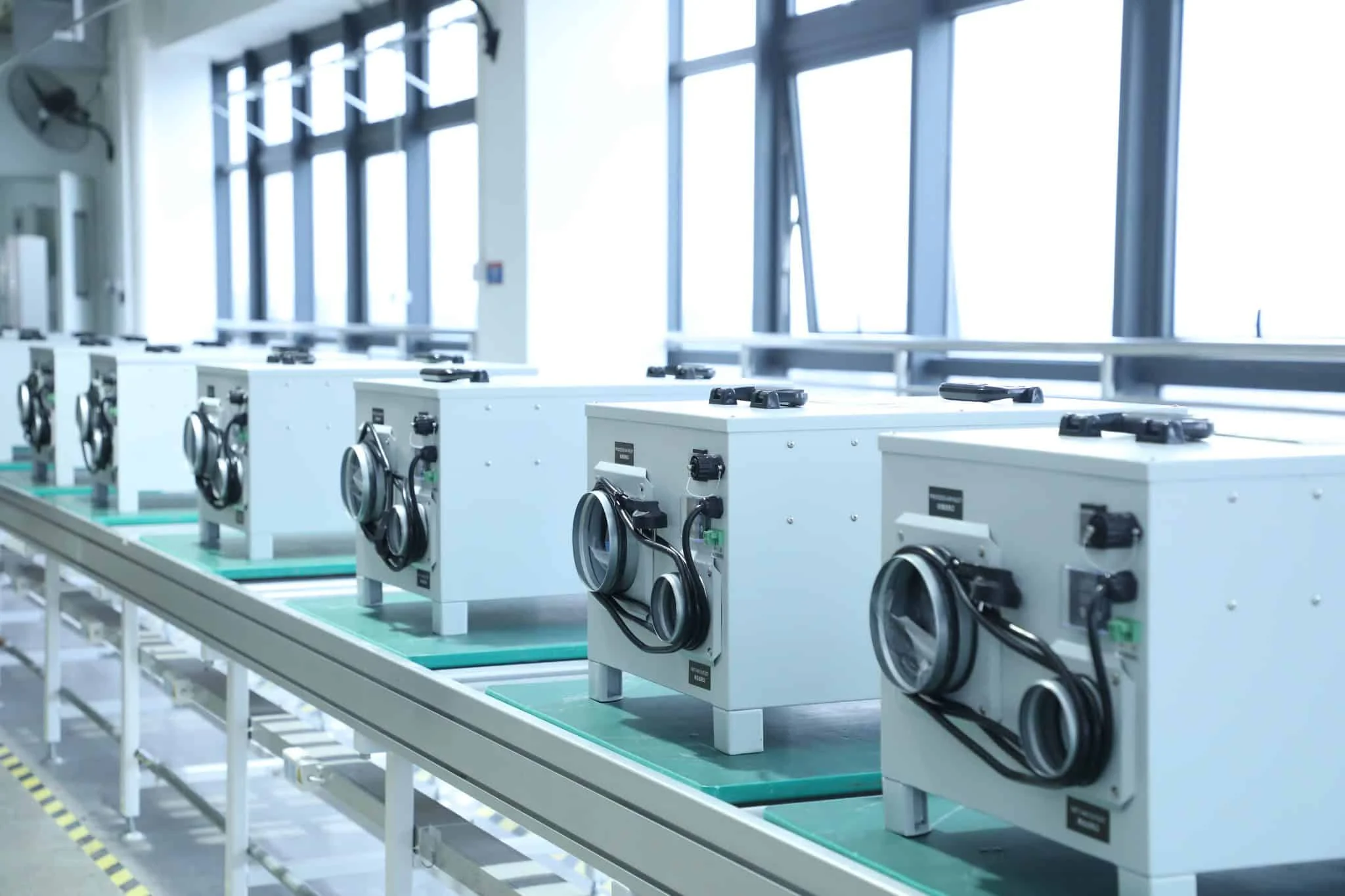
Yakeclimate dehumidification equipment production line

Resources / Agriculture

Humidity Control for Growing and Post-Harvest Environments

Application notes and selection guidance for greenhouses, indoor cultivation rooms, drying spaces, and storage environments where humidity affects the crop rather than the building.

Use these articles to describe the growing conditions, moisture load, and airflow situation before comparing equipment.

RESOURCES / AGRICULTURE
Humidity in a growing space is a crop condition, not just a comfort setting. These resources connect crop stage, moisture load, airflow, and equipment selection.

FEATURED & RECENT RESOURCES

Continue from the topic or application most relevant to your work

Each article links to related applications, product families, project evidence, and contact options so the next step remains easy to find.

Hydroponic Tomato Cultivation Techniques for Successful Growth
Agriculture & Controlled Environments

Hydroponic Tomato Cultivation Techniques for Successful Growth

Hydroponic tomato farming involves growing tomatoes without any soil, instead relying on nutrient-rich water to nourish the roots. Growers gain greater control over plant growth, can better control disease, and maintain high yields year-round.

Smart Greenhouse Climate Control Systems for Optimal Growth
Agriculture & Controlled Environments

Smart Greenhouse Climate Control Systems for Optimal Growth

Smart greenhouse climate control systems utilize sensors, software and automation to assist growers in maintaining optimal temperature, light and humidity for crops. They typically operate via a mobile app or web dashboard, allowing growers to make quick adjustments from anywhere.

Organic Farming and Sustainability Strategies for a Greener Future
Agriculture & Controlled Environments

Organic Farming and Sustainability Strategies for a Greener Future

Organic farming sustainability strategies assist farms in reducing waste, conserving water, and maintaining rich soil without harsh chemicals. These techniques employ crop rotation, compost, cover crops, and natural pest control to maintain robust fields season after season.

Greenhouse Blackout Curtain Benefits & Selection Guide
Agriculture & Controlled Environments

Greenhouse Blackout Curtain Benefits & Selection Guide

Greenhouse blackout curtains are employed to block light in greenhouses to assist growers in managing day length for crops requiring stringent light or dark cycles.

Greenhouse Ventilation Tubing Systems Explained
Agriculture & Controlled Environments

Greenhouse Ventilation Tubing Systems Explained

Greenhouse ventilation tubing systems push fresh air around indoor farms and greenhouses to keep plants healthy and growing. Proper tubing installations distribute air throughout large or densely planted areas.

Climate Controlled Greenhouse Design for Optimal Plant Growth | C&E
Agriculture & Controlled Environments

Climate Controlled Greenhouse Design for Optimal Plant Growth | C&E

Climate-controlled greenhouse design means contouring the interior volume to maintain crops in optimal conditions for growth throughout the year. A quality arrangement assists with consistent heat, light, and air circulation, in addition to reliable water and humidity.

Hydroponic Mason Jar System – Step-by-Step Guide
Agriculture & Controlled Environments

Hydroponic Mason Jar System – Step-by-Step Guide

Hydroponic mason jar systems utilize mason jars and nutrient-rich water to cultivate plants independent of soil. They allow the average person to begin growing herbs or small leafy greens at home with minimal tools and little room.

Sustainable Cacao Agroforestry Practices: 7 Essential Benefits
Agriculture & Controlled Environments

Sustainable Cacao Agroforestry Practices: 7 Essential Benefits

Shade-grown cacao maintains biodiversity and farm sustainability. By maintaining a minimum of 12 plant species per hectare and utilizing native trees that grow 12 to 15 meters in height, cultivators establish two or more canopy strata.

Vertical Farming and Hydroponics: Understanding the Differences and Similarities
Agriculture & Controlled Environments

Vertical Farming and Hydroponics: Understanding the Differences and Similarities

Vertical farming and hydroponics provide growers with complete control of climate and water consumption, allowing for crops to be grown all year in confined areas. These employ stacked layers or shelves, combined with nutrient-rich water, to increase yields and reduce water waste.

APPLY THE INFORMATION

Need help applying the information to a real project?

Send the application, operating conditions, target, and installation limits. We can help organize the questions that need to be answered before product selection or engineering review.

Discuss Your Requirement