
Building 34, No. 535 Shunfeng Road, Hangzhou, Zhejiang, China
[email protected]


Hydroponic tomato farming involves growing tomatoes without any soil, instead relying on nutrient-rich water to nourish the roots. Growers gain greater control over plant growth, can better control disease, and maintain high yields year-round. Climate systems such as dehumidifiers assist in maintaining air and water at optimal levels for crops. In the following pages, learn how to set up and optimize these systems for robust, consistent tomato growth indoors.

Hydroponic tomatoes are winning over growers seeking control, clean crops and consistent production. Hydroponics involves the roots resting in nutrient-filled water rather than soil. This configuration provides numerous advantages to any indoor farmer, from rapid growth to conserving resources.
Hydroponic systems can drive tomato plants to grow faster and yield more fruit than soil. The roots receive a constant supply of water and nutrients, so the plants don’t spend energy looking. As the grower can tailor the nutrients just so, the plants utilize nearly all of what they absorb. This results in larger, earlier harvests. To illustrate, hydroponic cherry tomatoes can begin fruiting in 8 to 12 weeks. Some growers experience a 30 percent increase in sugar content, so the tomatoes taste sweeter and more rich. If taken care of properly, hydroponic tomatoes are even more nutritious than those grown in dirt. The system allows the grower to provide the precise nutrient mix the plants require for vigorous growth and superior fruit.
Tomatoes in soil are frequently struck by soil-dwellers such as root rot or nematodes. In hydroponics, these risks plummet because there is no soil for the pathogens to lurk in. The closed-loop system reduces the use of pesticides and herbicides altogether. Many growers maintain their hydroponic systems with no chemicals, which benefits both the plants and their consumers. This simplifies compliance with food safety regulations and provides reassurance to consumers who demand pure, safe fruits and vegetables.
Hydroponic tomatoes use up to 90% less water than field-grown ones. This is due to the fact that the water in the system is recycled and there’s minimal waste. The plants simply absorb what they require, so runoff is not a major concern. Hydroponics means you can grow more tomatoes in a smaller space. They can use vertical racks or stack systems, which hits the mark in urban areas where land is at a premium. Less water, less space, and more crop per square meter all combine to create a smaller footprint.
With hydroponics, tomatoes are not reliant on the weather or season. Indoor farms can cultivate and harvest tomatoes year-round, with lights and climate controls creating optimal conditions. This is critical for consistency of supply and satisfying market demand, regardless of the season. Maintaining the nutrient mix and pH between 5.5 and 6.5 is critical. In this manner, plants receive exactly what they require for optimal vigor. Energy-saving climate tools, such as industrial dehumidifiers, stabilize humidity, prevent mold, and safeguard crops. All of this fosters nonstop, high-quality tomato yields with less waste.
When hydroponically growing tomatoes, choosing a tomato cultivar is an important decision. Your chosen variety affects yield, disease risk, and how well the plants fit your system. Among these tomato cultivars, most growers seek characteristics such as fruit size, disease resistance, growth habit, and flavor profile. Others opt for cultivars with a greater concentration of sugar, measured in Brix, to enhance flavor. Seed cost and market demand are important factors.
About: Choosing Tomato Cultivars
Of course, see the table below for a comparison of some common hydroponic tomato varieties.
| Variety | Fruit Size | Growth Habit | Brix (Sugar) | Disease Resistance | Notable Traits | Seed Cost (EUR) |
|---|---|---|---|---|---|---|
| Brutus Hybrid Beef Tomato | Large | Vining | Medium | High | High yield, sturdy | 2.90 (6 seeds) |
| Rosada Cherry Plum | Small | Vining | High | Moderate | Intense flavor, gourmet price | 4.05 (6 seeds) |
| San Marzano Plum | Medium | Vining | Medium | Moderate | Paste, the sauce classic | 2.60 (15 seeds) |
| Matts Wild Cherry | Small | Bushy | High | Moderate | Heirloom, rich flavor | 2.30 (20 seeds) |
| Beefmaster Hybrid | Large | Vining | Low | High | Disease resistant, big fruit | 2.80 (10 seeds) |
Which means that when fruit has set, bushy (determinate) tomatoes automatically stop growing, whereas vining (indeterminate) types will continue to grow and set fruit. The chart below underscores these differences.
| Growth Habit | Plant Height | Pruning Need | Support Required | Yield Duration |
|---|---|---|---|---|
| Bushy | Short | Low | Minimal | Short period |
| Vining | Tall | High | Trellis/stakes | Continuous |
Choose a growth habit that suits your hydroponic arrangement. Vining varieties are a great fit for vertical gardens. They require trellis systems and provide consistent yields. Bushy varieties are well-suited for tight quarters and require less trimming.
Growth habit determines how you handle light and nutrients. Tall vines may shade short plants if spacing is close. Vining plants consume more water and nutrients and space out the harvest. Bushy varieties produce an early single flush, allowing you to replant frequently in quick turnover systems.
Pruning and plant support are different. Vining plants should be pruned for air flow and to reduce disease risk. Bushy varieties require less staking and attention, but their abbreviated life cycle could cap your production.
Just PICK the fruit size to suit you or your market. Large-fruited types such as beefsteak are great for slicing and fresh eating and require additional support and nutrition management. Small-fruited varieties like cherry or plum tomatoes are for snacking, salads, or specialty markets. They’re generally more forgiving in confined spaces.
Bigger fruit requires more nutrients and more robust support frames. In hydroponics, this might translate to more regular inspections and reinforced trellises. Small-fruited cultivars generally produce more fruit per plant and require more frequent harvesting.
Fruit size affects plant spacing requirements. Big tomatoes require more room and thus fewer plants can be grown in a given area, reducing gross yield per square meter. Smaller varieties can be planted tighter, increasing density. Combining sizes maintains a consistent supply and satisfies diverse market demands.
Most growers try a combination of sizes and see what works. For instance, combining cherry and plum varieties can provide a mix of quick harvests and dependable fruit throughout the season.
Some hydroponic systems prefer different tomato cultivars. Deep Water Culture can sustain vining varieties that require consistent moisture and nutrients. Nutrient Film Technique is appropriate for small, bushy varieties with shallow roots.
Check root depth and plant vigor before deciding on a system. Vigorous, deep-rooted cultivars fare best in media-based systems with large substrate volumes, such as coco coir or rockwool slabs. Determinate varieties with shallow roots suit NFT or little-bucket setups.
Each tomato cultivar has its own particular requirements for light, flow, and nutrients. For example, San Marzano tomatoes prefer consistent, moderate nutrition. Matt’s Wild Cherry takes small shifts in pH or nutrients in stride.
Experienced growers run multiple systems in parallel as an experiment. That way, you help find the best match for every type and avoid things like root crowding or poor nutrient absorption.
A good hydroponic tomato process provides growers a consistent method to control every step, from seed to harvest. Every stage requires delicate monitoring and constant adjustment. This enables farmers to utilize less, eliminate waste, and maintain the plants in optimum condition. Here’s an outline of the core steps in hydroponic tomato cultivation:
Selecting an appropriate hydroponic system configures how efficient and fruitful your venture will become. Aeroponic and drip irrigation fit tomatoes well because of their strong root support and consistent feeding. Drip irrigation is celebrated for its water savings and for providing nutrients evenly, while aeroponics can provide faster root growth but requires more maintenance. For the most part, commercial growers choose a system that suits their scale and available space. DIY setups are fine for smaller spaces or experiments, allowing growers to adjust the configuration and experiment. They need to be straightforward to clean and scale, or else people’s time and downtime add up.
Tomatoes require a balanced diet. The core macro nutrients — nitrogen, phosphorus, and potassium — have to be tuned for each growth phase. Young plants require less nitrogen, particularly in the early stages up to the second truss. Growers typically order highly concentrated stock solutions containing 12 to 13 fertilizer salts, which they then mix and dilute for daily use. This conserves space, maintains nutrient stability, and prevents algae growth. Electro-conductivity checks ensure the solution remains in range, with pH between 5.5 and 6.5 indicating the roots can absorb nutrients efficiently. We tweak the drip’s pH to keep the root zone balanced, particularly if pH creeps above 6.5.
Tomatoes require consistent lighting from seed to harvest. Full-spectrum LED grow lights work best, as they mimic the sun. The right light spectrum enhances photosynthesis and provides superior fruit coloration and flavor. Both intensity and duration are important. Plants thrive at 14 to 16 hours per day, with intensity calibrated to prevent leaf scorching. Lights need to extend to all the plants or some will lag. It assists in experimenting with different spectrums and setups to find what’s best for your crop.
Tomatoes like consistent climates. Maintain day temperatures of 20°C to 25°C and night temperatures between 18°C and 20°C. Humidity must remain moderate to prevent mold, so ventilation is critical. Good airflow keeps leaves dry and assists in pollination. Watch water temperature as well. If it is too cold or hot, roots cannot absorb nutrients effectively. Automated sensors and timers simplify this task and reduce the risk of error. A secure environment equates to less stress and greater yields.
Hydroponic tomatoes require robust support. Utilize trellises, stakes, or mesh cages to keep stems upright and fruits off the ground. Hydroponic tomato growing. Lightweight, sturdy materials are ideal; they are simple to transport and clean. Modify stakes as they grow, or stems may break. Proper support ensures that more light hits every leaf, decreasing the likelihood of rot or insect infestations.
Growing delicious, high-yield hydroponic tomatoes requires more than just feeding plants and waiting for fruit. It means understanding what makes tomatoes flourish, monitoring the essentials each day, and utilizing appropriate equipment for consistent growth. Whether heirlooms, such as Brandywine and Cherokee Purple, or run-of-the-mill high-yield hybrids, growers want flavor and yield. Careful management and climate control, particularly humidity and temperature, are the foundation of success.
Do’s and Don’ts for Hydroponic Tomato Flavor and Yield:
Nutrient stress appears in yellowing leaves, weak stems, or bad fruit set. Catching these indicators early is crucial for farmers seeking to maintain tomatoes that are robust and tasty. Watch your hydroponic solution. When pH strays beyond 5.5 to 6.5, plants can’t absorb what they require. Lack of potassium or magnesium can leave tomatoes tasteless or slow to ripen. Small, steady tweaks to the nutrient mix, not big shifts, help roots adapt and reduce the chance of shock. Track changes and plant responses to develop a consistent feeding regimen over time.
Tomatoes require exposure to optimal light levels at a specific period. Employ a light meter and measure at leaf level, as shadows can deceive the eye. In early growth, maintain moderate intensity to develop strong stems and leaves. As flowers and fruit set in, increase the intensity; this helps increase sugar content and yield. Arrange lights such that each plant receives equal exposure and prevents hot spots or shadowed areas. If growing indeterminate varieties, move lights higher as plants stretch to keep up with their upward growth.
Harvesting at the optimal moment is crucial not only for flavor but for yield. Search for a rich, uniform color and a bit of softness to the touch; these indicate optimal ripeness. Keep tabs on days from flower to pick for each variety to optimize harvest. With indeterminate tomatoes, harvest fruit as it ripens for a consistent bounty. Determinate types can ripen all at once, so get ready for mass harvests. Flushing a week before picking can do wonders for flavor by washing out built-up salts and nutrients.
Hydroponic tomato cultivation creates its own problems which require intelligent management. These issues arise more in closed, controlled configurations where air, water, and nutrients have to be monitored carefully. Staying one step ahead of hazards requires vigilance, smart equipment, and community know-how.
Exchange advice and exchange ideas with other cultivators. Industry forums, local groups, or online networks provide new perspectives on these common cultivation challenges. Collaborate with climate control specialists to design systems tailored to your crops and environment.
The future of tomato farming is smart hydroponics. With increasing urbanization expected to hit 68% by 2050, there’s obvious demand for food solutions that operate in minimal spaces with low resource consumption. Smart hydroponics uses sensors, automation, and software to help growers keep the perfect balance of light, water, air, and tomato nutrients, resulting in healthy crops with minimal waste.
Recent advances in hydroponics technology and the internet of things have made it possible for indoor growers to operate systems that automatically monitor and adjust the environment. Automated systems deploy climate sensors to check temperature, humidity, and light every second. They input this data into control units that adjust fans, lights, and pumps accordingly. For tomatoes, these set-ups can detect when humidity is excessive, which is a major threat for mold. Automated systems like Yakeclimate keep the air dry just at the right level, preventing mold before it grows and minimizing disease. Automated dosing systems test nutrient levels in the water and supplement appropriately, so tomatoes always receive what they need to thrive. They work with mobile apps or dashboards, so growers can monitor and adjust conditions remotely.
Data analytics is now a staple of smart hydroponics. Sensors capture thousands of data points every day. Software tools search for patterns, such as how quickly tomatoes ripen at a specific air temperature or which nutrient combination results in the largest crop. Growers can then use this information to optimize the system for each crop. Smart hydroponics lets you identify nutrient deficiencies as they arise, with more than 90% accuracy, enabling quick remediation and more robust growth. Water and fertilizer only get used when needed, saving money and helping the planet. It assists in maintaining food production because the system is operational throughout the year, irrespective of external weather conditions.
Smart hydroponics for the planet and the bottom line. It uses as much as 90% less water and no heavy machinery or chemicals, offering growers a solution to reduce waste and pollution. Adaptive hydroponics can achieve a 200% return on investment due to increased yields and reduced operating costs. Consuming just 50 liters of water per kilogram of tomatoes, which is 75% less than old-school farm-grow, smart hydroponics is both efficient and green. With the right planning, it can contribute to 30% food sustainability in 2030, even if merely 1% of the globe’s land is cultivated. Smart hydroponics isn’t simply new tech; it’s about collaborating to create sustainable food systems.
Hydroponic tomato growing requires keen attention and manual labor. Tomatoes need that perfect combination of light, water, air, and nutrition. Small changes in humidity or heat can swing growth or taste quickly. Tools such as precise sensors and constant dehumidifiers assist growers in maintaining close control. For growers, dial in daily routines, validate readings, and adjust. Maintain air dry enough to prevent mold, but not so dry that plants dry out. A couple of growers in Berlin employ Yakeclimate dehumidifiers to maintain stable conditions and experience obvious improvements in crop vigor and size. To enhance yield and taste, experiment with innovative configurations, monitor key metrics, and apply scalable technologies tailored to your farm. Want to see even more stable crops? Contact Yakeclimate for tips on intelligent, reliable climate equipment.
Hydroponic tomatoes grow faster, use less water, and require less space. It eliminates pests and disease, providing more consistent, higher-quality yields.
Small disease-resistant varieties such as cherry, grape, or determinate type varieties work best. They thrive in controlled conditions and provide high yields.
Keep an eye on the pH and electrical conductivity of the nutrient solution. Apply balanced formulas customized for tomatoes.
Tomatoes love 18 to 26 degrees Celsius, 14 to 16 hours of daily light, and 60 to 70 percent humidity. Constant airflow and spacing encourage strong plants and good fruit set.
Pick flavor-packed varieties, optimize the nutrient solution, and provide consistent lighting and temperature. Prune plants and pollinate flowers to increase yield and sweetness.
Nutrient imbalances, disease outbreaks, and pollination problems are some of the critical challenges. Vigilant observation and quick intervention forestall the majority of troubles.
Smart hydroponics automates nutrient, light, and climate control using sensors. This results in greater yields, improved efficiency, and more predictable outcomes.


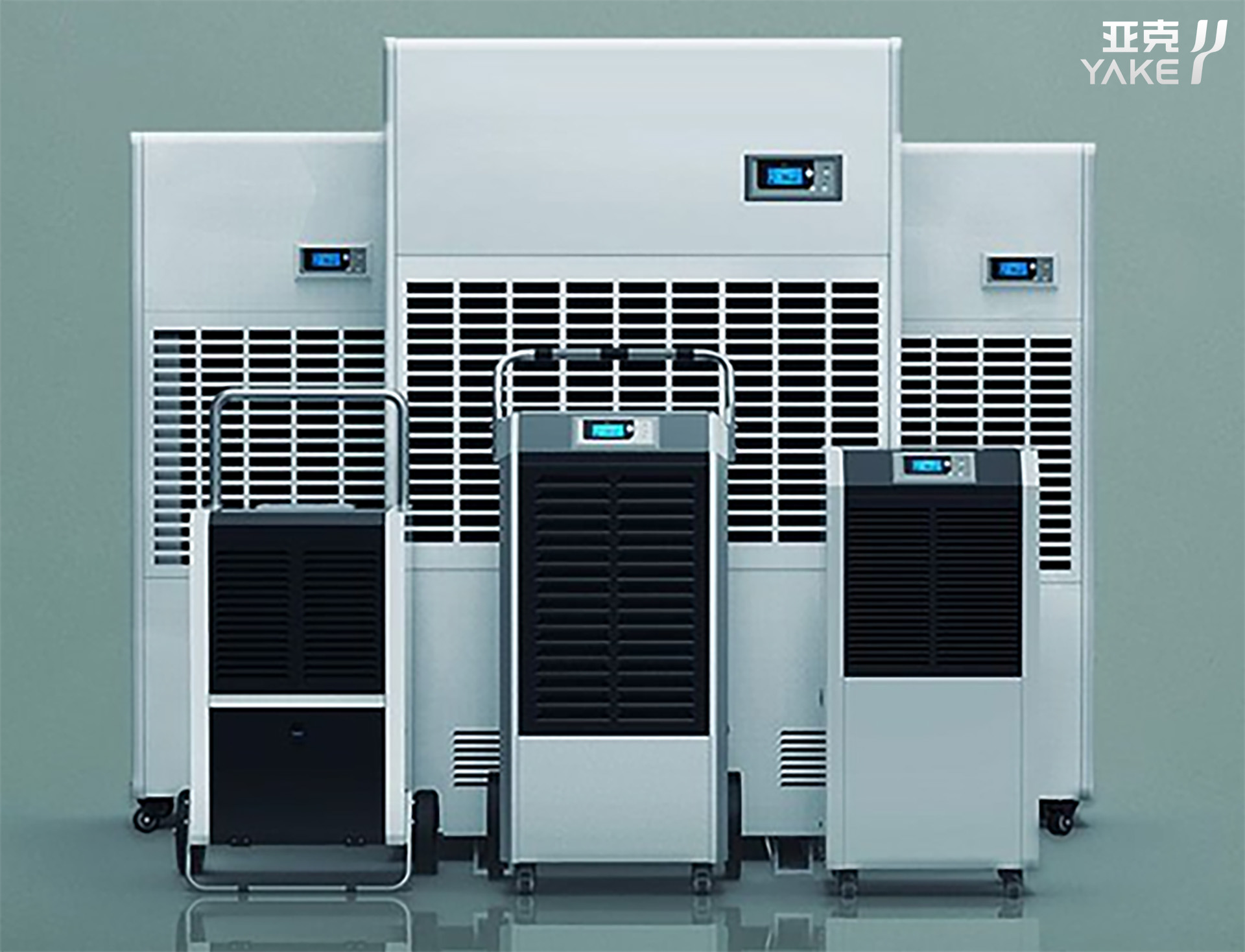
Contact us to find the best place to buy your Yakeclimate solution today!
Our experts have proven solutions to keep your humidity levels in check while keeping your energy costs low.