
Building 34, No. 535 Shunfeng Road, Hangzhou, Zhejiang, China
[email protected]


Smart greenhouse climate control systems utilize sensors, software and automation to assist growers in maintaining optimal temperature, light and humidity for crops. They typically operate via a mobile app or web dashboard, allowing growers to make quick adjustments from anywhere. A consistent climate helps plants thrive and use energy efficiently. To demonstrate how these smart greenhouse climate control systems transform indoor food cultivation, the following sections dissect the key features and practical advantages.

Smart greenhouse climate control systems are state-of-the-art setups that assist growers in regulating temperature, humidity, and light on the fly. They rely on a combination of sensors, software, and machinery to maintain an optimal microclimate for crops. The aim is to contribute to plant growth strength, resource reduction, and less waste. With these controls, growers can monitor and adjust their greenhouse operation regardless of their location. Smart climate systems can trace real-time data, so adjustments occur rapidly, which maintains consistent growing conditions. Many growers rely on these to facilitate sustainable farming, minimize energy consumption, and manage water waste.
Sensors are the primary instruments that monitor factors such as temperature, humidity, light, and occasionally air carbon dioxide levels. Typical examples are thermometers for heat, hygrometers for moisture, and PAR sensors for light. Others supplement with soil moisture probes or leaf temperature sensors as well.
Without good data, it is difficult to understand what is happening in your greenhouse. Sensors keep the system’s brain updated, sometimes every few seconds. This aids growers in detecting minor fluctuations prior to them turning into an issue.
Accurate sensors matter. If a temperature sensor is even a degree off, it might overheat or overcool the system, stressing the plants and wasting energy. Quality sensors prevent that.
Certain sensors can immediately cause reactions, such as activating a fan if the heat climbs too high. This rapid feedback loop is critical for consistent growing.
Actuators are the components that execute tasks such as vent openings, fan activation, heater ignition, and irrigation pumps. When the control unit issues an order, actuators are quick to maintain the climate.
For instance, if humidity becomes too high, actuators can open windows or operate a dehumidifier. If more light is required, they can open shades or activate LEDs.
Speed is everything. If actuators wait too long, small problems can turn big. A rapid reaction maintains plant health and reduces the threat of disease.
Actuators help conserve energy. By operating only as necessary, systems prevent waste and reduce expense.
The central brain is the piece that collects all the sensor data. It takes real time decisions, like whether to cool down things or supplement with more light.
This control unit must be dependable. If it crashes or stalls, the entire system can fall apart quickly. A powerful central brain coordinates it all to keep the climate just right.
It integrates all the components, including sensors, actuators, and software, so the greenhouse operates as a unified system.
Software is the interface growers actually see and interact with. It delivers live readings, trends, and alerts. Any good systems will have dashboards that are easy to check from a phone or computer.
Remote access is typical. Growers can monitor and adjust settings remotely, which is convenient for expansive or isolated farms.
So do software updates. They repair bugs, add features, and enhance security.
Analytics systems assist in identifying trends, monitoring plant health, and preparing for higher yields. With this, growers find out what works best for them.
Smart greenhouse climate control systems influence plant vitality in ways that traditional gardening cannot. These systems harness real-time data to maintain perfect air, light, and temperature for each crop, every hour of the day. The tie between controlled environments and plant vitality is strong:
For short, your impact on plant vitality. By maintaining temperature and humidity in the sweet spot, plants transition from seed to harvest more quickly. Seeds sprout faster with proper heat and consistent watering. Salad greens such as lettuce and spinach germinate best at cooler temperatures, whereas some crops like tomatoes require a warmer start.
Grow lights come to the rescue on cloudy days or to extend day length, ensuring plants receive sufficient light for consistent photosynthesis. This allows plants to continue to thrive through winter or overcast days. Tomatoes, cucumbers, and peppers have been demonstrated to produce twenty-five to fifty percent more in test environments. Rapid cycles provide increased harvests per year. Growers can schedule production every month of the year, not just one or two seasons.
That’s controlled growing brings better quality. Consistent temperatures and humidity result in less deformed fruits or leaves, less bruising and more vibrant colors. Lettuce remains crisp, tomatoes ripen evenly and herbs retain robust flavors. Less weather variation leads to less stress, so the plants develop with fewer imperfections.
Markets anticipate clean, nice looking product. Consumers eat with their eyes and they want fresh looking, fresh tasting food. Climate control systems assist growers in achieving these demanding requirements and provide them a competitive advantage in a difficult marketplace. Reliable quality translates to less spoilage and happier customers.
Smart greenhouses prevent sickness and bugs. Stable environments are more difficult for fungus and destructive insects to thrive in. Humidity and temperature control are crucial, as humid conditions promote mold and dry air can put plants under stress. Maintaining levels appropriate for each crop is an easy way to prevent problems before they begin.
Wireless sensors and real-time data help green thumbs identify problems early. If a humidity surge signals mold danger, the system can purify the air before issues arise. This reduces the requirement for brutal chemicals. Less pesticide means lower costs and safer crops. Strong plants require less triage, which makes the entire system more effective.
Smart greenhouse climate control systems require intelligent core technology to take growing to the next level. They leverage a mix of IoT, AI, and analytics with a mission to maximize every resource, increase yields, and reduce energy expenses. With sensors and computing platforms working twenty-four seven, greenhouses can respond in real time to changes both inside and outside. This translates to more control, greater consistency, and less waste for growers.
IoT integration means that each device in the greenhouse taps into one network. Sensors monitor humidity, light, temperature, and soil moisture. Information streams to a hub, typically in the cloud. Operators can monitor live readings and intervene remotely from anywhere. This is useful for distributed teams or when operating multiple locations.
IoT allows various greenhouses to exchange information. A farm in Spain can contrast those crop responses with one in Japan. These insights assist in identifying problems early and deploying best practices across the board. Remote monitoring with IoT implies issues are identified rapidly, which leads to reduced downtime and reduced crop damage. Leveraging inexpensive hardware solutions like Raspberry Pi makes IoT systems accessible. That brings smart farming to more growers, regardless of size.
Operational efficiency gets a boost. Things like irrigation or ventilation can operate on fixed rules. When a sensor senses dry, water flows. Less screwups, less work, and plants get exactly what they need when they need it.
AI-based technology helps you preemptively solve problems with artificial neural networks that detect patterns and make predictions. By making smarter decisions, growers experience up to 30% more yield and save nearly 50% of the water. AI adjusts quickly, so it’s effective for both greens and tomatoes, even if grown adjacent to one another.
Data analytics is the spine for knowing how plants grow. Each reading, such as light, temperature, and CO2, is recorded and monitored over time. By reviewing these logs, cultivators detect surges or lulls in plant vitality. Trends tell you what’s working and what has to change.
When analytics discovers a pattern, farmers can move resources. Water this, water that. It helps save costs and keeps plants hearty. Anomalies such as a quick drop in humidity get flagged. That way, squads patch problems before they propagate.
Predictive analytics uses this data to schedule the upcoming crop cycle. Smarter predictions lead to fewer shocks and more consistent crops. In the high-tech greenhouse, analytics doesn’t simply support a decision; it is integrated into a daily habit.
Greenhouse tech has evolved from reactive automation to smart systems that don’t merely respond. Now, predictive ecosystems utilize real-time data and machine learning to identify issues before they occur. They monitor thousands of datapoints each day through wireless sensors, IoT networks, and cloud tools. They harness algorithms that do more than react and learn from trends, assisting growers in planning for changes in temperature, light, or humidity before crops experience them. This transition reduces waste, enhances resource efficiency, and maintains consistent yields amid fluctuating weather or supply challenges. Predictive approaches are proving key for food security and sustainability as climate patterns become less predictable.
Contemporary greenhouses may tap solar panels or wind turbines to charge lights, fans and climate control. This mix with renewables assists in controlling costs and reducing carbon footprint, which is crucial as energy prices fluctuate and sustainability goals intensify worldwide. By generating their own power, growers have more control over their systems and are less vulnerable to outages or price increases on the grid. Solar-powered greenhouses in Spain and the Netherlands, for example, demonstrate how renewables can support daily operations and save surplus energy for overcast days. Energy independence is now a pillar of smart greenhouse design, rendering operations more resilient and future-proof.
Adaptive algorithms are the brains of these predictive ecosystems. They tap real-time sensor feeds, monitoring moisture, air temperature, and CO₂ levels to adjust climate controls on the fly. With every iteration, these algorithms grow more intelligent, understanding which adjustments result in improved expansion or reduced decline. If a cold front moves in or a heat wave hits, it senses the change and shifts settings before crops are stressed. This perpetual learning feedback loop increases yields, reduces water and power consumption, and lowers costs. Machine learning tools identify patterns lurking in data, such as early indicators of disease or pest outbreaks, allowing growers to take preemptive action instead of responding after the fact.
With more data flowing through cloud apps and wireless networks, cyber threats loom. Hackers and malware can go after control systems or pilfer sensitive crop or business data. Typical vulnerabilities are poor passwords, outdated software, and unprotected network connections. To protect these systems, robust security measures such as encryption, multi-factor logins, and frequent software updates are key. Good practice means checking for threats often and training staff to spot scams or suspicious behavior on the network. With more greenhouses going online, strong digital security is as important as climate control or crop health.
Greenhouse environmental controls come in all shapes and sizes. All are intended to support healthy plants and increase yields. What’s right for you depends on the size of your greenhouse, the types of crops you grow, and your goals as a grower. These can be anything from a thermostat to fully automated, self-running networks. Choosing well is critical to conserving energy, reducing expenses, and producing superior crops. More advanced systems tend to provide more opportunities for tuning, but they can require more expertise to configure and operate. Customizing a system allows growers to tailor climate requirements to every crop or growing method, which can help performance and productivity.
| System Type | Complexity | Key Features | Best For |
|---|---|---|---|
| Manual Controls | Low | Switches, thermostats | Small/basic greenhouses |
| Zonal Control | Medium | Area-based climate management | Mixed crops, variable requirements |
| Integrated Systems | High | Multi-function, centralized | Large, diverse operations |
| Fully Autonomous | Very High | AI, sensors, minimal human input | Commercial, high-tech production |
Zonal control involves dividing a greenhouse into zones and controlling each zone individually. Each zone can be configured with its own heat, lighting, and humidity settings. This proves useful when growing multiple crops under one roof.
By customizing the climate in each zone, growers can accommodate different plant types or phases of development. For example, leafy greens might require cooler, more humid corners, whereas fruiting plants such as tomatoes thrive in warmer, drier air. Zonal control helps reduce waste by delivering resources, such as water, heat, and light, only where required. This saves money and promotes sustainability. With proper zoning, growers can increase yields by maintaining all plants within their ideal range.
Integrated systems combine multiple climate controls, like heating, cooling, lighting, and watering, into a single system. This configuration simplifies monitoring the entire greenhouse. Rather than juggling separate switches or apps, all of it runs from a single location.
Centralized control makes routine tasks easier and keeps the greenhouse humming more day-to-day. When all pieces communicate, they can share and utilize data in real time. Then, if humidity increases, for instance, greenhouses can activate fans or change irrigation immediately. Integration is important when you have a large greenhouse or are juggling a lot of different crops.
Totally self-contained systems operate nearly by themselves. They employ sensors, intelligent software, and automation to maintain the climate with minimal human assistance. These configurations reduce labor costs because they require minimal manual efforts. They can monitor conditions 24/7 and implement rapid adjustments if something goes awry.
Automation allows you to grow more plants without adding more labor. Sensors and smart tools aid in monitoring crop health by providing precise amounts of resources like water, light, and nutrients. This is great for large commercial projects or farms that need to scale quickly without sacrificing quality.
About economic and sustainability gains Smart greenhouse climate control systems transform how growers manage crops to reduce costs and increase sustainability. These systems mix real-time data and automation to assist growers in consuming less energy and water, saving on labor and achieving more impressive yields per input. The table below sums up the main financial benefits:
| Financial Benefit | Example/Result | Value/Impact |
|---|---|---|
| Lower Overall Costs | Method cuts costs by R827, slashes carbon emissions by 1.16 tons | 14%–4% cost savings |
| Economic & sustainability gains | Waste heat recovery cuts energy demand by 27 percent, renewables bring 21 percent | With as much as 48 percent green energy | | Energy Neutrality | Dutch greenhouses | Economic and sustainability gains | Monitoring shows energy-neutral greenhouses, payback in 6 to 7 years. Potential excess power to the grid | | Cost and sustainability benefits. They call these economic and sustainability gains. Reflective shading and smart ventilation reduce energy demands by 30 percent and result in 32 to 54 percent less heating in winter | | Economic and Sustainability Gains. Turbine produces between 21,392 and 30,903 kWh per year for tomatoes and lettuce | Significant electricity offset |
Reducing consumption translates directly to savings on your water and electricity bills. It aids growers comply with regulations on water use and reduce their carbon footprint. Planner: Models demonstrate that choosing the optimal settings for weather and prices can conserve thirty-six percent of the energy. Reflective shading and venting can reduce annual energy by thirty percent.
Resource savings helps to keep greenhouses within stringent regulations and buyer demands. Conservation demonstrates to buyers that growers care about the planet and earns trust.
Automation means less people doing rote tasks such as watering or climate checking. Growers can redeploy those workers into missions that require skill or judgment.
Fewer manual tasks lead to fewer opportunities for injury, which makes greenhouses safer. It certainly makes economic and sustainability gains. Automation assists growers in addressing labor shortages, which are prevalent in several locations.
Smart greenhouse equipment is pricier up front, but the return on investment is obvious. Energy-neutral greenhouses now pay off in six to seven years, sometimes even sooner if they sell excess power. Just one Control Method in a case study reduced costs by fourteen percent over the others. Tomato and lettuce farms with turbines generate twenty-one thousand three hundred ninety-two to thirty thousand nine hundred three kilowatt-hours per year, reducing electric bills.
Tracking ROI is crucial. Yield, cost, and savings over time comparisons demonstrate the worth of these systems and aid in planning.
Smart greenhouse climate control systems define a new way to grow. Plants receive exactly what they require, precisely when they require it. Growers experience vigorous growth, consistent yields, and reduced waste. With them, it seems a snap to tame heat, chill, and humidity every season. The tech tracks, learns, and stabilizes environments for everything from tomatoes to greens. When you upgrade to smart, you can save power and water, saving costs in the long run. Urban or country farms remain resilient. Among the options available to growers aiming to increase plant vitality while decreasing waste, smart climate control is key. Want to see it fit in your setup? Contact us for a plan that suits your needs.
A smart greenhouse climate control system incorporates sensors and automation technology to regulate temperature, humidity, lighting, and ventilation. It provides ideal plant growth with little manual effort.
By maintaining stable environmental factors, such systems minimize stress on plants. They make plants grow faster, healthier, and yield higher by delivering the optimal climate at any given moment.
Smart systems utilize state-of-the-art sensors, wireless networks, cloud services, and AI. These solutions gather data and automatically fine-tune environmental conditions for optimal climate control.
Predictive systems take it a step further by using data and AI to anticipate shifts in the environment. They monitor and predict plant needs and control conditions in advance of problems instead of just responding like classic systems.
Typical ones are temperature controllers, humidity regulators, CO₂ systems, lighting automation, and comprehensive solutions that combine multiple functions for complete climate control.
Indeed, these systems make the most efficient use of resources, energy costs, and waste. Over time, the savings and additional crops typically more than make up for the upfront cost.
Smart systems make efficient use of resources, reduce energy consumption, and minimize water and fertilizer waste. This enables greener and more sustainable greenhouse operations.


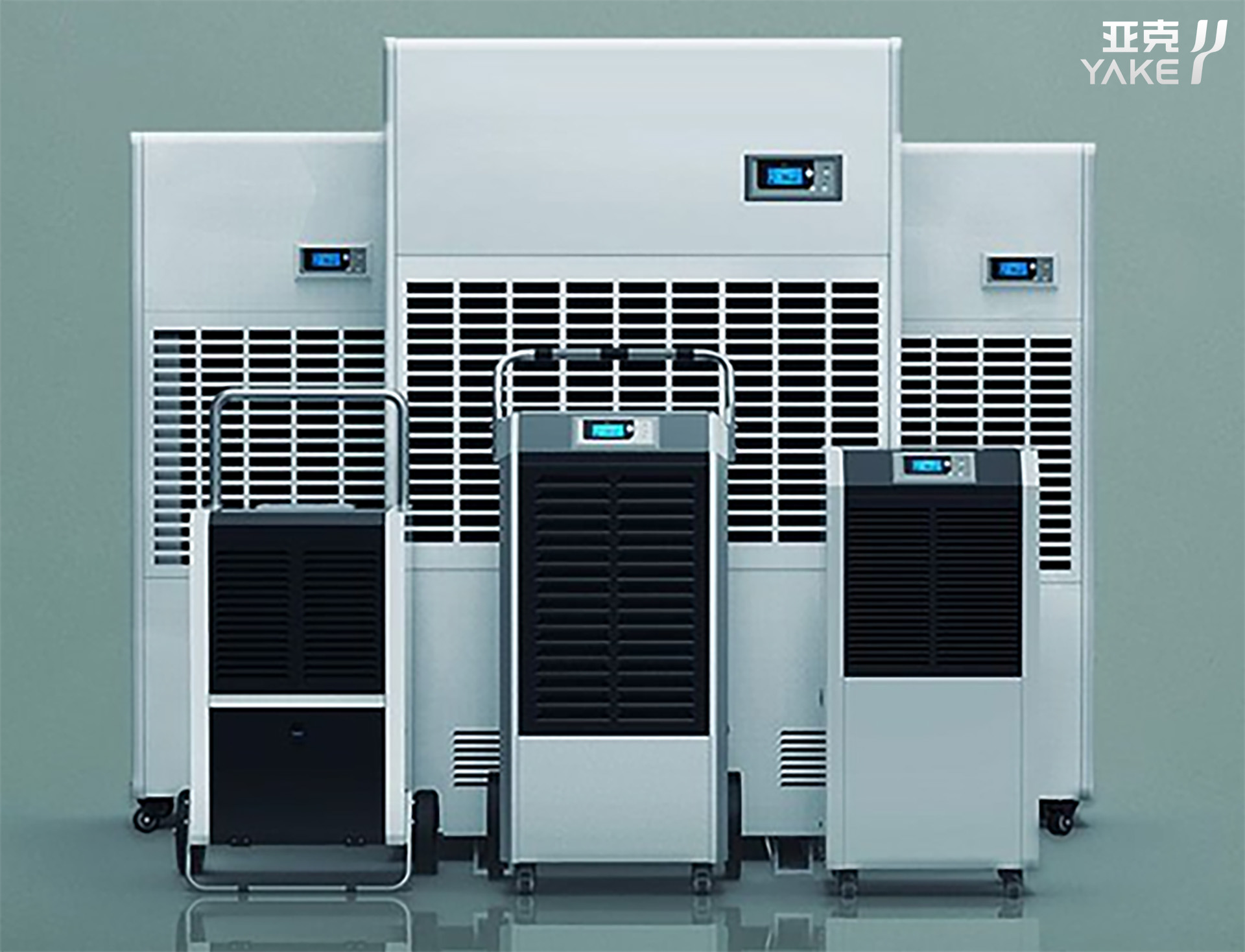
Contact us to find the best place to buy your Yakeclimate solution today!
Our experts have proven solutions to keep your humidity levels in check while keeping your energy costs low.