
Building 34, No. 535 Shunfeng Road, Hangzhou, Zhejiang, China
[email protected]


Crawl space ducted dehumidification systems reduce top-level moisture by circulating dry air throughout your sealed crawl spaces. The system connects a central dehumidifier to ducting, allowing dry air to reach even cramped or distant areas. This prevents mold, rot, rust and keeps flooring, wiring and insulation protected. By providing constant air circulation, they aid in maintaining fresh and consistent air beneath residences or structures. Plant managers and engineers choose these for easy maintenance and powerful performance in hard-to-reach areas. Many feature energy-saving technology and simple controls for efficient operation in spacious or divided crawl spaces. For locations with dynamic weather or stringent quality standards, crawl space ducted dehumidification systems provide genuine, consistent assurance.

Crawl spaces tend to hide out of sight, but their issues don’t. They contend with constant dangers of excessive humidity and concealed dampness. These dangers go deep and do not stop at the crawl space. They can seep and damage a building’s foundation, the air quality, and even infect those residing or working on the upper floors.
Mold is a big deal in wet crawl spaces. Mold and other fungi grow rapidly once the humidity reaches 70% or above. Once mold sets in, it can spew spores into the air, increasing health risks for asthma and allergy sufferers in particular. With as much as 60% of the air on your first floor originating from the crawl space, any mold or musty smell can quickly be an issue for the entire structure.
High humidity does more than foster mold growth. It undermines wood and structural components. When air has more than 60% relative humidity, wood absorbs moisture from the air. Eventually, this can lead to swelling, rotting, or disintegrating wood. Floor joists, beams, and subfloors all encounter this danger. Metal components aren’t secure either. Moist air accelerates rust and corrosion and exacerbates the damage.
Air quality takes a hit when crawl space problems linger. Damp air from underneath rises, carrying with it dust, spores, and odors. Bad crawlspace air leads to bad air upstairs. This can cause respiratory issues and reduce comfort.
Common sources of crawl space moisture include:
The secret to controlling humidity in your crawl space is that the optimal range is 35% to 65% relative humidity. If it ascends further, your building and indoor air are in jeopardy. Crawl space ducted dehumidification systems maintain these levels stable. It’s not just comfort—it’s safety, health, and long-term savings.
Ducted dehumidification systems allow you to maintain the ideal humidity levels throughout your entire home, not just a single room. They use ducts to distribute dry air everywhere. This prevents moisture from accumulating in crawl spaces, hallways, or living rooms. You experience consistent air quality and reduced chance of mold or damage even in harsh environments.
Ducted systems actually push dry air through your entire home. Every room receives uniform humidity, eliminating hot or cold spots. That’s where good air flow comes in to help your HVAC run better. Less strain on the fan leads to more consistent temperatures and less wasted power. With ductwork connecting your dehumidifier to the vents, air is pulled or pushed directly where it’s needed. This keeps insulation dry, floors from swelling, and air fresh.
At less than sixty percent crawl space humidity, mold spores and dust mites don’t thrive. Air just smells cleaner. You inhale less allergens. This is important for families with children or seniors. Good air filters enhance the system and catch fine particles. In humid climates, managing crawl space moisture prevents odor and protects wood and wiring. The outcome is healthier, drier air in every room.
Ducted dehumidifiers can connect directly into your existing HVAC unit. There are no separate machines or controls. Installers can install them on any floor plan, large or small. The system operates as one, so you only need to adjust settings in one location. That assists with property value as well. Contemporary homes anticipate silent, effective heating and cooling equipment that operates in the background.
Systems designed for quiet don’t attract attention. They hum quietly in the background. Compact units hide out in crawl spaces or closets. Thanks to smart controls, you set it once and forget it. No noisy fans or cumbersome boxes in the living room. These systems fit with any home style, so they don’t detract from the aesthetic of your space.
Choose an energy-efficient model to cut back on your electrical costs. Intelligent sensors monitor the room and activate the system only when it’s required. This prevents over-drying and saves money. You can tailor the dehumidifier size to the moisture load of your crawl space. This precision mode of operation sidesteps wasted energy and protects your home from water damage.
Crawl spaces require consistent and expansive humidity regulation. Choosing between ducted and standalone dehumidifiers alters the degree to which you satisfy those needs. Below is a direct comparison:
| Feature | Ducted Systems | Standalone (Portable) Units |
|---|---|---|
| Coverage Area | Full homes, multi-rooms | Small, single areas only |
| Moisture Handling | High, robust, long-lasting | Low-medium, short-term |
| Installation | Complex, 4-8 hours pro time | Simple, 1-2 hours pro time |
| Initial Cost | $2,000–$4,000 | $800–$1,500 |
| Maintenance | Low, auto-drain, rare access | Frequent emptying, moving |
| Energy Efficiency | 2.5–3.0 COP, uses house heat | Lower COP, no heat recovery |
| Seasonal Efficiency | Even, stable, year-round | Non-ducted, one room at a time |
Ducted systems connect to ductwork and distribute dry air to expansive spaces, such as basements, crawl spaces, or entire structures. They maintain humidity balance all year round. This is essential for industrial plants, pharma sites, or any location where moisture damages products or equipment. Standalone units suit tiny or short-lived assignments—one room, a storage nook, or a cramped crawl space. When moisture strikes more than one zone, portable units aren’t enough. They must be relocated, emptied, and inspected frequently, keeping crews occupied and increasing downtime.
Coverage is a major differentiator. Ducted units can span entire homes or massive zones. They play nicely with high air turnover, keeping every inch of the space dry. In more humid areas, you may need 1.0 PPD per 9.3 m2. Ducted models nailed this target with ease. Portable units, constrained by their size, top off quickly and require additional support should the task expand.
Upfront expense is more for ducted units, they endure and require less active maintenance. Ducted units tie into HVAC, using warmed air to boost efficiency to as high as 3.0 COP. This translates to more dry air for every unit of energy, a victory for your bills and the planet. Standalone units are less expensive initially, but require additional inspections and can overlook concealed moist areas.
Crawl space ducted dehumidification systems assist industrial sites in maintaining moisture control. Their installation is real. All stages—site prep, ductwork, utilities, and expert insight—have their part in long-term achievement and effectiveness. Nailing these specifics saves waste and downtime.
Begin by determining if your crawl space is accessible. Narrow doorways, low ceilings and strange floor plans can impede or sometimes prevent installation. Most crawl spaces have pipes, wires or duct work already installed, each a potential source of setbacks or expense. For safe work and future maintenance, ensure that there’s enough space for workers and machinery now and going forward. If the space is difficult to access or work in, enlisting an expert is usually your best bet. Their expertise keeps the work moving, secure and compliant with local regulations. Pro crews identify problems early, anticipate discoveries and keep the project from increasing in cost or time.
Ducts have to shift air efficiently, with no leaks or dead air pockets. Poor installations or junk duct make the system overreach and overuse. Flexible ducting is great for those hard-to-reach crawl spaces, enabling crews to snake ducts around beams or other obstructions. Every joint and seam requires tight sealing. Leaky ducts lead to lost performance, higher bills, and wet ceilings. Occasionally, additional vents or a couple of additional returns help equalize airflow and maintain consistent humidity throughout the entire area. A thoughtfully designed duct system minimizes sound, decreases service requirements, and extends the primary unit’s longevity.
Verify that the site has proper electrical outlets and load capacity for the dehumidifier. Some require their own circuit and some are heavy current-haulers. Drainage is just as critical; stagnant water drowns performance and causes damage. Gravity flow is ideal if your crawl space accommodates it, or configure a pump for those hard-to-reach areas. Condensate lines should be free of blockages and freeze potential. Everything has to be up to local codes for power and plumbing. Automatic drainage pumps assist in high-water or remote sites. Being proactive with regular filter and drain checks every 6 to 12 months keeps everything working right.
Crawl space dehumidification is vital for industrial and commercial installations where moisture causes mold, rot, and expensive structural problems. Ducted dehumidification is the key, and it has to be in concert with the larger moisture control issues if you want long-term results. Maintaining the relative humidity at 50 to 60 percent is ideal, but certain processes demand stricter control between 45 and 55 percent. Below are essential strategies for industrial-grade moisture management in crawl spaces:
Proper sizing avoids underperformance and energy waste. Reference the table below to guide unit selection:
| Crawl Space Size (m²) | Needed Dehumidifier Capacity (L/day) | Minimum Airflow (CFM) |
|---|---|---|
| up to 50 | 8–12 | 10 |
| 50–100 | 12–20 | 25 |
| 100–150 | 20–28 | 40 |
| 150–200 | 28–35 | 55 |
Align dehumidifier specs with site-specific conditions using manufacturer charts. Be sure to verify in documentation that your particular model is supported. Don’t oversize, which wastes power, or undersize, which allows humidity to persist.
Sealing crawl space walls keeps outside moisture out. Don’t let your ducts sweat. Insulate them and your walls, and the crawl space will stay dry. Vapor barriers keep in ground moisture. Inspect insulation and seals biannually for cracks, tears, or mold. Replace damaged barriers to maintain humidity stability.
Crawl space ducted dehumidification can transform a facility or home’s approach to moisture. Selecting the right system is about more than price. It’s about choosing a unit that optimizes cost, energy consumption, and performance for years to come.
Long-term savings come from purchasing energy-efficient models. These systems can appear expensive at the outset. Mid-level models typically run between $400 and $800, and top-of-the-line units can cost between $1,300 and $2,000. However, they consume less power to maintain low humidity. For a typical crawl space, a refrigerant-based unit runs around $1,500. Homeowners and facilities managers can anticipate annual electric bills for these systems to increase by $300 to $500. Energy-saving models reduce those bills over time. For large or wet areas or locations requiring rapid drying, top-of-the-line units with integrated pumps and intelligent drains fetch a premium price but deliver powerful, consistent performance. For smaller or less humid rooms, straightforward models under $400 can get the job done without the bells and whistles.
My comfort and health are better once the moisture is controlled. Ducted units extract damp air from crawl spaces and force drier air back, preventing mold and musty odors. This protects people’s health by preventing mold spores and dust mites from circulating in the air. It helps keep wood floors and beams dry, so the building remains stout. Proper moisture management leads to fewer repairs and fewer air quality concerns.
Attic and dehumidification are the best value investment. Buyers and inspectors are aware that a home or a plant with a dependable dehumidifier is going to have less mold and rot issues. That can translate to higher resale values and fewer surprises at inspection time.
Read customer ratings and reviews before choosing a model. Concentrate on dependability, ease of cleaning, and noise. Seek out systems that rate highly for running quietly and lasting for years. Grooming can be free if performed by the owner, but thorough inspections by a professional can cost several hundred dollars. Sometimes purchasing one size larger than you need makes it work and pay for itself better.
When it comes to keeping a crawl space dry, ducted dehumidifiers demonstrate obvious advantages. Air is nice and even, with no damp spots, no ‘funk,’ and no warped wood. Units fit tight spots and pull damp air fast. Maintenance remains minimal with intelligent engineering. In labs, consistent airflow and low humidity lead to less mold and corrosion. Crews can easily replace filters and inspect wires. Real work means less downtime and repairs. Prices fall with clever watt management. In large factories or houses, these systems run year-round. To find out what a ducted setup can do for your site, request a design or a pilot. Learn the facts, see the evidence, and make the best decision for your space!
Crawl space ducted dehumidification systems use ducts to pump dry air everywhere, so you don’t get mold, rot, or structural damage.
Ducted systems offer uniform air circulation and humidity control over larger areas. They’re quieter, out of sight, and more energy-efficient than standalone units.
With crawl spaces kept dry, ducted dehumidifiers eliminate mold, allergens, and odors. This results in cleaner air throughout your home and safeguards your health.
Yes, proper sizing, duct placement and performance require professional installation. Specialists can spot and fix any crawl space-specific problems.
Clean or replace air filters regularly and inspect drains for clogs. Plan annual checkups to keep the system running and your humidity healthy.
Modern ducted systems employ advanced controls and sensors that only run when needed, helping reduce energy consumption. They will usually be more efficient than multiple standalone units.
Yes, they keep your home safe from water damage, mold, and pests. It can make your home more valuable and desirable to buyers.


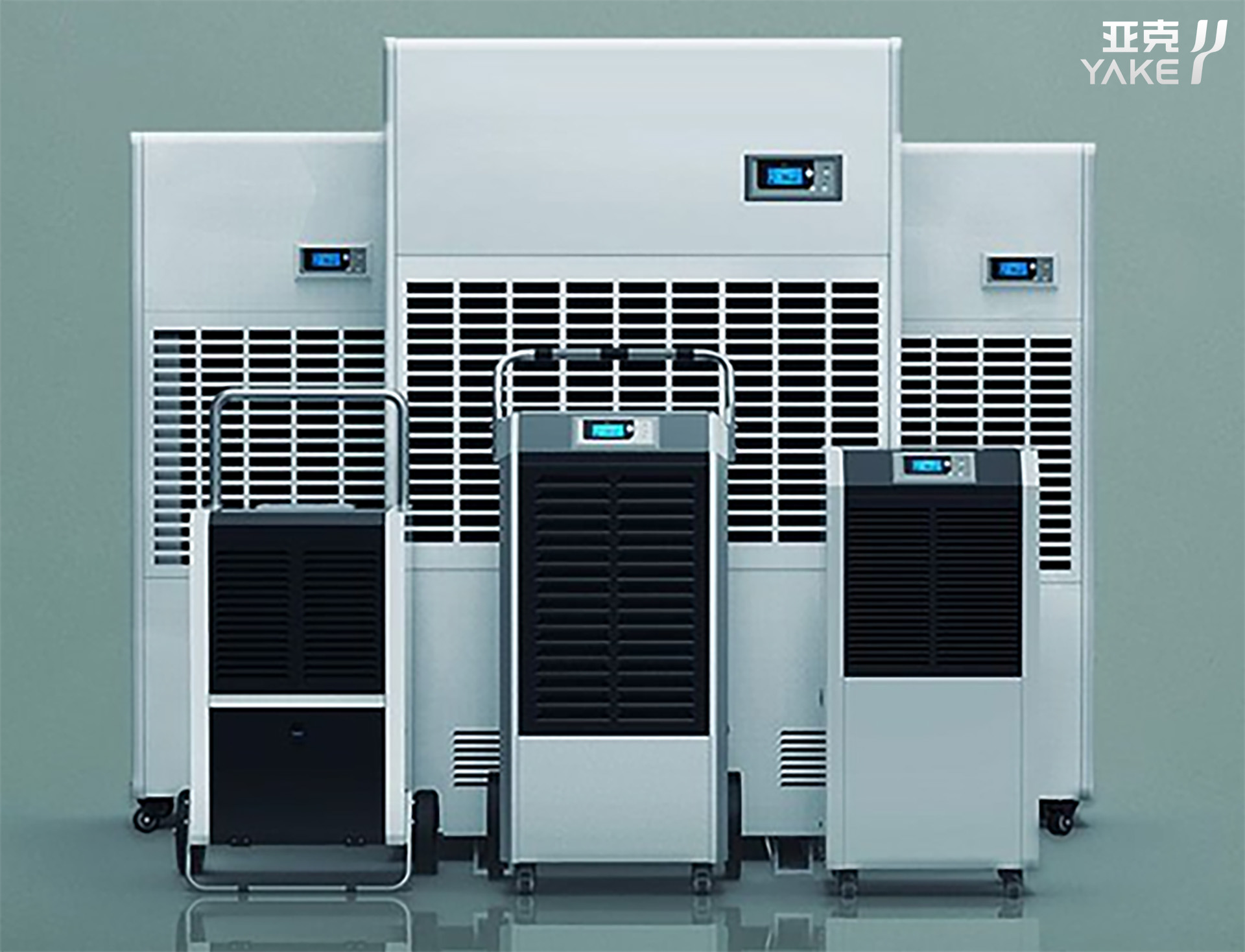
Contact us to find the best place to buy your Yakeclimate solution today!
Our experts have proven solutions to keep your humidity levels in check while keeping your energy costs low.