
Building 34, No. 535 Shunfeng Road, Hangzhou, Zhejiang, China
[email protected]
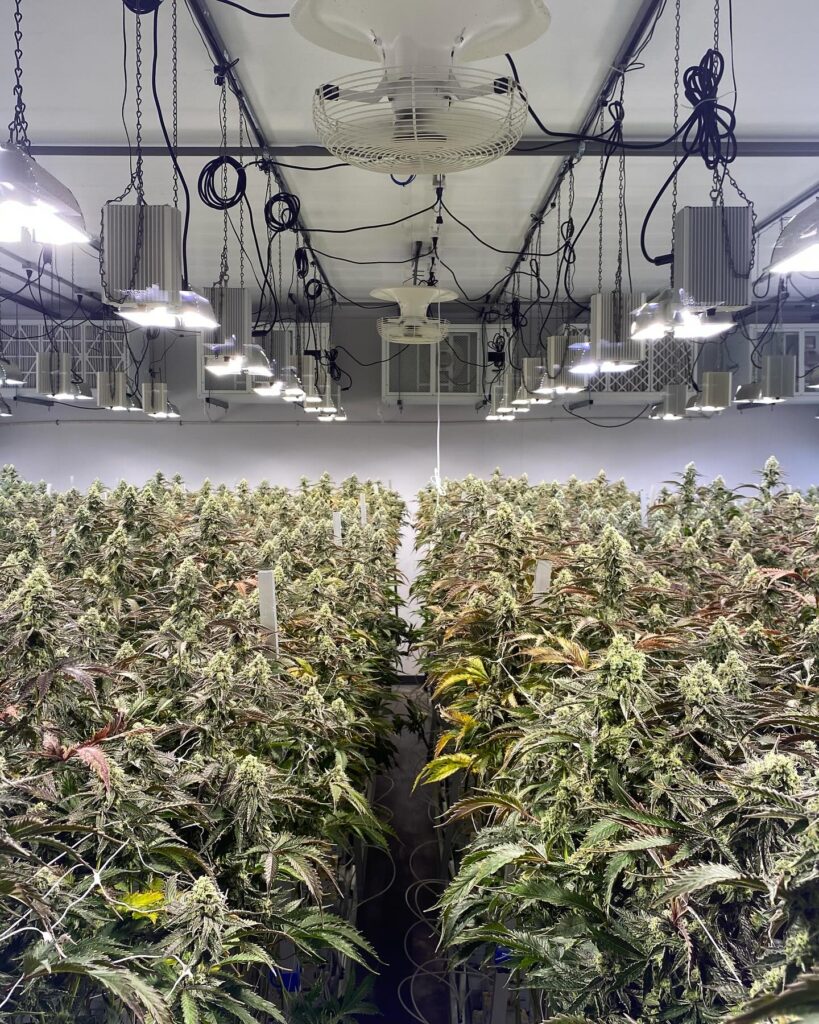

Optimal cannabis temperature and humidity for veg and dry comes down to keeping temperatures between 22°C and 28°C with 55 to 70 percent humidity when vegging. When drying, the temperature should be between 18°C and 24°C with 45 to 55 percent humidity. Proper settings support vigorous growth, reduce mold risk, and preserve flavor. Understanding these target zones provides cultivators with a consistent method for increasing yield and quality. The main body covers important specifics for each phase.

Cannabis does best in a no-surprises environment, and that goes double for the vegetative state. Maintaining temperature, humidity, light, and airflow in harmony promotes robust, vigorous growth. It all plays a part, and overlooking one can mean stunted plants, pest invasions, or weak harvests. Most growers discover that avoiding guesswork with these settings early pays dividends throughout the plant’s life cycle.
Keep daytime temperatures between 75°F and 80°F (24–27°C) for most cannabis strains. This spectrum aids photosynthesis and promotes growth. Some growers go as high as 85°F (29°C) if air circulates well and full-spectrum lights are employed. At night, lower the temperature to 65°F to 70°F (18–21°C). A gap of roughly 10 degrees F (5 to 6 C) between day and night emulates nature and can assist with plant health.
Prevent large temperature fluctuations. These sudden ups and downs cause stress that slows growth or damages yields. For the best vegetative conditions, maintain a consistent environment, using heat controllers or digital thermostats to keep things steady, especially in grow tents or rooms where the weather outside changes.
Maintain humidity between 50% and 70% throughout veg. This range prevents plants from drying out and maintains lush leaves. Others like to hover closer to 40% to 60% to reduce chances of mold or pests. Humidifiers and dehumidifiers assist in maintaining this balance, particularly in confined interior environments.
Check humidity daily. As plants grow, they use more water and the air can get damper. Adjust devices as needed. Too much moisture can invite mildew, while too little slows growth.
Run an 18/6 light cycle, which means 18 hours on and 6 hours off. This maintains plants in the vegetative stage and helps them grow fast. Employ LEDs to provide the proper spectrum and keep heat low. Adjust lights high enough to avoid leaf burn, yet as close as possible for robust growth.
Observe the response of the plants. If leaves curl or bleach, raise lights. If growth appears sluggish, revisit your configuration or bulb variety.
Fans circulate air and prevent hot spots. Excellent airflow promotes strong plant stems and reduces pests and diseases. Vents help to draw in fresh air and push out stale air.
Configure fans to produce a breeze, not a gale. Be aware of air stagnation points. Stale air can create mold or attract bugs.
Not all strains require the same settings. Indicas generally prefer cooler, more humid rooms, whereas sativas can deal with warmer, drier air. Hybrids can fall anywhere in between. Study up on each strain’s requirements and acclimate as you progress. Note what works for each type to optimize future grows.
Drying weed properly is about balance. Your objective is to dry out at a consistent rate while maintaining the integrity and hygroscopic safety. Try to maintain a range between 60 and 70°F with relative humidity between 45% and 55%. These conditions assist the buds in shedding water gradually, maintaining their taste, hue, and potency. DRYING ROOM: The drying room should be dark, well-aired, and maintain these conditions within a 1° to 3% swing.
Temperature is everything to drying. Once it gets too hot, above 70°F, the cannabinoids and terpenes in the buds start to degrade. These compounds provide cannabis with its flavor, aroma and potency. When you lose them, you’re left with lower quality. Quick drying with high heat endangers a tough smokiness because the outside dries before the inside, sealing in moisture. Lower temps, nearer to 60°F, keep terpenes and cannabinoids protected, so the end result is potent and mellow.
Monitor your room with a trusty thermometer. Position it by the buds, don’t just leave it by the vent or door. This way, you catch any hot spots or swings early. Constant temperature ensures that it stays on course and reduces the chance of over-drying.
Humidity control is about keeping this drying slow and even. If the air dries out too much, under 10%, the buds crisp up immediately and become harsh, brittle flowers. Too much humidity, over 55%, can lead to mold or bud rot because fresh cannabis is about 80% water. That can destroy an entire crop.
Maintain a hygrometer in the drying space and monitor frequently. Humidity packs come to the rescue if the air is too dry, and dehumidifiers work if it is too wet. Modify to accommodate the outside weather, as rainy or dry days can alter room conditions. They want ‘bud’ that has 10 to 15 percent moisture post-cure, which makes for a good smoke and long shelf life.
Light degrades the most delicate components of cannabis. Even a little bit can fade color, degrade potency and alter the taste. Keep the room as dark as possible during drying. Darken all windows and employ low light to check progress. This assists in protecting terpenes and cannabinoids throughout drying and curing.
Ditto for storage. Buds store most well at 60 to 68°F and 55% to 65% humidity, but always in the dark. It keeps the flavor and potency prime for more time.
Cannabis plants are reliant on a precise combination of heat and moisture to thrive and produce robust yields. Their interaction impacts all aspects of the plant’s life, from nutrient uptake to terpene content and pest resistance. Growers leverage climate data to maintain optimum conditions and make targeted adjustments to help plants flourish in the vegetative and drying phases.
Roots require just the right temperature to absorb nutrition. During the vegetative stage, maintaining your daytime temperature between 20 to 30 degrees Celsius (70 to 85 degrees Fahrenheit) allows the plants to uptake essential minerals and continue thriving. At night, a consistent fall of around 5.5 degrees Celsius (10 degrees Fahrenheit) allows plant roots to rest and recuperate.
Humidity is important for roots as well. If it’s too high, roots may rot or struggle to “breathe.” If it’s too low, the plant dries out quickly and absorbs fewer nutrients. Target 40 to 70 percent relative humidity in the vegetative stage and 40 to 50 percent in the flowering stage. Always test soil moisture to maintain roots in the ‘sweet spot’ — not too wet, not too dry. Apply a nutrient blend suitable to the climate, as warm or humid weather alters the requirements of the plant. For instance, in intense heat, the plant might require additional water but reduced fertilizer.
Temperature dictates the rhythm of plant respiration. If it’s too hot, cannabis plants ‘breathe’ fast and hot and burn through energy, causing stress. Temperatures of 18–26°C (65–80°F) at flowering help plants maintain a nice beat and conserve energy for bud development. Humidity assists here as well. Low humidity can dry out those leaf pores, halting gas flow and stunting growth.
Watch for signs such as wilting, pale leaves or slow growth. These indicate it’s time to adjust the controls. With temperature and humidity in the right range, the plant’s metabolism hums along nice and easy, assisting with everything from cell growth to nutrient utilization.
Pests and mold adore stale, damp air. If your humidity remains elevated, particularly above 70 percent, powdery mildew and spider mite infestation become more likely. Letting the air roam through with fans and maintaining the proper temperature and humidity range makes it more difficult for pests to take hold. Weekly plant inspections catch issues early, allowing you to adjust settings or add traps as necessary.
Integrated pest management (IPM) mixes these steps with climate control, periodic inspections, and organic pest remedies. It decreases chemical sprays and protects crops further into the future.
Maximizing the results of cannabis use is about more than adjusting dials and percentages. It’s about reading plants, when to switch, and recording every change in the room. Mastery comes from a combination of observation, information, and instinct. No two grows are ever exactly alike. Experienced growers notice every change and they leverage that information to inform their next action.
Cannabis plants communicate through their leaves, stems and overall stances. A watchful grower will spot these indicators in their infancy. Leaf curl, drooping or discoloration can signify either too much heat, too little moisture or both. In the veg stage, healthy plants display lush, upright leaves, while wilted or limp leaves indicate something’s wrong.
Most growers record daily fluctuations in temperature and humidity. This habit aids in detecting trends. Some even cycle humidity by 5% or so to mimic nature, hoping to increase trichome production. Sharing these notes with other growers can help identify what’s working and what’s not, particularly when growing new strains. A good argument and trading tales of missed signals or unexpected triumphs bring new instruments to any cultivator’s quiver.
Color is a huge hint. Bright green leaves indicate a plant is within the optimal range, while yellowing or burnt tips may suggest nutrient stress or heat. Texture counts as well—leaves that turn crisp or papery usually indicate air that’s overly dry or hot. Keep an eye out for growth changes; slowdowns could indicate temperatures over 29°C (84°F) or too much humidity.
Keep an eye out for early symptoms, such as powdery mildew or unusual spots. These problems tend to rear their ugly heads when humidity rises above 60%. Seasoned growers maintain humidity lower, around 40 to 50%, as plants age. In the early stages, for seedlings or clones, humidity a bit higher, closer to 65 to 70%, helps roots get going. Beyond The Thermometer some growers persist with a 30 to 40% humidity late flower for tastier and better looking buds. Even so, a room with 70% humidity is dangerous for most indoor grows.
Changes to be recorded. If you fiddle with the heat or humidity and notice an increase in growth, note it. Over time, these notes develop into a more customized process for every strain and setup.
Cultivating cannabis is about intelligent decisions in the moment. Occasionally the textbook scale doesn’t suit your cultivar or plot. Experiment with dropping daytime temperatures or widening the day-night gap to stimulate healthier growth. Don’t be afraid to play; alter humidity or temperature slightly and observe the results.
Trial and error is innate to every grower’s journey. Record results, adjust techniques, and always listen to your gut. The reward is flourishing plants, not just hanging on, frequently with 20 to 40 percent greater yields when the status quo remains.
Mastering climate control Getting climate right in a cannabis grow room is key. It controls plant health, growth rate, and yield size. Research indicates that just dialing in temperature and humidity can increase yields by 20 to 40 percent, as plants don’t have to waste energy combating stress. Having the right equipment counts here. Cultivators must employ accurate thermometers, hygrometers, and intelligent controllers. Armed with devices like these, readings remain precise and it’s easy to monitor any climate shift. Putting some of this on automation, like with smart climate systems, takes the hassle out of the process. These configurations react to in-the-moment shifts quicker than manual adjustments and maintain stability even if you’re not around. It’s smart to make a checklist for daily and weekly checks: calibrate sensors, review climate logs, and confirm that equipment is running well. Dialing in these fundamentals sets the stage for predictable, bountiful yields.
There are heaters or heat mats to warm up things in a cold grow area. Heaters do great for larger chambers, whereas mats are ideal for trays or mini-tents. During dry air, humidifiers pump moisture into the environment, maintaining relative humidity at the ideal level for vegetative or early flowering growth. Lighting matters too. Moving to longer light cycles or stronger lights can increase heat, particularly during the vegetative phase when plants love 75–82°F (24–28°C) with lights on. Any change must be accompanied by close monitoring. Check readings every few hours after making a tweak to catch problems early and avoid stress.
High temps stall growth. Air conditioning or a couple fans get things down to a reasonable temperature. Fans circulate air, which is beneficial for plant health and reduces the likelihood of pests. If humidity gets too high, particularly late in flower, a dehumidifier is absolutely essential. This keeps the room below 45% RH, inhibiting mold and maintaining bud density. Increasing ventilation, either by opening vents or operating exhaust fans, draws out the warm, moist air. After you make adjustments, continue monitoring the figures. Stability is king, so quick checks catch swings before they damage your harvest.
Climate controls that link temperature and humidity are now common. They employ sensors to monitor the climate and can trigger alarms if there are any significant changes. They can even let automated systems change fans, heaters, humidifiers, and adjust CO2 themselves as needed. These systems can help maintain vapor pressure deficit (VPD) in the sweet spot—between 0.4 and 1.4 kPa, depending on the stage. For growers who want to drive yields even further, CO2 addition does work, but only if your space is sealed, with high light and temperatures near 90°F (32°C). New tech is constantly arriving, so it’s worth learning and refreshing your setup.
Consistent control of temperature and humidity is essential for cannabis vitality, potency, and yield. Common environmental pitfalls tend to pop up in sneaky, subtle ways that are easy to underestimate but can rapidly become large once established. Regular monitoring, quick response, and a proactive method prevent losses and keep your grow room healthy.
Humidity that remains above 65% for too long is a prime risk for mold and mildew, particularly in heavy canopies or during drying. Not checking humidity frequently enough means growers might overlook initial symptoms, letting mold establish a beachhead. Mold can emerge in places where air circulation is weak, such as in congested corners or when winning plants have been shoved too close together.
Easy solutions, like spacing plants apart and keeping vents clear, can allow airflow to reach all areas of the room. Walk in the grow area daily, examining leaves and buds for white powder or gray fuzz. If you find mold, rip out the affected material immediately to prevent it from spreading. Don’t store harvested buds in plastic bags or non-airtight jars. These hold onto additional water and form little pockets where mold likes to grow. Heavy traffic or frequently opening the space can send humidity and temperature bouncing, making it tough to maintain steady levels.
These temperature and humidity swings can make it hard for roots to absorb nutrients. If air becomes too hot or dry, roots refuse to pull in water and minerals as expected, causing stunting or burnt leaves. Overwatering or allowing soil to become too dry contributes. Big pots, though convenient for large grows, become difficult for identifying where moisture is pooling or absent, resulting in uneven uptake of nutrients.
Keep soil moisture even, check it frequently and use smaller pots if you can. Make sure to check the soil every week for pH and salt buildup, as these can prevent nutrient access even with proper temperature and humidity. When things go wrong, tweak the environment first before you add more fertilizer. The problem is usually environmental, not nutritional.
Heat over 24°C can degrade trichomes, those little resin glands that contain the majority of the plant’s cannabinoids and terpenes. Post-harvest, scummy treatment or drying in an over-hot, over-dry room may shatter trichomes or allow them to float away. Humidity under 55% will render trichomes brittle, while excess above 65% threatens mold instead.
It should dry in the dark at 18 to 22 degrees Celsius with a humidity of approximately 60 percent. Avoid direct or indirect sunlight and heat with the buds. Keep them in small, airtight glass jars to avoid moisture swings. It only takes cycling humidity by a few points to simulate outdoor conditions and occasionally stimulate trichome production, but this requires some close supervision. Big pots make control trickier, so stick to small batches for optimal results.
Vibrant plant health begins with consistent climate. For cannabis, the perfect combination of heat and moisture results in increased growth in veg and easy drying down the line. Little shifts can define the appearance, aroma, and flavor of every harvest. Growers employ meters, fans, and dehumidifiers to stay on top of things. Whether big or small grows, managing heat and moisture leads to actual advantages—higher yield, less loss, and fewer hassles. True tales of a dialed-in room helping plants obtain their perfect form and aroma exist. In order to extract maximum returns from each crop, cultivators must monitor, adjust, and take notes on their environment.For additional tips or assistance with climate tools, feel free to contact Yakeclimate — we’re always here to support you.
Ideal cannabis temperature for veg is 22 to 28 degrees Celsius. This range keeps your plants in an ideal environment to encourage rapid and healthy growth without risking heat stress or stunted growth.
A perfect humidity for drying weed would be 50 to 60 percent. This range keeps mold away and still gives you a nice slow, controlled dry that maintains aroma and potency.
Temperature influences plant metabolism and growth. If it is too hot or too cold, cannabis could grow slowly, become stressed, or experience nutrient issues, all of which can decrease yields and quality.
Use a digital hygrometer to keep track of humidity. Humidifiers, dehumidifiers, and proper ventilation will keep your humidity levels consistent.
The wrong temperature or humidity could give you mold or mildew or too-dry buds. This causes your cannabis to lose quality, flavor, and cannabinoids, leading to a terrible end product.
Yep, too high humidity stunts water and nutrient uptake. Too low humidity dries out the plant and stresses it. Just keeping the humidity balanced makes the cannabis absorb the nutrients like a sponge.
Thermometers, hygrometers, humidifiers, de-humidifiers, and climate controllers. These devices enable accurate tracking and control to achieve ideal cannabis temperature and humidity levels during veg and dry.


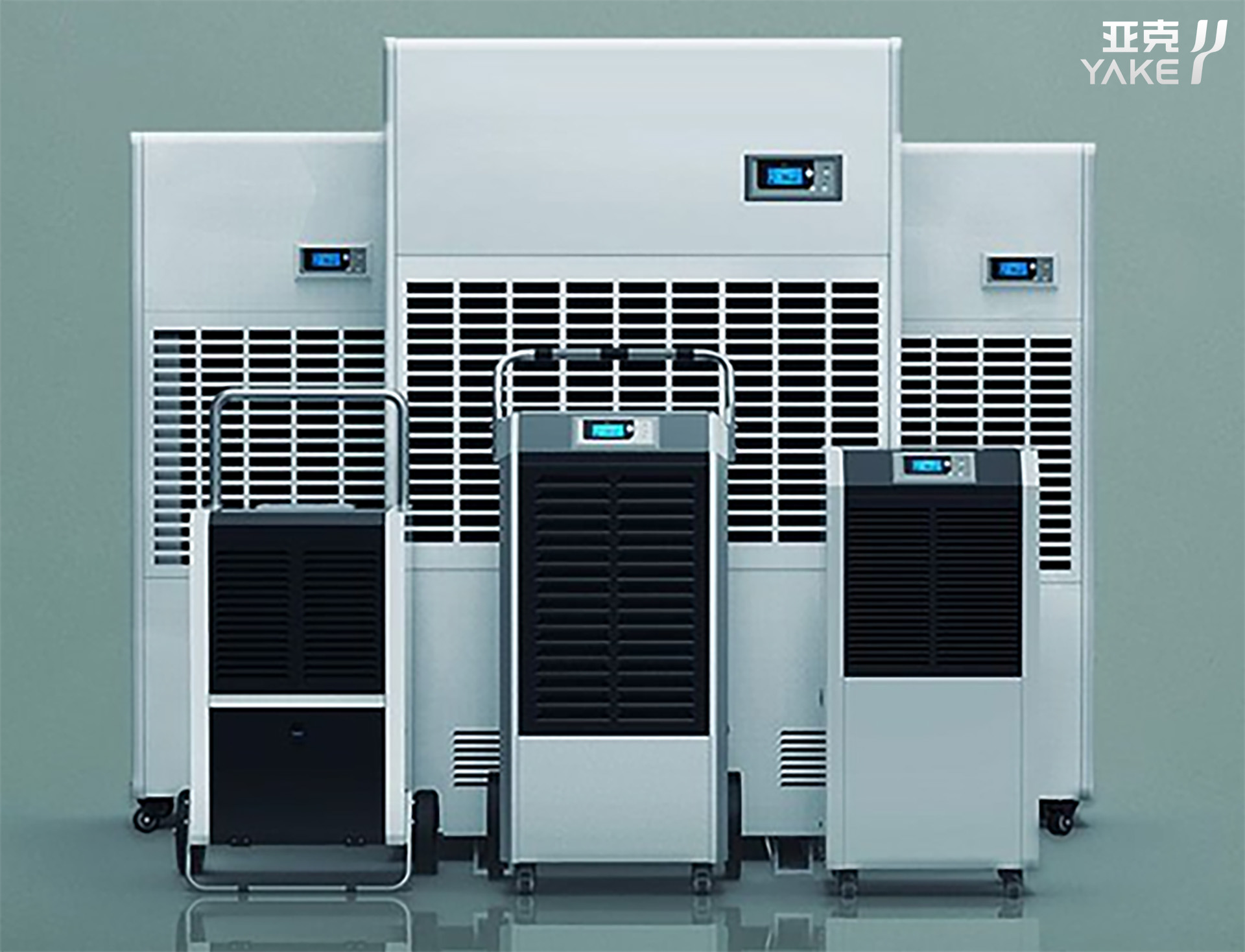
Contact us to find the best place to buy your Yakeclimate solution today!
Our experts have proven solutions to keep your humidity levels in check while keeping your energy costs low.