
Building 34, No. 535 Shunfeng Road, Hangzhou, Zhejiang, China
[email protected]


North America energy storage market refers to the regional market for solutions that stockpile grid or on-site power generation for consumption at a later point in time. It includes battery systems, thermal storage, and other grid support technologies for EV charging, data centers, and industrial sites. It grows through additional renewables, grid upgrades, and demand charge control. The following sections analyze key trends, dominant technologies, and industrial applications.
North America’s energy storage market now moves quickly and in the open. Policy support strengthens. Grid requirements increase. Use cases explode. Prices keep falling.
Real projects narrate the experience. A 100 MWh battery next to a wind site in Texas can shave peaks and smooth output. A fleet of batteries at an Ontario transit depot can charge buses at night and reduce grid strain during the day. A behind the meter system at a cold chain site in Mexico can avoid price spikes and preserve products during outages.
Need to figure out your own strategy in this pot. Tell us your load profile, risk points, and budget and we can create a path that fits your site.
Growth is fueled by increasing renewable energy, grid modernization, and peak demand management. Declining battery prices and favorable policies further assist. Utilities, businesses, and households alike are deploying storage to improve reliability, reduce energy costs, and support clean energy goals.
Lithium-ion batteries dominate because of their efficiency, rapidly declining prices, and versatility. Other technologies include pumped hydro storage, flow batteries, thermal storage, and nascent long-duration solutions. Each technology addresses different requirements, from rapid response to multi-hour or multi-day storage.
Storage backs grid stability, peak shaving and frequency regulation. It smooths out variable renewables like solar and wind. Grid-scale projects defray costly grid upgrades and increase resilience during outages. Behind-the-meter systems lower demand charges for customers.
At utilities are the biggest consumers, followed by the commercial, industrial, and residential segments. Commercial and industrial users install storage for demand charge management and backup power. Residential customers deploy less extensive systems, frequently combined with rooftop solar, for resilience and utility bill savings.
Both federal and state policies play a major role in influencing the market. Incentives, tax credits, clean energy standards, and procurement targets promote investment. Clear interconnection rules and market participation frameworks render storage projects more bankable and attractive to investors.
Top challenges were regulatory uncertainty, interconnection delays and evolving market rules. Supply chain risks and raw material costs impact project economics. Long-duration storage technologies remain nascent and revenue stacking can necessitate complicated market play.
It has a robust outlook, with capacity predicted to grow fast. More renewables, electrification, and grid resilience needs will spur demand. Battery chemistry and long-duration storage innovations will bring down costs. More supportive regulation should unlock new revenue opportunities.


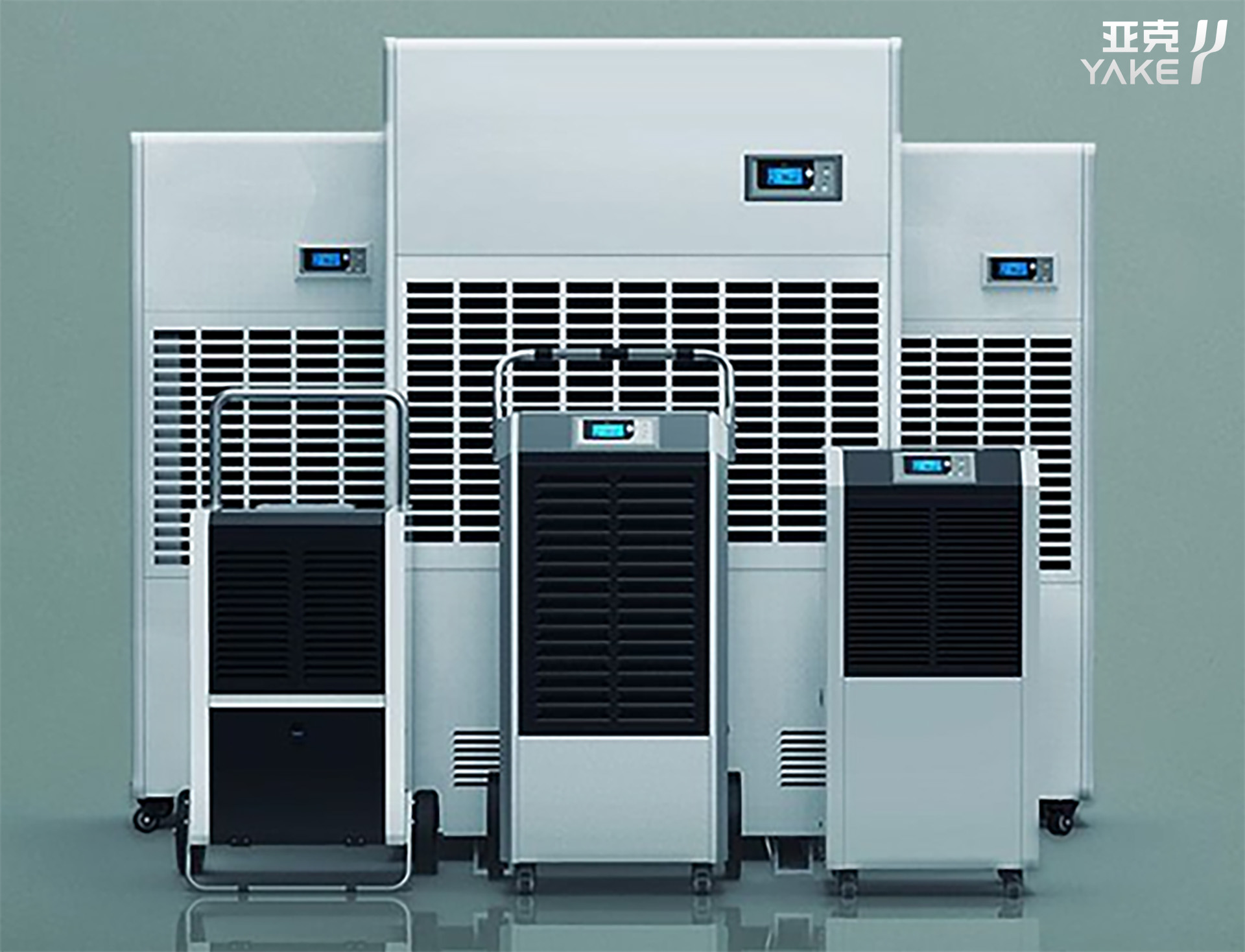
Contact us to find the best place to buy your Yakeclimate solution today!
Our experts have proven solutions to keep your humidity levels in check while keeping your energy costs low.