
Building 34, No. 535 Shunfeng Road, Hangzhou, Zhejiang, China
[email protected]


Nft hydroponics basics for the nutrient film technique. A way where a thin stream of water-plant-food flows through sloped channels. Plant roots contact the film and absorb what is needed. Growers can use this system for some fruiting crops, but it is favored for leafy crops such as lettuce and herbs as it keeps roots moist but not saturated. NFT systems require a constant flow to prevent roots from drying out and to provide adequate air exposure. There is a lot to go with NFT because of its simple installation and minimal water consumption. After all, assisting plant growth is what it’s all about, and maintaining the optimum flow speed and nutrient blend is vital. The following sections illustrate key components, installation advice, and regular maintenance tasks.

NFT hydroponics, known as Nutrient Film Technique hydroponics, is a way to cultivate plants without soil. It utilizes a shallow stream of water infused with nutrients to nourish plant roots. Plants are fixed in channels or trays, and their roots hang free as the solution flows by, providing them with both nutrition and air. This system utilizes net pots and virtually no growing medium, so it’s ideal for small plants with shallow root structures. NFT hydroponics is preferred because it is efficient, flexible, and conserves water compared to soil farming.
In NFT hydroponics, this nutrient solution constantly flows as a thin film along the bottom of each channel. This film is shallow, only just enough to contact the bottom of roots, which allows the upper roots to remain in the air and absorb oxygen. It’s critical that the flow be thin. If the water blankets the roots, they have no access to air and rot. With the right equilibrium, plants can take in what they need fast and keep healthy.
Gravity is an important part of the system. The channels are placed at a slight angle, allowing the nutrient solution to flow from one end to the other and then back into the reservoir. Consequently, NFT utilizes a fraction of the water compared to soil farming, which makes it a shrewd selection in areas with limited water availability.
Every NFT system has a few key parts: channels (often made from PVC pipes), a reservoir to hold the nutrient solution, and a pump to keep the water moving. These channels hold up the plants and guide the nutrient flow to their roots. The reservoir stores and mixes the nutrient solution, and the pump pushes water from the reservoir into the channels.
Make sure you use a hardy pump to maintain the flow. Most growers opt for rugged, food-safe plastics that are easy to clean and last a long time for the channels.
The nutrient solution in NFT is kept moving at a steady rate, typically just enough to wet the bottom of the roots. If the flow is too rapid, nutrients may not get assimilated. If it is too slow, roots can dry out. Channel design and pump performance both influence the flow, so you need to check them regularly.
Growers must monitor the nutrient concentration in the solution. Both excessive and deficient amounts can damage plant development. Most maintain the feed strength in the range of 1.2 to 1.4 EC and use filtered water for optimum results.
One of the reasons NFT works so well is that it keeps roots well-aerated. The air gap between the flowing water and the plant base allows roots to breathe, which is a crucial component of healthy growth. High oxygen levels aid plants in using nutrients faster.
Occasionally, growers place air stones in the reservoir to increase oxygen further. If roots don’t receive adequate air, they can begin to rot and development diminishes.
NFT is optimal for leafy greens and herbs, such as lettuce, spinach, basil, and cilantro. These plants have tiny root systems and do well with minimal support. Lots of lettuce varieties, including butterhead and romaine, do really well in NFT systems.
Bigger, fruiting plants such as tomatoes or cucumbers are not suitable, as these require sturdier root support and more nutrients. Selecting appropriate crops optimizes the system and maximizes yields.
Because of the film’s thinness, it uses very little water, which is a big plus for growers in water-restricted areas. The plants grow in shallow gutters, allowing a thin film of nutrient solution to flow by the roots. This setup slashes water consumption to a minimum relative to soil or deep-water systems. Since they recirculate the same solution, NFT systems use less water and nutrients over time, making them a great fit for regions with water restrictions or urban spaces where every square meter is at a premium.
NFT hydroponics consumes far less water than conventional agriculture. Because the nutrient solution circulates in a closed loop, only minimal amounts are lost to evaporation or runoff. It makes it a clever choice for areas where water is limited or for farmers aiming to reduce their carbon footprint.
The threat of soil borne diseases plummets. With no dirt, numerous standard bugs and ailments have nowhere to thrive so crops remain healthier. Less requirement for chemical pesticides is another bonus.
Nutrient delivery is simple to control in NFT. Growers can adjust pH and EC in the reservoir, so plants receive what they require when they require it. This type of intervention supports growth and can increase yields. Lettuce or basil, for example, do really well in NFT channels with continuous nutrient flow.
Crop density can be significantly higher in NFT installations. Vertical designs, with channels layered one on top of another, allow cultivators to maximize air space in greenhouses or grow rooms. You’ll find it easy to stack leafy greens a couple of feet high, maximizing use of tiny spaces, which is perfect for urbanization or anyone with limited room.
NFT systems translate to less hands-on labor. No weeding and watering is automatic. Maintenance is simply checking pH and EC and cleaning channels, so it can save a lot of time over soil gardening.
| Challenge | Description |
|---|---|
| Nutrient Film | Keeping a smooth, unbroken film of solution is key. Dry spots or uneven flow can stress plants. |
| Pump Failures | If the pump stops, roots dry quickly since there’s no soil buffer. This can harm or kill crops. |
| Algae Growth | Light on the channels can spark algae growth, which clogs roots and channels if left unchecked. |
| Initial Costs | Setting up NFT takes planning and investment in pumps, channels, and timers. |
Pump failures are a serious threat. Since plants in NFT depend on continuous flow, a pump stoppage can damage them quickly. Backup power or alarms are intelligent precautions.
Algae growth is yet another issue. If light reaches the nutrient channels, algae can establish itself and obstruct water and nutrient flow. Opaque channels and daily scrubbing help keep this in control.
Setting up an NFT scheme can be delicate. There’s a capital investment for equipment and the necessity to design row spacing, height, and access for convenient harvests. Nailing the design now saves headaches later.
NFT’s not for every crop. Large root plants or fruit-bearing ones such as tomatoes require more sustenance and water than NFT channels provide. This renders NFT ideal for lettuces or herbs with delicate root systems.
Planning an NFT hydroponic system involves examining space, crop requirements, and how to maintain the system’s simplicity. The correct channel size, length and width, is very important. Shorter channels, under 12 meters, aid in maintaining nutrient uniformity. Wider, deeper channels are suitable for bigger rooted crops, while smaller lettuces do well with narrow, shallow pipes. PVC plumbing pipe or molded plastic channels both work, but smooth interiors prevent roots from snagging and assist water flow. Picking a reservoir that’s too small results in more swings in pH and nutrients, so a larger tank, such as a poly tote or IBC, makes the system more resilient. The system should fit the space you have, providing enough spacing between pipes for plants to grow and be easily harvested. A pump must force 3 to 5 gallons per hour through each pipe. Maintaining pH between 5.5 and 6.2 allows for most crops to absorb nutrients efficiently.
Horizontal NFT arrangements enable you to utilize floor space effectively, which is important in greenhouses or other large rooms. Each channel should lie level, but with a small gradient of 2 to 4 percent to assist water flow. Even nutrient distribution is important, so employ a thinner inflow hose to regulate constant flow and thicker outflow hoses to avoid back-up. Net cups should be spaced right. Sixty-five millimeter high cups work well in ninety millimeter diameter pipes, and you can fit seven per meter. It gets light and air because you’ve left gaps between pipes, at least fifteen or twenty centimeters. Water run off should be clean, without clogging or pooling at the edges.
Vertical systems are space-saving, so they’re ideal for balconies and indoor walls. Stacking channels lets you grow more in less space. Yield per square meter increases, but it’s more difficult to keep nutrients uniform. Gravity does its part by moving water down, but upper plants may receive more and lower plants less, so maintain flow. Light is harder to distribute, so use reflectors or air gaps to allow sunlight or lamps to penetrate all leaves. Maintenance requires additional checks as roots may clog up upper openings.
Channel shape and size alter how water and roots encounter each other. Flat-bottomed channels allow roots to spread, but too shallow dries them out. Go with PVC or food-safe plastics and keep it smooth. Locate small drainage holes at the terminus of each channel to prevent water from standing. The slope is important; a 2 to 4 cm drop per meter maintains a thin, uniform film, the “nutrient film” portion of NFT.
NFT hydroponics relies on optimizing critical parameters to ensure consistent growth and maximum yields. Any one of these factors from the speed of the water flow to nutrient balance can doom or make the crop. The table below shows the main parameters and why they matter:
| Parameter | Why It Matters | Typical Range/Target |
|---|---|---|
| Flow Rate | Nutrient delivery, root oxygenation | 1–2 L/min per channel |
| Channel Slope | Solution movement, prevents pooling | 1–3% (1–3 cm/m) |
| Nutrient Solution | Growth, health, yield | Balanced, pH 5–7.5, EC |
| 0.9–2.1 mS/cm |
| Water Quality | Plant health, system life span | pH between 5 and 7.5, filtered, low contaminants |
| Temperature | Root health, nutrient uptake | 18 to 20 degrees Celsius | | Humidity | Growth speed, disease prevention | 40 to 80 percent relative humidity | | Light Intensity | Photosynthesis, crop quality | Crop-specific, full spectrum |
The proper flow rate keeps roots damp but not waterlogged. For leafy greens such as lettuce, 1 to 2 liters per minute per channel does the trick. Herbs or fruiting crops might require adjustments. If the flow rate is too low, roots desiccate. If it is too high, roots lose oxygen or nutrients move too quickly to absorb.
Digital flow meters, float valves, or just plain graduated containers assist in monitoring and tuning rates. Periodic inspection is important, as blockages or pump degradation alter flow. Insufficient flow leads to uneven growth, while too much flow results in root rot or nutrient wastage.
Channel slope fixes the rate of flow of the nutrient film. A slight incline, typically 1 to 3 percent (1 to 3 centimeters per meter), allows the solution to flow easily, keeping roots saturated but not submerged. If the slope is too flat, water pools, drowning roots and welcoming disease. If it is too steep, roots starve for nutrients.
Testing slope with a level during setup saves headaches later. Modify winders or shims as required. Uneven slopes require occasional monitoring, particularly in large scale setups or if channels meander over time.
Plants require a well-balanced solution of all the important nutrients: nitrogen, phosphorus, potassium, along with trace minerals such as magnesium and iron. Use hydroponic-grade fertilizers, not soil blends. Dilute with fresh water, then test pH. A pH range of 5 to 7.5 is ideal for most plants. EC should match the crop’s needs. Basil likes 1.2 mS/cm, lettuce prefers 0.9 mS/cm, and arugula grows well in a range of 1.2 to 2.1 mS/cm.
Test EC and pH at least weekly, or daily if growing delicate crops. Neutralize with acid, base, or water dilution as required. Off-balance solutions, which are too strong, too weak, or have the wrong pH, manifest themselves quickly in pale, stunted, or scorched plants.
Water is NFT’s backbone. Quality water is low in undesirable contaminants, has a stable pH between 5 and 7.5, and proper EC. High chlorine, heavy metals, or pathogens hit roots hard. A filter and frequent testing assist. For optimal output, maintain the nutrient solution temperature at 18 to 20 degrees Celsius because roots thrive in this range and disease slows. If you can, go with a blue and red LED mix for grow lights, which studies demonstrate can increase growth and pigment.
A DIY NFT hydroponics system allows growers to control space, water, and nutrients accurately. With a little planning and sourcing the right materials, anyone can build an efficient, customized hydroponics system at home or even in a commercial setting. Every decision from sourcing materials to transplanting seedlings impacts the way the system nurtures plant life.
You’ll require PVC pipes (commonly 50 to 100 mm in width), a submersible water pump, a water reservoir, net cups, and nutrient solution. Use food-grade, non-toxic plastics for pipes and channels to avoid chemical leaching. Select a decent pump that can push water to the top. If your system is 2 meters tall, make sure the pump specs mention head height at or above 2 meters.
Spacing counts. Space pipes enough, both laterally and overhead, so roots and leaves can spread. Net cups must fit snugly in drilled holes. Drilling can be tricky, so a hole saw or step drill bit is your friend. For budget builds, use old containers for reservoirs or recycled materials if safe for food crops. These optional air pumps increase dissolved oxygen. Some cultivators notice plants acclimating without them for short durations.
Sectional builds make cleaning and repair easier. Leaving some joints unglued, like the bottom of downspouts, is useful when it is time to flush or inspect the system. PH and TDS meters for nutrient quality monitoring keep pH up/down and hydroponic fertilizer handy.
Begin by cutting and drilling PVC pipes for net cups, maintaining holes spaced evenly. Position pipes on a slight incline of roughly 2 to 4 percent so nutrient solution can drift easily from one side to the next. Some users forgo the slope, trusting in overflow, but even slopes provide the most reliable root wetting and nutrient delivery.
Plumb pipes into a reservoir with the water pump, using tubing to direct flow. Make your own DIY NFT Hydroponics System. Attach downspouts or drains at pipe ends to send water back to the reservoir. Use gloves and goggles when cutting or drilling for safety.
Test it for leaks before you add plants. If water pools or flow slows, examine for obstructions or modify the incline. The sectional design makes troubleshooting easier. You can disassemble sections to clean roots or fix clogs without tearing apart the whole build.
Seedlings should be well-rooted but not root bound. Transplant as soon as they develop two to three true leaves. Lightly rinse soil from roots and nestle seedlings into net cups of inert media such as clay pellets or rockwool.
Roots need to touch or almost touch the nutrient film flow. In the initial weeks, make sure net cups are moist. Desiccated roots can put growth on hold. If the water doesn’t reach the cups, turn up the flow or angle the pipe. Seedling spacing is important too. If they are too close, the plants will compete for light and air.
Monitor pH and TDS, supplementing as necessary. These stable conditions promote consistent root development and nutrient absorption. Sectional systems simplify checking roots and cleaning channels.
Keeping an NFT hydroponics system healthy is about more than just growing plants. It’s about inspecting everything and overhauling minor issues before they become big. A functioning system allows plants to flourish, water to course properly, and nutrients to find their way to roots. Frequent inspections allow you to catch problems early, whether it’s a nutrient imbalance or a pump malfunction, which can stunt growth or damage your crops. Concentrate on plant aesthetics, water condition, and equipment to maintain system vigor.
Keeping an eye on water and nutrients is crucial. If the solution falls or concentration is off, roots dry or plants stress. PH swings block nutrients, so testing it daily solves problems fast. Periodic pump inspections prevent flow failures that might strangle plants.
Early signs of trouble show in leaf color or root health. Pale leaves could indicate a nitrogen deficiency. Brown spots or tip burn frequently indicate an excess of a particular element, such as potassium. Catching these signs early provides an opportunity to correct the mix before the plants suffer.
Pump maintenance is important. Give the pump a good cleaning, see if it’s clogged and hear if it sounds weird. A pump that goes out means no flow and roots dry real quick. Just like pump care keeps everything moving.
NFT systems tend to have pump failures and nutrient imbalances. A stuck or broken pump ceases pumping water and leaves roots parched. Imbalances, such as too much potassium, can block nitrogen and damage growth. They can cause your plants to yellow, curl, or grow slowly.
Keep a log to record what’s checked, fixed, or changed. Keeping notes of symptoms and remedies aids in uncovering trends and avoiding recurring problems. ‘Troubleshooting’ means step-by-step checks. Test the pump, check for channel blockages, and sample the nutrient mix.
Identifying an issue early and having a log can help expedite repairs and maintain system health.
Cleanin’ prevents jams and keeps the NFT system flowing. Channels, pumps, and reservoirs all require care. Use clean water and soft brushes for the channels. Pumps require rinsing and inspection for deposits. Empty and scrub reservoirs biweekly during a complete water change.
Algae is quick to spring up in warm, wet locations. Keep solution out of the light and clean surfaces frequently to deter it. Clean on schedule, not just as a response to issues.
Schedule to purge channels once a week and pumps every couple of weeks. This keeps the system functioning and the plants happy.
NFT hydroponics keeps it slick and quick. Water passes over roots, supplying consistent nutrition and oxygen. Just a couple of pipes and a pump and tank get it done. Growers can rotate crops, conserve water, and repair minor issues before escalation. Lettuce, herbs, and leafy greens love these setups. From bustling urban farms to home gardeners, NFT supports fast, hygienic, and robust development of your plants. To make the most of it, keep the water clean, monitor the pump, and observe the roots. For anyone looking to grow more with less, NFT is effective. Ready to initiate or adjust your system? Contact specialists or a grower group to exchange tips and tales.
NFT hydroponics is the Nutrient Film Technique. It functions by circulating a slim film of nutrient-laden water along conduits, where roots absorb nutrients and oxygen maximally.
Nft hydroponics basics. Nft systems are easy to set up, use less water and nutrients, and allow simple monitoring. Perfect for leafy greens and herbs, they are a favorite for hydroponic beginners.
The most common high-value crops grown with NFT systems are leafy greens like lettuce, spinach, and herbs. These plants have smaller root systems that accommodate the shallow nutrient flow.
Monitor nutrient and pH levels on a daily basis. Regular monitoring keeps the plants healthy and avoids nutrient deficiencies or imbalances.
Typical NFT hydroponics problems Consistent care helps avoid these issues and keeps crops strong.
Indeed, NFT systems are simple to construct out of common materials like PVC piping, a water pump, and a reservoir. Plenty of gardeners DIY it to reduce the expense.
Clean the channels and reservoir regularly with water and a mild disinfectant. This keeps algae at bay, avoids clogs and root diseases, and keeps your system healthy.


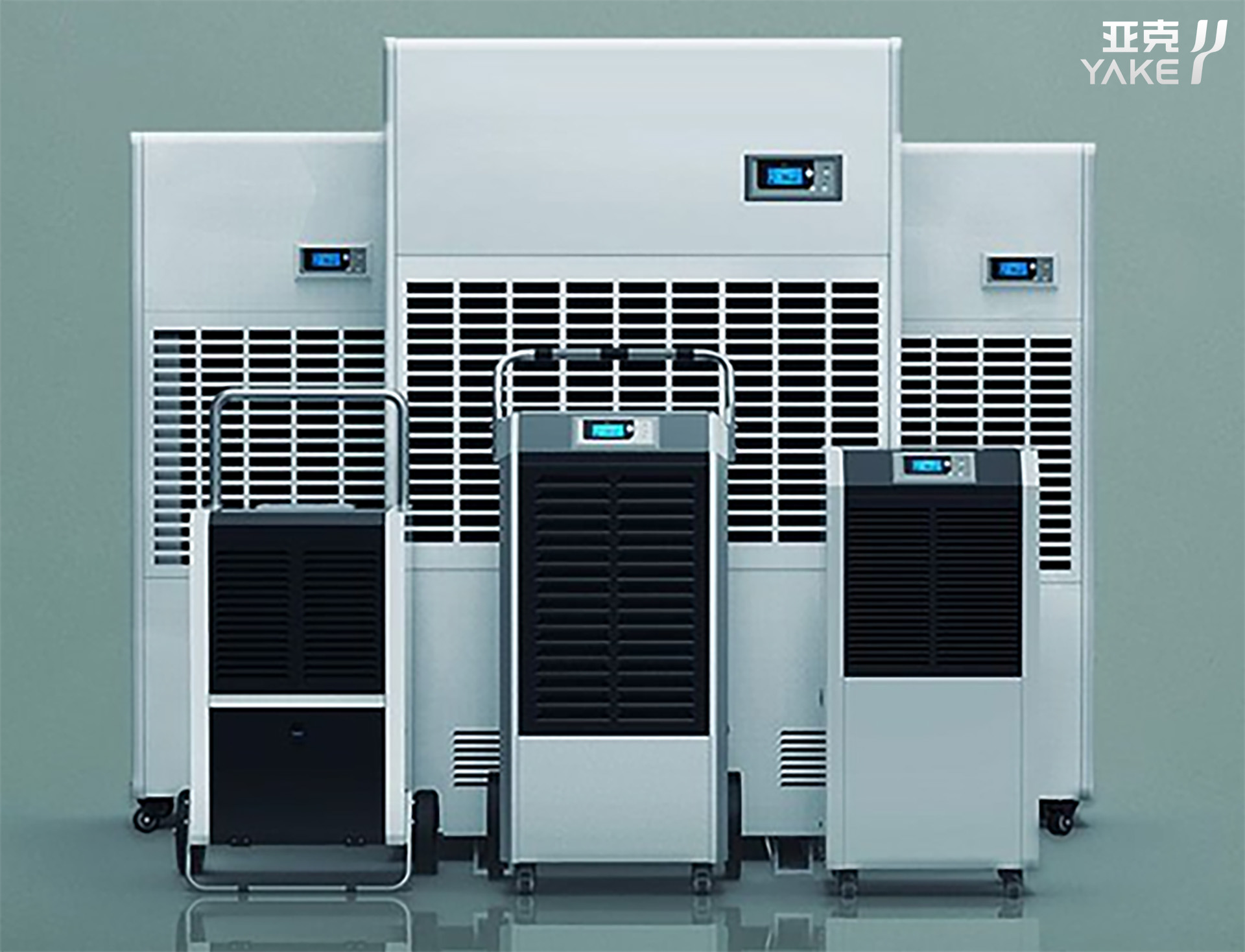
Contact us to find the best place to buy your Yakeclimate solution today!
Our experts have proven solutions to keep your humidity levels in check while keeping your energy costs low.