
Building 34, No. 535 Shunfeng Road, Hangzhou, Zhejiang, China
[email protected]


Indoor farming investment opportunities are investments in farms that cultivate plants indoors with advanced technology and equipment. Here in the U.S., this sector continues to expand as more people demand local and consistent produce around the clock. High-tech configurations such as vertical farms, hydroponics, and climate control systems allow the consumption of less water and land while accelerating the growth of crops. Major urban centers like New York and Chicago view indoor farms as an opportunity to localize food for their populations and reduce shipping expenses. Indoor farms are an investment opportunity for many investors these days–both for stable returns and for supporting ‘green’ initiatives. The remainder dissects these opportunities, threats, and what to look before you invest.
Indoor farming in the U.S. Is a rapidly-evolving space, influenced by technology, market demand, and funding opportunities. Investors have a hundred ways to participate–from clever tech to what crops, to data, to supply chains. Each route comes with its own risks and rewards, and selecting the right one hinges on cost, demand and innovative technologies that reduce waste and increase yield.
Smart irrigation systems deliver big savings on water and labor making farms more efficient. With precision fertilization, growers apply only what’s necessary, enhancing crop health and profitability. LED grow lights, now frequently subsidized by local utilities to level off nighttime grid loads, consume less power and outlive old bulbs. Smart sensors pin it all down, monitoring temperature and humidity for consistent growth and reduced mold risk—critical for plants such as leafy greens and cannabis. Machine-learning HVAC could now adapt to external weather and crop phase, sinking energy requirements by an additional 15%.
Cultivating high-demand produce year-round, such as microgreens or strawberries, assists in keeping farms buzzing and margins consistent. Niche markets—organic, specialty herbs, edible flowers—can command premium prices but require meticulous planning. Value-added products, like salad kits or pre-cut veggies, get to health-conscious consumers. By rotating crops each season, farms balance their workload and cash flow, allowing them to differentiate in competitive markets.
Speed is everything. Fast logistics keep locally grown indoor produce fresh and attractive. Proximity to local retailers results in reduced shipping expenses and greater distribution. Other farms are selling direct to consumers now, either at the door or via online shops—lifting margin and creating loyalty. Monitoring supply chain trends enables farms to quickly adapt and fulfill emerging consumer demands.
Data-driven decisions are now standard. Analytics to track crop performance and identify areas of improvement. They assist in customizing what’s cultivated to what customers need and forecast market fluctuations so farms can prepare in advance. This type of knowledge saves hours, reduces waste, and increases returns.
Automation and AI are transforming farm buildings. Farms require tech and data professionals, not just botanists. Training and upskilling are essential to stay ahead as systems evolve. A state-of-the-art indoor farm, constructed with external assistance, might cost around $1,000 per square foot, thus intelligent design is essential.
| Avenue | Key Features | Pros | Cons | Potential Returns |
|---|---|---|---|---|
| Tech Innovations | Smart controls, LEDs | Cut costs, save energy | High upfront spend | High, if scaled |
| Crop Diversity | Specialty, year-round | Premium prices | Market risk | Steady, if demand |
| Supply Chain | Local/online sales | Fast, direct profit | Needs setup | Higher margins |
| Data Analytics | Performance, trends | Targeted actions | Training needed | Improved efficiency |
| Real Estate | Automation, AI | Less labor | Costly to start | Long-term savings |
Today’s new farmer labors inside, advancing the rise of controlled environment agriculture in the American food system. They contend with steep energy costs, hard financing and changing consumer demands. Still, they view offshoring trends and health concerns such as obesity as motivations to cultivate fresh fruits and vegetables closer to home. Indoor farms these days frequently slice the farm-to-store journey down to a mere 50 miles, which satisfies local demand while reducing spoilage. These farmers combine new technology with an emphasis on tangible, tried and true outcomes with sustainability at the heart.
Automated systems are essential for planting, harvesting and packaging. This aids labor shortages and delivers consistent production, even as prices increase. Robotics assume all the repetitive tasks—like seeding or sorting—so nimble humans can do planning, troubleshooting, or tech upgrades. Automated climate systems are commonplace in facilities today, allowing cultivators to optimize parameters for temperature, humidity and airflow around the clock. This reduces waste and ensures plants receive prime conditions, which is especially important for leafy greens or herbs that are sensitive to fluctuations. Staying current with new automation tech is important, as cutting-edge farmers use it to stay lean and prevent falling behind in a margin-squeezed market.
Smart farms employ AI to analyze massive streams of crop and climate data. AI tools identify patterns quicker than a human ever could, giving farmers a head start on issues like disease or stunted growth so they can respond immediately. Machine learning models now assist in yield prediction, enabling farms to plan sales and minimize overproduction or deficits. On certain farms, AI is utilized for pest control — by monitoring pests and assisting in minimizing chemical sprays — aligning with the sustainability objectives. Following AI’s nosebleed speed growth is mandatory, because what’s new this year may be the standard of the industry next.
Growing indoors requires a different blend of skills. Farmers develop their expertise in agronomy, which guides them in selecting the appropriate crops and care regimes for each setting. They figure out how to operate and repair high-tech equipment, from LED lights to climate control systems. Business skills are necessary as well, because energy costs and financing concerns mean that every dollar must be carefully deployed. Collaborating in teams—often with engineers or data experts—makes communication and adaptability important, too.
Choosing the location of a new farm involves considering local weather, power rates and demand. Others – like regions with robust energy grids and short supply chains – provide huge advantages. Checking in with local ordinances and building relationships with your city or food co-ops, for example, can assist, as collaborations tend to result in shared resources or financing. Observing locations where individuals desire increased availability of local food, such as denser urban areas or communities with specific health concerns, can help inform where to open up shop.
U.S. Indoor farming investment follows regional strengths, resource access, and changing market demand. Some of these regions are notable for their climate, infrastructure and capacity to support sustainable, high-yield operations. By studying these hotspots, investors can see the convergence of innovation, profit, and growth most clearly.
So too does the Sun Belt, which extends from southern California through Texas to Florida and boasts mild winters and ample sunshine to fuel energy-efficient indoor farming all year round. Growers here leverage plentiful solar energy and robust grids for cheaper power. Water can be tight, so many opt for sophisticated recirculation or hydroponic systems to extend every gallon. These solutions help maintain high output even during those dry spells outside. The Sun Belt has the advantage of huge, rapidly expanding urban areas, so farms can easily bring fresh greens to neighborhood grocery stores and eateries. Partnering with existing farms and co-ops can accelerate time to market and enhance credibility with buyers looking for local produce.
Recycling boarded-up warehouses and factories in the Rust Belt, from Ohio to Michigan, injects new vitality into old bones and reduces initial expenses. Indoor farming here generates employment and sustains local economies struck by the loss of manufacturing. Community partnerships are huge—teaming with schools, food banks, and city planners can demonstrate the immediate impact of fresh, consistent produce. Efficient transport links — highways and freight rail — get farms to both urban and rural markets quickly, decreasing spoilage and increasing shelf life. Local governments frequently back these initiatives with grants or tax incentives, providing an additional draw for investors.
Dense cities such as New York, Chicago, and Los Angeles have high demand for local, fresh food. Vertical farming is logical here, piling plants in small areas to maximize production per square foot. Many farms team up with local grocers, meal services, and restaurants for direct sales. This model shaves hours from harvest to dinner plate, a huge selling point with urban consumers. Market data, for example, reveals urban consumers are willing to spend a premium on pesticide-free, local greens – particularly when they can tour the farm or witness it in action. Pivoting to foodie fads—such as microgreens or gourmet herbs—allows product mix to remain fresh and lucrative.
Water-saving tech, such as drip irrigation or closed-loop hydroponics, is par for new builds. Many operators turn to solar or wind power to control costs and satisfy regional green requirements. Energy-efficient dehumidifiers and HVAC systems keep the climate-managed without an incoming high bill, a key for long run profits. Utilities frequently provide rebates or discounted rates to farms that meet efficiency thresholds, helping to offset the upfront conversion to green technology.
The water-energy nexus ties right into the heart of indoor farming. These systems require significant amounts of water and reliable energy, hence the nexus runs deep. In the U.S., agriculture consumes 42% of all freshwater for irrigation and occupies more than half the land with crops, grazing and farm facilities. As cities advance sustainability, the water-energy-food nexus supports them by assisting waste reduction and more efficient use of what they have. Thanks to these linked systems, cities depending on local indoor farms can hit climate targets.
Climate-caused droughts, power outages from storms and crop failures from increased heat all reverberate through this nexus. Such risks manifest themselves as fractured supply chains and lost profits. Solid operational strategy means planning for these hits. For instance, invest in backup water stores and on-site power such as solar or backup generators. This keeps the farm humming when the grid is dim. Establish solid supplier connections and use local providers whenever possible, so that interruptions in one area won’t close you down. Indoor farms in California and Texas have employed these measures to avoid risks from drought and rolling blackouts alike.
Market analysis tools identify buyer needs and potential risks. Check out local food and price changes and consumer behavior. Data can help predict demand slumps or shifts in purchases, allowing you to move crops or adjust production to stay aligned. For instance, a few New York City vertical farms pivoted from lettuce to herbs when they witnessed a dramatic swing in restaurant demand. These transformations can hold income stable even when the market moves.
Regulatory changes can come hard and fast, especially with water and energy. Keep up with local and federal regulations regarding water rights, energy consumption, and food safety. Get in the habit of monitoring press releases and trade news. Other states, such as Arizona, have altered water use policies for farms with a single season, which can surprise growers. Adapt quickly when policies shift, so you minimize expenses and remain compliant.
Contingency plans are crucial. Map out what you will do if water or power are cut, or if supply chains come to a stall. That could imply stockpiling, or training for a crisis, or preset deals with backup vendors. These actions maintain your farm resilient against whatever may come.
Indoor farming investment has real struggles. Steep startup costs, technical challenges, and public doubt all hamper growth. Disease and pests and labor issues are always lurking. Energy consumption and water expenses are extremely important. Thoughtful risk checks and intelligent planning reduce such risks.
Establish explicit SOPs. SOPs accelerate day-to-day work, minimize mistakes, and ensure that all employees take the same process. Good SOPs = time and money saved, and the farm on track.
Measure key metrics such as yield per square foot, energy consumption per pound of greens, and water recirculation percentages. These figures indicate where to trim excess or increase efficiency. Leverage these realities to identify risk early and mitigate quickly.
Train staff in climate tech, LED controls and pest spotting. Expert technicians manage technology and identify issues early. Cross-train teams cover gaps when people are out!
Make safety and compliance obligatory. PPE, clear signage and food safety checks reduce hazards. Practice with your team on drills to keep them ready for recalls or contamination.
Conduct market research each quarter. Look at what local buyers want: organic greens, microgreens, or rare herbs. Consumer trends change quickly, and your crop plan must change with it.
Price crops just right–cover expenses but eyeball the competition. If energy rates spike, increase prices or transition to higher-margin crops. Watch what other farms do, and adjust your marketing if they switch crops or run promotions.
Consider planting crops or marketing to new markets. If lettuce gets cheaper, go for flowers or herbs. Diversify to cushion the impact from market swings.
Become acquainted with USDA organic regulations. Certification fosters trust and creates new business opportunities. Know local zoning–certain cities outlaw vertical farms. Ensure compliance with FDA food safety regulations and document to survive audits.
Collaborate with local authorities to advocate for improved regulations. Attend farm groups, public meetings. Good policy assists all indoor farms.
Keep an eye on vertical farming and automation. These are fast growing sectors and they can equate to huge returns. Stay ahead of consumer shifts—local, pesticide-free or non-GMO are all winners.
Experiment with tech that reduces chemical treatment and improves crop quality. LED grow lights consume half the energy of those old bulbs. Rotating lights align with crop requirements and reduce waste.
Build plans with change in mind. Market shifts, new technology, weather events can all hit fast. Remain nimble and pivot as needed.
Indoor farming is poised for major expansion in the U.S. Abroad. With cities expanding and farmland diminishing, CEA appears to be the smartest path forward for feeding the future. Vertical farming market is poised for a vigorous ascent, with a CAGR of approximately 27.9% between 2024 and 2029. That means tons of new farms, new jobs, and improved food supply chains. Big U.S. Cities, where room is precious and there’s a premium on local fresh food, shine as the prime locations for new farms.
This rapid expansion isn’t just about additional farms. The crops are changing as well. Five years ago, indoor farms mostly grew lettuce and herbs. By 2030, even more will be able to cultivate staple foods, such as tomatoes and potatoes, which are favored in American cuisine. What this means is that future investments aren’t just for niche greens but for large chunks of the food market.
Sustainability is massive driver. Vertical farms consume up to 90% less water compared to conventional farms. They don’t rely on rain or seasons, so they produce food throughout the year, regardless of the conditions. It’s great for food security, particularly as climate change and droughts impact more locations. Others, such as Singapore, plan to farm 30% of their food needs by 2030. The U.S. Is close behind, with cities and states incorporating new local food targets almost every year.
Smart city tech is getting folded in as well. More farms are connected to urban electrical, water and data networks. This all helps reduce waste, conserve energy, and monitor yields. It implies more opportunities for tech companies and climate solution brands, such as Yakeclimate, to collaborate as partners. Dependable technology—such as dehumidifiers that curb mold and maintain ideal air—will become a necessity on every farm seeking consistent, premium output.
For investors and farm owners, these trends translate to additional opportunities to experiment with new crops, reduce costs, and collaborate with urban planners. The highest returns will be on solutions that use less water, save power and increase yield—powered by robust, proven climate tools.
Indoor farming in the US continues to attract savvy investors. Increasing number of people view vertical farms and hydroponics as a reliable method to cultivate fresh food near cities, conserve water, and reduce waste. Investors seek locations such as California or the Midwest where water remains scarce and land is expensive. Tech such as LED lights and smart air controls drive yields higher and risks lower. Companies that understand indoor farming investment opportunities how to keep both crops and markets healthy may reap handsome returns. Indoor farms reduce weather shocks, pests, and crop loss. For those interested in supporting novel approaches to agriculture, now’s a great time to get involved. Want to witness what Yakeclimate equipment can accomplish for your venture! Connect and we’ll talk.


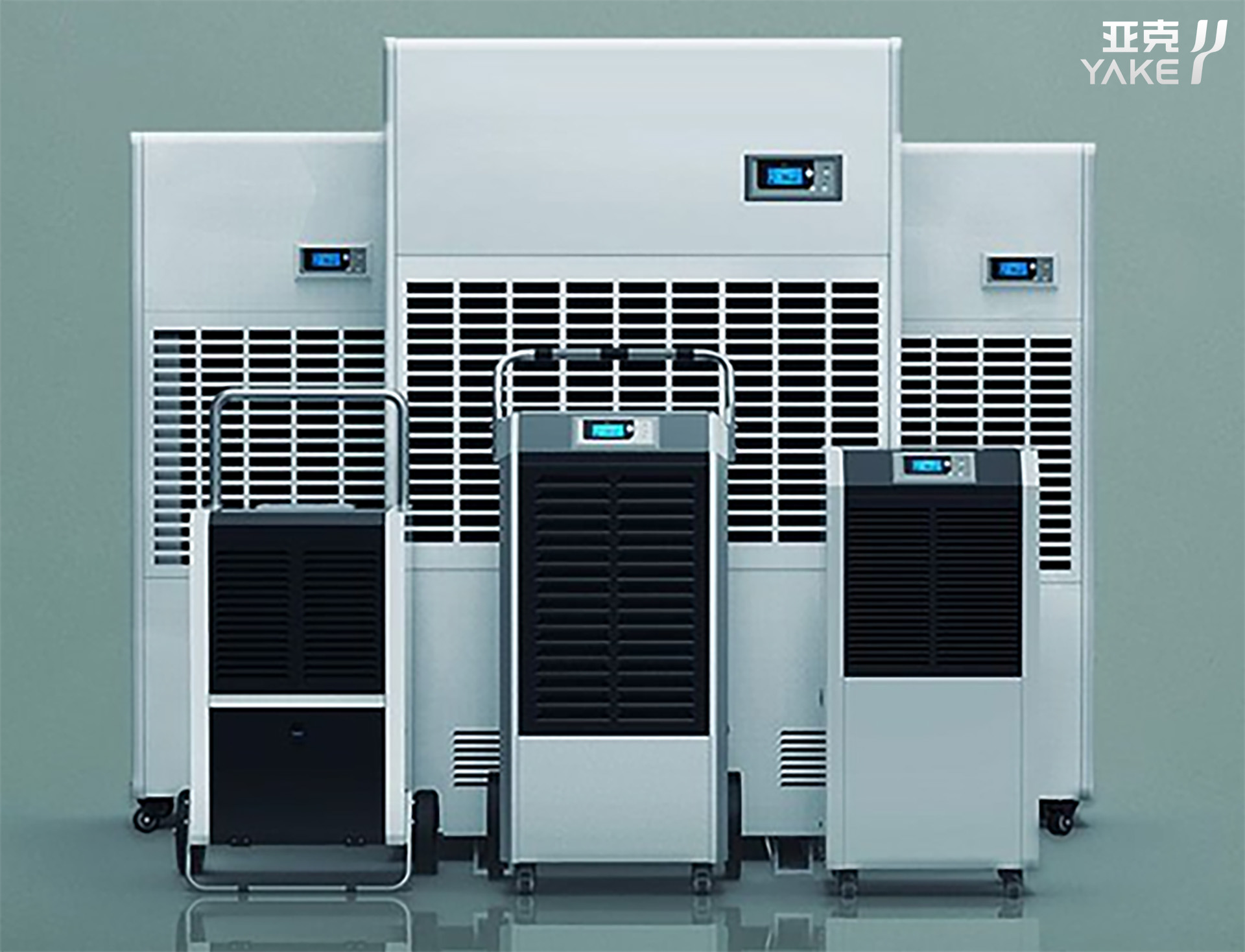
Contact us to find the best place to buy your Yakeclimate solution today!
Our experts have proven solutions to keep your humidity levels in check while keeping your energy costs low.