
Building 34, No. 535 Shunfeng Road, Hangzhou, Zhejiang, China
[email protected]
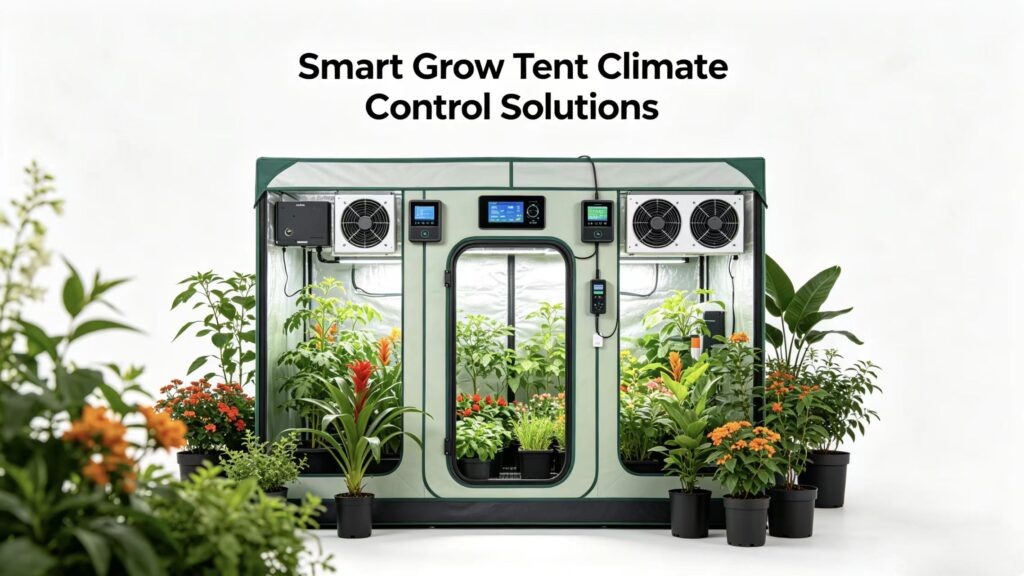

Smart grow tent climate control refers to the use of sensors, controllers and automation to maintain optimal temperature, humidity, and airflow within indoor plant tents. These smart grow tent climate control setups assist growers in achieving increased productivity, speeding up growth, and maintaining consistent plant health by regulating the air to remain constant. Most systems these days connect to apps or remote panels, so you can inspect or adjust settings from anywhere. Smarter control stops mold, keeps pests down, and reduces waste. For industrial growers and research labs, stable climate means adhering to tight crop regulations. Today’s smart tents employ fans, dehumidifiers, coolers and lights that cooperate for supreme performance. The next part illustrates in detail how these pieces interact and what to look for better control.

Smart climate control emerges as a centerpiece tool for anyone serious about indoor plant production. It automates climate control inside grow tents, which is essential for healthy plants and high yields. For industries seeking reliability, automation equates to less error, less guessing, and more efficient use of every square meter.
With real time data, switching from manual to automated climate control means faster, more accurate reactions to shifts in the grow space. Manual adjustments are often behind what the plants require. Automation intervenes at exactly the right time, even in the middle of the night.
Remote access is the real stunner. Thanks to smart apps, plant managers don’t need to be on-site to monitor growing spaces. Voice integration with Alexa or Google Home allows employees to make adjustments without putting down tools or gloves.
Sensors and controllers collect real-time information, enabling precise management of light cycles, air circulation, and humidity. Smart systems learn the optimal environment for each plant and adapt in real time. For instance, orchids require specific humidity levels when they bloom and lettuce should be kept cool at night.
Advanced controllers can imitate natural cycles, providing plants with the proper growth signals. Data analytics reveal trends, like when temperature spikes stall germination. Tweaking these variables with data produces healthier, more productive plants. Smart climate control helps tracking patterns assist teams in adjusting strategies to boost yields.
Smart systems don’t just save crops—they save money, too. Smart climate control automates heating, cooling, and lighting so that energy is only used when you need it. Scheduling devices for late-night hours decreases utility bills.
| Device Type | Features | Price (USD) | Pros | Cons |
|---|---|---|---|---|
| Smart Plug | Timer, App Control | $15 | Easy, cheap, flexible | Limited to on/off |
| Smart Thermostat | Schedules, Sensors | $90 | Precise, energy-saving | Higher upfront |
| Smart Humidifier | Humidity Control | $60 | Keeps levels stable | Needs refill |
| Smart Controller | Full Integration | $140 | Manages all devices, analytics | Complex setup |
As smart apps help spot energy drains, they chart consumption so groups can adjust configurations for maximum savings.
Environmental data collection makes plant care more targeted. Sensors monitor temperature, humidity, and light, providing inputs to a central dashboard. Trends in this data indicate when to anticipate seasonal shifts or catch problems before they become epidemic.
Your teams can set alerts for key events like unexpected temperature drops so action is always timely. Historical records simplify planning and inform decisions for future cycles. Our mix of sensor inputs provides a complete perspective, helping you catch problems before they turn into disasters.
Smart grow tent climate control depends on balancing three factors: temperature, humidity, and airflow. These dynamics cooperate to influence plant growth, fitness, and production. Too much or too little of any factor causes stress. To fine-tune each is not just to set a target but to know how each move impacts the others. The table below shows how these elements relate to each other and plant growth outcomes:
| Factor | Ideal Range | Effect on Plants | Interaction With Others |
|---|---|---|---|
| Temperature | 20–28°C (growth phase) | Growth rate, enzyme activity | Changes VPD, humidity |
| Humidity | 50–70% RH | Transpiration, nutrient uptake | Affects VPD, disease risk |
| Airflow | Gentle, steady | CO₂ supply, mold prevention | Disperses heat, moisture |
| VPD | 0.8–1.2 kPa | Water uptake, stress level | Depends on temp, RH |
To keep each core element in check is to use sensors and automation to monitor and control on a real-time basis. Small changes in one tend to imply a tweak may be required in another for optimal results.
Plants require consistent warmth in order to flourish. Most flourish at 20 to 28°C on the veg. Dipping beneath or overheating beyond this can stall photosynthesis and enzyme activity. Automated controllers can help maintain steady temperatures by activating heaters or chillers only when strictly necessary, conserving energy. By tracking day-night cycles, the system lets users simulate natural swings, which certain plants depend on for development. For instance, night setback functions in controllers save expense and strain by reducing heat output during dark hours.
Humidity management is essential for preventing mold and allowing leaves to ‘breathe’ properly. High humidity increases fungal hazard, while overly dry conditions cause plants to shut their pores, stunting growth. With humidifiers and dehumidifiers, growers can establish and maintain goals. Sensors provide instant feedback so settings can be adjusted if moisture accumulates after rain or evaporates with added heat. Controlling humidity for each growth stage, more when plants are young and less during flowering, results in healthier plants. Real-time data addresses trouble before it affects yields.
Great airflow is essential for circulating CO₂, stabilizing temperature and preventing stale air. Exhaust fans with intake vents exchange moist, warm air for fresh air. Some control systems will vary fan speed depending on what sensors detect for temperature and humidity. This keeps VPD in that perfect range and maintains consistent photosynthesis. Poor air circulation allows disease to root, therefore consistent, light circulation is ideal. Frequent inspections prevent any areas from being overlooked and allow the entire tent to receive adequate ventilation.
Today’s smart grow tents rely on a web of accurate, responsive technologies to keep stable climates for delicate plants. All are key pieces of smart grow tent tech that help maintain temperature, humidity, and airflow within narrow ranges. For industrial cultivators and facility operators, these technologies integrate seamlessly and are crucial for reliable yields and operational efficiency.
A smart grow tent ecosystem connects all climate and growth controls to a single hub. This setup maintains temperature, humidity, light, and CO₂ constant. It eliminates manual labor, minimizes errors, and assists in meeting stringent quality requirements in manufacturing environments. When you connect lighting, fans, dehumidifiers, and sensors together, it provides you with real-time data, enabling your operations to make adjustments on the fly for optimal plant growth. With several smart outlets, socket shortages and timer tangles dissolve. All of this frees time, keeps energy consumption in check, and helps you focus on larger priorities.
Programmable LED lights are a given at this point in smart tent configurations. Every light can be calibrated for spectrum, intensity, and duration. This allows you to pair light cycles to each plant phase — seedling, veg, or bloom. With sensors, you can follow light striking the canopy, ensuring it is always sufficient but never excessive.
Syncing lighting with humidity and CO₂ controls means every component of your ecosystem works in harmony. For instance, as lights ramp up, fans and humidifiers simultaneously kick in to counterbalance the increasing temperatures and dryness. This synchronization allows you to simulate natural light-dark cycles, which many cultivators believe enhances plant vigor and production.
Drip irrigation or automated pumps maintain soil moisture at a consistent level. There is no more guesswork or cumbersome manual checking. Schedules can vary by plant species or phase of development, ensuring roots receive what they need when they need it.
Soil moisture sensors connect to the watering system, activating only if they detect the need. This technique conserves water and protects the plants from root rot due to excess watering. Real-time monitoring means you can identify patterns or concerns early and adapt before they become problematic.
Keeping a steady CO₂ level inside the grow tent accelerates photosynthesis and plant growth. CO₂ sensors provide real-time data, so enrichment operates just when necessary. This eco-smart specificity saves gas and energy.
CO₂ control, for example, is frequently configured to operate in conjunction with lighting and temperature variations. As lights are on and plants are active, CO₂ boosts engage. The result is stronger, faster-growing plants with less wasted input. Knowing these connections keeps the entire machine operating slick and economical.
Smart grow tent systems introduce novel, often neglected challenges. Digital controls and cloud-enabled systems offer convenience, but they introduce unseen risks that, if not managed well, can disrupt production and endanger yields. These concerns extend well beyond physical breakdown. Cybersecurity, data integrity, and system resilience become as important as sensor precision.
Potential Digital Risks in Smart Grow Tent Technology:
Encrypted connections are a must. Each connected device ought to have its own strong password. Easy default credentials encourage hijacking. Encryption of data in transit and at rest helps keep sensitive readings and control commands safe from interception. Firmware and software updates are necessary to patch vulnerabilities. Most smart devices depend on legacy protocols and leaving them unpatched is inviting trouble.
Configure a separate network or VLAN for smart grow tent controls. This restricts exposure in case another machine on the network is compromised. Watch all network activity for unauthorized access. Automated alerts for failed logins or unexpected connections can identify issues early on.
Giving third-party apps access to your data can accelerate automation, but it’s dangerous. Unfortunately, not all vendors adhere so closely to the same privacy standards. They check privacy policies to make sure the data is only being used for the intended climate control and not for analytics or marketing. Be selective with what and how much data you share; keep only what’s necessary. Use local storage whenever possible to decrease your dependence on cloud providers who are susceptible to hacks. Regular data flow audits keep sensitive data in check.
Device failure is always a concern, particularly in an automated setting. One broken relay or sensor can mess it all up. Have backups like manual override or secondary sensors. Test these regularly to ensure they work when needed. Use high accuracy sensors, plus or minus 0.5 degrees Fahrenheit and plus or minus 2 percent relative humidity, and check calibration every six months. Salt tests or ice baths work well. It is best to mount sensors at canopy height, away from direct light and airflow. Track device logs and alert on slowdowns or malfunctions. Redundancy stops you from completely losing control when one part crashes.
Smart grow tent climate control is about customizing climate conditions to plant stage for optimal growth and yield. Being able to fine-tune temperature, humidity, light, and airflow at each stage avoids stress, supports strong development, and prevents disease. A step-by-step checklist means you don’t miss a thing, and schedules allow you to set changes in advance. Monitor and adjust parameters as crops develop. This means less error and more success.
Seedlings prefer 20 to 25 degrees Celsius and 65 to 70 percent relative humidity. Seedlings are susceptible to extremes. Air should be gentle, and drafts or hot air blowing on leaves should be avoided. Use low-intensity lighting, such as fluorescent tubes or LEDs at 100 to 200 micromoles per square meter per second. Inspect soil regularly, as overwatering causes root rot and damping-off. Water lightly from the top, keeping soil just moist. A 21 degrees Celsius heat mat ensures seeds germinate uniformly. As the plants grow, gradually increase light intensity and push temperatures toward 24 degrees Celsius.
Veg growth requires more light, 16 to 20 hours per day, 300 to 600 μmol/m²/s, for photosynthesis. Heat should be 22 to 28°C in the daytime and 5 to 6°C cooler at night. Maintain humidity at 50 to 60% for lush leaves and increased nutrient absorption. Use CO₂ injection for dense canopies and speedier growth, at 900 to 1200 ppm. Watch for heat buildup and use tent heaters with thermostats for control. Maintain air circulation to prevent hot spots and mold.
Bloom requires tuning lower temperatures to 20 to 26 degrees Celsius, with nights 5 to 6 degrees cooler to dry some moisture from the air. Maintain humidity at 40 to 50 percent during flowering to avoid bud rot. Adjust light cycles to 12 hours on and 12 hours off to induce blooming. Monitor soil moisture and nutrients daily, as blooming plants have increased demands. Stress from too much heat, dryness, or nutrient swings damages yield and quality. ACME CLIMATE: Customize Your Climate. Make quick adjustments to your desired settings using data from climate sensors. Maintain air flow, but do not allow warm air to contact buds.
Smart climate tools transform the way people cultivate indoors. Fast adjustments maintain temperatures, moisture, and air perfectly. Smart grow tent climate control. Experience robust harvests with reduced waste. Sensors spot small changes quickly. Easy apps assist in managing. Less stress, more control. In labs, smart tents reduce downtime and increase batch yield. Clean rooms require close control as well. Everything from herbs to exotic flowers does well with these configurations. Smart equipment adapts to compact home grow tents or expansive greenhouses. Ready to maximize plant vitality and minimize your effort? Consider a complete smart system. For additional advice or assistance with configuration, contact Yakeclimate for genuine support from people who understand.
Smart climate control employs sensors and automation to regulate temperature, humidity, and airflow within a grow tent. This allows you to maintain a plant’s perfect environment without continuously adjusting.
These three factors directly impact plant health. The right balance prevents disease, accelerates growth, and increases yields. Smart systems keep these conditions stable.
Key technologies are digital sensors, automated fans, smart humidifiers, and programmable LED lights. These combine to keep the optimal environment for your plants.
Connect devices via a centralized smart hub or supported app. This lets you control and automate as one, making changes easy and effective from a single interface.
Yes, if not secured, smart devices may be exposed to hacking. Always use strong passwords, update software, and opt for reputable brands.
Yeah, I believe most smart systems let you set custom parameters for different plants. This allows you to establish custom environments for each strain and encourages more optimal development and wellness.
Automation is time-saving, error-proof, and keeps plant conditions right 24/7. This results in healthier plants and bigger yields with less day-to-day work.


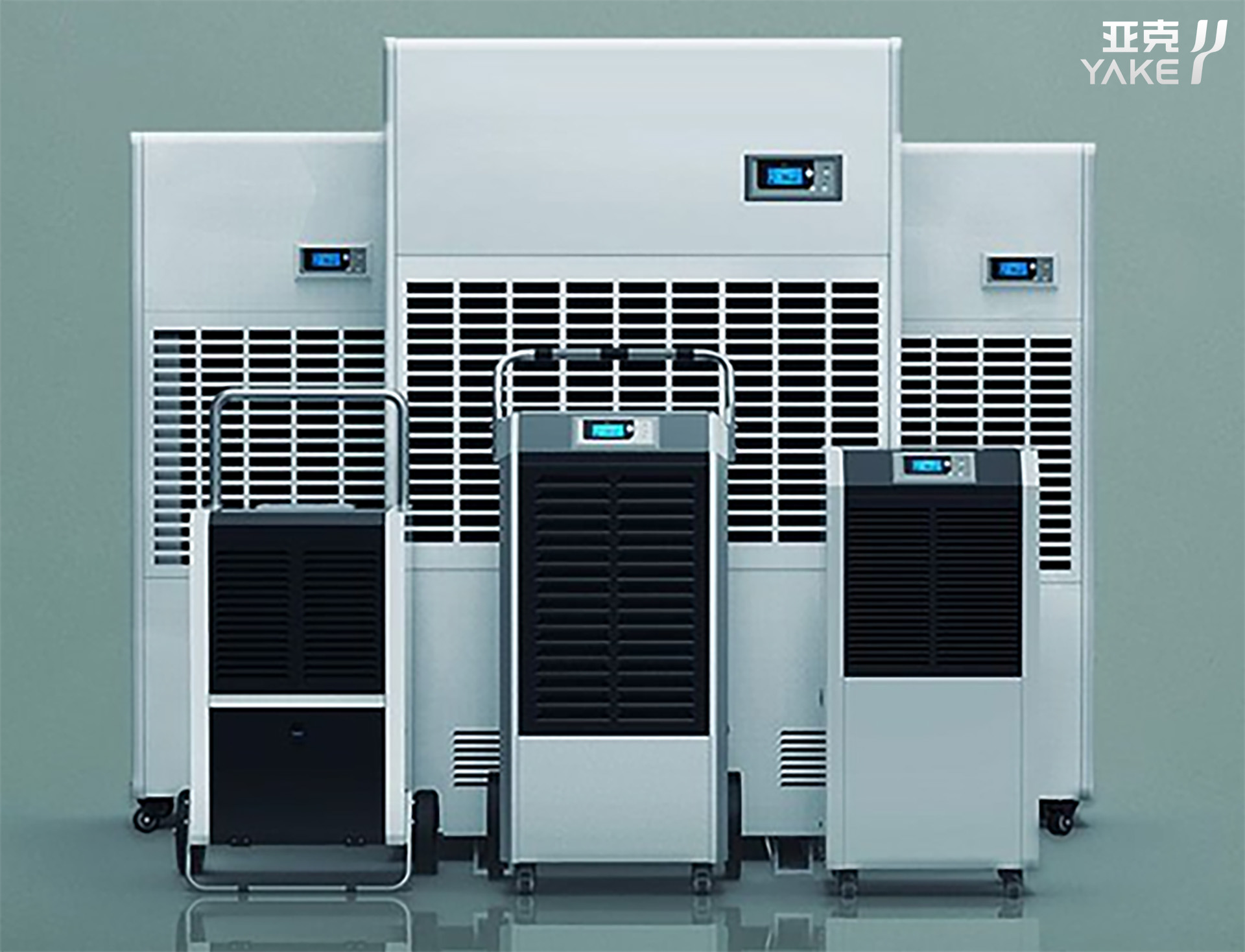
Contact us to find the best place to buy your Yakeclimate solution today!
Our experts have proven solutions to keep your humidity levels in check while keeping your energy costs low.