
Building 34, No. 535 Shunfeng Road, Hangzhou, Zhejiang, China
[email protected]
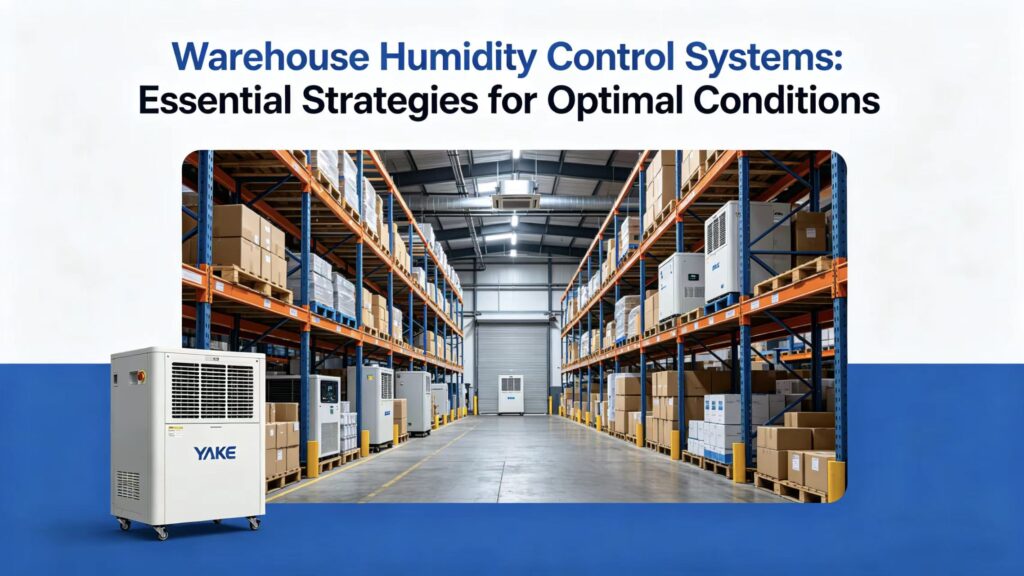

Warehouse humidity control systems ensure safe and stable air moisture levels in storage areas. They deploy tools such as dehumidifiers, sensors, and air flow units to prevent damage from mold, rust, or rot. Many sectors, including food, pharmaceuticals, and electronics, require this control to maintain inventory optimally and comply with safety standards. A good system can reduce expenses due to spoilage, save energy, and create a nicer working environment for employees. The ideal configuration will vary by warehouse size, contents, and regional climate. The following sections discuss the operational mechanisms of these systems, key features to consider, and the importance of established brands for sustainable benefits.

Humidity is the silent menace in warehouses around the world. It doesn’t matter if you’re warehousing food, flour, electronics or bedding—if you don’t control humidity, you’re inviting spoilt stock, hazardous environments, and soaring operating expenses. The sweet spot for most warehouses is between 45% and 55% RH. Even minor fluctuations beyond this range can dramatically impact product integrity, building health, and employee comfort.
Maintaining RH stable is crucial for products that perish or degrade rapidly. Food producers, for instance, can lose as much as 15% of their annual yield if humidity gets too high or low. Delicate machinery, books, and fabric rot or distort with the wrong kind of moisture. Humidity sensors, deployed across the warehouse, allow you to detect problems before they begin. A tiny data logger left in a corner can reveal to you exactly where conditions slide, giving you the opportunity to react quickly with fans, dehumidifiers or tighter seals. A little oversight goes a long way.
Mold can form in a warehouse with poor air flow in under 48 hours if the relative humidity rises above 70 percent. Once begun, mold consumes walls and floors, precipitating expensive repairs. Moisture corrodes concrete, wood, and insulation, reducing a building’s longevity. Vapor barriers and consistent walk-throughs prevent issues early. If you spot water stains or peeling paint, it’s time to patch leaks or boost your ventilation.
Humidity is a silent killer because it makes surfaces damp and thus increases slip risks. Employees can slip or fall, particularly around loading docks or walk-in freezers. Teaching employees to identify slick spots is useful, but air circulation and routine inspections are far more consistent. Once you establish humidity check policies, you reduce disasters and control insurance premiums.
Outdated dehumidifiers and HVAC units can run constantly, increasing power bills. Intelligent controls and energy efficient units eliminate waste. Monitoring power consumption using meters can indicate opportunities for adjustments, perhaps by ventilating a few hours or caulking humidity-laden air passages.
When RH remains elevated, mold and dust mites flourish. This results in coughing, headaches, and Sick Building Syndrome that can drive sick days higher. Air quality monitors nip problems at the bud. By educating your crew on why humidity is important, you all work together for a safer, healthier environment.
Humidity control in warehouses is critical for preserving products, maintaining machinery operation, and safeguarding employees. International guidelines indicate that the optimal indoor humidity is in the range of 45% to 55%, with an extended safe zone between 20% and 60%. Controlling humidity can reduce spoilage by 30%, save as much as 15% in expenses, and extend the shelf life of vulnerable items like food and electronics. Bad humidity leads to static, dust, and can even impact workers’ health. Many countries, like the U.S. For instance, have laws where warehouses are mandated to adhere to these standards to prevent hazardous working conditions.
Below is a comparison table outlining the main humidity control technologies used in warehouses:
| System Type | Best For | Energy Use | Suitability | Maintenance |
|---|---|---|---|---|
| Desiccant Dehumidifier | Low temp, high load | Moderate-High | Precise control | Moderate |
| Refrigerant Dehumidifier | Moderate temp, standard load | Low-Moderate | Multi-purpose | Low |
| Integrated HVAC | Whole-warehouse management | Varies | Broad application | Moderate-High |
Desiccant dehumidifiers perform optimally in cold storages or areas where refrigerant systems cannot accomplish the task. They extract moisture from the air through a desiccant drying wheel. These are ideal for wet warehouses or those with stringent humidity requirements, such as pharmaceutical or electronics storage. One huge advantage is how easily they maintain humidity even at temperatures below 10°C. They do require routine filter replacement and rotor servicing. Operating costs are higher than with refrigerant models, but the reward is more precise control in stubborn locations.
Refrigerant dehumidifiers excel in typical warehouse environments. They dehumidify by cooling air and extracting moisture at the same time, so they’re great when you need to control both temperature and humidity. They’re energy efficient for the majority of applications and their running cost is typically less than desiccant types. These devices operate efficiently from 18 to 32°C. They’re easy enough to install but require some clearance for air circulation and drainage. If you stock food, maintaining humidity from 50 to 55 percent helps prevent spoilage.
Built-in HVAC systems don’t just heat or cool. They maintain the proper humidity and air quality level year-round. Smart controls even allow them to adapt settings automatically to warehouse requirements. This is fantastic for warehouses with fluctuating inventory or heterogeneous products. Consistent inspections and maintenance are crucial to preventing failures. If you already have HVAC, retrofits are frequently available to add humidity controls, reducing new gear expenses.
Designing a warehouse humidity control system begins with a goal. Every warehouse requires a strategy adapted to its configuration, application, and products. Set the daily humidity and temperature goals for each item. Most warehouses do best with 45% to 55% relative humidity, plus or minus 5% to 10%. Establish these limits depending on what you store, such as steel, cardboard, or electronics.
High-risk areas are by doors, loading docks or where circulation is inadequate. Door openings can increase the moisture load by a factor of ten, so record the frequency and location of door openings. Use digital hygrometers at 1.5 meters away from doors or vents to get honest readings. Take warehouse managers and staff on the walkthrough to identify trouble and decide what’s a priority.
First, figure the moisture load: add up gains from door traffic, people, and moving goods. Next, check temperature and humidity. A dehumidifier has to manage the worst case, not the mean. If your warehouse stores new stock, make the system grow. Systems that are too big waste money, but systems that are too small risk spoilage and downtime.
| System Type | Energy Use (kWh/1000L water removed) | Notable Feature |
|---|---|---|
| Refrigerant-based | 1.3–1.8 | Best for moderate climates |
| Desiccant rotor | 2.5 to 3.2 | Good at low temperatures, high costs |
| Hybrid systems | 1.8–2.4 | Blends both and is easy to use flexibly |
Operating expenses are as important as initial cost. Refrigerant systems do very well in humid, warm areas. Desiccant models are perfect for chilly or dry locations yet are more expensive to operate. Choose models with timers, variable-speed fans or demand-based controls to reduce electrical consumption. Monitor your monthly energy bills and system logs, then adjust settings or behaviors to save even more.
Collaborate with climate engineers or reliable suppliers to create a system tailored to your warehouse. Your good team can contrast layout, trade case studies and assist you in selecting gear that fits your lifestyle and budget. They may recommend air curtains or strip curtains instead of machines, which frequently works out better. Most importantly, be sure everyone — planners, operators and techs — knows their role in the system and how to keep it running smoothly.
Smart integration takes warehouse humidity control well past mere installation. Connecting climate systems with warehouse and building management allows operators to reduce expenses, increase productivity, and safeguard products and infrastructure alike. Data-driven automation and remote access are now common to maintain stable humidity and low energy consumption in these sophisticated storage environments.
When warehouse humidity control integrates with a WMS, data flows seamlessly from one system to the next, informing inventory and climate alike. Operators can customize humidity levels to the requirements of specific products. For instance, sensitive electronics may need humidity kept in the 45 to 55 percent range, whereas textiles or food may require slightly different setpoints. This matching reduces spoilage, mold, and product loss, protecting brand equity and customer confidence.
Upgrades without interruption are key. These systems should integrate seamlessly with WMS updates or inventory shifts, minimizing downtime and preventing expensive disruption. Shared data allows managers to forecast and prepare for seasonal fluctuations or new shipments that might increase humidity dangers.
Automated humidity optimization leverages sensor data in real-time to adjust and maintain optimal conditions regardless of shipping season or weather changes. Smart sensors detect micro-shifts in humidity, activating dehumidifiers or HVAC systems to respond quickly. It’s less hassle for employees and more reliable shielding for merchandise.
With automated controls, the system reacts to triggers such as loading dock doors opening or heavy machinery operating. This rapid response prevents humidity from swinging too far out of range, reduces spoilage, minimizes energy waste, and helps to avoid mold or electrical malfunctions that can result in expensive repairs.
Data analytics drive modern humidity control. By monitoring historic and real-time trends, managers identify patterns that signal issues, such as recurring spikes following specific shipments or storms. Dashboards make this data easy to see, so decisions happen faster.
Analytics assist in optimizing equipment schedules, scheduling predictive maintenance and identifying opportunities for energy demand reduction. Over time, well-used analytics can reduce HVAC energy consumption by 10 to 20 percent, maintain environmental stability, and even prolong the lifespan of warehouse equipment by detecting early signs of stress or wear.
Proactive system maintenance is crucial to maintaining healthy warehouse humidity control systems. It reduces downtime, provides cost savings, and maintains product quality. Below are practical steps for ongoing care:
Routine inspections detect the early signs of wear or underperformance before they develop into major issues. When you’ve scheduled to check, check for corrosion, blocked vents or strange noises from the machine. Examine humidity sensors to be sure they are reading accurately. Incorrect information can cause the air to be too dry or too damp, resulting in stale air or spoiled products.
Set aside a few moments to inspect the controls and system readouts for error or warning signals. Check out dehumidifiers and HVACs. If coils are dirty or filters clogged, airflow decreases and efficiency declines. If you detect anything amiss, correct it immediately.
Record each inspection in a log. This way, any trend of faults or slowdown is more readily identifiable over time.
Proactive system maintenance – Proper care of filters, coils and other moving parts keeps your system running strong. Clean or replace filters frequently, particularly if the area is dusty or hectic. Swap out any worn or broken components quickly, per the manufacturer’s advice on when and how.
These records assist in monitoring whether specific components break frequently or if environmental changes contribute to increased wear.
Performance audits examine the effectiveness of the humidity control system. These checks compare power consumption to outcomes. If energy consumption is high but conditions remain out of alignment, something has to give.
Audit results reveal whether system upgrades or setting adjustments are required. Have warehouse managers and team leaders join these reviews so all are on the same page about what ‘good performance’ means.
We tend to forget just how much human factors influence warehouse humidity control. Machines and sensors establish the baseline, but it’s staff training, discipline, and feedback that keep things humming. Employees work inside all day, and air quality and temperature fluctuations impact both health and warehouse performance. The right systems, paired with well-trained staff, aid in maintaining humidity between 45 and 55 percent, reducing spoilage by up to 30 percent and locking in freshness.
Training isn’t just about the equipment. It means educating each employee on what humidity does to goods and to them. Food or medicine warehouses need special attention. Ignored humidity can ruin stock quickly and risk standards. Staff have to detect indications of excessive or insufficient moisture, such as condensation, mold or wrinkled packaging, and understand when to refer issues. It should be ongoing, not a one-off. Well-designed training materials, simple to read and easy to find, assist workers in recalling what to do, even months later.
Once folks understand how the air affects them, they begin to sense when it is different—stuffy or smelling weird. They become more alert and act quicker. This keeps air safer and products top quality.
Concrete guidelines for monitoring humidity, air quality, and temperature reduce errors. Protocols need to specify who does what, how frequently measurements are made, and what to do if values go off target. This keeps us all on the same page.
Accountability is crucial. When every worker has ownership in an element of the chain, it’s less likely that issues are overlooked. Weekly meetings, or even quick check-ins, reinforce good habits. Teamwork matters too. Tackling problems together prevents little problems from becoming big ones.
Some open channel for feedback allows staff to flag issues that sensors might miss. Perhaps some corner in the warehouse perpetually hangs damp or the air circulation gets stagnant on hectic shifts. Floor workers know these things best.
Feedback needs to be simple to provide and accessed frequently. When managers hear and act, employees remain involved. This exchange creates trust and assists in calibrating moisture strategies. About: The Overlooked Human Element
Well-managed warehouse humidity protects goods, employees, and utilities. These smart systems do not just dry the air. They reduce spoilage, assist in preserving freshness, and simplify labor. Equipment such as sensors and powerful fans allow crews to identify hazards early and correct issues quickly. A properly adjusted system hums along 24/7, rain or shine or inventory load. Easy adjustments, such as transparent training or consistent inspections, extend system lifespan and reduce costs. If you want to create a better warehouse, begin with the atmosphere. Make a move today, review your configuration, discuss with your crew, or check out some new equipment. Little steps today take giant leaps tomorrow.
A warehouse humidity control system regulates moisture with sensors, dehumidifiers, and ventilation. It safeguards goods, equipment, and infrastructure from humidity-related damage.
Unmanaged humidity leads to mold, corrosion, and product spoilage. Proper control keeps product quality high and lowers health and safety hazards for workers.
Think about your warehouse size, normal humidity, and your materials. Custom solutions for warehouse humidity control and energy savings.
Yes, pretty much any modern humidity control system can be integrated with warehouse management and HVAC systems. With integration, monitors can be automated and efficiency increased.
Routine service is recommended every six months. Inspections guard against system failures and provide consistent performance.
Most systems incorporate energy-efficient technology, such as variable-speed fans and smart sensors. These options minimize energy costs and maximize humidity control.
Trained personnel can monitor, operate, and respond to system alerts. Good training ensures you maximize system benefits and avoid expensive blunders.


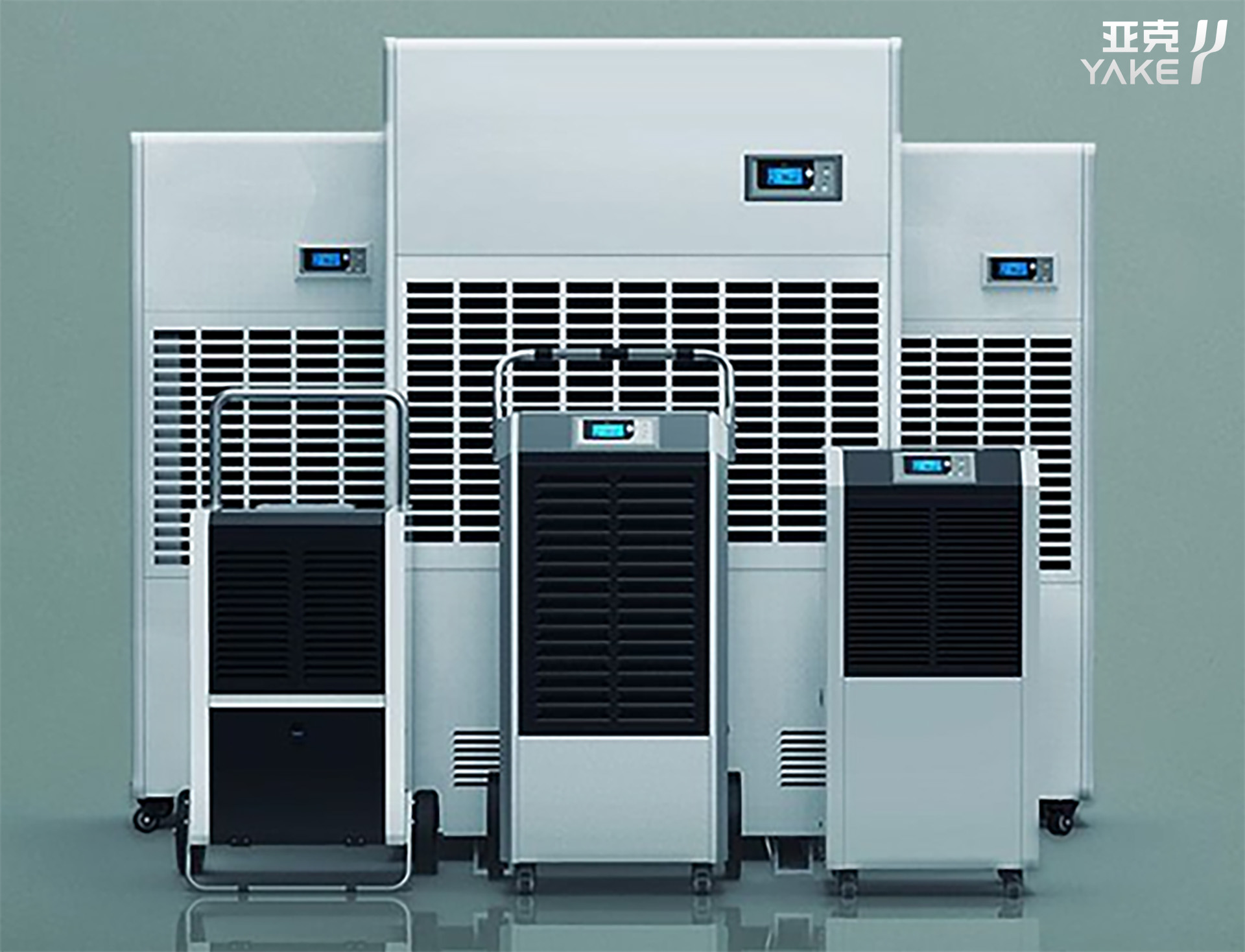
Contact us to find the best place to buy your Yakeclimate solution today!
Our experts have proven solutions to keep your humidity levels in check while keeping your energy costs low.