
Building 34, No. 535 Shunfeng Road, Hangzhou, Zhejiang, China
[email protected]
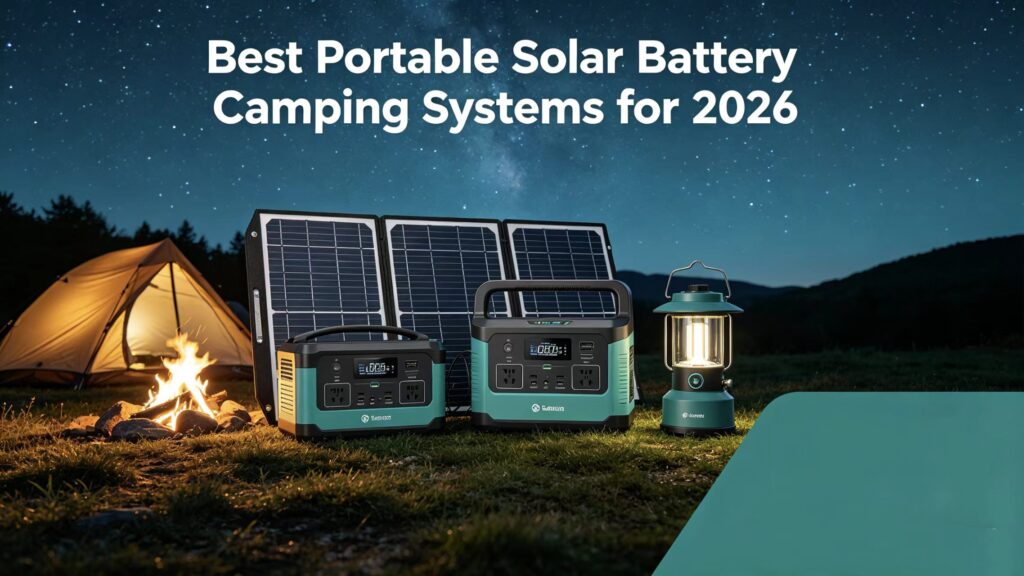

Portable solar battery camping systems are mini power stations that utilize compact solar panels and onboard batteries to operate equipment and tools at outdoor locations. Quite a few combine foldable solar panels with lithium battery packs in the 300 to 2,000 Wh range, which is sufficient for LED lights, phones, sensors, small fridges, and some power tools. Units tend to include USB, AC, and DC ports as well as basic displays for power draw, charge rate, and state of charge. For industrial or project-based camping, like remote site checks or field testing, reliable off-grid power eliminates noise, fuel consumption, and upkeep associated with small generators. The next sections parse out essential specs, sizing principles, and use cases for selecting systems that align with actual field need.

Portable solar battery systems are an all-in-one power solution combining solar panels, a battery pack and control electronics in a single portable kit. They convert sunlight to energy you can bank for later at camp or some other remote location. In practice, they stand in for or supplement fuel generators to charge phones, radios, LED lights, test tools, laptops, or even small medical or monitoring devices in the field.
They provide reliable off-grid electricity with no fuel, fumes, or engine noise. For crews who already prioritize energy efficiency and emissions on their plants, the same mentality carries over to how they fuel temporary field work, outdoor experiments, or extended camping trips. Solar reduces local carbon emissions, mitigates logistical risk in terms of fuel supply, and aligns with broader ESG and regulatory pressure many industrial sectors already confront.
Typical components and roles:
The power station is the heart of the battery. It stores the power that the solar panel collects and delivers it via integrated ports. Several units combine lithium-ion or LiFePO₄ cells, a battery management system, an inverter, and a display into one rugged case, which expedites setup for field crews and campers.
Newer stations usually include USB‑A, USB‑C, DC car ports and AC outlets, allowing you to run a combination of radios, laptops, LED task lights and mini-pumps simultaneously. Capacity, typically given in watt‑hours, indicates how long you can power loads such as a 20 W communicator or a 60 W laptop. Higher capacity is important if you’re planning multi‑day trips or require power for data loggers or sensor hubs through the night. It’s worth looking for overcharge and deep‑discharge protection, cell balancing, a clear SOC display, and the ability to add external batteries if your duty cycle expands.
The solar panel converts sunlight to DC electricity using photovoltaic cells wired in series into strings and modules. It typically rests on the ground or a vehicle roof in a camping or makeshift field setup and trickle feeds the power station throughout the day.
Monocrystalline panels offer more efficiency in a smaller footprint, which is a real benefit when packing your gear or dealing with limited mounting space. Polycrystalline is generally less expensive but slightly less effective per square meter. Flexible panels save weight and can wrap around curved surfaces, but they frequently sacrifice some durability and output, which is important if you operate in a harsh environment.
Panel wattage should correspond to your daily draw. A 28 W foldable panel may be fine for phones and a headlamp, but a 100 or 160 W kit suits best if you power a laptop, small router, or low-draw instruments for a few hours. Size, folding style, built-in kickstands, weather rating, and supplied MC4 or proprietary cables all impact how quickly you can slide the system into position and pack it away during constant moves.
The charge controller sits between the panel and the battery. Its role is to control voltage and current so the battery charges safely without overvoltage or thermal stress. In most portable power stations, this controller is internal. In modular DIY kits, it is a separate unit you wire yourself.
MPPT controllers track the panel’s maximum power point and can capture more usable energy under fluctuating illumination or elevated cell temperatures. Compared to basic PWM units, MPPT is typically 15 to 25 percent more efficient in real-world use, which directly reduces charge time. The controller must correspond to system voltage, commonly 12 V or 24 V, and be configured for appropriate battery chemistry, such as LiFePO₄ or AGM, to prevent premature cycle life degradation. Good units provide short-circuit, overload, reverse polarity, and over-temperature protection, which reduces risk when non-specialists implement the kit.
The inverter turns the battery’s DC output into AC so you can power conventional chargers and small devices. Most camping-grade power stations include a pure sine wave inverter, which generates reliable AC for sensitive equipment like medical sensors, communications equipment, or calibration laptops.
The inverter needs to be sized with headroom above your peak load. If you want to run a 120 W laptop brick and a 60 W router simultaneously, a 300 to 500 W continuous inverter provides a safe margin and room for brief start-up surges. Efficiency ratings are important because each loss becomes heat. The more efficient your system, the more of your stored watt-hours make it to the load. Built-in cooling fans and thermal management keep components within safe limits during hot days or enclosed tent use. This is an important feature when you view this gear as a component of a broader, dependable mobile work solution.
Selecting a portable solar battery camping system works best when you treat it like sizing plant power or air-handling gear: define the load, then back into capacity, hardware, and budget. The goal is a right-sized, scalable kit that supports today’s trips but can expand if your usage pattern moves to longer and more power-hungry off-grid visits.
| Device | Qty | Power (W) | H/day | Wh/day |
|---|---|---|---|---|
| Smartphone | 2 | 10 | 2 | 40 |
| Tablet / e‑reader | 1 | 15 | 2 | 30 |
| LED headlamp | 2 | 5 | 1 | 10 |
| USB fan | 1 | 10 | 4 | 40 |
| Camera battery charger | 1 | 15 | 1 | 15 |
| Laptop | 1 | 60 | 2 | 120 |
| Portable fridge (12 V) | 1 | 45 | 10 | 450 |
| Misc. small loads (loss) | — | — | — | 50 |
| Approx. total | 755 |
Balance daily watt-hours, pack size, and cost. A little USB panel is great if you just recharge phones. A portable power station with 500 to 1,000 watt-hours per day generation is much nearer to a light, semi-permanent base camp. For mobile living, budget 1,000 to 3,000 watt-hours for weekend trips and over 3,000 watt-hours when you operate a fridge, tools, or communications gear for weeks. Modular expansion helps; you can add panels or an extra battery later instead of over-buying on day one.
Future needs count. Seasonal yield drops in winter, so either additional panel area or more aggressive load management might be necessary to maintain core devices online. A well-built system can run for over 10 years with minimal cleaning and visual inspections. That pays back the initial investment.
Begin by calculating daily consumption in watt-hours. Take each device’s power draw times its hours of use, add them together, then add some leeway for inverter losses and “phantom” loads. Almost everyone undercounts. That’s what fuels dead packs on day three.
Select 20% more battery capacity than your use and often 30 to 40% if you camp in cloudy or forested areas. If your table provides 750 Wh per day, a 1,000 Wh pack is a convenient minimum. For other more static off-grid setups, a system that can consistently produce and store 500 to 1,000 Wh per day fits minimal long-term use, while 1,000 to 3,000 Wh or more aligns better with RV or work van work.
Align board input with capacity. A 100 W panel in good sun could produce 400 to 500 Wh per day. Paired with a 2,000 Wh battery means glacial, limited recharge following deep discharge. Most seem surprised to find that they usually end up with 200 to 400 W of panels for a 1 to 2 kWh pack and grow seasonally as winter sun hours decrease.
For ultra-light loads, a small panel like the BigBlue 28 W USB Solar Charger functions as a “direct charger” for phones and headlamps. Stepping up to something like the Allpowers SP012 100 W, which can be found for just $145 on Amazon, makes more sense when you intend to replenish a mid-size power station each day. Right size your system by trimming costs but still covering peak days.
If you backpack the system, weight is paramount. A 300 g USB panel and 200 Wh battery bank might suffice for two phones and a headlamp, while a 10 kg 1 kWh station suits a car or base camp.
Foldable panels stow flat in a backpack or car trunk and unfold quickly at camp. All-in-one units with a built-in battery and panel are more straightforward but less versatile because you cannot angle or position the panel away from the shaded battery.
Look at the spec sheet, not just pictures. Size, weight, and the presence of a handle, shoulder strap, or tie-down points affect how the kit cruises on that mile-long walk from the parking lot.
Outdoor use beats down soft gear. Find panels with at least decent water resistance, which is IP65 or above, UV-stable surfaces, and drop-tolerant reinforced corners. Solid hinges minimize failure when you fold and unfold the array every day for weeks.
Backing materials count. ETFE-coated panels and textile-backed foldables outlast cheap PET laminates on heat and flex. In cold sites or high-altitude trips, this variance manifests as fewer cracked cells and stable output after years.
For the battery module, a hard-shell, shock-resistant case with recessed ports and rubber feet has proved to provide significantly better survival in a moving car or on rocky terrain. Lithium-iron-phosphate (LiFePO₄) chemistries manage temperature swings and deep cycles effectively, which corresponds to off-grid patterns.
Warranty length and scope is a transparent indication. Multi-year coverage on both electronics and panels, along with strong user reviews from people doing remote or wet-weather trips, often correlates with actual long-term reliability when you rely on the system.
Portable solar battery camping systems almost never live up to their printed rating in the field. Output varies with sun angle, clouds, heat, dirt on the panel, and how hard you pull on the battery. The only way to know your real numbers is to test: time how long your panel takes to push the battery from 20% to 80%, and log how many hours you can run lights, laptops, or tools. Run these trials in full sun, partial shade, and overcast, then schedule your travels around the worst case, not the best hour of noon sun.
Cloud cover and rain push solar yield south in a hurry. A panel that produces approximately 43.5 watt-hours in an hour of clear, direct sunlight could decrease to roughly 13.5 watt-hours in bright, indirect light, and significantly less in heavy cloud coverage. Winter’s short days and low sun angles reduce output once more, even in cold, clear air.
For camps with fixed space, it frequently makes sense to oversize the array. Two or three foldable panels instead of one tiny one can help you cover days with veil clouds or mist when you still have to crank comms gear, sensors, or work on laptops.
For extended journeys, a contingency plan is essential. A second battery, a small wall charger for those stops at grid power, or a 12 V car charger adds some margin when you notice three or four gray days in the forecast. Shift the panel throughout the day to follow the sun and monitor local weather apps so you can preemptively load up on charging before storms.
Panel efficiency indicates the percentage of sunlight converted into usable energy. For tight campsites, more efficient means more watt-hours per square meter, which counts if you have just a tiny clear patch near a tent or vehicle. Average portable rigs hover at 13 to 16 percent, with higher-grade monocrystalline panels topping out at 18 to 23 percent.
On paper, that jump seems minor. In the real world, it can be the difference between fully charging a 300 Wh station on one clear day or arriving half full at the end of the day’s run. Brands such as SunPower and Jackery SolarSaga emphasize higher efficiency cells, which is beneficial when weight and footprint must simultaneously remain minimal.
Heat and dust drag those numbers down. Dark panels on hot days get hotter than lab test points, which increases cell temperature and decreases voltage. Dust, pollen, or sea salt add light blockage on top. A quick midday swipe with a soft cloth and some airflow behind the panel keeps real-world output closer to the spec.
Most camping setups use three basic paths: direct solar into devices, solar into a battery, or a hybrid of solar and grid or vehicle charging. Direct solar is straightforward but delicate. A single cloud or shadow can cause phones or equipment to halt and resume charging, which isn’t desirable for delicate electronics.
Solar into a storage battery is most stable. The panel charges a power station or LiFePO₄ pack, and you draw all loads from that battery. Systems that utilize wall or car input provide additional control on extended excursions or hybrid work-and-camp agendas. You can top up from the grid at a lodge, then hold solar for remote days.
Pass-through charging provides even more flexibility. It allows the battery to charge from the panel while simultaneously powering radios, laptops, or small pumps. Make sure the power station is rated for this and that you know its maximum solar input in watts, so you do not waste panel capacity.
Cable and connector planning is more important than most people realize. Check supports USB‑C PD, 12 V barrel plugs, DC5521, Anderson, and if necessary, MC4 from the panel side. Bring short, fat cables to minimize voltage drop and a couple of adapters so all the gear you bring can plug in without having to search for workarounds.
Portable solar battery camping systems are capable of far more than keeping the lights on. These subtle engineering decisions around battery chemistry, charging logic, and inverter type affect real-life performance, risk, and total cost of ownership for the industrial users who camp on job sites or remote audits.
Lithium-ion and LiFePO₄ both provide significantly greater energy density than lead-acid, so for the same watt-hours you’re hauling much less weight in your truck or service vehicle. Lead-acid still lurks in cheap boxes, but it’s heavy, slow to charge and usually only rated for a few hundred deep cycles at best. By comparison, numerous LiFePO₄ packs achieve three thousand to six thousand cycles at eighty percent DoD, which is more in keeping with frequent field use by engineers and technicians.
LiFePO₄ has a more stable thermal profile and lower fire risk than standard NMC or NCA lithium-ion. That counts when you’re running gulping gear inside tents, mobile labs or cramped service trailers. Lithium systems in general accept higher charge rates, so they put daylight to better use when solar input is constrained by short winter days, high latitude or shaded industrial sites.
For field camp systems that could drive metrology equipment, sensors, or comms gear for years, LiFePO₄ is often the more sensible option despite the higher sticker price. It provides predictable capacity over time and withstands regular partial cycling, as occurs when solar cells charge at variable rates due to sun and angle. Always verify the manufacturer data sheet for cell grade, rated cycle life, operating temperature range, and built-in BMS functions rather than relying on just the marketing label.
Pass-through charging indicates the battery can deliver power to loads as it is being charged by solar panels or grid input simultaneously. In the field, this allows you to keep laptops, tiny PLCs, or environmental loggers operational through the workday as solar input varies.
This comes in handy when solar yield is minimal, like in winter when sun angles are low and days are short, or at high elevations where colder air increases panel voltage but drifting clouds lead to large output fluctuations. Not all power stations support it. Some brands will void warranties if users attempt it, so it is worth reading the manual and spec sheet carefully.
If you do use pass-through, monitor battery temperature and overall output power. Charging and discharging at the same time is hard on cells and the BMS. Units with substandard thermal design can overheat, particularly in hot climates where panel efficiency already dips as temperatures rise. For ongoing industrial field work, opt for solutions that define safe pass-through operation, transparent derating curves, and over-temperature protections.
A pure sine wave inverter produces AC that mimics grid power, which comes in handy for sensitive electronics, test equipment or medical devices (such as CPAP machines) that staff may be counting on during multi-day site stays. Even many laptops, calibration instruments and audio devices run cleaner and cooler on pure sine wave, with less risk of buzz, heat build-up or nuisance shutdowns. Modified sine inverters might be okay for resistive loads or basic tools, but they can lead to transformer hum, increased idle losses and sometimes, outright failure of chargers and induction motors.
For portable solar systems that could potentially power oscilloscopes, data recorders, or network equipment, a pure sine model tends to be the safer and more professional option. It provides steady voltage and frequency despite solar charging rate variations with sunlight intensity, panel angle, or when panels are daisy‑chained to increase array wattage. High-end stations can give you LiFePO₄ storage, pass‑through charging, and pure sine all in one, which suits industrial tastes for dependability.
Solar panels powering these inverters still require proper installation. Direct sun at about a 30-degree angle is usually a good ballpark, but the true goal is to keep the panel normal to the sun’s trajectory whenever possible. At altitude, lower pressure and cooler air can enhance performance, but fierce UV and wind load require build quality. Good panels can easily last over 10 years if treated and stored carefully, while less expensive ones might begin losing output much faster or even break down under the strain of constant transport.
Panel power shifts with both angle and temperature. Direct sunlight gives more power than indirect sunlight, and high temperature usually cuts efficiency. Certain portable modules can be daisy‑chained to boost array wattage for faster charging, which counters low winter yield. Not all controllers or power stations support series or parallel linking, so always confirm maximum input voltage and current.
In all cases, actual charge time will shift with sky conditions, local shading from vehicles or buildings, and the controller’s MPPT behavior. Systems combining a rugged LiFePO₄ bank, pure sine inverter, and well-matched solar input provide the most stable platform for technical field camps when uptime for measurement and control instrumentation is paramount.
Portable solar battery camping systems used to die quickly because the panels, wiring, and batteries needed to sit in sun, dust, and weather. Long life comes from simple habits: follow the manual, keep temperatures reasonable, avoid deep discharges, and inspect hardware before and after trips.
Save batteries and folded panels in a chilly, dry, shaded area, not a hot attic, metallic shed, or unheated space that dips beneath zero. Extreme heat, sub-zero cold, high humidity, or salt-laden air all accelerate breakdown to plastics, seals, and electronic components. Mild temperate climates, or at least offices with minor between-seasons shifts, are much gentler on cells and casings.
For extended breaks between trips, leave lithium batteries parked somewhere between a 40 to 60 percent state of charge, not full and not empty. This middle-ground state minimizes stress on the cell chemistry and maintains capacity for many months. Always disconnect panels and loads to prevent slow phantom drain that can suck a pack into damaging deep discharge in storage.
Basic storage checklist with short notes:
Cycle life is what ultimately determines the true lifespan for your battery pack. Select a battery with a high rated cycle count and a transparent reliability record for industrial users. This is equally critical as panel efficiency.
Keep use shallow whenever possible. Attempt to recharge before you fall under approximately 20% state of charge, as repeated deep cycles reduce lifespan. By using efficient LED lights, low-draw pumps, and well-sized inverters to reduce total daily energy draw, you end up doing fewer full cycles per season. Keep an eye on cycle counts or health bars in the battery’s app or indicator lights so you can schedule replacements prior to a sudden loss of capacity impacting field work.
Portable panels can sometimes provide 20 to 30 years in theory and 10 to 20 years of good camping service, but that’s only with consistent maintenance. Daily use translates to daily UV exposure and daily ‘radiation bombardment’ that degrades encapsulants and sealants over time. Maintenance is therefore more important than spec sheets imply.
Wipe glass or laminate with a soft cloth, water, and mild detergent, not harsh solvents or abrasive pads that scratch the surface. This is especially important in highly polluted or dusty areas, where proactive cleaning can extend the system’s productive life by a few extra years by reducing soiling and hot spots. After each trip, check for hairline cracks, delamination, burned junction boxes, loose MC4 connectors, or frayed cables. By catching these, you avoid even bigger failures in the field.
Handle folding or flexible modules with care. Don’t bend, twist, or drop them, as micro-cracks from rough handling increase resistance and reduce yield over time. Pack panels flat or in their original padded cases, away from piled-up gear and jagged edges. In aggressive coastal or industrial areas, be alert to corrosion developing on frames and hardware from saltwater or pollution and remove it immediately, as corrosion spreads quickly and reduces service life throughout the entire array.
Power independence in the field feels a lot like humidity control in a plant: you only notice it when it fails. With ever more power tools, sensors, and comms kit embedded in daily work, a durable, silent, clean power source at camp or a remote job site is not a luxury; it’s fundamental risk mitigation.
Portable solar battery systems address the same fundamental issue as diesel generators, with less noise, less fire hazard and less maintenance. A matched set of folding solar panels and a LiFePO4 power station can power laptops, test rigs, small pumps, data loggers and comms gear, with no fumes or vibration. For a crew bivouacking near a remote intake, that translates to reliable power for SCADA laptops and calibration equipment, while maintaining the site within area noise and emissions requirements.
The trick is to specify the system, not just purchase a box. Start from your load profile: what you must run (in watts) and for how long (in hours). Multiply those two together and you have watt-hours. A 60 W laptop for 5 hours, a 10 W router for 10 hours, and a 20 W sensor cluster for 8 is already around 1,100 Wh. That should be well under the usable discharge capacity of your power station if you want margin for night shifts or cloudy days. Cycle life is as important as capacity. A LiFePO₄ pack that remains at about 80% even after 3,000+ cycles is in another league to one of those cheap packs that loses its punch quickly. With sane usage, no deep abuse, good systems last well beyond 10 years, amortizing cost and beating the long tail of fuel, oil, and spares for a little generator.
Solar input requires that same transparent accounting. Panels seldom produce nameplate output. In good sun, you get about 50% of rated wattage over the day. If you schedule for that, not the label, you miss surprises. Many mid-range power stations now recharge from 0 to 80% in about 2 hours from AC or strong solar, which fits field workflows: charge while you drive or during a bright mid-day window. Weight and volume still matter. A 1 to 1.5 kWh unit in the 10 to 15 kg range and two or three 100 to 150 W folding panels generally struck a sweet spot between actual portability and practical autonomy for small industrial crews.
The cost story changes when you factor in fuel, grid power at base and the mound of dead disposables you no longer purchase. Over ten years, your right-sized solar-battery kit usually ends up cheaper while eliminating emissions and waste. That same mindset that fuels effective dehumidification—understanding the load, peak size, and designing for reliability—works wonders here. When off-grid, planning converts ‘maybe we’ve got power’ to ‘we’ve got power’ every night in the field.
Portable solar battery camping systems keep camp life simple. Panels absorb sunlight. A smart battery stores that energy. Your equipment hums silently and purely.
On a weekend jaunt, a 500 Wh system can sustain phones, lamps, and a little fan. On an extended overland run, a 1–2 kWh system with folding panels can run a fridge, tools, and comms day after day. Rain, shade, dust — the rugged kits shine fast!
So to cook up your next upgrade, start with your actual loads. List equipment, watts, and hours. Match that to one clear goal: light use, base camp, or full off-grid rig. For more detailed assistance, connect with a provider and talk through an entire use case together.
Portable solar charging for camping systems combine solar panels with a battery and power management system. Portable solar battery camping systems let you capture sunlight, store energy, and power your devices off-grid. They are perfect for camp, RV excursions, and emergency backup.
First, take an inventory of your devices and their watt usage. Then guess how many hours a day you use each. Watt multiplied by hour equals watt-hours (wh). Pick a battery with about 20 to 30 percent more Wh than your daily use to stay reliable and account for cloudy days.
They’re worth it if you camp frequently, require dependable power or are interested in cutting down generator noise and gas consumption. Over time, solar can save you cash on fuel and campground power fees. It means cleaner, quieter energy and more independence.
Generally, good lithium batteries survive 2000 to 4000 charge cycles. This usually translates to 5 to 10 years of frequent use. System life is dependent on battery quality, depth of discharge, operating temperature, and how well you protect the system from physical and weather damage.
Yes, you have to have sufficient battery capacity and inverter power. Compare your fridge or CPAP watt rating and daily runtime. A lot of campers employ 500 to 1,000 watt-hour batteries for CPAPs and 1,000 to 2,000 watt-hour batteries for mini-fridges, along with enough panel input to recharge each day.
Sunlight hours, tree or tent shading, panel angle, temperature, and cable quality are the key culprits. Dust or dirt on panels decreases output. Actual conditions frequently provide 60 to 80 percent of the panel’s rated power, so budget for some performance overhead.
Don’t deep discharge under recommended levels. Keep the system cool, dry, and clean. Go for quality cables and connectors. Keep batteries partly charged in storage. Update firmware if the manufacturer offers it. Adhere to the maker’s maintenance and safety instructions.


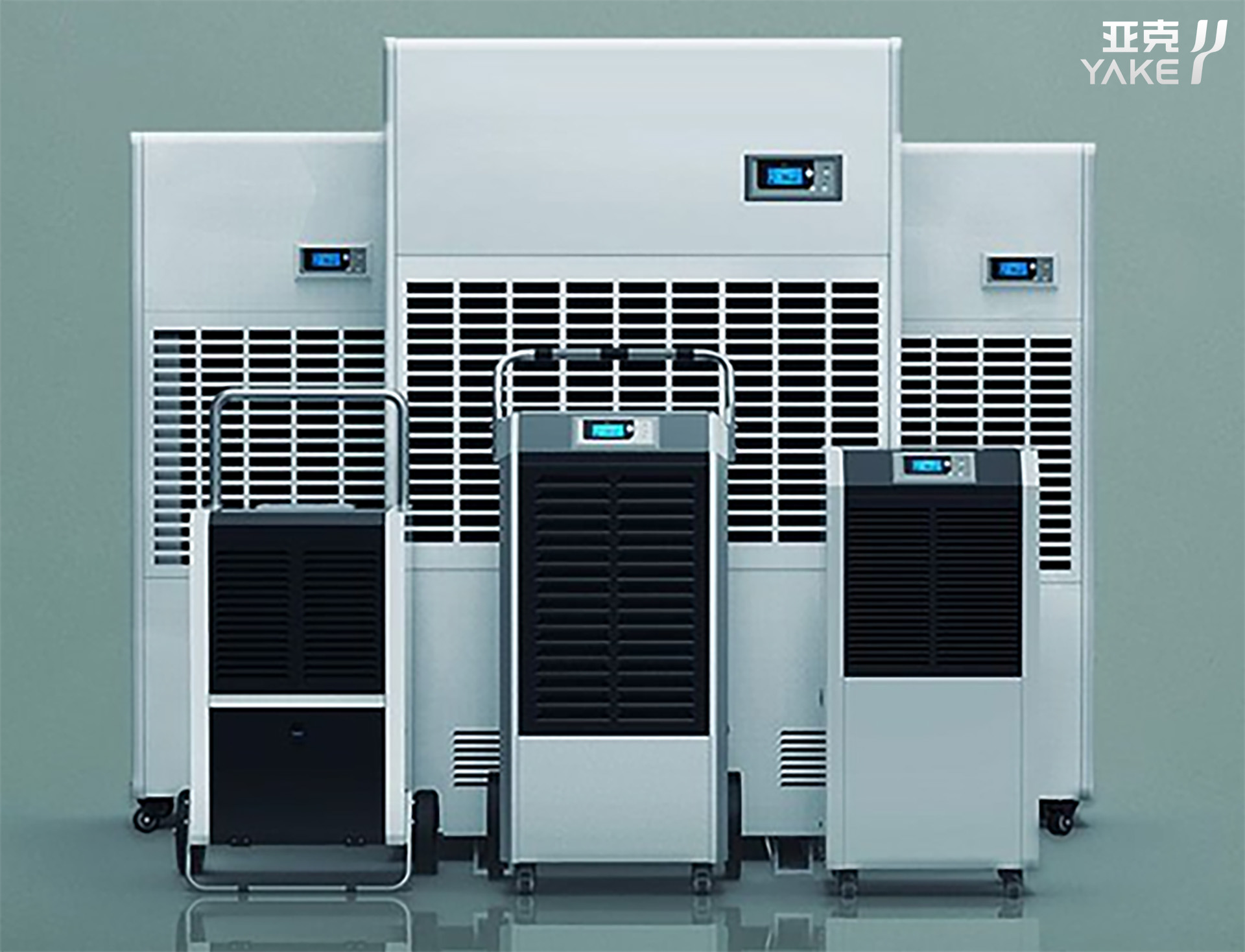
Contact us to find the best place to buy your Yakeclimate solution today!
Our experts have proven solutions to keep your humidity levels in check while keeping your energy costs low.