
Building 34, No. 535 Shunfeng Road, Hangzhou, Zhejiang, China
[email protected]


Home solar and battery systems are arrangements that combine roof-mounted solar panels with local energy storage to supply a home with self-generated electricity. Many homes use these systems to reduce grid consumption, stabilize energy bills, and keep essential loads on during outages. A usual system connects solar panels, a hybrid inverter, lithium packs, and a controller that switches consumption depending on sun, load, and tariff. In practical service, owners frequently dimension storage from 5 to 20 kWh and seek to address evening peaks and backup requirements. For anyone planning a system, design choices around load profile, roof area, and utility rules are very important, and the next sections discuss those in detail.
Home solar and batteries function optimally when appropriately sized, strategically placed, and financed with specific objectives in mind. For the industrial professionals, your attitude on process loads and backup systems holds here, just on a house-sized scale.
Begin with data. Take 12 months’ worth of bills and record the daily kWh. Record the greatest monthly peak. That provides a baseline for panel capacity and battery kWh. A nice guideline is to pair average daily usage with solar and size storage to cover at least a single night of critical loads.
List the loads you must keep on in an outage: fridge, lights, Wi-Fi, key medical gear, maybe a small split AC. Add their watt draw and run time. That list will determine your backup battery size way more than any sales brochure.
Then tie it to price. With electricity prices up some 32% over the last decade, locking in a portion of your consumption with solar insulates you from other increases. Most homes save between $37,000 and $154,000 over 25 years. This delivers robust returns when you combine smart sizing with a fixed tariff.
If you are adding an EV, heat pump or home expansion, add that future load in now. Upsizing the inverter and leaving room for another battery later is often cheaper than a full rework.
Solar yield is a function of local irradiance, cloud cover and air temperature. High sun hours and clear skies enable smaller arrays and quicker battery charge. Moist or cloudy climates still function, although you dimension more cautiously and rely heavier on storage because batteries maintain juice consistently on low-output days.
Review utility tariffs, time-of-use windows, and net-metering rules. In some locations, it’s more valuable to run a smart battery to shave peak tariffs than it is to export surplus kilowatt-hours. If your grid is shaky, you’ll want more storage rather than marginal additional panel coverage.
Regulation counts. Permits, fire codes, and incentive rules determine what you can install and your actual ROI. Map incentives and compliance early. It’s the same logic as a plant upgrade.
Roof and site limitations are simple to overlook but frequently determine ultimate production. Your ‘perfect’ roof is south-facing, with a 30 to 45-degree pitch, low shading, and good structure. If trees, nearby buildings, or vents contribute shade, string layouts and potential deployment of module-level power electronics require additional attention. Set aside a secure, ventilated, accessible location for batteries and switchgear.
A complete system will typically comprise PV modules, inverters (string, micro or hybrid), batteries, DC protection and monitoring. Many homes utilize a hybrid inverter-charger and DC-coupled batteries, much like the DC-bus systems found in industrial UPS.
Inverter decision is tied to roof complexity and objectives. String inverters fit straightforward, unshaded roofs and are less expensive. Microinverters are great for multi-roof faces or partial shade, as each module operates independently. Hybrid inverters, which combine solar, grid and battery in one unit, can support a DC-structured design that eliminates conversion steps and sidesteps the 10% loss that every additional DC-AC-DC hop introduces.
Battery choice dictates safety, lifespan and available capacity. Lithium iron phosphate (LFP) is now the common choice for homes because it has stable chemistry, high cycle life, and good round-trip efficiency. Lead-acid is less expensive but bulkier, requires additional maintenance, and generally cycles out earlier. Newer solid-state options are available in select markets but continue to be niche. Either way, most solar batteries have a lifespan of approximately 5 to 15 years. With a quality battery management system, mild temperatures, and shallow depths of discharge, some extend to over 20 years.
Think ahead. Choose inverters and racks that support additional PV strings or snap-in battery modules. That way, if you subsequently add an EV or migrate more loads to electricity, you can scale instead of replace.
| Option | Ownership | Up‑Front Cost | Typical Benefit Profile |
|---|---|---|---|
| Cash purchase | You | High | Max lifetime savings, no interest |
| Loan | You | Low‑medium | Payments offset by bill savings |
| Lease | Third party | Low | Predictable bill, less total upside |
| PPA | Third party | Low | Pay per kWh, limited control |
For readers accustomed to capex versus opex trade-offs in plants, treat solar as a long-life asset with stable fuel and model it the same way.
A site visit is not optional. Your installer should check roof condition, structure, shading patterns, conductor runs, main panel capacity, and a safe battery zone away from high humidity and heat.
Ask them specifically about their battery and hybrid systems experience, not just PV. Integration quality influences safety, islanding behavior, and smart control performance. Most homes do just fine with PV only and grid as backup, but if you add batteries you want nice clean transfer modes and strong protections.
Installation needs to satisfy local electrical and fire codes, as well as utility interconnection regulations. That means proper disconnects, labeling, grounding, and when necessary, rapid shutdown equipment. Good installers will configure monitoring portals where you can view PV output, state of charge, and grid import/export in real time.
For durability, verify warranties and who services. Panels tend to come with 20 to 25 year performance warranties, inverters 10 to 15, and batteries 5 to 15, depending on chemistry and cycle profile. Inquire about how they handle firmware updates, BMS checks, and any smart energy management system support, as those are the tools that transform the system from a stationary asset to a manageable tool.
Sizing begins with load, not hardware. A home solar and battery system still behaves like any other engineered power system in a plant. You match capacity to demand and then add margins for peak load, aging, and future growth.
Use a solar panel calculator that operates in kWh, not just kW. First pull hard data: collect your last 12 months of electric bills, add up the kWh, and divide by 12 for a monthly average. Turn that into a daily goal by dividing the monthly kWh by 30. Then determine how much of that you want solar to cover, say 70 to 100 percent. Feed those numbers, along with your roof area and location, into the calculator. It will calculate a system size in kW and annual kWh, but consider that a rough first pass, not a final design.
Actual output is less than lab data. Solar panels are rated in perfect STC, which stands for standard test conditions, and you hardly ever have that on a roof. Dirt, heat, and non-perfect tilt subtract from yield. In addition, panel output declines roughly 0.8% annually, and most performance warranties only guarantee around 80% of rated output after 25 years. When the calculator says you need 5 kW, most engineers will size closer to 6 kW to account for real-world loss and long-term degradation.
Daily rhythm matters as much as totals. Chart your presence at home, peak-power load operation (HVAC, ovens, pumps), and EV charging, if applicable. This is the same load-profile thinking used for chillers or dehumidifiers. If most of your load comes at night, you rely more on batteries. A typical residential setup has three parts: solar panels, batteries, and often a backup generator for rare long outages. To check panel capacity, divide your daily kilowatt-hour target by the average sun hours at your site. This provides the needed kilowatts of panels.
Battery sizing is a function of usable capacity, not just nameplate storage. One home might require a single battery for limited backup, while a large, all-electric house with EVs could require as many as 10 units for whole-house coverage. Focus on configurations like:
Give yourself some room for scaling. As with dehumidifiers or air handlers in a plant, size space, wiring and inverter capacity so you can add extra panels or batteries when loads expand.
Home solar and battery systems live or die on battery selection, sizing, and management. To my industrial readers, it is almost load management and power quality work, just scaled to a home.
Lithium-ion batteries dominate home systems due to their high energy density, rapid response, and declining cost. Pack prices have dropped approximately 90% since 2010, which means storage is now feasible in a wide range of markets. Within lithium-ion, two chemistries matter in homes: NMC (nickel-manganese-cobalt) and LFP (lithium iron phosphate). NMC provides higher energy density, meaning more kWh in a small wall unit, but it runs hotter and requires more precise control. LFP has somewhat lower energy density but much better thermal stability and fire risk, which matches what safety teams in factories already anticipate from robust systems. Lead-acid sits at the low end: cheap hardware, low energy density, short cycle life, and shallow usable capacity, which makes it more suited to backup-only roles. Solid-state is still mostly pre-commercial for homes; it promises higher energy density and safer solid electrolytes, but data on long-term cycling is limited and cost remains high.
Modern LFP home batteries shine on lifespan and safe usable capacity. Depth of Discharge (DoD) is critical. A 95% DoD unit can use 95% of its nameplate kWh each cycle safely. For home LFP, a good baseline is at least 80% DoD, at least 90% round-trip efficiency, and at least 10 years warranty. Top manufacturers now provide 10-year warranties as a default, which coincides with the average lifespan projection of 15 to 20 years assuming you cycle roughly once daily. In practice, that means a properly sized system can ride through one to three day outages on its own, like a well engineered UPS bank in a plant.
Battery Management Systems (BMS) do for home batteries what advanced control panels do for industrial dehumidifiers: they keep equipment inside safe operating limits while chasing efficiency. A quality BMS monitors cell voltage, pack current, temperature, and state of charge in real-time, then manages charge and discharge to prevent over-charge, over-discharge, and overheating. It enforces DoD limits, so a “5 kWh” pack with 80% usable capacity will cease discharge near 4 kWh to preserve cycle life. In grid-tied homes, BMS logic controls export to the grid, peak-shaving, and backup reserve, much like demand-response logic on plant loads.
A coupling method determines how effectively solar and batteries collaborate. Coupling means how panels link to the battery: DC-coupled or AC-coupled. In DC-coupled systems, DC from panels flows directly into the battery bus and then back out through one inverter to AC. That single DC-to-AC step makes DC-coupled storage more efficient. AC-coupled systems have separate inverters for solar and storage, so energy can go through two conversions. However, retrofits are easier, adding a parallel skid in an existing line for example.
| System | Chemistry | Usable DoD | Round-Trip Efficiency | Nominal Lifespan / Warranty |
|---|---|---|---|---|
| Tesla Powerwall 3 | NMC | ~90% | ~90% | 15–20 years / 10-year |
| BYD Battery-Box LFP | LFP | 90–95% | 90–95% | 15–20 years / 10-year |
| LG ESS Home 8 | NMC | ~90% | ~90% | 15–20 years / 10-year |
| Generic lead-acid bank | Lead-acid | 50–60% | 75–85% | 5–8 years / 3–5-year |
Your return on a home solar and battery system comes from bill savings, grid revenue in some markets, higher home value, and lower carbon impact. A transparent model rescues you from guesswork and assists you in scoping the system with the same discipline you keep for plant equipment.
Begin with annual bill savings. Take your annual grid spend as the baseline. If a home pays approximately 1,800 USD per year (150 USD per month) and the solar array is sized to offset 100 percent of usage, first-year savings equal approximately 1,800 USD. Adjust that with a few key inputs: local tariff in €/kWh or USD/kWh, expected system yield in kWh per kW installed, and panel degradation. Average degradation is approximately 0.5 percent per year, so after 20 years, a 5 kW array would still provide approximately 90 percent of its original output. Panels typically last 25 years or longer; therefore, the period for savings is extended. A modest 20-year stretch at 1,800 USD per year already suggests around 36,000 USD in averted energy costs, pre-rate inflation.
To read payback, divide net install cost by annual savings. If a turnkey solar and battery is $18,000 after incentives and you save $1,800 each year, the payback period is 18,000 divided by 1,800 equals 10 years. That’s consistent with a lot of the U.S. Averages. Past that, you’re into net positive cash flow for the remainder of the system life. For a clean ROI figure, use the standard formula: ROI percent equals net return on investment divided by original investment cost multiplied by 100. Net return equals total savings plus any grid revenue plus sale price uplift minus maintenance.
Other areas compensate for exported kWh with net metering or feed-in programs. Some permit batteries in virtual power plants. You discharge when demand is highest and get a credit. Those flows reduce return on investment even more, although they are subject to local regulations and metering. Beyond that, solar homes have sold for approximately 4.1 percent more than comparable non-solar homes, which can be a non-trivial premium in high-value markets. A lower carbon footprint is more difficult to price, but for many engineers, it is part of the return, particularly when connecting a personal home to the same sustainability goals they monitor in their plants.
The Lifestyle Integration Your system should seem simple, predictable, and easy to live with, not like a second job.
Smart energy management lies at the heart. A great system monitors solar output, battery state of charge, and home load in real time and then makes small, continual adjustments in the background. Smart controls store extra solar through the midday peaks and dispatch it when demand or grid prices peak. With storage, solar self-consumption can reach approximately 90%, versus approximately 40 to 60% for solar alone, so much less energy is dumped onto the grid at low credit rates. Lithium-ion batteries work best here because they have high round-trip efficiency, long cycle life, and their cost per kWh is still falling, all of which is relevant over a 7 to 10 year payback horizon.
Backup power requirements dictate its design. Most homes size the battery to operate ‘critical loads’ as opposed to the entire home. One unit might typically sustain refrigeration, multiple lights, network gear, and essential electronics for over 24 hours. The same unit might only sustain a whole house for 8 to 12 hours with high-draw loads left on. During long outages, solar can recharge the battery each day, so the home runs in a daily islanded cycle: battery overnight, solar plus battery during the day, and battery again after sunset.
Tariff structure dictates when you schedule charge and discharge. Time-of-use rates incentivize charging from solar or inexpensive off-peak grid power, then discharging when prices rise acutely. Smart schedulers do this instinctively. Homeowners who care less about backup and more about bill savings can run a simpler ‘consumption-only’ setup without backup wiring and reduce system cost by 20 to 30 percent. Several systems receive a 30 percent federal tax credit, which brings down net capital cost and shrinks that 7 to 10 year ROI window.
In the end, the system should line up with real goals: some aim for near independence from the grid, others for a smaller carbon footprint, and others for stable bills. The perfect combination of intelligent management, battery capacity, and backup range makes that objective a daily, lived reality.
Future-proofing a home solar and battery system is about anticipating load, price signals, and grid rules, not for today’s bill savings. It demands equipment that can grow, adapt, and remain relevant as technology, both hardware and software, evolves.
Choose modular and scalable battery storage upfront. Future-proof your investment by using battery packs that stack in clear kWh steps, so you can start with a base unit and bolt on more as needs grow, for example when adding an EV charger, heat pump, or more IT loads at home. A modular rack with its own BMS makes it easier to keep state of charge, cell balance, and cycle life under control as capacity grows. This mimics how industrial sites use incremental UPS strings or backup banks. Check rated cycle life, round‑trip efficiency, and depth‑of‑discharge limits, as these dictate long‑term usable storage and replacement timing. If roofs are older than approximately 15 years, consider roof work before panel installation so you don’t have to pull off modules when you expand.
Opt for hybrid inverters and versatile system architectures. A hybrid inverter that can run grid-tied or islanded, DC-coupled or AC-coupled batteries, and communicate with EV chargers and heat pumps will remain valuable as the standards evolve. Find open, widely known protocols, not closed ecosystems. This allows you to easily extend with new strings, change battery chemistries, or connect smart home gear and industrial-grade monitoring if you operate a home workshop.
Track results with sophisticated software from day one. Opt for systems with transparent apps or web dashboards that monitor generation, load, battery activity, and grid import live. With that data, you know when additional panels or a second battery block makes sense as tariffs change. Remote software updates keep safety logic and control modes up to date.
Future-proof your investment — plan early for regulation and tariff shifts. Some areas are transitioning to time-of-use rates, export limits, or updated net-metering regulations. Future-proofing your investment involves a scalable solar array and storage that reduces long-term upgrade expenses and prepares for new price structures by shifting stored energy into peak windows. Selecting durable panels, modular batteries, and smart controls today ensures that your system is efficient, expandable, and open to tomorrow’s technology.
Home solar and battery systems now occupy a sweet spot. Prices fell, technology improved, and policy support expanded in a lot of areas. For many houses, the numbers add up.
The true worth extends beyond the bill reduction. Roof solar can hedge grid risk. A quality battery can keep lights, Wi-Fi, and essential loads going in a storm. Smart control can shift use and reduce peak rates. A tight design can reduce the strain on aging grid infrastructure in your community.
One house is its own example. That means roof layout, load shape, grid rules, and tariffs all matter. As a next step, consult with a vetted local installer, request a transparent load study, and insist on a line-by-line system and cost breakdown.
Make sure to check your roof condition, sun exposure, local regulations and electricity rates. Check incentives, warranties and installer reputation. Ensure the system design aligns with your energy consumption and future vision, such as purchasing an EV or installing air conditioning.
Begin with your most recent 12 months of electric bills. Check your typical daily consumption in kilowatt-hours. A solar pro can size a system to cover that consumption depending on your roof space, local sun, and budget.
Worth it for battery if you experience frequent outages, high night prices or low feed-in tariffs. It’s useful for storing surplus daytime solar for nighttime use. It’s worth it based on your local tariffs, incentives and energy needs.
The majority of new systems use lithium-ion batteries, as they’re efficient, compact, and long-lasting. Within lithium-ion, different chemistries provide different safety and lifespan advantages. Inquire about cycle life, usable capacity, depth of discharge, and safety certifications.
Contrast your aggregate system fee with anticipated annual savings on bills. Incentives, tax credits, and battery perks such as backup power are important considerations. Roughly estimate payback years by dividing the total cost by annual savings. Then, factor in warranty life to see long-term value.
You could move some heavy appliances to the day, when solar production is at its peak. A battery can span evening and backup, so you experience fewer grid outages. Most smart systems run on their own, with apps to track and fine-tune your consumption.
Opt for quality hardware with long warranties and systems that are flexible in design. Save roof and electrical capacity for additional panels or batteries. Choose an inverter and monitoring system that supports upgrades, smart home integration, and potential future EV charging.


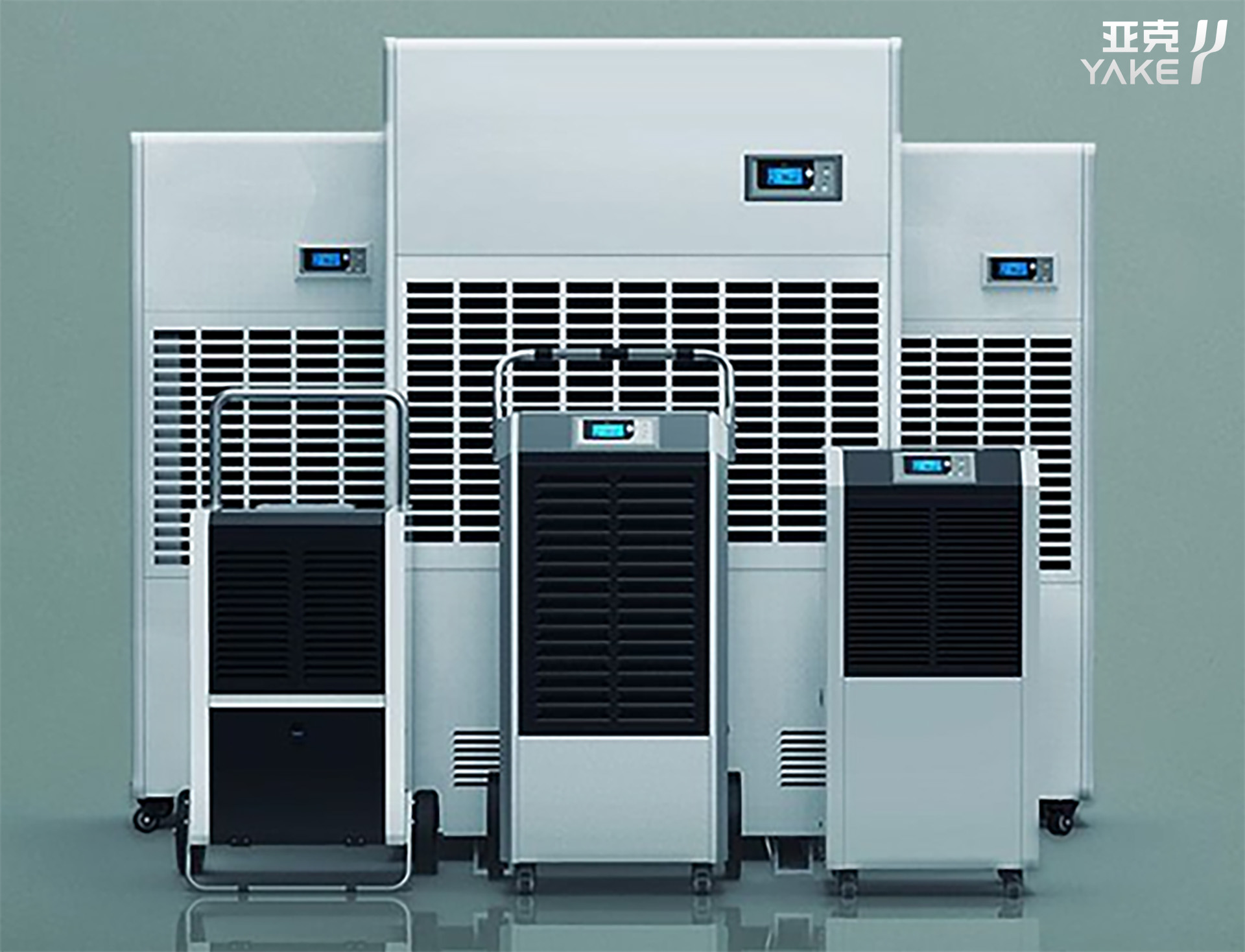
Contact us to find the best place to buy your Yakeclimate solution today!
Our experts have proven solutions to keep your humidity levels in check while keeping your energy costs low.