
Building 34, No. 535 Shunfeng Road, Hangzhou, Zhejiang, China
[email protected]


Greenhouse ventilation tubing systems push fresh air around indoor farms and greenhouses to keep plants healthy and growing. Proper tubing installations distribute air throughout large or densely planted areas. Good air circulation reduces heat, prevents condensation, and minimizes the likelihood of diseases such as mildew. Tubes can work in conjunction with fans, climate sensors, and dehumidifiers to maintain the ideal air blend for each crop. The majority of growers want tubing systems that conform to their space, work well with other equipment, and last for seasons to come. Heavy plastic or nylon tubing withstands water and rough handling. When selecting the appropriate system, growers consider their space size, ventilation needs, and type of crop. The following sections demystify types, critical advantages, and how to install.

Greenhouse airflow is crucial in determining plant health and productivity. A lot of our growers run into the same issues when airflow in the room is off. If vents aren’t open or fans are weak, stale air accumulates fast. Warm air rises to the top, and cold spots develop on the floor. That causes some plants to overheat and others to remain cool. In stagnant air, mold runs wild and fungus gnats too. Air that moves too fast desiccates leaves, and air that moves too slow does not extract heat and moisture. Crops exhibit stress, such as wilting, burned leaves, or uneven growth. This can translate into lost yield and additional labor to correct hot spots.
Bad airflow does more than make plants sad. When air doesn’t flow, heat and moisture ascend. Inside a sealed greenhouse, temperature can skydive over 38°C (100°F) on a sunny afternoon. Hot temps accelerate water loss in plants, wilting them and forcing them to burn more calories just to survive. Excess moisture in the air creates wetness on leaves and surfaces. That provides the ideal breeding ground for mildew, botrytis, or powdery mold. The disease pressure grows quickly when plants remain wet for hours. Stress from heat or high humidity reduces the plant’s carbon dioxide intake capacity. Growth drags, and blooms or fruit might not ripen to their full potential. If the air is stale, oxygen drops and roots can’t breathe as well.
Temperature and humidity control is not just about comfort for the plants. Proper airflow acts like the circulatory system in the greenhouse. It distributes CO2 and O2 and water vapor so that all plants can access what they need. The general rule of thumb is one full air exchange every minute. This is difficult with just natural airflow, particularly in large or congested greenhouses. Natural ventilation relies on the wind and open sides. When the wind drops, the airflow drops. Mechanical fans augment this by shoving and shunting air to where it’s most needed. To size the fan correctly, you need to begin by calculating the total volume in cubic meters. A fan that is too small cannot keep up on hot days, and pockets of stagnant air develop.
That is frequently to blend natural and mechanical. Open vents introduce fresh air whenever the weather assists, and fans keep air circulating constantly. This combination distributes nutrients and maintains temperature and humidity uniform throughout the area. Yakeclimate’s strategy is instead to optimize these systems, leveraging research and feedback from growers to discover the best fit for each site. This aids energy efficiency, reduces disease risk, and increases yields in a tangible, quantifiable manner.
Greenhouse ventilation tubing is a way to circulate air into and out of grow rooms. Its primary function is to assist in maintaining fresh and balanced air within a greenhouse. This regulates temperature, reduces humidity, and optimizes air quality, which is crucial for healthy plant development. Ventilation tubing is effective in either natural or mechanical systems, providing growers with an option to control air exchange regardless of the outside climate.
Here’s what a typical ventilation tubing system is composed of: flexible tubing, intake and exhaust fans, air filters, and control units. The tubing is the actual carrier of air, with fans blowing or sucking air through the room. Filters trap dust and airborne particles, protecting plants and equipment from debris. Control units sense air quality and ventilate accordingly. High-quality materials such as UV-resistant polyethylene or reinforced PVC ensure the tubing remains robust and durable. Accessories such as noise dampeners, variable-speed controllers, and inline heaters can assist in increasing system performance and versatility.
Air flows through greenhouses due to pressure differentials created by wind, temperature, or fans. As air is forced through tubing, it moves from zones of high pressure into zones of low pressure, carrying with it heat and humidity. This introduces carbon dioxide to feed photosynthesis. If intake and exhaust airflow don’t balance, hot or stale air can accumulate inside, stressing plants and reducing yields. Maintaining a consistent air replacement, like one air change per minute, is effective for cooling and stabilizing the climate.
Greenhouse ventilation tubing is available in multiple materials, such as polyethylene, PVC, and woven fabrics. Polyethylene is light and inexpensive but not as durable as PVC, which is thicker and more long-lasting. Woven fabrics are a decent option for short-term installations but can rip with time. For moist or warm environments, UV-resistant and antimicrobial tubing works best. Stronger materials have a higher initial price, but they typically pay off later through fewer repairs and replacements.
Punched holes spaced along its length allow air to blow out. The diameter and distribution of these holes adjust how much air is provided and where. Oversized or too widely spaced holes result in dead zones with little air movement, whereas too many holes dissipate the airflow and reduce cooling efficiency. In most systems, holes should be spaced evenly along the length with those closer to the fan being closer together than those farther away. Typical errors are punching holes too close to the tubing ends or using irregular hole sizing, which can cause uneven airflow.
There are two main types of greenhouse ventilation tubing systems: passive and active. Passive systems use vents and natural convection, which is appropriate for temperate climates or sparse crops. Active systems incorporate fans and computerized controls, which work better for larger or more densely planted greenhouses. End wall exhaust fans are common in active systems, and two-speed fans with thermostats further help you dial in airflow. For mini open greenhouses, passive tubing is generally sufficient. For bigger or high-value crops, active systems with intelligent controls deliver the highest outcomes.
Greenhouse ventilation tubing systems alter the airflow and heat distribution inside controlled environments. Tubing, known as radiant heating, employs tubing to circulate either warm air or water throughout the greenhouse for consistent heat and accurate temperature regulation. Most growers employ these systems as an upgrade from traditional exhaust fans or passive airflow, which rely on exterior weather and typically create inconsistent environments. The table below shows the main differences between tubing and conventional systems:
| Feature | Tubing Systems | Conventional Methods |
|---|---|---|
| Air Distribution | Uniform, targeted | Localized, uneven |
| Temperature Control | Precise, stable | Fluctuates, less control |
| Energy Efficiency | High, less heat loss | Lower, more heat loss |
| Maintenance | Low, less frequent | Higher, more frequent |
| Water/Energy Use | Efficient | Often higher |
| Cost Over Time | Lower after setup | Higher, ongoing |
| Suitability for Crops | Customizable | Limited by system |
That’s what really sets tubing apart because it can deliver consistent, uniform heat to every single row of your crop. That translates into less temperature swing, aiding sensitive crops like tomatoes, lettuce, or herbs. By delivering air or water exactly where it’s needed, tubing prevents hot and cold spots that can damage plant health. In big greenhouses, this fine-tuned control really matters. For cold winter places, tubing reduces heat loss and can reduce heating costs by 20 to 30 percent compared to those old fossil fuel heaters.
On the front end, tubing might be more expensive than simple fans or pad coolers. When you give it time, the reduced powering and easy maintenance more than make up for it. Old school stuff like exhaust fans or evaporative cooling pads consume a lot more energy and water and require constant maintenance and repair. Tubing requires less work and just keeps going, which leads to less downtime and fewer repairs. For special-needs greenhouses, such as high-value crops or climate regimented environments, tubing’s tight temperature bands are a major advantage.
From a sustainability perspective, tubing jibes with green farming. It consumes less energy, performs better in insulated buildings, and sidesteps the hefty carbon footprint of fuel-based heaters. It uses less water than some pad cooling configurations, which counts in regions with strained water resources. Tubing versus conventional methods, the right choice depends on your local climate, greenhouse design, and what crops you grow. Tubing often provides better long-term value for specialized or complicated growing needs.
Designing your system Efficient greenhouse ventilation tubing basically means matching airflow exactly to plant needs, climate, and space. The proper setup maintains temperature, humidity, and CO2 equilibrium, all while minimizing waste and energy expense. By tailoring each system for maximum protection, crops remain healthy and yields consistent, even as conditions fluctuate.
Greenhouse size impacts every ventilation decision. Bigger areas require more air and bigger tubes to shift sufficient air. For the majority of arrangements, dimension tubing so overall air exchange equals volume per minute to 2.4 meters. Fan systems operate optimally with a draw distance of under 45 meters. Design about 1.5 square meters of inlet per 1,000 cubic meters an hour the fans push. If the greenhouse is empty in summer, cut the air change rate to 0.75 per minute. Be sure to scale systems for airflow to remain uniform throughout each zone. Apply one square meter of pad per 20 square meters of floor.
Different crops require their own airflow profile. Leafy greens love a steady, gentle breeze. Fruiting plants perform best with increased currents and reduced humidity. Observe plant reactions; wilting, leaf curl or tip burn typically indicate the airflow requires adjustment.
The formula for airflow is as follows: Airflow in cubic meters per hour equals greenhouse volume in cubic meters multiplied by air changes per hour.
Climate, crop and equipment placement all influence that number. For summer, target one full air change per minute. In cooler seasons, half that pace is good for most crops. Post-setup, always test the system. Check actual flow at multiple spots with portable anemometers. Redesign tube size, outlet spacing, or fan speed if necessary. Good design maintains temperature balance and reduces risk of disease.
In greenhouse applications, ventilation tubing systems are essential for circulating air, distributing humidity and heat uniformly, and mitigating plant stress. The right installation and maintenance of these systems ensure farmers maintain healthy crops and low energy demand while ensuring compliance with strict environmental regulations.
Begin with a clean layout plan for your tubing runs, considering greenhouse type, floor size, and crop density. For glass greenhouses, tubes placed every 1.2 meters (4 feet) guarantee air movement throughout the entire space. For greenhouses wider than 7.6 meters (25 feet), install two tubes to achieve uniform cooling. When choosing fans for their output as well as efficiency, a 91-cm (36-inch) fan fitted with a 0.25 kW (1/3 horsepower) motor moves the same amount of air as a 76-cm (30-inch) fan fitted with a 0.37 kW (1/2 horsepower) motor, but it saves 180 watts per hour. Fans should always be applied to work against some pressure, such as 3 mm (1/8 inch) static water pressure, as this will assist air flow through the tubing and vents. Pad systems have to be the right size and flow—one square foot of pad for every 20 square feet of floor, with a water flow of 113 liters per minute per linear foot to keep them wet.
Simple checks make all the difference. Dust accumulates quickly. A few ounces on each fan blade can reduce the fan’s work rate by 30%. Clean fans, change or wash filters, and check tubes for obstructions. Pad media such as aspen or coated cellulose last one to three years, so check for splits or mold and rotate as necessary. Be on the lookout for leaks, loose fittings, or sagging tubes, all of which impede air flow and increase energy consumption.
Typical issues include uneven airflow, fan imbalance noise, and cooling drops. If airflow falls, inspect for dust, clogged tubes, or worn pads. Fan noise frequently indicates dust buildup or blade imbalance. Increase the pad water flow and check for clogs in summer. Decrease the airflow in winter so plants do not chill. Realign the tube layout or pad area for crop growth and density changes from season to season.
Greenhouse air is evolving rapidly. Innovative, site-specific approaches to air movement and heat and damp control are now integrated into each site’s specification. Personalized airflow configurations can now address traditional issues such as dead spots or hot zones. Such systems utilize smart fans, side wall vents, and textile ducts to distribute air uniformly into every corner. For growers, that translates into healthier crops and fewer sick plants. Textile ducts have helped him save power and reduce costs, resulting in thirty percent less than old steel pipes. They’re light, easy to install, and don’t rust, so they remain in service longer at damp locations. Good ductworks also assist in maintaining the correct moisture. This is vital for crops requiring tight control, like leafy greens and herbs. Low-grade vents or plastic pipes can leak or invite cold drafts, so choosing the right equipment is essential.
About: The future of air management With sensors and connected controls, air can shift based on what the plants require in this moment. Growers will be able to program fans or vents to open or close when heat or damp rises or falls. Ridge vents with auto openers work with smart tools so they open or close when the sun is out or it gets too hot. This circulates air and prevents mold or rot. These intelligent systems assist with power conservation, as they operate only when necessary.
Greenhouse air setups go green, too. Solar panels can operate fans or sensors, which reduces dependence on the grid. Side wall vents and cross-flow arrangements require much less energy than large fans and still introduce cool air. Gutter vents are less common now, as they leak in the rain and don’t circulate air well. Open windows are great, but in winter, they can bring too much chill or even dust inside. Better filters and smart controls can help solve this.
Going into the future, air configurations will become increasingly intelligent. Fresh ducts could morph shape or size as necessary for each crop. Linked systems could monitor each plant’s health and adjust air flow on the fly. Equipped with these tools, growers can raise more crops with less waste and less impact on the planet.
Greenhouse ventilation tubing brings consistent airflow from wall to row. Tubing is appropriate for large or small homes. Poly or PVC tubes hang tidy, with no clutter and no saggy spots. Ventilation tubing systems for greenhouses allow fresh air to rush rapidly down every row, control temperatures, and prevent mold. Basic fans blow air through, so heat gets out fast. Smart growers use tubing for leafy greens or herbs, even in cramped city farms. A properly engineered setup reduces waste and slashes energy consumption. Rinse tubes with water from time to time to keep things slick. Tubing works for numerous crops and house types. To maximize your space, explore new air tools and align them with your crop. For additional tips or equipment, contact Yakeclimate.
Greenhouse ventilation tubing is a flexible duct that supplies fresh air or distributes heated or cooled air evenly throughout a greenhouse. It keeps temperatures, humidity, and air quality pristine for robust plant growth.
Greenhouse ventilation tubing carries the air around the greenhouse. This avoids hot and cold spots, dehumidifies, and levels out CO2. More and better airflow means healthier plants and higher yields.
Tubing systems provide a more controlled, even flow of air than fans or vents. Tubing is usually more energy efficient and contributes to a more controlled environment, which is essential for sensitive or expensive crops.
Take into account your greenhouse size, crop type, desired air exchange rate and climate. The tubing diameter, length, hole placement and fan strength all impact the system. Consult a greenhouse specialist for optimal results.
Mount the tubing on the greenhouse ceiling or floor per manufacturer specifications. Inspect for blockages, tears, or loose connections on a routine basis. Rinse the tubing regularly to avoid dust or mold accumulation.
These systems are made to be energy efficient because they focus the airflow. That can help lower operational heating and cooling costs.
Innovations in smart controls, sensors, and materials are helping ventilation tubing systems become more precise and efficient. Automated systems can adjust airflow in real time, improving plant health and energy savings even more.


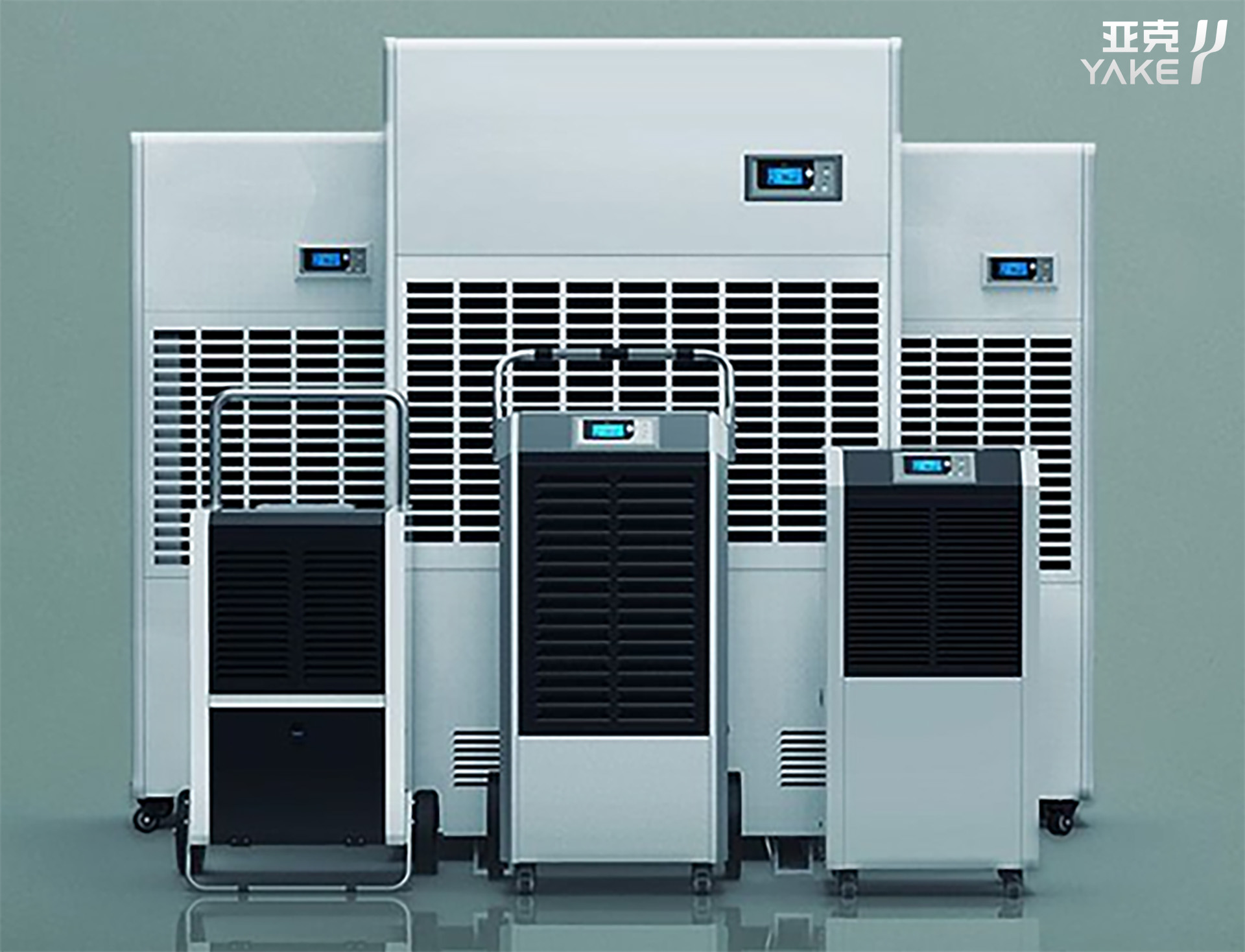
Contact us to find the best place to buy your Yakeclimate solution today!
Our experts have proven solutions to keep your humidity levels in check while keeping your energy costs low.