
Building 34, No. 535 Shunfeng Road, Hangzhou, Zhejiang, China
[email protected]


Wireless temperature and humidity monitoring measures changes in air and climate using sensors — no wires to tangle and no manual readings to take! These systems transmit real-time data to phones, computers, or cloud platforms, enabling users to detect trends and respond quickly. In indoor farms and greenhouses, growers rely on wireless monitoring to maintain a stable climate for optimized plant growth. Timely alerts make it easy to troubleshoot problems before they impact crops. The installation requires minimal effort and shifts effortlessly if the floorplan changes. For large rooms or complex floor plans, wireless sensors reduce wiring and installation time. The remainder of this blog will cover how these systems function, what they require, and how they integrate into contemporary cultivation environments.

Wireless temperature and humidity monitoring has become an invaluable tool for many industry sectors, providing immediate updates and 24/7 access to critical information. As technology becomes more accessible and reliable, more companies are abandoning manual monitoring and experiencing obvious benefits to efficiency and safety.
Wireless monitoring slashes operating costs. Providing precise, real-time readouts, these systems allow users to optimize heating and cooling, which reduces energy bills and minimizes waste. For example, in food or pharmaceutical warehouses, a slight swing in temperature or humidity can result in huge losses. Wireless systems help you spot these problems early, cutting down on spoilage. Maintenance gets easier as well. Systems can flag when equipment needs care, so teams can address issues before they cause downtime. Stored data over time helps you find trends. It helps businesses identify where energy is wasted and make lasting changes.
Users have access to live data from anywhere with an app, not just a control panel onsite. This allows a manager to monitor conditions in several locations from a single phone. As your business grows, it is easy to add more sensors with no new wires through the walls. Alerts can be set for each space, so teams only get alerted when it counts. They can integrate with other smart devices, allowing businesses to set up automated actions, such as activating fans when humidity rises.
Wireless systems gather precise measurements all day long, not just occasionally. This additional information aids in managing the environment and simplifies product safety. Teams can retrospectively review trends to predict what might lie ahead and take proactive action. With cloud storage, anyone on the team can access the data they need, wherever they are. Reports are a breeze and aid compliance and inspections.
Instant alerts caution teams about unsafe changes, assisting avoidance of danger prior to they develop. Labs and cold storage areas rely on constant conditions and wireless ensures any change is detected immediately. Others can initiate remedies autonomously, such as activating an HVAC system. Accurate logs help you comply with safety regulations and maintain essential records for audits.
Monitoring and recording temperature and humidity for compliance is simpler with wireless systems. Automated reports save time and eliminate paperwork. Long-term logs are stored and ready for inspectors. Alerts warn teams if things start to drift out of safe zones, so compliance issues get resolved quickly.
Advanced sensors monitor temperature and humidity in real-time via wireless transmission. They employ smart sensors and creative protocols to keep crops, products, or industrial machines in healthy environments. These are modern solutions that emphasize integration, reliability, and efficiency for users worldwide in a wide range of applications.
Bluetooth 5.2 is a staple in wireless sensors, providing swift and secure connections across devices. It enables low energy consumption, which can extend battery life and make sensors feasible in remote configurations. With its enhanced data speeds, Bluetooth enables rapid updates, which are key in delicate environments like indoor farms or supply chains.
While pairing sensors with smartphones or tablets is generally straightforward, it provides users with the ability to access data or alerts remotely. Bluetooth’s range now extends to more expansive areas, providing users with placement freedom in spacious or multi-level facilities. This allows growers or facility managers to check on conditions remotely without concern over losing connection or requiring additional infrastructure.
Mesh networks connect sensors, allowing them to relay messages to each other until they get to a hub. This setup stabilizes the network, even if one sensor fails or is blocked. For greenhouses or warehouses with metal racks and dense layouts, mesh networks outperform traditional layouts by eliminating dead zones.
It’s easy to add or remove sensors, so systems can expand along with your needs. It includes mesh technology, which provides self-healing paths for data to increase reliability. At some installations, mesh-enabled sensors pair with LoRaWAN or Zigbee for even further reach, with certain signals reaching kilometers under proper conditions.
Precision begins with excellent hardware. DS18B20 sensors are used for temperature and capacitive sensors for humidity. Each type is suitable for different purposes, with resistive sensors being used even in simple configurations and capacitive ones for high-precision applications. Calibration is important because drift over time or with temperature fluctuations can bias readings. Sophisticated sensors employ compensation algorithms to correct this, enhancing accuracy by as much as 15%.
Smart sensors cut through noise, so readings remain consistent even in turbulent environments. Certain versions have multiple interfaces, including Bluetooth, 1-Wire, or analog, which makes them simple to integrate into new or legacy systems.
Long battery life is critical for wireless sensors. Energy-efficient designs, sleep modes, and smart power management help some units last over 10 years on a single battery. With battery status being monitored remotely, users can schedule replacements, avoiding downtime.
Certain smart sensors have solar panels or can gather energy from light, vibration, or heat, minimizing human intervention. As 5G becomes widespread, sensors can employ speedier, more efficient networks. AI analytics can help minimize waste and maximize efficiency.
Wireless temperature and humidity monitors are indispensable for a lot of industries. These provide real-time insights, immediate warnings and automated controls, assisting sectors in sustaining quality, safety and regulatory compliance. The world market for wireless temperature and humidity sensors is increasing rapidly, with significant growth expected over the next few years. Count on these sensors today for HVAC, building automation and other applications where precision and dependability are paramount. Choosing the appropriate sensor varies per application, considering factors like accuracy, range and interfacing. Periodic calibration, generally every 6 to 12 months, maintains accuracy and delivers optimal performance.
Wireless monitoring has a huge role in hospitals, clinics, and labs. Sensors monitor room temperatures, ensuring patient spaces, medications, and samples remain within safe thresholds. It helps comply with stringent regulations and safeguard patient well-being, as even minor temperature or humidity fluctuations can impact drugs and diagnostics. In storage rooms, sensors ensure vaccines and drugs do not spoil by maintaining the proper temperature. This cuts waste and saves costs.
These systems help lab environments by monitoring air quality, temperature, and humidity. This keeps labs compliant and protects sensitive samples from harm. Patients feel the difference too; when the climate is consistent, comfort increases and healing sometimes accelerates.
Food safety is based on strict control of temperature and humidity. Wireless sensors monitor the kitchen and storage conditions, sending an alert if there is an issue. This enables employees to respond quickly and avoid spoilage, loss, or safety hazards. Good records assist with health inspections, too. Audits become easier and less anxiety-laden.
Aside from tracking humidity, restaurants and food producers can reduce waste by identifying patterns that reduce shelf life. Automation removes guesswork from food storage and prep, increases compliance, and reduces costs. The food industry, a multi-billion-dollar enterprise, depends on these systems for quality as well as efficiency.
When shipping products that require specific conditions, wireless monitoring is essential. Sensors in trucks, ships, and warehouses monitor shipments in real time, enabling companies to avoid spoilage and satisfy quality requirements. Real-time data allows companies to alter routes or storage arrangements to circumvent delays or dangerous conditions.
Smart sensors help storage centers. Managers can identify trends, optimize inventory turn, and minimize losses. The result is happier customers and fewer returns since products arrive in prime condition.
On the farm, wireless monitoring aids both plant health and resource utilization. Sensors in greenhouses track climate, enabling growers to optimize light, water, and nutrients. Soil moisture sensors assist with watering management, reduce waste, and increase yields.
Alerts warn farmers of weather shifts, so they can shield crops before destruction arrives. Over time, all this data aids in identifying trends, informing improved strategies, and making savvy decisions for seasons to come. Farm businesses get greater yields and less waste, leading to more profit and less resources consumed.
How to pick your perfect sensor When selecting the right wireless temperature and humidity sensor, it begins with a clear view of your configuration, your monitoring objectives, and how the sensor integrates into your system. Collect information on your environment, what you want to monitor, and how much precision and direct control is necessary. Trustworthy information, rapid notifications, and seamless integration keep your environments secure when even a slight shift can make a major impact.
First, consider the elements influencing your sensing requirements. Temperature swings, humidity, airflow, and even sunlight all matter. Evaluate your space. In grow tents larger than 1.2 x 1.2 meters (4 x 4 feet), two or more sensors provide more comprehensive coverage. Verify that there are no concrete walls, metal racks, or equipment that might degrade the wireless signals or inhibit the data flow. Install sensors at plant canopy level, away from direct light, fans, or vents to prevent false readings. Consider extremes—certain sensors perform well in cold storage and other sensors handle high heat and moisture.
Determine your primary objective. Are you safeguarding perishables, monitoring growth, or stabilizing lab environments? Define thresholds for temperature and humidity. If your crops suffer above 28°C or below 45% RH, instant alerts count. Pick sensors that provide fast push notifications and allow customizable alerts. Determine what information you require for reports. Historical graphs, VPD calculations, multi-device support, and export options are usually useful. List your non-negotiables then match them up with your budget. For others, lab-grade precision of ±0.2°C and ±2% RH is worth the premium. Factor in calibration every 6 months, including salt tests for humidity and ice baths for temperature.
Review various sensor options. Compare specs such as temperature accuracy generally ±0.2°C to ±0.5°C and humidity accuracy ±2% to ±5% RH. Check details like sampling rates, data logging, alert speed and battery life. Some go for years, minimizing upkeep. Look at how each sensor connects, whether it is Wi-Fi, Bluetooth, Zigbee, or LoRaWAN, and whether it integrates with your existing setup. Check out customer testimonials and see if you can find any case studies on similar environments. Simple installation, solid app support, and responsive alerts are priorities for most users. In certain scenarios, scalable platforms allow you to install sensors as you expand, maintaining cost efficiency and easy integration.
Wireless temperature and humidity monitoring is moving beyond data logging to become an integral element of intelligent, connected environments. Emerging technologies and shifting consumer demands take sustainability way past monitoring, empowering businesses and industries to optimize decision making, conserve resources, and fulfill rigorous global standards. As industries such as healthcare, food safety, and pharma encounter stricter regulations, these technologies are not merely beneficial—they’re essential.
Beyond monitoring: the future of advanced real-time monitoring systems to turn data trends into predictions of future climate changes, based on past patterns and real-time streams. Machine learning models sift data more quickly than any human, detecting subtle patterns that tend to presage problems before they occur. A pharma warehouse can detect storage coolers that are on the brink of failure, allowing teams days of advance notice to address issues before an outage begins. It saves money and protects products.
Smarter systems even assist in scheduling maintenance. Rather than waiting until sensors break, predictive insights let teams know when to inspect or replace them, minimizing downtime and waste. On giant urban farms, that translates into water, power, and labor being employed where it’s needed the most. These advantages are obvious across numerous domains, including telehealth, logistics, and food chains, each with their own requirements and methods to consume the data.
Modern monitoring is most useful when integrated with other intelligent tools. By tying sensors to IoT devices, managers can manage heating, cooling, and lighting from one dashboard. RESTful APIs, built to global standards, assist in interconnecting various brands and platforms. Among other uses, in food shipping, a sensor can notify a cloud app if temperatures fall out of range and start a team response.
Real-time data translates to more intelligent workflows. If humidity becomes too high in a storage area, an automated fan immediately activates. When you share sensor data across teams—maintenance, quality control, logistics—it helps everyone make better choices, enhancing safety and reducing expenses.
They use new sensors that can power themselves using light, heat, or movement, slashing the need for battery swaps. These smart energy-harvesting devices decrease waste and save money in the long run. For locations such as remote clinics or expansive warehouses, that translates to scaling without fearing the loss of power.
Longer sensor life translates into fewer site visits and reduced maintenance costs. For heavily regulated sectors, such as healthcare or pharma, energy-harvesting sensors satisfy sustainability and regulatory objectives.
Guard your wireless network. Wireless temperature and humidity monitoring systems need safe connections. Poor security risks lost data, crops, businesses, or research. Protecting your network doesn’t just mean putting a password on it. It requires a combination of measures that work together to prevent attacks.
Begin with robust encryption to fortify your sensor information. WPA2 is best for most setups, scrambling data so only authorized devices can interpret it. This prevents outsiders from viewing your readings or altering your settings. Never use open networks or old security types like WEP, which hackers crack quickly. Change your network’s name (SSID) and put a long, random password on it so nobody can guess or break it. Apply different passwords for your Wi-Fi and device admin pages. It’s a good idea to change these passwords every few months.
Keep your routers and sensors patched! These updates arrive from makers to repair feeble points that hackers could leverage. Most routers allow you to see if updates are available within their settings page. Patches can shut holes before anyone even gets a chance to exploit them against you. If your router allows it, disable WPS. WPS is supposed to make it simple to connect new devices, but it can simplify things for hackers.
Put some layers on with MAC address filtering. This allows only selected devices to connect and shuts out others even if they have the password. Install a guest network for visitors so they don’t get access to your primary system or sensor data. This protects your primary network in case a visitor’s device is compromised.
Monitor Your Network Traffic. These odd spikes or unknown devices could indicate that someone is attempting to enter. Your router usually has logs or some sort of alert tool to assist you in recognizing this. A VPN adds another layer by scrambling all traffic, so it is harder for others to watch or steal your data.
Wireless temperature and humidity monitoring just got easier for growers, lab techs, and anyone with air to watch. Smart sensors provide real-time data, simplified installation, and reduced wiring. These tools suit labs, grow rooms, and cold stores. Many folks choose them for transparent data and instant notifications. Brands keep introducing new functions, such as extended battery life and more precise measurements. You get to catch issues early and solve minor problems before they damage produce or products. Get the sensor that’s right for your space and your needs — don’t settle for the first thing you find. Knowing the smart choices saves you time and money! It’s WiFi Sensor! Discover, shop, and match your best fit to stay on top of your game.
Wireless temperature and humidity monitoring refers to the use of smart sensors that can monitor these factors without the need for wired connections. Information is transmitted instantly to a hub, so it is simple to keep tabs on any room from afar.
Wireless sensors are simpler to install and maintain, and can be located almost anywhere. They offer real-time data and alerts, assisting in addressing issues before they get underway.
Most current wireless sensors provide excellent accuracy, usually around ±0.5°C and ±2% humidity. Always check specs before buying for your specific needs.
Healthcare, agriculture, food storage, manufacturing, and indoor gardening all gain advantage. Wireless temperature and humidity monitoring helps keep conditions safe, quality intact, and risk at bay.
Things to consider include measurement range, accuracy, battery life, type of connectivity, and compatibility with your system. Opt for a reliable brand with solid customer support and strong reviews.
So does nearly all wireless monitoring I’ve encountered, with encryption and secure networks. Strong passwords and timely software updates can keep your data safe.
On the horizon are increased accuracy of sensors, extended battery life, simplified integration with smart home systems, and more automated alerts to simplify the monitoring process.


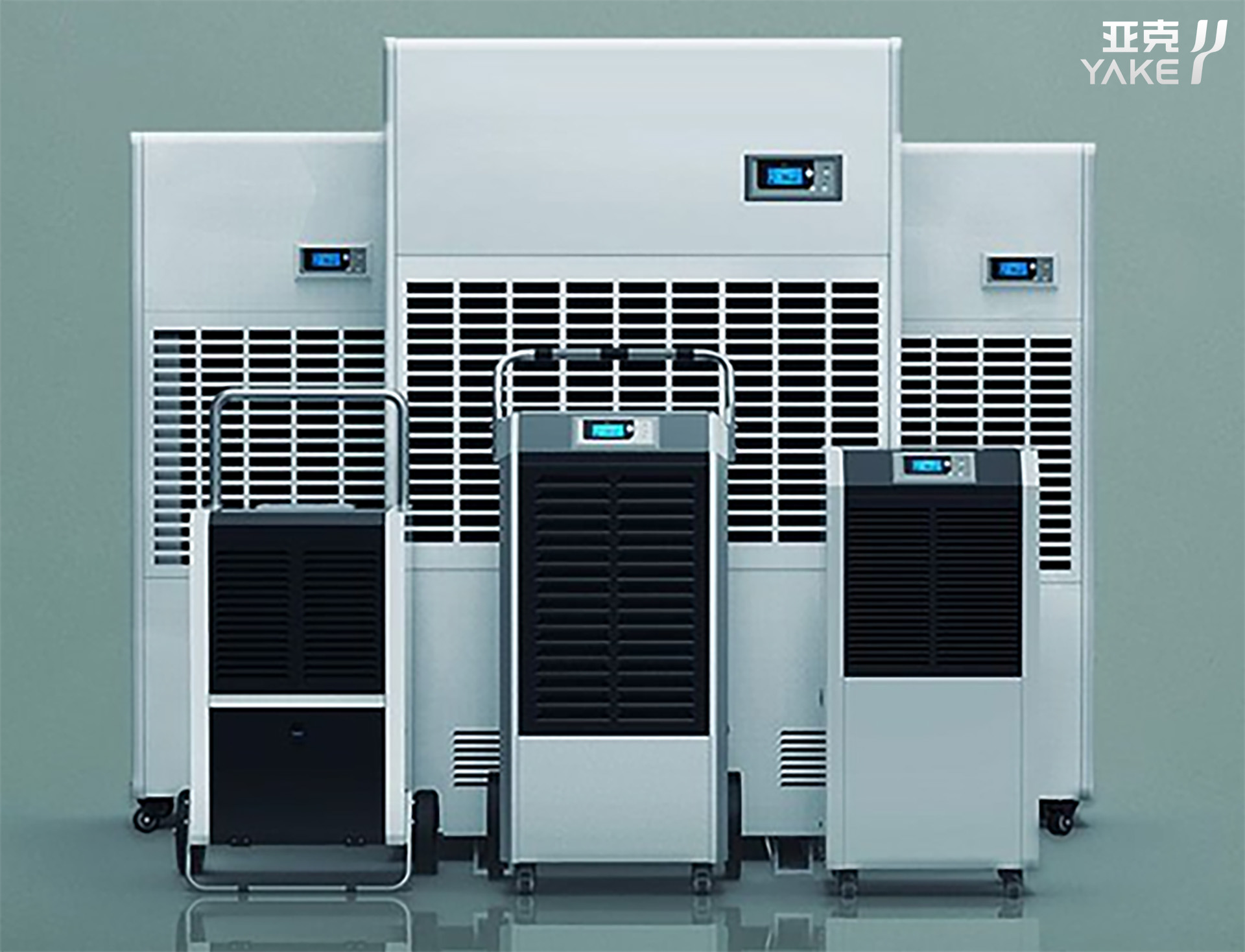
Contact us to find the best place to buy your Yakeclimate solution today!
Our experts have proven solutions to keep your humidity levels in check while keeping your energy costs low.