
Building 34, No. 535 Shunfeng Road, Hangzhou, Zhejiang, China
[email protected]


Soil moisture sensor calibration involves adjusting the sensor to display the accurate soil water content corresponding to each specific soil type. A quality calibration gets you actual data, prevents inaccurate readings, and provides a strong foundation for irrigation schedules in agriculture or industrial applications. Every soil has its own unique mixture of sand, silt, and clay. These mixes alter the behavior of water flow and retention in the soil, thus sensors must align with these characteristics. In the real work, proper calibration saves errors, saves water, and helps maintain crop or product security. As any trusted experts and engineers in areas such as farming, greenhouse work, land checks and such will tell you, these are the steps for rock-solid results. The next section will demonstrate important steps and advice for optimal calibration.

Accurate soil moisture readings, after all, are the backbone of modern irrigation. To calibrate soil moisture sensors isn’t optional in industrial agriculture or controlled environments, it’s a central necessity for any operation seeking to be efficient, sustainable and precise. When sensors are off, even slightly, the whole water management system can be inefficient, wasteful, and expensive. Calibration intersects these units with real-world field conditions, aligning sensor readings with actual soil moisture. It enhances decision making, reduces waste, and supports regulatory and sustainability targets.
Calibrated sensors enable responsible use of water. They help you align your irrigation rates with the true needs of the crops, preventing waste before it begins. By nailing soil moisture, you sidestep the issue of overwatering and underwatering, which equates to less runoff and less pressure on local water supplies.
With real data you can tailor irrigation schedules that suit crop types, soil profiles and climate. That way each liter of water has a specific mission. Over seasons, quality sensor data assists monitor how water flows in the soil, directing future resource use optimizations.
With the true moisture in the soil, you can detect stress before plants display symptoms. Calibrated sensors allow you to optimize irrigation, providing water when and where it’s needed most. That keeps roots healthy and growth on course.
By tuning your practices to what sensors display, you can drive yields closer still to their genetic potential. In precision agriculture, these increases compound over hectares. Detecting dry or saturated spots early enables you to respond quickly, so you keep losses in yield to a minimum.
Accurate information begins with consistent sensor calibration. Without this, readings can drift, resulting in flawed analysis and decisions. Cross-referencing sensor values with known standards keeps data honest.
Recording each calibration renders your process repeatable and traceable—critical for audits and longitudinal research. Performing the same steps each time eliminates arbitrary errors and establishes confidence in the data.
Water is a farm direct cost. Calibrated sensors slash water bills by ensuring you use no more than necessary. Higher yields from improved irrigation translate to increased profit per hectare.
Labor costs fall when you automate or optimize irrigation based on trustworthy sensor input. Over seasons, savings from less water and bigger harvests accumulate, strengthening the argument for investing in calibration.
Regular calibration makes sensors last longer. Well calibrated sensors perform better and require less replacements, reducing costs and downtime. Calibrating sensors to local soils keeps field-condition related failures at bay.
It’s an investment worth making because systems survive continuous use. Less failures translates to more stable operations over the long run.
Soil moisture sensor calibration is crucial for reliable data in industrial and process applications. The correct calibration technique reduces mistakes, increases productivity, and promotes responsible water use. Direct and indirect calibration both have places. Direct calibration uses soil samples and known moisture values to develop accurate curves. Indirect methods use standard equations or factory pre-sets, which is convenient, time-efficient, and often “good enough,” but not as precise for unconventional soils. The selection varies with location requirements, regulatory dictates, and desired accuracy.
| Sensor Type | Display Features | Advantages | Disadvantages |
|---|---|---|---|
| Capacitance | Digital/Analog | Fast response, low cost | Needs frequent calibration |
| TDR (Time Domain) | Digital, High resolution | High accuracy, durable | Expensive, complex setup |
| Resistance-based | Analog, Simple | Inexpensive, easy use | Sensitive to salt/temp |
| Gypsum block | Analog, Simple | Reliable in saline soil | Slow response, short life |
Capacitance sensors require repeated calibration for each soil. TDR sensors need specific calibration routines, frequently in-lab, yet provide supreme accuracy. Resistor-style sensors drift with salt and temperature, calibration has to compensate for those. Gypsum blocks provide reliable measurements in difficult soils but are slow to respond and deteriorate.
Choosing a sensor is a trade-off between application requirements and calibration work. TDR is best for research or compliance-heavy industries. Capacitance is good for fast, on the spot measuring. Resistance sensors suit cheap, low-precision gigs. Gypsum blocks function in saline or high-alkali soils.
Soil texture—sand, silt, clay—immediately alters moisture readings. Dense clay retains water for longer, requiring special calibration curves. Sandy soils drain rapidly, impacting sensor response.
Porosity and compaction skew sensor readings. Calibrating for local density and pore size prevents bias. Organic matter introduces intricacy, modifying conductivity and water holding capacity.
Ground-based calibration makes sure sensors align with field reality. Jump over this step at the peril of data drift and bad decisions. Calibrating to your soil mix, density and organic content increases accuracy.
Temperature swings skew sensor readout. Others require internal compensation mechanisms.
High humidity can induce drift in both electronic and sensor materials, requiring frequent calibration. With the seasons—the wet and dry—calibration must adjust to maintain data integrity.
Field calibration should follow these. Periodic adjustment during temperature or weather changes maintains accuracy.
Soil moisture sensor calibration is a gradual process to ensure the sensors function properly and provide accurate information. In nearly all industrial settings, nailing this calibration is crucial for product consistency, machinery wellness, and legal compliance. We have a checklist we follow to keep it consistent and reliable. All steps are recorded for auditing and future verification. Reference methods, such as gravimetric analysis, are used to verify the sensor’s accuracy throughout each step.
Availability of dependable measuring tools is crucial. Industrial-grade digital scales assist in weighing soil samples for gravimetric moisture analysis. Data logging tools trace calibration steps and maintain a transparent record for audits and troubleshooting.
Begin by checking the soil’s moisture just before it’s dry—well below the sensor’s sensability. Weigh the soil, then dry it in an oven until weight is constant. This dry reading establishes the baseline for a calibration curve, allowing you to correlate sensor output to actual, gravimetrically determined moisture values.
That dry point has to be calibrated–more than once. This not only builds trust in your baseline, it compensates for minor shifts in sample properties, which can lead calibration astray.
Soak the soil sample with distilled water to its upper moisture limit. Weigh the wet sample, then contrast it with the sensor’s reading at this high saturation. The idea isn’t to score a bullseye, but to observe the sensor’s reaction at an extended distance.
Repeat these wet point tests with some variation. Alter temperature or soil type to test whether the sensor’s readings remain consistent, or begin to drift.
Create a calibration curve by plotting each sensor’s readings against true moisture content. Identify obvious trends and observe any outliers or strange jumps.
Mapping also makes it simple to observe whether the sensor exhibits linear or non-linear behavior. Take this data and adjust calibration settings. It’s precision they’re after at every turn, not only at the ends.
Refresh these maps as new data arrives—industrial environments evolve, so calibration needs to keep up.
Calibrated soil moisture sensors now dictate how industries optimize water, safety and product performance. These sensors, which used to be restricted to farming, now back construction, mining, manufacturing, and environmental monitoring. Their accuracy helps avoid landslides, detect leaks and minimize waste. With a rugged design, they’re able to withstand harsh plant floors, intense vibration, and extreme weather. Precision is key. Minor discrepancies in readings can bring production to a standstill or spark regulatory intervention. With proper tuning, they plug into intricate systems to enhance productivity, reduce expenses, and aid green efforts.
Calibrated soil moisture sensors enhance process control by providing realtime, accurate moisture information. This information aids in controlling uniformity in such items as ceramics, paper and textiles, where minor moisture variations can introduce flaws. Engineers designed feedback loops–sensor data flows directly into control systems, which modulate temperature, humidity, or flow rates to maintain a stable environment.
Trustworthy sensors allow teams to detect leaks in pipelines or tanks quickly, allowing to repair the issue before it expands. In construction and mining, sensors monitor ground stability, aiding in avoiding collapses and equipment damage. Sensors designed for these tasks have to survive dust, vibrations and wash cycles.
Putting precise sensors on control systems increases the trustworthiness of the entire process. For every sensor calibrated and configured correctly, plant managers can believe the data and concentrate on managing productive shifts.
Calibration is central to any QA program. Protocols call for checking sensors frequently, with traceable standards and logging each result for audits. This maintains product moisture within target ranges, essential in food processing where the threat of spoilage or contamination looms.
Routine calibration checks catch drift or sensor wear early, so teams can swap them out before quality slips. The logs allow businesses to demonstrate compliance with ISO or industry norms for quality and traceability.
Calibrated sensors keep an eye on moisture in each batch, detecting deviations before they become waste. This approach matches Yakeclimate’s focus on energy savings and less water, with it being a general worldwide trend as well.
| Calibration Practice | Safety Standard Met | Example Industry Use |
|---|---|---|
| Annual sensor validation | ISO/IEC 17025 | Electronics manufacturing |
| Routine drift assessment | Occupational safety protocols | Mining and construction |
| Leak detection calibration | Environmental compliance | Petrochemical facilities |
| Operator training on calibration | Workplace safety regulations | Food processing |
Calibration ties right into safe operations. Accurate readings translate into advance alerts for pipeline leaks or slope failures, shielding workers and the environment. Teams have to learn why calibration matters, how to check sensors and when to follow new procedures. As regulations and hazards shift, calibrations must shift with it, maintaining safety as an industrial centerpiece.
Soil moisture sensor calibration is important for accurate irrigation, particularly in industrial and process settings where small mistakes may impact product quality or system effectiveness. Several common pitfalls can compromise calibration accuracy:
Sensor drift is a gradual change in sensor output that occurs as sensors age or encounter adverse conditions. This transition can slip by unnoticed without consistent monitoring. Over time, drift can cause moisture readings to shift away from the actual soil value, resulting in bad irrigation decisions or production problems. Logging these shifts aids in performance forecasting and maintenance planning. When drift is discovered, recalibration or replacement is required to maintain data reliability. With tracked calibration results, technicians can observe the degree to which each sensor remains stable as well as spot units requiring additional scrutiny.
Even small temperature swings in the soil can skew sensor readings, particularly during calibration. Sensors can respond to moisture and heat, so neglecting temperature can give you false readings. Be sure to watch ambient and soil temperatures and adjust calibration steps if they drift with heat or cold. Most contemporary sensors have temperature compensation capabilities, however these need to be properly configured in order to be effective. Calibrating, always verify temperature data. This step reduces mistakes, in particular in climates with large diurnal variations or plant environments with adjacent furnaces.
Salty soils occur at some industrial or reclaimed water sites. High salinity impacts electrical properties in soil, thereby it can trick most moisture sensors. Measure soil salinity prior to calibration. If levels are high, apply calibration curves specific to saline soils. Run sensor tests with local soil samples for a performance check. Keep track of the salinity for every calibration. This both helps account for strange readings and facilitates more appropriate sensor choice at each location.
Sensors have to actually contact soil nicely in order to provide precise information. Loose or uneven contact introduces air gaps, which skew readings. Always inspect sensor probes for wear, bends, or damage prior to use. Observe sensor placement best practices—push probes in gently, yet firmly, to the depth and angle appropriate to your configuration. Recheck all contacts at calibration and after any work in the area. This step is necessary for the sensor to remain reliable over the long term.
Long-term accuracy is not a one-time calibration event, it’s a constant process. Industrial users rely on accurate, trustworthy information to inform climate control and irrigation strategies. Soil type, salinity, and sensor design are factors in sensor longevity. To ensure ongoing reliability, several practices stand out:
Establish recalibration frequencies as a function of sensor utilization and site conditions. Sensors in variable temperature, high salinity or fluctuating bulk density environments require more frequent recalibration. Past sensor performance data assist in optimizing these intervals and increasing accuracy. Share calibration schedules with operators, engineers and managers to keep everyone on the same page and hold people accountable for data quality.
Verify sensor readings to a reference at consistent intervals. Record any discrepancies and when manual adjustments are applied to rescue the data. Employ trends from this validation to identify patterns, improve calibration techniques, and highlight sensors requiring additional focus. When bad readings occur, take immediate action—swap out or recalibrate the sensor to avoid introducing bad decisions downstream. A standard verification procedure accelerates reply and establishes faith in the information.
Regular maintenance inspections detect problems while they’re small. Wipe clean probes to remove soil or salt build up that can distort readings. Broken components must be immediately replaced to prevent data drift. So, besides being expensive, sensors require staff to be trained to treat sensors properly and adhere to best maintenance practices — as improper handling shortens sensor life and decreases accuracy. Miniature sensing elements require special handling in order to eliminate local discrepancies.
Soil moisture sensor calibration does more than adjust data points on a graph. Good calibration seals in robust data, reduces guesswork, and nurtures plants or yields. In a factory, consistent soil or material moisture keeps lines humming. In labs, smart data saves time and money. Skipping checks results in drift, lost yield, and additional expense. Easy stuff—like regular inspections, clean probes and proper techniques—keep you squared away. Food processor can detect potential spoilage risks. A tech line can avoid static. A slight variation in readings can translate to mayhem. To optimize your sensors, make calibration regular. Need assistance selecting the appropriate approach or equipment? Contact us to find out how to calibrate your setup.
Soil moisture sensor calibration fine tunes the sensor’s readings to actual soil moisture. This guarantees precise and reliable readings for efficient tracking and analysis.
Calibration makes it more accurate. It assists the sensor in adjusting for variability in soils and conditions, resulting in improved water efficiency and crop vitality.
It’s best to calibrate soil moisture sensors at installation and check calibration once a year or after drastic environmental changes, like flooding or soil replacement.
Typical approaches are the gravimetric method, reference sensors, and in-field calibration with known moisture levels. It’s a matter of equipment and application requirements.
Yep, soil moisture sensors in construction, environmental monitoring and landscaping. Calibration is necessary in all applications for dependable outcome.
Frequent errors involve relying on an incorrect soil sample, ignoring manufacturer instructions, and failing to calibrate according to soil type. These mistakes diminish precision and trustworthiness.
Periodically check sensors, clean and recalibrate as suggested. Watch for sensor drift and replace worn parts to stay accurate and reliable over the years.


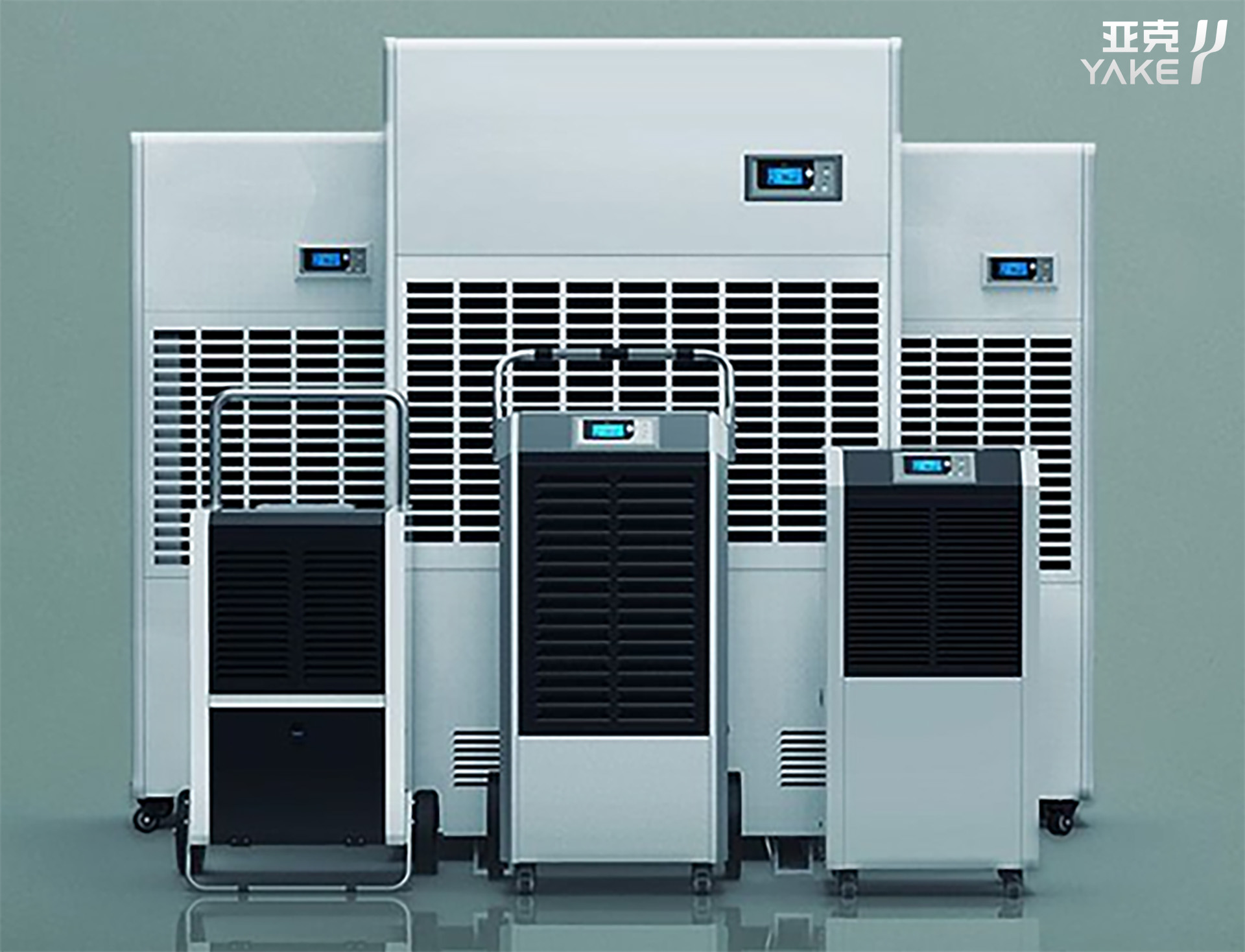
Contact us to find the best place to buy your Yakeclimate solution today!
Our experts have proven solutions to keep your humidity levels in check while keeping your energy costs low.