
Building 34, No. 535 Shunfeng Road, Hangzhou, Zhejiang, China
[email protected]
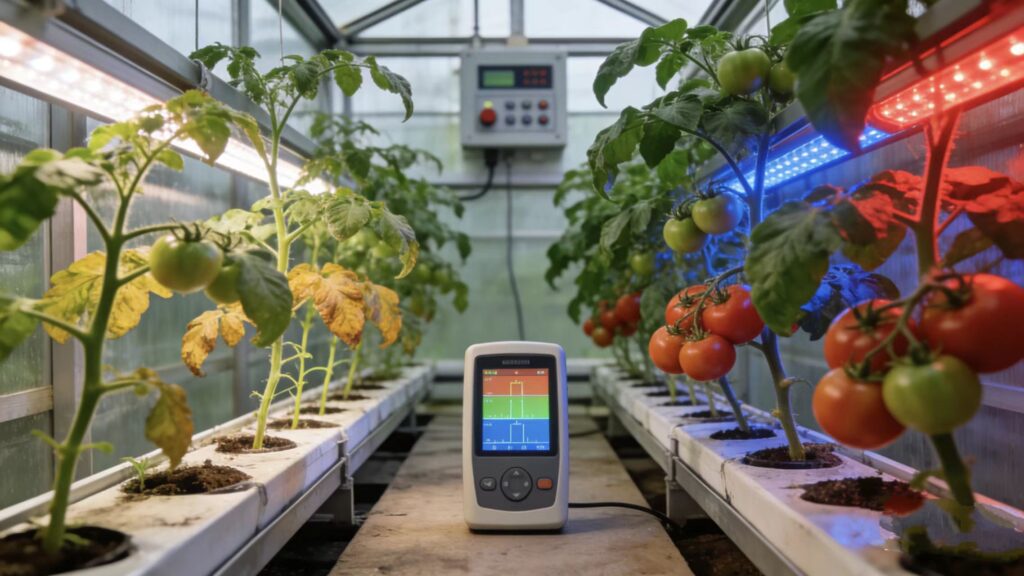

Greenhouse plant growth optimization refers to modifications in the greenhouse to promote better, quicker growth of plants. Well-managed light, heat, water, and air enable crops to achieve optimum size and quality. With the proper support such as sensors and climate systems, the health and yield of many types of plants can be enhanced. Many greenhouse growers apply these techniques to save time, reduce waste, and consume less energy. The following chapters present crucial measures and techniques.

A greenhouse performs at its peak when all fundamental elements, such as light, temperature, humidity, and air, are harmonized. If one changes, the rest shift as well, so monitoring and tweaking each is crucial for healthy plant growth and sustainable success. To control these variables means observing their interplay on a daily basis, particularly as the seasons change.
All plants require light for growth, but not all require the same amount. Certain crops, such as tomatoes, flourish with extended day-length, and growers supplement nature with LED or high-pressure sodium lamps to extend the growing season and increase production. In winter, when the sun dips low, these lights help maintain a steady rate of photosynthesis.
Too much sun can damage tender plants. Shade cloths, blinds, or movable screens allow growers to reduce intense midday sun and shelter lettuce or herbs from leaf burn. For crops that prefer less intense light, tuning the shade maintains health without inhibiting growth.
Some greenhouses even use sensors to measure sunlight exposure and adjust the lighting or shading in real time. This configuration contributes to stable lighting for each plant, reduces energy consumption, and promotes an even greenhouse environment.
Cold snaps can stall growth or damage plants with frost, so heaters, such as hot water pipes or forced air units, warm the greenhouse. With summer heat waves, vents, evaporative coolers or shade screens assist in reducing the temperature.
Growers monitor temperature sensors to detect fluctuations quickly, making adjustments as necessary. Good air flow is essential, and strategically positioned vents or roof windows assist in expelling warm air and drawing in cooler air. This vigilant attention keeps plants in their ‘comfort zone’ regardless of how the weather is behaving on the outside.
Plants transpire approximately 95% of their water through leaves, so humidity is important. Misting systems lift humidity when it is dry, assisting seeds to germinate and cuttings to take root. Humidity meters direct these systems, ensuring that levels remain optimal for each crop.
Excess moisture can cause mold. Fresh air from vents or fans drops humidity and prevents disease from dispersing. Some growers reserve niche areas for ‘exotics,’ such as orchids or ferns that require high humidity and establish microclimates inside the greenhouse.
Supplementing CO2 in peak light hours optimizes growth, as it accelerates the efficiency with which plants use light and water. Basic drop systems or tanks are prevalent. However, it is necessary to monitor levels to prevent wastage.
CO2 requirements vary among plants. Thus, a few cultivators customize enrichment for legumes such as capsicum or cucumbers. This customized strategy keeps photosynthesis humming at full throttle.
Air circulation is essential for a healthy greenhouse. Fans prevent heat buildup and maintain temperature uniformity. Proper airflow draws down humidity, minimizing leaf disease problems.
Checking air quality stands for less dust and less pests. Designing airflow, be it from doors, vents, or fans, eliminates stagnation zones where mold or rot can take hold. Tracking winds throughout the year is helpful for planning too, so airflow remains consistent no matter the season.
Light quality influences plant growth and vigor in greenhouses. Plants sense subtle changes in light spectrum, intensity, and duration and adjust their morphology, productivity, and even stress tolerance. Getting light right isn’t just about flipping lamps on; it’s about matching the light to what each crop needs at each stage of its life.
Light quality is important because the spectrum, in particular in the 400 to 700 nm range known as photosynthetically active radiation (PAR), drives photosynthesis and energy use by plants. Blue light, which ranges from 400 to 500 nm, encourages stocky growth and increases chlorophyll, while red light, which ranges from 600 to 700 nm, can encourage flowering and fruit production. Numerous greenhouse crops, such as tomatoes and lettuce, exhibit increased yields and enhanced quality under specifically engineered light spectra.
Each crop responds differently. Chrysanthemums, for instance, have a higher CO₂ uptake and dry matter under scattered light, while tomatoes get higher yields and superior fruit quality under high UV-A and anti-NIR specialized PE films. Red can drive growth to around 4,200 mg per kilogram, but blue may drive it still further, up to 7,100 mg per kilogram for some crops. Plastic films that diffuse light can extend cucumber leaves and grow shoots, particularly in dry regions, and can increase yields by as much as 30%.
Plants use a range of photoreceptors: phytochromes sense red/far-red, cryptochromes and phototropins handle blue/UV-A, and other complexes pick up different cues. By blending sunlight with LEDs or other artificial sources, growers can fine tune the spectrum for each crop’s optimal outcome.
Light quality, what intensity, reaching plant leaves has to correspond to plant need for each species and stage. Some crops flourish with brighter light while others become stressed if the light is too intense. Measuring intensity in µmol/m²/s helps growers hit the sweet spot.
Short days or overcast skies require supplemental lighting. Control systems dimming or brightening lamps conserve energy and keep plants healthy. For instance, photoselective films do more than control the light spectrum; they can cool the crop, increasing red lettuce’s leaf area and chlorophyll content. Observing plant growth and adjusting light levels allows growers to respond swiftly, maintaining crops on course.
Getting just the right photoperiod, or length of light, each day is what’s in sync with the natural growth patterns of plants. A majority of crops require around 12 to 16 hours of light per day, but some, like lettuce, actually thrive on shorter days to prevent bolting. Timers maintain consistency of light hours and mitigate variations in day length.
Shifting when lights turn off can alter the timing of flowering or fruiting in plants. Proper scheduling optimizes daily light and keeps plants in their comfort zone. More light can drive more yields, but an excess can stress plants or waste power. Synchronizing light cycles with each crop’s internal clock guarantees consistent, reliable yields.
Greenhouse plant growth optimization requires a design that combines smart technology, deliberate material choices and a layout that supports both crops and workers. A smarter greenhouse design is not just about increased yield but about resource efficiency, using less water or energy, which is key to sustainability anywhere.
Glazing is the outer layer that allows sunlight in and keeps heat loss to a minimum. Selecting the proper glazing is important. Glass provides excellent light transmission and clarity and is often the preferred material for sun-loving crops. It is bulky and may be pricier, but it endures for tens of years if treated properly. Polycarbonate is lighter and better insulates, keeping inside temperatures more constant, particularly in regions that have challenging weather. It is more difficult to break and can last for years; however, it may scratch or yellow from sun damage over time.
Maintenance is huge. Glass typically requires less maintenance, while polycarbonate panels might require more regular inspection to prevent algae or dust from obstructing the light. Glazing design needs to reduce glare, as excess light stresses plants. Others employ double or triple glazing or special coatings that allow beneficial light to pass through and block damaging UV rays.
Greenhouse has to stand up to wind, rain and sometimes snow. It is clever to use galvanized steel or aluminum for the frame so that it can endure longer and withstand heavy load. Dome-shaped structures, for instance, disperse stress and increase air circulation. This shape can help keep energy costs low and ensure light reaches every nook.
Regular inspections for rust, loose joints or cracks are essential to protecting crops. Smart design allows you to integrate nifty tech, like acoustic sensors to detect pests or climate controls, without overburdening the frame. Stability translates into fewer shocks from unexpected weather shifts, assisting in maintaining plant growth momentum.
A clever design optimizes every square meter. Wide paths enable workers to navigate quickly and safely, while raised beds or shelving utilize vertical space for additional crops. Crop rotation and companion planting can assist in keeping plants healthy by dispersing pests and utilizing nutrients optimally.
Dividing the greenhouse into zones allows you to provide each type of crop with its specific requirements, such as more heat or shade. This “smart zoning” can transform one giant volume into numerous smaller, customized microclimates. Spaces for tools, seedlings, and harvest storage keep things tidy. Some designs go even further by leveraging earth’s heat or collecting heat during the day for use at night, minimizing the need for additional heating or cooling.
Constructing a greenhouse is about more than simply erecting walls and glass. It’s about establishing a solid foundation, knowing where you screwed up and doing what works with your own growing ambitions. Mistakes will be made, but they will teach you how to design a better home for your flora. The steps below detail what to consider from the beginning.
Pick a spot that gets lots of sunlight, as most crops need at least six hours of direct light each day. Avoid areas shaded by tall buildings or trees, as shade can slow growth. Watch how the sun moves across your plot during different seasons.
Low lying sites could pool cold air and create frost pockets, injuring plants. Another risk in dips or valleys is flooding. Pick higher ground! Access is important as well. Be certain it is convenient to bring your tools, hoses, and wheelbarrow in and out all year long.
If your greenhouse is a distance from water, you have an irrigation hassle. Locate it near a water supply. You will want this for daily or nearly daily watering in warmer months, particularly as some crops can demand increased water come summer and early fall. Leave paths wide enough to walk around for maintenance and harvesting. It is easier to maintain if you can reach everything without a hassle.
There are tons of greenhouse options, including classic freestanding designs, lean-tos, vertical farms, and self-driving systems. Pair the style to your space, your budget, and your crop. Take vertical greenhouses that fit in tight spaces and cater to leafy greens, or larger ones that accommodate bigger plants or even fruit trees.
Climate is important. In colder climates, insulated walls and sturdy frames prevent frost from creeping in. In hot or humid climates, seek ventilated and shaded options. Automated greenhouses with climate controls cost more but can maintain temperature and humidity levels consistently.
Check out the info on all three and compare the advantages. Consult local growers or online forums for what works in your area. Keep it simple to start, especially if you’re new to greenhouse gardening. Starting off with easy-to-grow herbs or salad greens develops confidence.
A good greenhouse needs basic tools: heating for cold spells, cooling for hot days, and reliable irrigation. Easy fans or vents maintain fresh air and halt mildew. Open vents early before it gets hot, so you don’t overheat.
Thermometers and humidity meters indicate what’s going on inside. These tools allow you to identify changes and respond quickly. Others equip their greenhouses with timers or automatic waterers, which save you time and are a life-saver if you’re busy or away.
Not all equipment goes with every greenhouse. Assure what you buy fits your structure and the crops. For instance, tomatoes might require drip irrigation, whereas lettuce thrives under overhead misting. Tweak your setup and routines as you learn. Almost every novice grower makes minor adjustments every season to improve their yield.
Automated greenhouses utilize smart control systems to assist cultivators in controlling crops with increased precision and reduced manual labor. These systems optimize productivity, minimize manual work, and enable consistent, premium harvests. They employ sensors, data analytics, and remote management to monitor every part of the growing environment. This kind of control allows growers to react quickly to any fluctuations, ensuring plants stay healthy and yields remain consistent.
Sensors in automated greenhouses monitor variables such as temperature, humidity, and light delivered to the plants. This live data allows growers to closely monitor the environment, simplifying the process of creating optimal conditions for each plant. With sensors, you can stop heaters or fans once a temperature is reached so it doesn’t waste energy or stress plants.
Data from these sensors feeds directly into automation controls. Modifications can be applied remotely. Growers need not be on-locale. Others leverage IoT for even greater control, monitoring or adjusting conditions from anywhere with an internet connection. Powerline adapters and wireless sensors extend internet coverage throughout large greenhouses.
Not just quick fixes. Sensor data is tracked and compared over time, so growers can identify trends or detect issues early. For example, if humidity peaks at specific times, systems could automatically adjust misting cycles or ventilation on the fly. This prevents catastrophes like heat damage or overwatering and can even assist in reducing pest risk by maintaining a stable environment.
Data analytics are a huge part of greenhouse management today. Growers refer to new and old data to follow what worked and what didn’t. If a specific range of temperatures resulted in improved yields the previous year, systems can repeat those settings. Analytics can highlight incremental adjustments that accumulate, such as adjusting irrigation to conserve water and maintain bonny plants.
Even newer to some growers is predictive modeling. These models predict how the environment will change based on historical data and weather forecasts. If a heat wave is headed our way, the system can proactively adjust cooling or shade controls. Feedback loops ensure the system continues learning, making weekly adjustments to optimize conditions and improve over time.
Automated irrigation, for instance, can provide precisely the weekly amount needed according to crop and season. Some growers claim the automation will pay for itself in a couple of years due to reduced labor and crop losses.
So greenhouses need to be prepared for new tech as it comes out. Spaces should be constructed to accommodate new sensors, new tools, or new systems. Powered by renewables such as solar panels, it reduces bills and carbon footprint.
Keeping up with trends is essential, as things go fast in agriculture tech. Growers who keep learning can identify more efficient approaches to conserving water, energy, or space. Many now make their greenhouses adaptive, able to plug in or replace tech without major overhauls. This keeps them ahead and operating more sustainable and economical operations.
Sustainable greenhouse practices combine clever resource management techniques, like water, energy, and others, all with the goal of reducing environmental impact. These techniques assist greenhouses in supplying food and medicine to a climate-changing world. With advanced solutions such as aquaponics and automated controls, cultivators can increase productivity while reducing overhead and waste.
Rainwater harvesting systems capture and store rain for reuse, reducing the demand for municipal water. This assists during dry periods and controls expenses.
Water is a precious resource and a drip irrigation system delivers it direct to plant roots, reducing waste and preventing it from resting on leaves where it evaporates. It pairs nicely with automated irrigation, which keeps water consumption consistent and ensures crops receive what they need when they need it.
Soil moisture sensors assist in monitoring the remaining water in the soil. This prevents growers from overwatering and allows them to respond quickly should the soil dry out.
Mulching with organic matter such as straw or wood chips retains soil moisture and cools roots. This easy move can reduce watering requirements significantly.
Solar panels provide an eco-friendly option to energize greenhouse lights, fans, and pumps. This reduces demand for grid power and the carbon footprint, particularly in sun-abundant areas.
Heating and cooling are among the most energy-intensive systems in greenhouses. Upgrading to a high-efficiency heat pump or smart fans can save a lot on bills. Proper insulation, such as plugging drafts, installing thermal screens, or double glazing, retains heat in winter.
Thermal mass, such as stone or water tanks, absorbs heat during the day and radiates it at night. This smooths out swings in temperature that can damage plant growth.
Energy audits conducted once or twice annually reveal where power is lost and which remedies provide the fastest returns.
Biological controls, such as ladybugs combating aphids, help maintain pest balance without the use of chemicals. These methods align with tougher policies like the EU’s Farm to Fork Strategy that forces a reduction in pesticides.
Periodic bug inspections allow cultivators to intervene early, preventing infestations from taking hold. Companion planting intersperses crops that benefit one another. Marigolds, for instance, can repel nematodes.
Learning to identify pests and select appropriate controls with assistance from online guides or extension services is a game changer over time.
Keeping your finger on the pulse of novel, greener approaches is essential if you want to thrive in the long term. Workshops, online courses, and talking with other growers all help. Employing sensors to monitor things like nutrients or light provides data to make more informed decisions, particularly when supplementing with artificial lights during gloomy months.
If you want really powerful plants in your greenhouse, keep it simple and consistent. Light, clean air, and steady water all have their share. Harness tools that complement your setup, from smart sensors to fans and dehumidifiers. Test what works best for your space and your crops. Even minor adjustments, like repositioning lights or providing shade, can produce huge harvest differences. Choose options that minimize waste and conserve energy. The proper configuration yields more food and controls expenses. If you want assistance locating intelligent tools for your greenhouse or simply seek advice on getting started, contact. Dependable tips and fresh technology ensure you squeeze every meter.
Control temperature, humidity, and ventilation. Employ sensors to track the conditions. Set artificial lighting and irrigation to correspond to plant needs. This fosters a stable, healthy environment for optimal growth.
Light quality influences photosynthesis and plant health. With the right spectrum and intensity, plants grow faster and stronger. Supplemental lighting can guarantee growth year round.
It’s a smart greenhouse, with automation, sensors, and climate control. These assist in keeping perfect conditions, minimizing labor, and maximizing plant yields in an efficient manner.
Pick a nice, sunny place. Pick the right structure and materials. Design ventilation and shading. Begin with simple plants and keep an eye on conditions.
Automation saves time, cuts errors and keeps plant care consistent. With automated systems to control temperature, lighting and watering, you can achieve healthier plants and higher yields.
Go energy-efficient, collect rainwater, and use organics. Reduce waste and recycle. Sustainability reduces expenses and helps the planet.
Steer clear of stinky air, wet feet, and cramped quarters. Watch for pests and diseases. When in doubt, check climate controls and fine-tune to avoid plant stress.


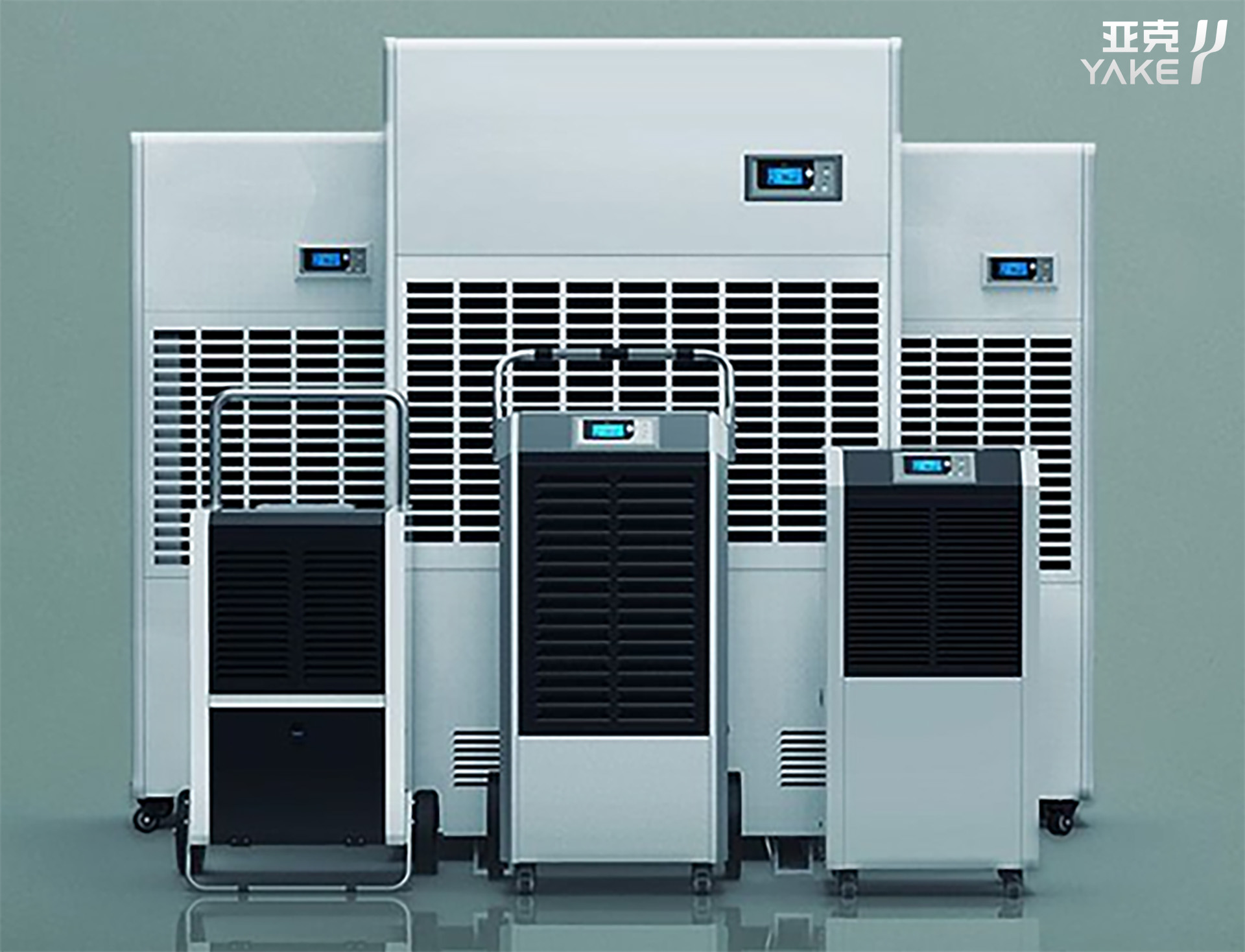
Contact us to find the best place to buy your Yakeclimate solution today!
Our experts have proven solutions to keep your humidity levels in check while keeping your energy costs low.