
Building 34, No. 535 Shunfeng Road, Hangzhou, Zhejiang, China
[email protected]


About in-ground greenhouse construction. This design aids in maintaining more stable indoor temperatures year-round, utilizing the earth as natural insulation. A lot of growers choose this path to reduce heating and cooling expenses and shelter crops from extreme weather. In-ground designs tend to work well with either small or large spaces and complement most climates. For more on essential steps, planning, and typical setup options, see the main sections below.

In-ground greenhouse construction refers to the method of constructing a greenhouse below ground, using the earth. The key is accessing the earth’s relatively constant thermal mass, allowing you to more easily grow food through every season with minimal energy input. Walipini greenhouses, so-called from the Aymara word for “place of warmth,” exemplify this strategy. These rustic mini-greenhouses stem from Andean agriculture and utilize basic, proven techniques to protect plants from cold or heat fluctuations. They function worldwide, yet prudent location selection and design are crucial, particularly in areas with elevated water tables or unstable soils.
The ground serves as a buffer. Its thermal mass absorbs heat during the day and returns it at night. This consistent impact prevents greenhouse temperatures from soaring or dropping, which is perfect for lettuce, herbs, and other crops with narrow temperature requirements. Wallipinis typically employ thick, insulated walls to provide additional protection, increasing earth’s low R-value of only 0.125 to 0.25 per inch. Builders could add straw bales, foam, or additional dirt to enhance this.
Natural insulation by berming up outside walls or sinking the structure deeper reduces heating bills, especially in the winter. A greenhouse, for instance, if dug into a hillside will be less vulnerable to cold winds and can absorb the sun’s heat. Soil type matters, too: sandy soils drain well but lose heat fast, while clay and loam hold heat better but may need more drainage or moisture control.
Sun does a lot of work in these greenhouses. Maximize light. Orient the long side of your structure towards the south in the Northern Hemisphere or north in the Southern Hemisphere. The angle of the glazing, typically double-pane or polycarbonate, counts since it lets light reach plants while capturing heat.
Others opt for transparent plastic or glass roofing to increase light penetration. Insulation should always be considered to prevent heat loss during cold nights. You’ll often encounter adobe or stone walls at the rear of the greenhouse to capture and radiate radiant heat.
Even a top-notch solar design may require back-up heating in cold snaps. A few growers employ miniature electric heat lamps or compost piles as additional sources of heat.
In-ground greenhouses hold up well to harsh weather. The soil helps insulate them against hard freezes, stabbing winds, or heat waves. These homes can easily withstand the cold and even light flooding when constructed with adequate drainage.
Design should be in tune with local climate. For arid regions, concentrate on tight seals and insulation. In monsoon areas, incline the roof and install drain ditches. For snowy regions, ensure that your frame can support the snow and use reinforced glazing.
| Feature | Cold Climates | Hot Climates | Wet Climates | Windy Areas |
|---|---|---|---|---|
| Earth Insulation | High | Medium | Medium | High |
| Glazing Orientation | High | High | Medium | Medium |
| Drainage System | Medium | Medium | High | Low |
| Windbreak Barriers | Medium | Low | Low | High |
Frost covers, windbreaks, and deep foundations protect plants when the weather turns harsh. You can cultivate food year-round in conditions where surface greenhouses wouldn’t survive.
It’s no secret in-ground greenhouse builds require smart planning before you even think about picking up a shovel. Each step here influences the site’s long-term use and value. Selecting the ideal location, understanding your soil, adhering to local regulations, and nailing the design—all this planning lays the foundation for your greenhouse to deliver bountiful harvests and low maintenance for years to come.
Review the sun path throughout your site. Choose a location that gets plenty of sun, particularly in the winter months when your plants will need all the warmth they can get. Avoid shaded areas. Trees, sheds, or big walls can block out key light.
Wind will blow on your structure and chill it out quick. Beware of hard wind on one side. Windbreaks such as fences or hedges can assist, but don’t shade the sun. Sites near water or on open hills might require additional strengthening.
Convenience counts more than you’d imagine. You’ll be shifting tools, soil, and crops frequently. Ensure vehicles or carts can access the greenhouse without inconvenience. Tight corners or steep paths impede daily work.
| Factor | Impact on Placement | Notes |
|---|---|---|
| Sunlight | Maximizes plant growth | Avoid shade, face south |
| Wind | Affects stability | Use windbreaks if needed |
| Accessibility | Eases operations | Level ground, clear paths |
| Surroundings | Can block sun or wind | Watch for trees, buildings |
Try first the soil. Rich ground is everything to a good root and vigorous plant. Sandy soil drains quickly but may require additional watering. Clay retains water but may become saturated and suffocate roots.
See where the water travels after it rains. Low moisture can desiccate roots. Raised beds or sub-floor gravel can aid if the ground remains wet.
Nutrient levels count. Soil tests reveal whether you’ll need to add compost, lime, or other amendments. Bad soils could require either a complete replacement or deep amendment prior to planting.
A few growers bypass native soil altogether and grow in custom blends in beds or containers. This is good if your subsoil is rocky, salty, or just generally terrible for planting.
Check your town’s zoning regulations before you build. Most require a side or rear yard setback, generally 3 to 5 meters (10 to 15 feet), from lot lines. Certain regions restrict greenhouse height or size.
You’ll require building permits. Begin this process early. Reviews can be weeks or months in length. Omitting a permit can mean fines or a teardown.
Consult local offices on regulations for heating, electrical, and plumbing. Code compliance reduces liability and ensures your site remains safe.
Retain copies of all approvals and plans. If you sell your property, clean records indicate that your greenhouse is legitimate and well constructed.
Plan, plan, plan. Display the size, length, and shape. Don’t forget to include aisles for moving around and room for future crops. Determine whether you prefer an attached or stand-alone greenhouse. This will influence how you construct and heat your greenhouse.
Install vents, windows and fans to circulate fresh air. Plenty of air circulation prevents mold and keeps the temperature consistent. Drainage paths should be indicated in your plans, so water never settles inside.
Choose durable materials. Polycarbonate panels are effective in various climates, whereas glass provides greater light but requires durable framing. For insulation, thermal screens or double layers help with heat retention during the colder months.
Plan for that before you dig! Anticipate additional benches, new crops, or supplementary heaters. Little adjustments on paper at this stage can prevent massive repairs down the road.
Constructing an in-ground greenhouse requires serious planning and a sound strategy. Utilizing appropriate techniques makes the structure durable, the internal climate consistent, and the crops thrive throughout the year. Following each step below describes actions that have been demonstrated to work for growers everywhere.
Excavate the location to your designed depth, usually 1 to 2 meters, depending on climate and crop requirements. Bird’s Eye View – Slope the pit’s side walls slightly outwards, which helps keep soil from caving in and allows water to drain away. Be sure to clear out roots, boulders, and other junk before proceeding. Stray detritus can mar your sub-floor or clog the drainage.
Small excavator or backhoe – if your greenhouse is large, you’ll want some even digging. For small jobs, hand tools might do, but they require more time and more labor. Clean your workspace to make the next steps easier.
A robust drainage system prevents water from pooling under or surrounding the greenhouse. Add a layer of gravel at the base of the pit to encourage water to move downward and away. Install French drains, which are pipes or trenches filled with stones that direct water away to a lower section of your property.
Underground pipes, if you receive a lot of rain or snowmelt, send water farther away from the site. Leaves or mud can clog the drains, so always inspect them after storms to be sure there isn’t pooling water causing rot.
Your greenhouse’s foundation should be rock solid. Concrete blocks or poured cement are the most typical options, providing level support and excellent strength. Use a spirit level to verify that the entire foundation is flat prior to constructing the walls.
To optimize energy efficiency, tuck insulation boards or foam sheets along the interior perimeter of the foundation. By adding earth tubes, which are pipes buried in the ground, you can increase air flow and stabilize temperatures. These reduce energy and make plants happier.
Select wall materials that are durable and heat-retentive. Poured concrete, brick, or stone walls not only hold up well, they add thermal mass, which stores heat during the day and releases it at night. In cold spots, this may reduce heating requirements.
How about recycling bricks or earth blocks if you want a green build. Whichever you select, ensure walls can withstand wind, rain, and sun for your location.
Select transparent, durable glazing to maximize sun exposure. Triple-wall polycarbonate sheets are our favorite top choice. They provide both insulation and durability for years to come and UV protection. Glass is another option, but it is heavier and can break more easily.
Seal all joints tight to keep out drafts and seal in heat. Inspect your glazing every few months for cracks or clouding. Replace damaged panels quickly to maintain light levels.
Fresh air maintains greenhouse environment stability. Put vents on either side of the roof and walls to suck in cool air and exhaust hot air. Automatic openers can detect temperature or humidity and open or close the vents without you having to monitor them.
Fans are a big help on warm days, circulating air around your plants and preventing heat from accumulating. Vent spaces so fresh air circulates from low to high, providing you with uniform cooling and reducing the danger of mold.
Interior system design in in-ground greenhouses is really about optimizing the space for both plants and humans, emphasizing comfort, efficiency, and resource utilization. Designing such systems in advance helps optimize yields and minimize costs and risks. Good design encompasses heating, cooling, water usage, and spatial layout, all influenced by climate, greenhouse size, and the requirements of the worker. Greenhouse structures in colder regions are most effective if they are between 12 and 24 meters wide and kept short rather than long, as this makes temperature control and airflow easier. Roof vents on both windward and leeward sides allow you to control ventilation, and research shows windward vents increase airflow by as much as 50 percent, reducing disease risk and stabilizing temperatures. Today’s greenhouses employ CFD to help model airflow, optimize vent selections, and predict heat and air displacement. UV and additional IR radiation can damage plants, so interior finishes and systems should block or reflect those wavelengths. All these selections make a greenhouse function more efficiently for both crops and workers inside.
Thermal flooring was a large component in maintaining the warmth and stability of in-ground greenhouses during extended periods of cold temperatures. Concrete and stone floors are a great choice as they absorb heat during the day and dissipate it at night, helping plants to avoid thermal shock. Some growers supplement these floors with warming cables during winter nights or cold snaps, which is handy in more severe climates.
You need to consider water drainage when you design floors. A gentle grade carries water away from plants and reduces puddling, which cuts mold and root problems. Good draining makes the space safer and more pleasant for workers. Thermal flooring benefits more than plants; it simply makes your work space more comfortable.
Every smart water system begins with rain collection. This significantly reduces water bills and utilizes a resource that would waste otherwise. Drip irrigation systems are a favorite around here because they deliver water directly to the roots, minimizing waste and saving you time. It is wise to monitor soil moisture frequently, by hand or sensors, so that you can adjust watering schedules as the weather or crop demand shifts.
Runoff planning counts as well. Water that exits the greenhouse should be channeled away from paths and into safe drainage locations to safeguard the grounds surrounding the greenhouse from flooding or erosion.
Raised beds are typical in in-ground greenhouses as they aid drainage and facilitate maintaining good soil. Beds need to be spaced well apart so plants receive adequate air and light, which are essential for robust growth and reduced fungal diseases.
Compost-filled beds or other organic matter increase soil nutrients and harvest. Having a crop rotation planned out for each bed keeps the soil rich and less prone to pest and disease growth.
Beds made at a height that is easy to work with reduces strain for workers. Spacious aisles separating beds allow staff to traverse with trimmers or harvest wagons, enhancing operations and security.
Your dug-in greenhouse, constructed partially below ground, employs relatively stable soil temperatures as a buffer against weather swings. This layout can keep the root zone stable between 10–16°C (50–60°F) year round, providing crops with a solid foundation for consistent growth. If carefully set up, you can maintain daytime highs of 21–29°C (70–85°F) and nights above 13°C (55°F). All that thermal mass, like sealed water barrels or dense stone, helps absorb sun heat during the day and radiate it back after dark, which evens out temperature spikes. Fifteen centimeters (6 inches) of gravel floors, plus a drainage pipe downhill, help prevent water pooling. A 3-foot wide walkway down the middle allows you to inspect crops easily and keeps the air circulating. For shorter winter days, orient the roof at a 30 to 45 degree angle toward the sun to capture the most light. In snowy or cold areas, our double glazing and insulated roofs retain warmth and withstand snow. When optimizing your dug-in greenhouse, check moisture, air, and light often so crops stay healthy all year.
A dug-in greenhouse allows you to extend harvests into cold or hotter months. The optimal results occur when you adjust your care routines seasonally. This translates into constantly monitoring plant stress, soil moisture, and sun exposure for each bed as the sun’s angle changes.
IPM is great. Mix sticky traps, hand-picking, and natural sprays to keep bugs in control without a bunch of chemicals. Examine leaves and stems weekly for damage or pests. Swift action prevents major problems from forming.
Others introduce ladybugs or lacewings to control aphids and caterpillars. These assistants devour bugs so you spray less. Try mesh netting or row covers to keep out moths and beetles. Watch for holes or tears in barriers and repair them immediately.
Choose plants that are suited to your local climate and greenhouse conditions. Growers in mild climates may fare well with tomatoes, peppers, and herbs. In colder locations, hardy greens, carrots, or kale fare better in winter. Interplant for washing down yields, like beans with corn or basil with tomatoes.
Companion planting helps plants grow stronger and can prevent various bugs from relocating in. Go hard types for cold months, switch in the fast-movers when it’s warm. Rotating it up keeps soil healthy and supplies a consistent crop.
In-ground greenhouses require consistent maintenance to ensure they operate effectively and to prolong their lifespan. Consistent maintenance prevents expensive repairs and maintains healthy plants year-round. Let’s get real about long-term maintenance.
Check the greenhouse frame for rust, rot, or loose joints. Even tiny fractures in metal or wood can expand rapidly in the presence of moist air and moving earth.
Inspect the walls and roof for sagging or bowing. If you see weak spots or warping, support them. Put in additional screws or brackets if necessary to prevent further damage from wind or snow. Look for leaks after heavy rain, particularly around doors and edges of the foundation. Small cracks and crevices can allow cold air or uninvited guests to sneak in, so seal them with weatherproof caulk or foam.
The earth under your greenhouse can move. Walk the foundation and look for any indications of settling, such as doors that won’t close properly or water accumulating along the foundation. Repairing these at an early stage maintains the integrity of the entire structure and aids in insulation.
Clean all glazing panels, glass or polycarbonate, to let in as much sunlight as possible. Use a soft cloth and a gentle solution of one part white vinegar to ten parts water. This prevents algae and dust from obstructing light and assists in maintaining vigorous plant growth.
Inspect the seals around each panel and frame. Air leaks lead to heat loss. Swap out any worn or cracked seals. If you discover any broken panes, replace them immediately. Broken glazing reduces insulation and may cause drafts or leaks.
Adding a clear protective coating can help glazing last longer. These UV-blocking coatings make grime less likely to adhere, so you clean less frequently.
So, check fans, heaters, and watering systems once per season. Run them, even if you’re not using them, in order to catch problems early. Replace old filters with new ones and test electrical connections every few months.
Automation controls can assist with climate, watering and can even shade screens. Putting in these systems can save you work and maintain a stable grow. If your energy bills are on the rise, consider upgrading the insulation. Newer insulation can maintain temperatures and reduce heating requirements.
Plan out adding more capacity or new technology. Additional benches, vertical racks, or new LED lights can increase yield with relatively little additional labor.
If you’re going to build an in-ground greenhouse, begin with a rock-solid plan and don’t stray from simple! Learn how to dig the site, install walls and roof, and select appropriate equipment for light, heat, and ventilation. Rely on regular inspections to detect deterioration or seepage. No-fail workarounds protect seedlings. Growers in hot or cold spots can utilize this style to reduce swings in heat and save on electricity. Thousands across the globe plant these houses with food and plant starts. A little TLC allows the arrangement to hold up for years. Give these pointers a whirl, scout for novel approaches, and discuss with fellow cultivators. For additional assistance or inspiration, contact Yakeclimate and tell us your build tale.
In-ground greenhouse construction utilizes the earth’s insulation to maintain temperature, making it more energy-efficient and ideal for growing throughout the year.
Primary advantages are enhanced thermal regulation, reduced energy consumption, and defense from harsh weather. These benefits allow you to cultivate more food and increase your growing season.
Consult your soil type, water drainage, site sun exposure, and local building regulations. Planning these out helps ensure safety, efficiency, and long-term success.
Most in-ground greenhouses are excavated 1 to 2 meters deep. This depth provides insulation, but you should modify accordingly based on your climate and your soil stability.
Concrete, stone, or treated brick are good bets. These materials are both strong insulators and moisture resistant, and they helped hold the greenhouse together for decades.
Apply thermal mass, ventilation, and insulation. They maintain steady temperatures and trim heating or cooling costs.
Inspect your greenhouse each season. Search for leaks, structural problems, and ventilation problems. It wasn’t a terribly rigorous spring cleaning, but it sure made a difference.


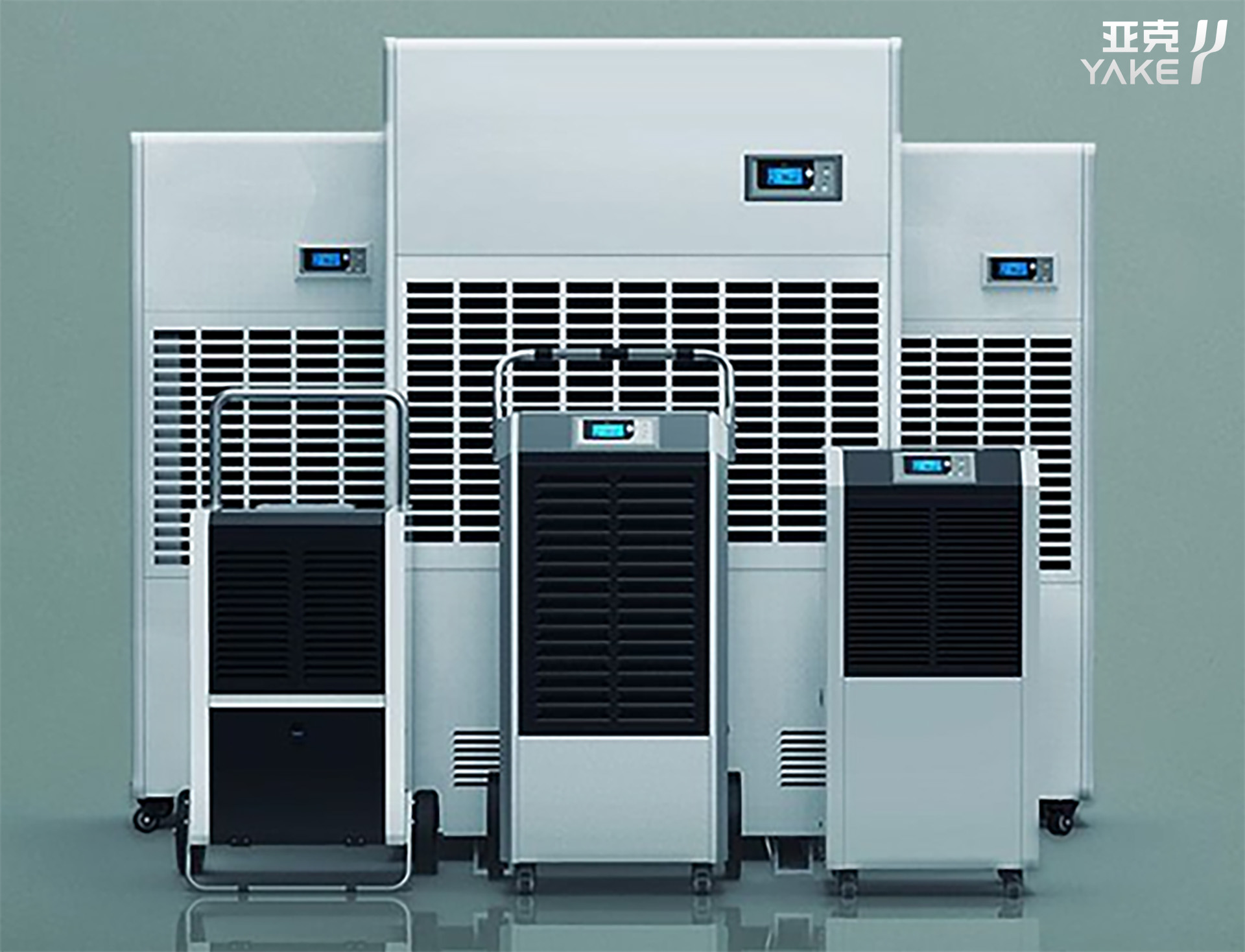
Contact us to find the best place to buy your Yakeclimate solution today!
Our experts have proven solutions to keep your humidity levels in check while keeping your energy costs low.