
Building 34, No. 535 Shunfeng Road, Hangzhou, Zhejiang, China
[email protected]


Greenhouse vegetable cultivation refers to cultivating vegetables such as tomatoes, peppers, and lettuce within a controlled greenhouse environment. Growers leverage these spaces to regulate heat, light, and water so plants receive consistent attention throughout the year. This arrangement assists in reducing plant stress from rain, wind, and pests. Greenhouses are utilized by numerous farms to increase yields and conserve growing space. To maintain plant health, growers typically deploy fans, heaters, and dehumidifiers. The following sections highlight important steps and advice.

A carefully planned greenhouse provides the foundation for thriving vegetable plants and optimal utilization of resources. Selecting the appropriate structure, glazing, location, and size suits your climate and production requirements.
A rugged frame is the secret to enduring strength. Choose materials that will endure whipping winds, pounding rain, or heavy snow. For the most part, steel or aluminum frames are good for most climates, though wood is still an option where humidity is controlled. The height should be the eave height plus one-fourth of the width to maintain a proper six-in-twelve roof pitch. For example, if your greenhouse is nine meters wide, the center will be approximately four point five meters higher than the eave.
Proper airflow reduces disease and moderates temperatures. Install vents and doors. Manual roof vents are easy, but they require frequent opening and closing throughout the day. Make sure to design your greenhouse with sufficient doors and walkways so employees and equipment can navigate easily without damaging your crops.
Glazing affects light, heat, and humidity. Glass, polycarbonate, and polyethylene are popular options. Glass is sturdy and transparent, but it is weighty and expensive. Polycarbonate and corrugated panels, 2.4 to 3.7 meters long, provide excellent insulation and are lighter. As a budget choice, vinyl sheets ranging from 0.08 to 0.3 mm in thickness can survive up to five years when installed carefully.
Select a material that suits your light and temperature requirements. Excess light increases heat and humidity, helping pests flourish. A six-foot by twelve-foot roof pitch, roughly 27 degrees, sheds water and maximizes the sun. Clean glazing regularly to maintain light levels and inspect for cracks or deterioration that could leak air and let in pests.
Choose a location that receives full sun for the majority of the day. Stay away from locations near tall trees or buildings that cast shade. Low areas can flood, so select ground that drains well. Pay attention to wind direction. If you position your greenhouse so that the short side of the structure faces prevailing strong winds, you’ll reduce stress on the frame.
Be sure to allow room for carting supplies in and out. Attached greenhouses, like lean-to, even-span, or window-mounted, are ideal for small spaces and convenient accessibility.
It’s size depends on what and how much you want to grow. Determine the square meters required for your vegetable selections and planting density. Don’t forget to leave room for aisles, workspaces, and storage. Budget is a concern, so size it to what you can support now and plan to grow. A modular design will make it easier to add space later if you should need it.
Growing vegetables in a greenhouse is a lot more than sticking plants under glass. It means maintaining the proper environment for every crop and collaborating with nature instead of confronting it. Most vegetables thrive at temperatures between 15 and 27 degrees Celsius with humidity levels of 50 to 70 percent. Planning and consistent nurturing count for a lot more than fortune.
Operating a greenhouse is one step ahead of the weather. Heating systems prevent your crops from hitting their winter brakes, enabling you to produce all year long. Ventilation is crucial since it circulates air, reduces mold and maintains a stable temperature. Shading prevents the sun from scorching leaves on heat waves. Small shifts in heat or humidity can translate to large shifts in yields, so sensors help capture this data and indicate when it’s time to open a fan, crank a heater, or adjust shade cloths. For instance, tomatoes require consistent warmth, whereas lettuce craves cool air and reduced humidity.
Soil vs. Hydroponics defines the way you operate your greenhouse. Ground is comfortable, retains moisture, and does well for root crops. Hydroponics allows you to optimize nutrients and can produce quicker growth for crops such as lettuce or basil. Hydroponics requires more equipment and monitoring, conserves water, and saves space. Both ways cost money to start up and ongoing care is system dependent. Some growers experiment with both, changing methods with the season or crop.
They required just the right combination of nutrients to grow them up. A feeding schedule goes a long way, yet it is wise to monitor and adapt as plants mature. Balanced fertilizers help keep leaves green and fruit healthy. Testing soil pH or checking nutrient levels in a hydroponic tank indicates when to add or hold back. Adding compost or organic matter increases soil vigor and can help combat disease.
Watering right ensures plants receive what they require without excess. Drip or overhead systems provide consistent moisture. It is recommended to water during the morning or evening when temperatures are lower. Harvesting rain water reduces expenses and protects the environment. Checking soil with your hand or a meter prevents overwatering, which can cause root rot. Crops such as cucumbers need even moisture, while peppers prefer a slightly drier environment.
Getting fruit set is all about pollination. Companion flowers pull in bees and other assistants. Certain crops, such as tomatoes, might require you to gently shake or brush the plants to distribute pollen manually. Observing when blossoms burst allows you to time these actions for optimal effect. If days are short, supplemental lighting can extend flowering to maintain yield.
In choosing the right crops for greenhouse vegetable cultivation, consider climate control, economic goals, and local demand. Greenhouses enable growers to push seasons and maximize yields by manipulating temperature, humidity, and light. Most vegetables fare well, but there are a few that continually excel for their dependability, profitability, and versatility. Below are examples of high-yield crops suitable for greenhouse growing:
Tomatoes, peppers and cucumbers lead greenhouse production worldwide. These are favorites because of their consistent demand and high yield per square meter. Tomatoes require temperatures above 10°C (50°F) and good air flow to avoid disease. Peppers love humidity, performing best at 65 to 85 percent relative humidity. Cucumbers and squash take good advantage of greenhouse space, particularly with vertical trellising.
Selecting disease-resistant varieties minimizes losses and helps keep your harvest consistent. For vining crops such as tomatoes or beans, trellising allows you to grow vertically, maximizing limited floor space. Look out for proper harvest time. Harvesting at peak ripeness maintains flavor and shelf life. Beans require watering every day but in moderation since their roots are averse to wet soil.
Vegetables that thrive in a greenhouse are often cool-season varieties such as spinach, lettuce, kale, carrots, onions, and garlic. Get a season’s jump on leafy greens. Use row covers for frost protection and to keep out pests. Most leafy crops, like spinach and lettuce, withstand cooler temperatures and short days well, so they grow steadily with a reduced propensity to bolt.
Pick greens frequently to maintain tenderness and new leaves. Carrots and beets thrive in cool conditions. Beets in particular prefer it close to 16°C (60°F). You can plant onions and garlic in the winter and simply harvest as needed, so they’re easy to slip into rotations for constant supply.
Experimenting with heirloom or specialty varieties, such as purple carrots, striped tomatoes, or Asian greens, makes farmers unique in saturated markets. All have different requirements, so consult seed guides or local authorities prior to planting. Certain crops have more nutrients or special flavors, appealing to a new demographic.
Monitor what varieties do well in your greenhouse to inform better crop plans later. Market these at markets or to chefs looking for a twist. Specialty crops can fetch higher returns and add diversity to your lineup.
In greenhouse vegetables, sustainable pest management means adopting an integrated approach to deal with pests, diseases, and mites. It’s overall about managing pests sustainably, controlling them as much as possible with the least environmental impact or impact on helpful bugs and even on the crop itself. This approach often implements Integrated Pest Management (IPM), which combines scouting, prevention, biological controls, and occasionally organic treatments while maintaining detailed records to monitor effectiveness.
Clean habits in the greenhouse will take you a long way. By removing plant debris, cleaning tools and keeping walkways clear, you cut down on places where pests can hide or breed. Crop rotation each season disrupts pest life cycles and makes it more difficult for them to accumulate in the soil or residual plant matter. Incorporating physical barriers such as fine mesh netting or screens prevents larger pests and flying insects from alighting on your plants. For most growers, this uncomplicated measure reduces pest populations without any sprays.
Tips for prevention:
Importing beneficial insects such as ladybugs, lacewings, or predatory mites can maintain pest populations. They consume aphids, spider mites, and other typical greenhouse pests. There are microbial products, like Bt, that target particular bugs without damaging the beneficial insects. By building little habitats, like flower strips, you are giving these natural helpers a home and a breeding ground. Growers must observe and record the efficacy of these controls and make adjustments if pests remain. Keeping track of this with basic charts or apps assists in identifying patterns and planning future actions.
A nice biodiversity of plants and consistent temperatures enable these little heroes to flourish. Others employ banker plants as ‘living quarters’ for predatory mites or wasps. These living tools make biological control more sustainable.
Organic sprays and fungicides are the very final step, after all else, only if pests go wild. Most farmers opt for safe, proven selections such as neem oil or garlic spray, which can combat soft-bodied insects or light fungal infections. Make sure products are organic certified if certification is necessary! Timing is everything. A spray at the wrong moment can bypass the pests or kill beneficial bugs. By discovering the proper cocktail and timing, spraying can be less wasteful and risky.
Greenhouse vegetable production relies on sharp planning, careful cost monitoring, and strategic decision making. The economics are defined by initial investments, persistent operating costs, and the market value of your produce. Regional differences in costs or prices can push the math in a lot of directions.
Establishing a greenhouse is almost never inexpensive, and the invoice pays for more than simply the frame and cover. Between construction, heating and cooling systems, irrigation, lighting, and automation gear, it all adds up. A lot of growers are budgeting in climate controls, hydroponics, and energy-efficient technology. A breakdown of these outlays is shown below:
| Cost Item | Initial Investment (EUR) | Ongoing (Annual) (EUR) |
|---|---|---|
| Structure & Cover | 30,000 | 1,000 |
| Climate Systems | 12,000 | 2,500 |
| Lighting | 8,000 | 1,200 |
| Irrigation | 6,000 | 900 |
| Crop Support (e.g., hives, stakes) | 3,500 | 2,000 |
| Automation | 7,000 | 1,000 |
Being local for parts and services can drop costs, while shopping around for loan rates or grants can help smooth the pain of large early investments. Other locations provide grants or tax incentives for green farming.
Long-term, the payback on these investments depends on yield and consistent market demand. With fertilizer prices spiking, the break-even point can extend even further. In some areas, the greenhouse itself constitutes half of annual costs. In others, fertilizer alone may be as much as 38%.
Operating costs are a moving target. Water and power bills, heating during cold months, and the cost of consumables like bumblebee hives or crop supports all must be tracked. Fertilizer price hikes have been a big hit to budgets lately, frequently squeezing margins.
Labor is one big chunk. Seasonal workers can account for 65% to 96% of annual costs in certain areas. Automation, such as climate or irrigation controls, can reduce these costs but introduces its own initial expenses.
Careful recordkeeping is key. It aids in identifying cost surges, budget planning, and responding to seasonal fluctuations in expenses and revenue. Understanding when expenses peak, such as for heating in winter or labor at harvest, empowers cultivators to pivot plans in advance.
The real question is how much income your crops generate. To determine this, calculate anticipated yields and multiply by prevailing market prices. For tomatoes, peppers, or lettuce, these prices can fluctuate, so it is a good idea to check frequently.
Last season’s information helps you make an educated guess about what works. Higher yields or better prices can offset new investments, and a streak of bad years calls for reimagining what or when to plant. Some growers crop-shift or adjust schedules to pursue the most value.
Inter-mingling crops has the added benefit of risk distribution. If the price of one goes down, another might compensate. Yield value and the profitability index vary significantly depending on location. Tuscany, Almería, Monastir, and Antalya all have different values for a 20-year perspective.
Greenhouse vegetable growing is accelerating, sculpted by new technologies and the imperative to use less and produce more. Growers worldwide are now deploying smart tools to reduce waste and ensure crops are premium quality. This new era of agriculture is about creating food that serves both humanity and the Earth.
Staying ahead is all about having the latest tech in the know and on hand! The future of greenhouse growing involves IoT, machine learning, and AI that enable growers to monitor crops live. The sensors monitor heat, moisture, and light, communicating information to a phone or computer. This assists in detecting problems before they injure plants. Machines learn what plants want and then adjust the climate or water to match. Vertical farms and hydroponics either vertically stack plants or use water instead of soil to conserve space and reduce water consumption. Robots and robotic arms now harvest, sort, or plant, reducing the reliance on humans and bringing down expenses. All these steps come together to provide consistent, high-quality crops, even for plants like herbs or medicinal plants that simply cannot wait for the season.
Greenhouse agriculture is about being efficient with resources and protecting the environment. Closed loops for water or how to use the power of the sun means less waste and less damage to the earth. Smart systems know when to turn lights or heat off when not required, saving you money and energy. These incremental steps address the increasing demand for food that is nourishing for people and the planet.
Consumers want fresh, local, and chemical-free food. Greenhouse growers can satisfy these demands by growing round the clock and keeping out pests and inclement weather. They can cultivate produce near populations, so freshness and miles traveled are reduced. With bright schemes like organic soil or less spray, they can stay ahead of the demand for organic. With AI, growers can strategically plan the optimal crop mix and track trends to keep their business healthy.
Growers who communicate and collaborate thrive. We believe that sharing tips, tools, or new tech can help growers save time and money. Group buys of gear or bulk orders cut costs. We learn from other growers abroad to help identify the best methods. When we exchange concepts, the entire industry progresses more rapidly.
Greenhouse vegetable cultivation delivers consistent crops, efficient use of space, and less pest damage. Growers can select from a variety of vegetables, such as tomatoes, lettuce, and peppers, and adjust the system for maximum efficiency. Thoughtful engineering and plant selection enable farmers to consume less water and energy. Many farms are now looking to cleaner implements and easy pest solutions to trim expenses and pollution. Greenhouse technology keeps evolving, so the space remains new and accessible. Growers in cities and rural areas alike experience huge increases. To maximize your greenhouse, continue experimenting. For more hacks or to locate the perfect setup, consult a professional or connect with a grower community.
The hotbed should be well ventilated, properly insulated, and exposed to the sun as much as possible. Use quality materials and automation for climate control. Good design keeps temperature and humidity stable for healthy growth.
Tomatoes, cucumbers, peppers, lettuce, and herbs like basil all do well in greenhouses. These crops thrive in controlled environments, leading to higher yields and better quality.
Take advantage of integrated pest management (IPM) techniques. This encompasses biological controls like beneficial insects and cultural practices including crop rotation and sanitation to minimize chemical usage and safeguard the environment.
About greenhouse vegetable cultivation. These benefits translate into increased profitability and steadier market availability, making greenhouse cultivation economically advantageous.
Typical issues are insect infestations, illnesses and climate control. Regular observation and preventive measures help in avoiding and treating these problems.
Greenhouse technology makes it possible to produce vegetables year-round, saves water, and contributes to local food independence. This is what makes it such a vital element of sustainable and resilient food production going forward.
Greenhouse vegetable cultivation can be environmentally friendly when incorporating efficient irrigation systems, renewable energy sources, and sustainable pest management techniques. These environmentally sound practices save resources.


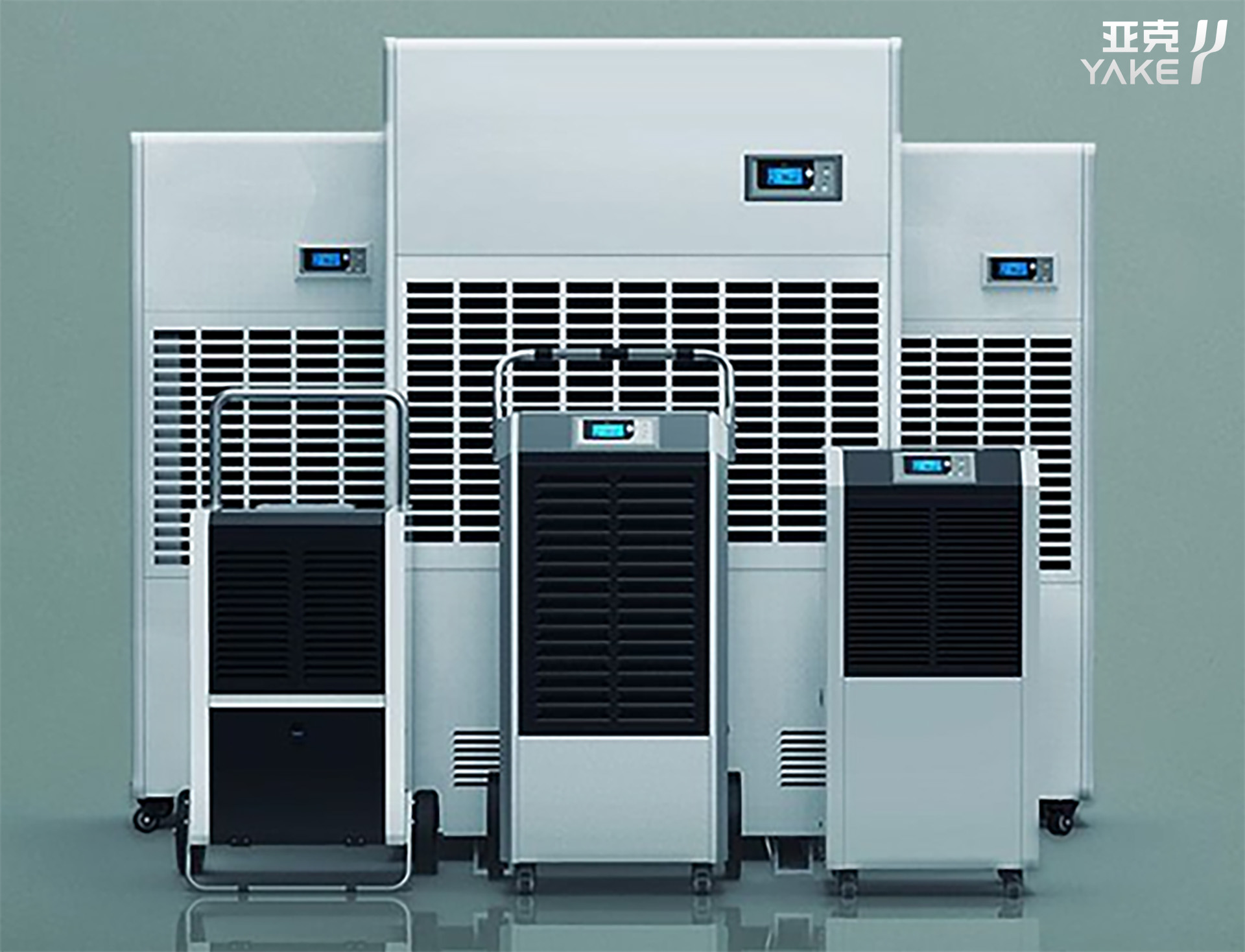
Contact us to find the best place to buy your Yakeclimate solution today!
Our experts have proven solutions to keep your humidity levels in check while keeping your energy costs low.