
Building 34, No. 535 Shunfeng Road, Hangzhou, Zhejiang, China
[email protected]


Greenhouse architecture refers to the design and construction of a greenhouse to optimize plant growth by intelligently utilizing light, air, and space. Fine greenhouse architecture employs solid frames, transparent covers, and thoughtful air circulation to maintain an optimal and consistent climate for plants. Selecting the ideal form, such as a gable or curved roof, assists in retaining heat and light where you want it. Climate regulators, such as fans and vents, join the architecture to moderate temperature and humidity. Most growers choose glass, polycarbonate, or film covers depending on their sunlight requirements and budget. In order to conserve both energy and water, a number of greenhouses employ smart systems that utilize the help of sensors and timers. Next, determine which design details count for crop health.

Greenhouse architecture is all about creating and constructing environments that facilitate plant growth in a controlled atmosphere. It mixes together science and engineering and practical expertise to design environments where plants can grow anytime. It needs to hold up light, heat, airflow, and water systems so plants receive what they require, regardless of the external climate. Design differs based on function—food, research, exhibition—and must adapt for local climate and requirements.
Light is the primary impetus for plant growth. The most effective greenhouse designs employ large glass, polycarbonate, or polyethylene film spans to bring in maximum sunlight. The selection of glazing, whether clear, diffused, or double-layered, influences both the distribution of light within the space and the photosynthesis of plants. Position and angle matter; a north-south orientation can balance sunlight intake throughout the day. In hot climates, shade cloths or adjustable panels prevent plants from overheating at midday. We mix the right stuff to prevent sunburn and provide plants with consistent light.
Maintaining a consistent temperature within the greenhouse is vital. Thick stone or water tank walls and floors can absorb heat during the day and release it at night. Quality insulation, particularly on roofs and sidewalls, reduces heat loss when it’s cold. Some incorporate solar panels or water pipes that absorb the sun’s heat and warm the air at night. Monitoring with sensors and simple controls to keep tabs on temperature swings keeps the growing space just right.
Greenhouses in cold regions are most effective when they’re 12 to 24 meters wide and not overly long to maintain warmth evenly throughout. In moderate climates, greenhouses that were longer than 50 meters or wider than 10 meters helped trap warmth.
Greenhouse frames need to be sturdy. Aluminum, steel, or treated wood supports allow the structure to withstand wind, rain, or snow. Roof slopes have to shed water and snow, and sidewalls have to hold up to storms. Thoughtful architecture makes the building durable for years to come and protects plants from the elements.
Airflow prevents pests and disease and allows plants to breathe. Roof vents, side vents or automated fans can keep air circulating. A great system keeps fresh air flowing, preventing stale pockets and drops humidity. Sensors can monitor CO₂ and temperature to suit plant needs. With optimum airflow, the greenhouse maintains a consistent, beneficial climate.
Water must get to roots but not be wasted. Drip lines, misters, or overhead sprays can correspond to the needs of each crop. Rainwater tanks reduce outdoor water consumption. Moisture sensors help growers know when to water and when to stop. Through intelligent delivery, water consumption decreases and plant vitality increases.
Greenhouses ingeniously capture the sun’s heat and light, providing a little room for plants to thrive. Using glass or plastic panels, they maintain the interior temperature to be warmer than the exterior. This carefully controlled setting allows farmers to cultivate produce even in severe or volatile conditions. Successful greenhouse operation relies on sophisticated climate control, intelligent automation, and an intimate knowledge of the local weather.
Greenhouse walls and ceilings, typically made of glass or polycarbonate, allow sunlight to reach the plants within. As the sun’s rays penetrate, they warm the air and surfaces within. These materials prevent long-wave radiation from escaping, so the heat remains trapped and the temperature inside rises. This effect lengthens the growing season and enables year-round growing, even in cold-winter areas. High-reflectance screens and special stains on glazing can reduce heat loss, saving as much as 8% energy use. Overheating is a concern, particularly in sunny or hot locations. Shade houses, automatic venting, and reflective screens offer ways of controlling the temperatures inside. CO2 enrichment, which has been applied for almost one hundred years, stimulates growth and yield by enhancing photosynthesis within the greenhouse.
Accurate climate control is essential for consistent crop vigor and productivity. These systems control temperature, humidity, and light levels with heaters, fans, industrial dehumidifiers, and additional grow lights. Sensors track these conditions in real time, notifying operators of temperature or humidity changes. Automated controls soon adapt the environment in response to these readings. Seasonal variations require adjustments. Additional heat is needed in the winter, cooling or shading is necessary in the summer, and humidity management is required at all times. Yakeclimate’s custom solutions assist in minimizing energy waste and preserving a stable environment crucial for plants such as leafy greens and tomatoes. Growers using these systems experience fewer disease outbreaks and a healthier, more stable crop.
Already a standard in modern greenhouses is smart automation. Watering, lighting, and airflow are often controlled by programmable systems that operate on timers or based on sensor data. Such technologies slash labor expenses while ensuring plants receive what they require at the perfect time. Remote monitoring allows growers to check in on conditions offsite and react quickly to any fluctuations. With data analytics, growers identify patterns, address inefficiencies, and optimize timing for improved productivity. Over time, these refinements accumulate toward increased yields, greater efficiency, and a more robust grow operation.
Year-round greenhouse cultivation is the secret to a stable food supply and robust food security. It provides growers with the means to sustain crops year-round, so fresh food is never out of reach. It requires meticulous planning, quality supplies, and state-of-the-art climate control systems to maintain optimal internal conditions regardless of the external environment.
To achieve year-round growth, growers tend to rely on heating. Heaters warm the air when it’s chilly, allowing the plants to thrive and remain active. Good insulation matters too. Double poly film or twin-wall polycarbonate panels both work, but twin-wall polycarbonate holds up better against harsh winter weather. These materials help prevent heat loss and reduce energy bills.
Row covers and low tunnels are easy to implement and powerful. They protect crops from frost and wind, allowing farmers to either plant earlier in the spring or harvest later in the fall. Cold frames act as mini-greenhouses. They provide a cozy nook for seedlings and saplings, so farmers can get a jump on the season even before the last frost.
Rotating your crops is just as savvy. By rotating their crops throughout the season, farmers get more from the same space and keep pests from establishing themselves. It maintains the soil in good condition and optimizes the long growing season.
Greenhouses provide protection for your crops from pests, diseases, and harsh weather. They exclude the majority of insects and reduce the transmission of plant diseases. With integrated pest management, they need not resort to many chemicals. This shields both crop and environment.
Certain crops, such as lettuce or tomatoes, require consistent temperatures and minimal stress. In a greenhouse, it’s less difficult to maintain heat, light, and humidity within an optimum range. Growers monitor CO2 levels, air circulation, and humidity to prevent issues before they arise. These factors contribute to higher yields and less waste.
To grow at the same rate requires close regulation of light, heat, water, and nutrients. Supplemental lighting, such as LED or fluorescent systems, aids plants with continued growth when days are shorter. They help farmers better match planting and harvest schedules to market needs.
Nutrients and water require close observation. Too much or too little and the crops will perish. Quality checks at every step translate to better produce at harvest and less waste. This consistent method allows cultivators to schedule their operations and satisfy demand throughout the entire year.
Modern greenhouse materials are selected to achieve the appropriate balance of light, heat, durability, and longevity. These decisions influence energy consumption, crop growth, and the longevity of the greenhouse. For growers and facility managers alike, the right materials are key to keeping the climate steady and costs low.
Glass, polycarbonate, and polyethylene are the primary choices for greenhouse glazing. Glass has been around for decades; it lets in tons of light and is incredibly durable. Glass is heavy, requires heavy frames, and is more expensive to install. Polycarbonate panels are comparatively lighter and won’t break. They insulate better, which helps reduce heating costs in the long run. Polyethylene film is the least expensive and easiest to install but has the shortest lifespan; it might require replacement every couple of years. Today, ETFE (Ethylene Tetrafluoroethylene) is making inroads. It is a clear, flexible plastic that lets in more light than glass, bends for rounded shapes, and is lighter, which cuts frame costs. UV-filtering coatings, standard on many materials today, shield plants from damaging rays and lengthen the panel’s lifespan. Cost and longevity matter. ETFE panels can last over 20 years, while low-cost polyethylene might last only three. The right choice depends on crop needs, climate, and budget.
The frame holds up the entire greenhouse so your material selection impacts security and durability. Aluminum is light, rust proof and easy to work with. It’s great for mega or modular builds where easy expansion counts. Steel is strong but requires treatment to prevent rust. Wood has a low carbon footprint and provides good insulation, but it requires maintenance and doesn’t fare well in moist climates. Glulam—engineered wood beams—pair the strength of timber with increased weather resistance, creating a sustainable option for contemporary greenhouses. Frames have to hold glazing, resist wind, and provide for vents and climate controls. Modular systems gain ground for their simple upgrades and tweaks. Opting for recycled metals or certified wood will reduce the build’s overall footprint.
Reflective materials inside the greenhouse cast light back to the shadows. This helps crops achieve uniform growth and can increase yields. Certain new glass or plastic coatings resist dirt clinging. Rain washes it off, reducing maintenance. Thermal coatings on glazing trap heat in when it is cold and reflect it away when it is hot for bill-saving energy efficiency. These surfaces have become common in commercial greenhouses to help stabilize the climate and the costs. Through smart choice of surface treatments, growers can reduce heating expenses and prevent plant stress. With these solutions and Yakeclimate’s dehumidifiers, you create more constant, smart-energy growing conditions.
Sustainable greenhouse design is about achieving optimal results while minimizing waste, energy consumption, and environmental impact. This involves choosing appropriate materials, minimizing water and energy consumption, and blending with the environment. With some design, growers can control costs, maintain yields, and reduce their footprint.
Passive solar design is the beginning. Oriented the greenhouse north-south so the sunlight is evenly distributed throughout the day. Use thermal mass such as stone or brick walls. They absorb heat during the day and release it at night when temperatures drop, maintaining a more stable environment. Insulation reduces heat loss and innovative film covers or polycarbonate assist in capturing warmth with a lot of sunlight penetration.
Heating and cooling energy smart heat pumps or ultra-modern gas units with very precise controls consume less fuel. Ventilation can be passive, such as with roof vents or sawtooth shapes that allow hot air to escape without fans. Track energy consumption with smart meters to detect waste quickly. Good insulation, particularly around doors and at the bottom, prevents drafts and retains heat. Thermal mass and smart controls reduce the requirement for continual heating or cooling.
Rainwater harvesting is non-negotiable. Gather rainwater from your roof, store it in tanks, then dispatch it to your plants. Drip irrigation is the gold standard. Water goes straight to the roots, with no waste. Sub-irrigation or ebb and flow tables offer more control and use even less water.
Monitor your water consumption. Smart sensors can indicate leaks or overwatering immediately. Educating faculty on best practices goes a long way. Tiny leaks or habits multiply. Naturally vented greenhouses lose less water than forced-air ones.
Solar panels on the roof or nearby can power lights, pumps, or even climate controls. Geothermal systems tap into the consistent temperature below ground for heating or cooling, reducing reliance on external energy sources. Wind turbines are possible in open areas with consistent breezes but are much less common for urban locations.
Renewables reduce long-term costs and carbon footprint. When paired with smart controls, these systems allow growers to use clean energy when it is needed most.
Greenhouse architecture is at the crossroads of technology and nature where biophilic design connects us further to the natural world. Biophilia, our evolutionary affinity for nature, guides intelligent green design for health, performance, and environmental footprints. In greenhouses, this link transcends beauty and turns into a means for health and city transformation.
Greenhouses provide individuals with direct access to living greenery, which has the capacity to reduce stress and improve mood. Not surprising to those familiar with biophilia, research continues to show that being around plants, even indoors, results in better focus and less anxiety. Gardening, touching soil, caring for crops — all have demonstrated mental health benefits. One important study discovered youngsters with extra nature experience had 55% fewer psychological well-being issues as adults. This sheds light on the importance of community greenhouses; they provide a communal space for people to connect, educate, and exchange. As mental health issues cost our societies billions each year, city greenhouses provide a tangible means to offer assistance. There’s cleaner air. Greenhouse plants purify air and increase oxygen, making us healthier, particularly where urban pollution is a concern. Green access in dense cities is a public health necessity.
Today, design integrates greenhouses into residences, workspaces, and classrooms. Glass roofs, green walls, and indoor gardens meld the inside and out. Small touches like potted plants or pergolas can go a long way, while larger endeavors deploy green roofs or entire greenhouse wings. They incorporate natural light and materials such as wood, stone, and earth tones to foster serenity, warmth, and welcoming spaces. Others have constructed mixed-use structures featuring rooftop farms or atrium gardens that attract residents and increase real estate prices. The look is modern, but the result is timeless: spaces that feel alive, not sterile. Biophilic texture in urban greening reduces sprawl’s environmental footprint and keeps buildings greener.
Greenhouses are reinventing urban agriculture. They allow us to grow where space is limited, such as rooftops, brownfields, or even parking structures. It shortens supply chains, reduces waste, and puts communities more in control of their food. Local food systems are more resilient, particularly when there are supply disruptions. Many cities are even having their own hydroponic or vertical farms inside greenhouses, consuming less water and space. Projects like these demonstrate how overlooked urban spaces can transform into green and fertile areas. With optimal environmental control, such as targeted dehumidifiers, crop yields increase, waste decreases, and urban areas become greener.
Greenhouse architecture influences how growers utilize space, light, and air. Smart frame selections such as metal or aluminum stand up to challenging conditions. Glass or polycarbonate panels allow sunlight and retain heat. Easy vent configurations and powerful fans maintain air circulation. Smart greenhouses conserve energy and water. Modern designs employ rain catch, solar panels, and recycled glass. Plant beds, by crop type, line up to use light and room well. Every decision counts for strong plants and consistent yields. Growers with concern for cost, yield, and even the planet can feel at home with new greenhouse architecture. For additional advice or assistance with climate gear, contact Yakeclimate. Let’s construct more inspiring environments to cultivate.
Greenhouse architecture is the design and construction of structures that create controlled environments for plant growth. It revolves around maximizing light, temperature, and humidity control for healthy crops.
Greenhouses capture both light and heat and manage moisture and air circulation. This constant environment provides plants with the ability to grow year-round, no matter how brutal a climate you are in.
Contemporary greenhouses utilize glass, polycarbonate, or polyethylene for the walls and roof. They provide excellent light transmission, durability, and insulation.
Eco-friendly greenhouse architecture slashes power and water consumption. It reduces expenses and footprint and optimizes agriculture.
Greenhouse architecture allows for food to be grown all year round. It shields crops from seasonal variation and extreme weather.
Biophilic design connects us to nature. In greenhouse architecture, it enhances wellness, calms tension, and inspires beautiful environments for plants and people.
Indeed, greenhouse architecture can be tailored for different climates. With insulation, ventilation, and heating, you can keep the growing conditions just right anywhere.


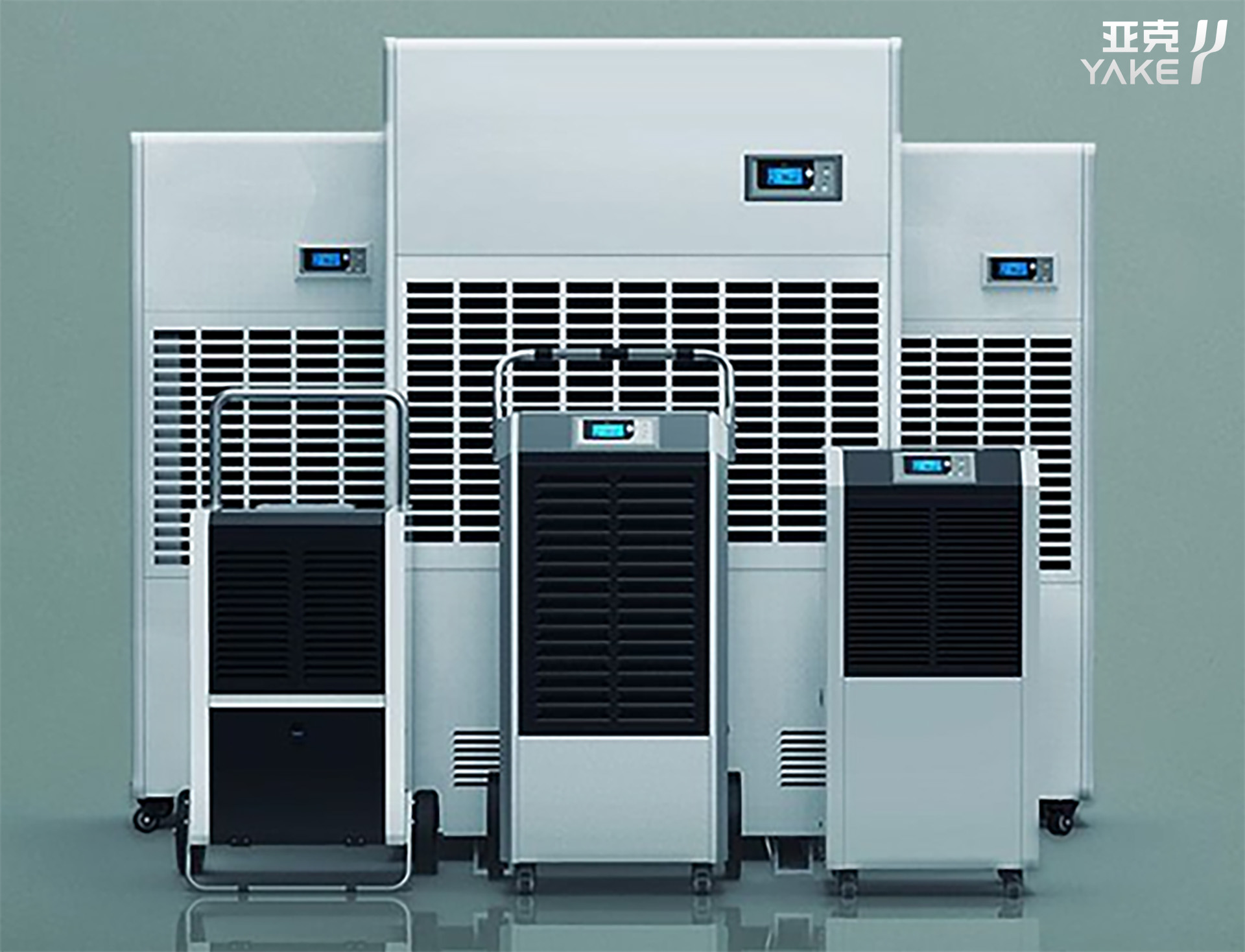
Contact us to find the best place to buy your Yakeclimate solution today!
Our experts have proven solutions to keep your humidity levels in check while keeping your energy costs low.