
Building 34, No. 535 Shunfeng Road, Hangzhou, Zhejiang, China
[email protected]
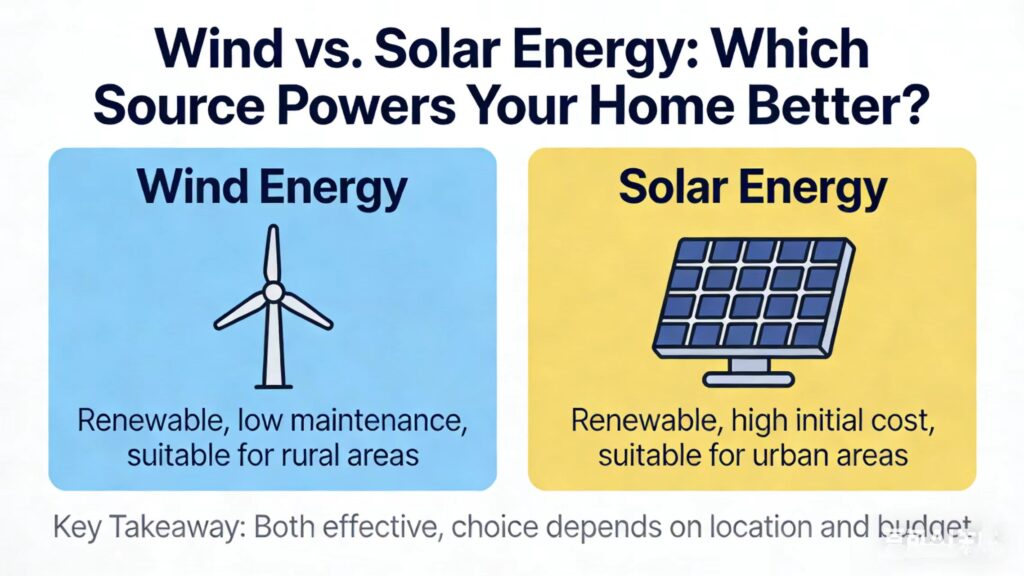

Wind vs solar energy comparison is about comparing two leading sources of renewable energy. Wind power utilizes turbines to convert wind into electricity, whereas solar energy employs panels to convert sunlight into power. Both reduce carbon and long-term costs, but each carries its own installation requirements and thrives in different locations. Wind tends to provide greater output per square foot but requires consistent wind and more space. Solar integrates with buildings and roofs, thrives in sunny locations, and is simple to scale up or down. Choosing between the two depends on factors such as land availability, climate conditions, local regulations, and energy requirements. The next section discusses main bullet points with actual figures and example usage in the industry.

Wind and solar are both drawing on natural forces to generate industrial energy. Solar power utilizes photovoltaic cells. When sunlight strikes the cells, it initiates a reaction in the material. This produces direct current (DC) electricity. Most solar panels convert roughly 20 to 24 percent of sunlight into electricity. That’s the conversion efficiency for quality panels in industry now. Solar panels function optimally in areas with intense sunlight. They are consistent in daylight and easily installed on rooftops or open ground. On average, solar panels require approximately 21 square meters per kilowatt. They operate silently and require minimal maintenance, just cleaning and inspections a couple of times annually.
Wind is different. Wind turbines employ blades to capture moving air. Wind moves the blades, which rotate a shaft inside. It’s that shaft that connects to a generator, which makes electricity. Wind turbines fare better at converting energy, boasting rates of 35 to 45 percent. Wind is less predictable. It can blow hard, slow, or not at all. Turbines only function if the wind is constant and faster than 14.5 km/h. Wind turbines generate electricity during the night or on overcast days, times when solar panels are ineffective. They require acreage, and the moving pieces necessitate service squads to inspect them two or three times annually for oil and wiring.
On the same line: How wind and solar work. Solar panels are simple to install on already constructed buildings, preserving ground space. Wind turbines require vast, open spaces to operate optimally. Both employ new technology to improve every year. Solar cell materials, as well as panel design, are getting better all the time. Wind turbine blades and control systems become more intelligent. These enhancements translate to more watts for less cost, enabling enterprises to maintain operational efficiency and comply with green energy regulations.
Industrial sites globally consider wind and solar their primary renewable energy choices. Both provide clean energy, but the distinctions go far beyond that. Knowing these distinctions enables plant managers, engineers and operations teams to select the best fit for their facilities. Below, we break down each important consideration in a way that can be directly applied to industrial decision making.
Solar needs direct sun. Production falls off at night and in cloudy conditions. Wind turbines operate day or night, provided there is wind. Wind can be fickle, yet certain areas experience consistent winds throughout the year. Geography plays a big role: deserts and tropics suit solar; open plains and coastal areas suit wind. The two resources shift with the seasons. Winter might mean less sun, but more wind. Hybrids, using both, help smooth these peaks and valleys.
Solar farms require large, flat areas for maximum output. Panels can be installed on rooftops, which makes them practical for urban areas and industrial structures. Wind turbines require significantly more spacing between units, and the ground beneath remains usable. Farming or grazing can persist. City zoning favors solar, while huge turbines face noise and safety codes. Wind prefers rural sites. Agrivoltaics, where crops meet panels, delivers double use and captures more value.
| Cost Element | Solar Energy | Wind Energy |
|---|---|---|
| Initial Investment | Lower to moderate | High |
| O&M Costs | Minimal | Moderate to high |
| Payback Period | 6-10 years | 6-12 months (ideal sites) |
| Lifespan | 25-30 years | 20-25 years |
| Efficiency | 20-24% | 35-45% |
Solar requires less maintenance, with cleaning and inverter replacements about every 10 years. Turbines break down more often and require expert crews. Wind’s high output translates to quicker payback in the right location. Long term costs can accumulate.
Solar is convenient to hook into existing grids, particularly on smaller scales. Wind power requires clever controls to manage variable generation. Storage, such as batteries and the like, aids both in smoothing out spikes in demand when production wanes. Smart grid technology maximizes the flow from these sources and keeps plants humming.
Solar is broadly embraced, especially when it’s on buildings. Wind farms generate jobs and economic growth in local communities. They both have to shield wildlife and not damage habitats with effective outreach, such as site tours and public meetings, that builds trust and makes the project succeed.
Energy efficiency refers to the percentage of the sun or wind’s energy that is converted into usable electricity. For solar, it appears as the percentage of sunlight a photovoltaic (PV) panel converts to electric power. For wind, it is the percent of kinetic energy from wind that becomes electricity at the turbine. These rates are critical to plant managers and facility engineers because they influence site energy planning, equipment sizing, and long-term cost.
| Technology | Typical Efficiency (%) | Best-Case Efficiency (%) |
|---|---|---|
| Solar Panels | 20–25 | 25 |
| Wind Turbines | 20–40 | 60–90 (theoretical) |
Solar PV panels typically convert 20 to 25 percent of solar radiation to electricity. The best systems, with state-of-the-art cell designs and superior grade materials, achieved 25 percent. Wind turbines have a broader range: in real-world conditions, turbines reach 20 to 40 percent efficiency. The theoretical maximum, known as Betz’s limit, is roughly 59 percent, but most commercial machines remain lower due to friction, turbulence, and pragmatic losses.
A few factors influence the amount of energy solar and wind systems produce. Solar output is influenced by panel angle, sun hours, cloud cover, heat, and dust accumulation. Wind system varies with wind speed, air density, and turbine height. In either case, downtime from maintenance or weather brings efficiency down. Site layout, grid connection, and system age play a role.
Technology continues to advance renewable energy. For solar, bifacial panels absorb sunlight from both sides, increasing output. Perovskite lets panels work with less light and more heat. AI can tilt panels to follow the sun and predict faults before they cost energy. Wind turbines today incorporate superior blade profiles, lighter materials, and intelligent sensors to operate safely in shifting wind. Both solar and wind experienced a steep decline in annual maintenance costs, with solar at $18 per kilowatt and wind at $17 per kilowatt not long ago. This keeps total energy costs low for big plants.
Wind and solar both provide robust environmental advantages, crucial for sectors seeking cleaner and more stable operations. Solar’s environmental impact is evident in how it reduces carbon emissions. It generates electricity from sunlight without burning any fuel, which assists factories and plants in reducing their carbon emissions. Solar panels, once installed, provide consistent electricity with minimal emissions. This is crucial for industries with stringent climate regulations. Solar reduces local air pollution, as it emits no dangerous particulates. For plants within cities or communities, this translates into cleaner air and reduced exposure to occupational hazards.
Wind power comes with huge air quality benefits. Wind turbines harness the wind to spin blades and generate electricity with no emissions while operating. This prevents new fossil fuel from being burned and keeps millions of tonnes of CO2 out of the atmosphere throughout a turbine’s lifespan. For instance, a 3 MW wind turbine over 25 years prevents approximately 400,000 tonnes of CO2. That’s equivalent to preventing the burning of more than 150,000 tonnes of coal. Wind farms, usually erected on abandoned land or offshore, reduce air pollution at the point of maximum impact. This assistance helps industries fulfill clean air objectives and maintain healthier local air.
All while preventing climate change and promoting sustainability for the future. Both enable industries to achieve carbon goals and reduce expenses. In 2022, global consumption of these sources kept power sector emissions 20% lower than if fossil fuels were used. Renewable energy saved $521 billion for users globally that year by reducing fossil demand. Wind and solar’s low cost and rapid growth make them compelling for sectors with a stake in consistent, green power.
The human factor in renewables. Transparent public awareness of both issues. More view renewables as expensive or intermittent. Education programs assist by demonstrating how wind and solar reduce pollution and save money in the long term. In the US, campaigns explain wind’s roots; humans have been using wind for thousands of years, long before turbines. Solar’s ascent is more recent, but more rapid. The US targets 100% carbon-free power by 2035, teaching why and how as COP28 calls for tripling renewables by 2030.
Human capital requirements drive both industries. Wind and solar require skilled technicians who can install, operate, and repair equipment. Wind techs commonly train in two-year programs that cover tower safety and electrical systems. Solar techs learn panel installation, grid connections, and safety procedures. US states with big wind, like Texas, Iowa, and Kansas, have built job pipelines at community colleges. Solar leaders California and Arizona provide local solar job incentives. This job growth strengthens rural and urban communities, bridges employment divides, and encourages resilient community-based employment.
Local projects are important. Tiny towns and communities operate their own wind and solar farms. That’s what makes this labor let individuals select energy routes, maintain earnings close to home and maintain local employment. In areas with limited accessibility to large grids, they increase access to power and reduce costs. Local control generates more trust and buy-in from the community. Great examples pop up in Europe, but American small towns give it a shot with co-ops and shared solar fields.
The future of power generation is poised at a turning point, influenced by rapid transformations in renewable energy. Solar and wind power continue their global expansion. The price of both keeps crashing, which makes them infinitely more attractive to both big and little users. Market groups see renewables leading new power additions by 2030, with solar and wind ahead. Solar is now number one for homes. Wind is winning for the bigger utility-scale jobs, particularly in flatter areas with consistent wind.
Innovation is propelling this transition. Solar panels hit 250 to 400 watts per panel, a huge jump from 10 years ago. Wind turbines are becoming more efficient. Wind requires expansive open land, making it a best fit for regions like the Midwest and Texas. Solar works everywhere there’s sun. Portable solar generators allow us to access power without complicated installations, a feat wind can’t accomplish. Solar is more adaptable to varying needs, while wind suits large, stationary locations.
Power ahead: Energy storage and the smart grid are poised to transform our use of renewables. Batteries can capture solar or wind energy for later use, once the sun and wind are no longer available. Smart grids assist in distributing this power to where it is required, reducing waste and enhancing the overall robustness of the system. In other words, there is less reliance on fossil fuel backup and more reliable power for industry. For industrial users, this develops confidence in renewables as a dependable source.
Future of power generation No one source will fit all needs everywhere. Solar is strong in the Southwest. Out in the plains, wind reigns. Both together help mitigate risk and keep the energy flowing, even when the weather fluctuates. For manufacturers, this aids in scheduling consistent electricity and cost reduction. Solar systems typically pay for themselves in six to ten years and then provide fifteen to twenty years of inexpensive power, with maintenance costs of one hundred fifty to three hundred dollars per year. Wind might not be a great fit for mobile or home applications, but it is crucial to hitting net-zero across sectors.
Wind and solar both emerge as winners for clean power. Wind generates more energy output per square meter with open fields and big farms. Solar suits roofs, parking lots, and off-grid locales. Both eliminate a significant amount of carbon. They come with their respective requirements for space, equipment, and maintenance. A little more wind or sun in your area can often swing the balance. For a car factory, a data center, or a farm, the right choice shifts with your objectives and location. They are both huge contributors to the transition to clean grids, and a mix of the two is often best. To find out what suits your site best, consult with a local specialist or energy planner.
Wind energy utilizes moving air to rotate turbines, thereby generating electricity. Solar energy taps the sun, harnessing its power through photovoltaic panels. Both are sustainable but utilize different resources.
Wind turbines are significantly more efficient than solar. Actual performance is based on local wind speeds and sunlight hours.
Solar panels are typically much easier and cheaper to install, particularly for residences. Wind turbines can require more room and more initial investment.
Both are low-emission and low-pollution. Wind farms can impact birds and solar farms need a lot of space. Careful siting can minimize these impacts.
Indeed, that’s what makes wind and solar complement each other’s reliability so well. When the sun isn’t shining, the wind may be blowing and when the wind isn’t blowing, the sun may be shining.
Wind power is optimal in regions with consistent winds. Solar panels require direct sunlight, so they work best in sunny locations. Local climate is a huge factor in efficiency.
Solar panels tend to be more suitable for homes, particularly in situations where wind speeds are relatively low. Wind turbines are better in a rural or windy location. It comes down to site conditions.


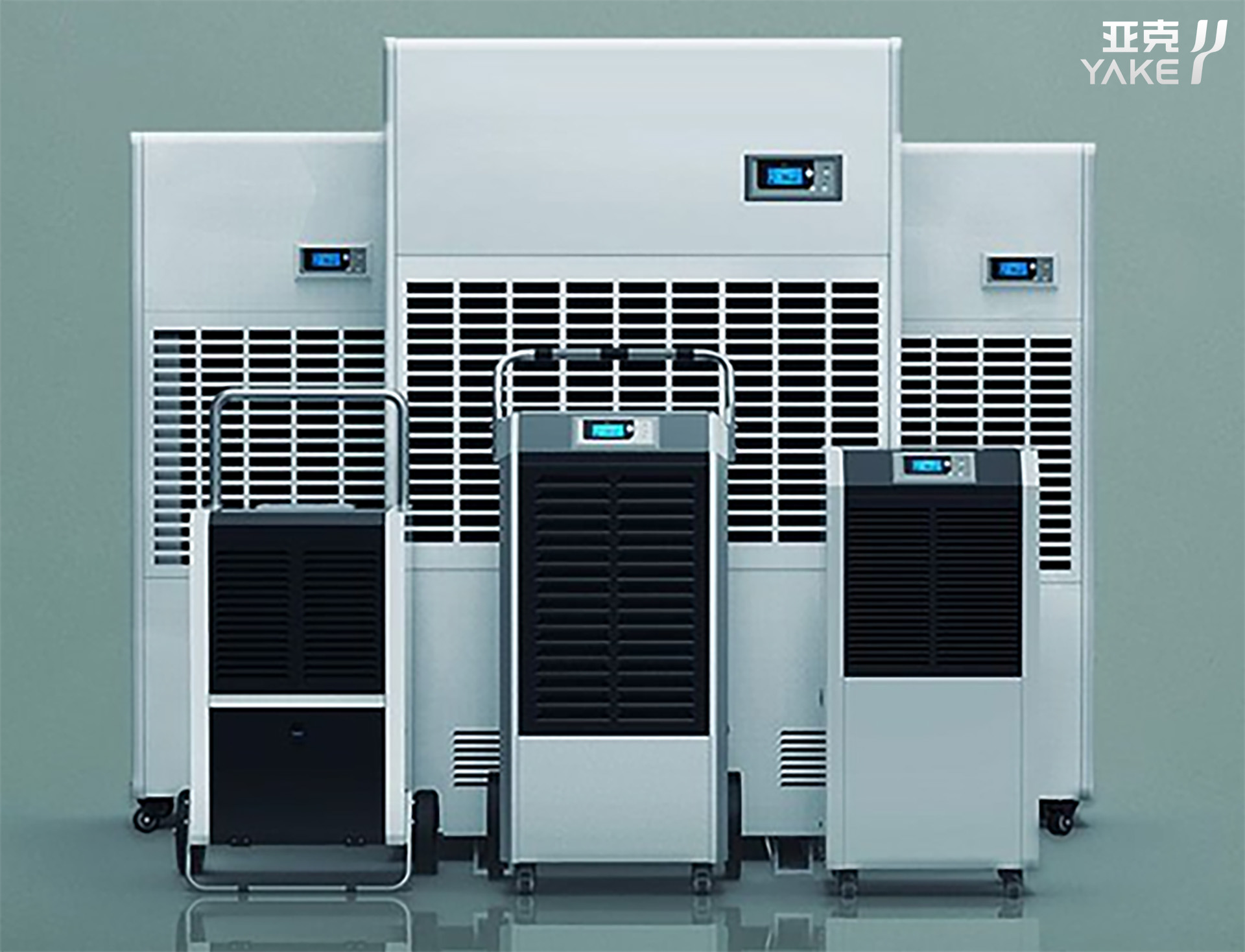
Contact us to find the best place to buy your Yakeclimate solution today!
Our experts have proven solutions to keep your humidity levels in check while keeping your energy costs low.