
Building 34, No. 535 Shunfeng Road, Hangzhou, Zhejiang, China
[email protected]
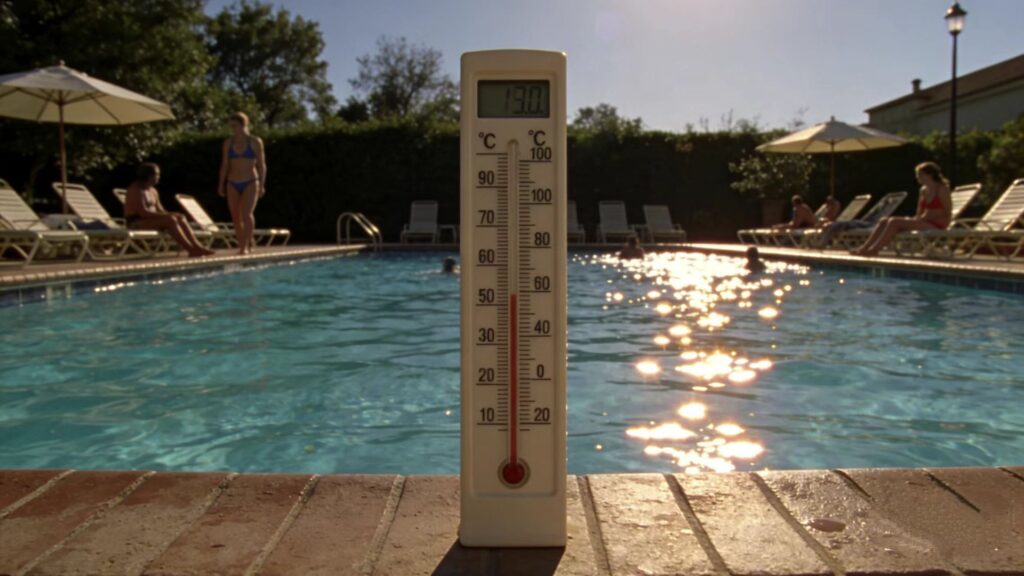

Optimal swimming pool water temperature. Nearly all commercial pools hover between a comfortable 26 and 28 degrees, which pleases the majority of swimmers while optimizing energy consumption. Warmer water can assist young children, seniors, and therapy patients. Colder pools fit fitness or lap swimming. Pool size, weather, and use all play a part. Later, the post demonstrates how to maintain and test the correct water temperature.

Ideal pool temperature depends on the purpose of use, the age and needs of swimmers, and the climate. Here’s the thing, for most, the optimal swimming range is 78°F to 82°F, which is roughly 25.5°C to 27.7°C. This maintains the water at a comfortable temperature for most. However, certain groups and activities require warmer or cooler temperatures. Comfort, safety, and personal preference all factor in when selecting the appropriate setting.
Recreational swimming is best near 82°F. It keeps the water invigorating and appealing, lending itself to pool parties or lazy dips with friends and family. A cozy environment makes us all want to linger. Anything under 77º is just too cold for most people, and you’d find it less enjoyable.
Season changes matter. Warmer settings are used in the winter, and cooler settings can be helpful in hot climates. Maintaining a consistent temperature somewhere in the 78 to 82 degrees Fahrenheit range strikes a balance between comfort and energy savings, ensuring your pool is enjoyable year-round.
Water fitness, including lap swimming or water aerobics, does better in cooler water, roughly 78° to 80°. This prevents swimmers from overheating and enables longer, more intense workouts. Aerobic exertions in cool water allow muscles to operate with high efficiency and reduce exhaustion.
Not all workouts are created equal. Hard-core laps might require cooler water and gentle water aerobics can thrive in slightly warmer pools. It’s all about comfort, for which swimmers can calibrate temperatures to their repertoires.
Therapy pools should be warmer, typically between 84º and 88ºF. Warm water soothes muscles, helps those with joint pain, and aids in recuperating injuries. Heated pools, used in many rehab centers, assist with both flexibility and pain relief.
Therapy pool temperature is a key consideration for those with chronic pain or arthritis. A consistent warm environment eliminates distress and motivates action. Warmer water is less likely to ‘shock’ the system, which makes it safer for folks with health needs.
Children require a bit warmer water, in the 82°F to 86°F range. Warm pools keep kids safe from cold shock and make swimming fun. Parents should always test the water and keep an eye out for indications that toddlers are too chilly or overheated.
Young swimmers lose heat more quickly than adults. Maintaining the temperature means the kids will love the pool and swim longer. Warm water develops confidence and skills.
Older adults enjoy warmer water, in the neighborhood of 85°F to 90°F. Warm pools relieve joint pain, facilitate movement, and reduce injury risks. Seniors sometimes swim for therapy or light exercise. Heaters and consistent monitoring keep the water safe.
Being warm assists seniors in moving more freely and feeling less pain. Too much heat, which can lead to fatigue or dehydration, requires monitoring.
So you see, there isn’t a universal perfect swimming pool water temperature. There are many forces molding your sweet spot, from the nature of your activity to the climate in which the pool rests. For the majority, 78°F to 82°F (25°C to 28°C) is comfortable, but babies, seniors, and those undergoing therapy typically require it to be warmer. Pool temperature is a mix of science, comfort, and safety. Knowing the key factors that impact your perfect temperature leads to a great swimming experience.
| Factor | Influence on Pool Temperature | Typical Range/Impact |
|---|---|---|
| Pool Use | Lap swimming: cooler; therapy: warmer | 77°F–88°F (25°C–31°C) |
| Climate | Warm climates: less heating; cold climates: more heat | Adjust by season, weather, humidity |
| Sun Exposure | Raises water temp; risk of overheating | Shading and covers help manage daily fluctuations |
| Personal Health | Medical needs, age, personal preference | Infants: 86°F–89°F (30°C–32°C); seniors: 84°F–86°F |
The location of a pool plays a lot into water temperature requirements. In warm climates, there’s less heat required and pools tend to maintain a consistent temperature. Cool or mild temperature environments lead to increased heating, particularly in the spring or autumn. Humidity and wind can contribute to heat loss from the pool surface, so monitoring weather patterns is wise. When it’s chilly outside or you live somewhere with huge temperature fluctuations, you’re adjusting your pool heaters or covers for comfort. Outdoor air temperature further alters the sensation of water. If it’s chilly out, a hot pool can feel cold, which is important for comfort, particularly for kids and the elderly.
Not every swimmer desires the same temperature. Lap swimmers and athletes perform optimally in cooler water, typically 77°F to 79°F (25°C to 26°C). This prevents overheating and maintains performance. Recreational swimmers and families tend to prefer 78°F to 82°F (25°C to 28°C). A packed public pool needs to balance activity with comfort. Therapy, infant, or senior pools require warmer water, occasionally as warm as 88°F (31°C). Service is important. Consistent maintenance keeps your temperature right on track, regardless of pool volume or planned use.
| Impact of Sun | Management Strategy |
|---|---|
| Raises temp | Use shade during peak hours |
| Overheating | Monitor and adjust with covers |
| Heat loss | Cover pool at night to retain warmth |
Direct sun can drive pool temps a little high, so water can feel hot in the afternoon. Shade, in the form of canopies or umbrellas, helps regulate this increase. Too much sun can dehydrate and chemically imbalance, so frequently check the temperature. At night or during cloudy periods, a pool cover maintains heat and conserves energy.
Certain health requirements demand specific pool temperatures. Babies, toddlers, and seniors usually require warmer water, ranging from 84°F to 89°F (29°C to 32°C), in order to remain safe and comfortable. Arthritis and injury rehabilitation patients might benefit from warmer pools. It’s wise to consult your physician if you have specialized medical needs prior to determining pool temperature. Personalized settings make the water fun for everyone, and staying hydrated makes swimming safe for everyone.
Water temperature in the pool does more than impact comfort. Tiny changes can alter pool systems, the safety of water, and even equipment lifespan. A quick plunge on a sweltering day sounds easy, but the physics of maintaining a pool at the ideal temperature is quite complex.
Long-term benefits of managing water temperatures for pool maintenance:
Chemical balance shifts quickly when water temperature fluctuates. Hotter water, over 30°C (86°F), causes chlorine to deteriorate faster and gives bacteria and algae a better chance of growing. Cold water under 25°C (77°F) decelerates chemical processes, rendering it more difficult for sanitizers to work. Maintaining temperatures in the 78–84°F (26–29°C) range minimizes these problems and keeps water clean.
Chlorine is the chief sentinel against bacteria. If the water warms up, you require even higher levels of chlorine to maintain safety. Cold water can diminish chlorine’s efficiency and cause cramps among swimmers. Testing is key, especially if the weather is variable or you heat the pool.
With balanced chemicals, there’s less risk for skin and eye irritation. It keeps water fresh looking and smelling, so swimmers stay in longer.
Pool equipment thrives on consistent, moderate temperatures. Flash hot and cold spells can put stress on pumps and heaters. When water falls below 75°F (24°C) or rises above 90°F (32°C), heaters and pumps must overcompensate. This can wear them out prematurely, causing expensive repairs or replacements.
Water temperature and its unseen consequences. Energy-smart pumps and heaters help manage these fluctuations more effectively, and they save a bundle on power bills. Putting money into quality gear ends up saving money in the end, too, standing up better to abuse and requiring less maintenance.
Algae thrive in warm, stagnant water. When pool temperatures go above 30°C (86°F), algae and bacteria start growing rapidly, making the clear water green and murky. That’s why consistent scrubbing and chemical dosing is crucial, particularly during heat waves.
Maintaining the water temperature at an optimal level impedes algae growth, simplifying pool maintenance. It maintains chemical use, which is better for swimmers and economical. Keep an eye on temperatures in hot weather. A degree or two can do a whole lot to algae growth.
Pool water temperature defines the entire swimming experience. It determines comfort and is a significant factor in safety, muscle function, and performance. Swimmers of any age or background should be aware of how their bodies respond to cold or warm water, as these reactions play a significant role in health and enjoyment.
Cold water is hard, particularly anything below 25C. It can shock the body. This shock response could induce gasping, rapid breathing, and increased heart rate. These types of impacts can be dangerous, particularly for toddlers or people with health conditions. Hypothermia is a genuine danger when you’re swimming in cold water for extended periods. Even a brief plunge into cold water can leave muscles tight and sluggish. Endurance plummets as your body works hard to keep warm, which means it’s hard to swim long or at a steady pace.
Muscle cramps occur more frequently in cold water, thereby restricting swimmers’ mobility. Range of motion decreases and response time is delayed. This can eat into both security and swimming times. Swimmers must ‘toughen’ up to the cold with brief, repeated exposure. This method, known as incremental conditioning, allows the body to adapt and reduces the potential for shock or harm.
Wetsuits and swim caps trap body heat and mitigate the effect of cold water. These are essential for any triathlete, open water swimmer, or competitor who is racing in colder pools or even those who just want to get in a chill morning swim without suffering. By keeping swim time short, say 15 to 30 minutes for infants, you avoid any sort of sudden exposure and keep any risk in check.
There are a few advantages to warm water. It causes muscles and joints to loosen, reducing the risk of injury. It is easier to be flexible and stretch as a swimmer. This is why warm pools are prescribed for hydrotherapy, arthritis, and rehabilitation.
Swimming in warm water is more comfortable and makes it easier for many people to enjoy their time in the pool. For the stressed swimmer, warm water comforts the body and soul. Breathing is more manageable, and muscle fatigue is slower to hit. Warm water improves blood circulation, which is crucial for healing and recovery.
Therapeutic pools tend to keep the water warmer than competition pools because they are better suited for gentle exercise or rehab. Warm water is generally safest for babies, the elderly, or those with particular health considerations. Warm pools can reduce the drain of long swim sessions and assist the body to relax and recover after hard workouts.
Best pool water temperature isn’t only comfortable, it’s responsible. Most pools are best enjoyed at 78 to 82 degrees Fahrenheit (26 to 28 degrees Celsius). Getting there and staying there involves monitoring water and room temperature, relative humidity, and outdoor air. Small steps, such as combining covers and efficient heaters, work wonders. Consider the following sustainable practices for maintaining pool temperatures:
A pool cover retains heat, so water temperature doesn’t sink significantly during down times. Less energy is required to bring the water back to swimming temperature.
Covers can cut heating bills by preventing as much as 70 percent of heat loss by evaporation. This tiny action saves cash and prevents water from chilling too much overnight.
Investing in a rugged, durable cover is worthwhile. Good covers provide superior insulation and longevity, which makes them a smart investment.
With energy efficient pool heaters, you use less energy heating water to the perfect temperature. Contemporary alternatives such as heat pumps or solar heaters consume less energy and remain efficient.
Heating technology has come a long way. These systems maintain a constant temperature of your choosing, so your pool is always prime.
Regular checkups prevent minor heater issues from turning into major, expensive ones. Cleaning filters and checking heat exchangers keep things running smoothly.
Discover your options. There is no silver bullet. Consider pool size, climate, and frequency of swimming prior to selecting a system.
Smart pool tech lets you set timers, adjust temperatures, and check stats from your phone or a wall panel. No more wondering. Just set it and forget it.
Remote monitoring allows you to view or adjust pool settings remotely. If the weather changes, you can react quickly, conserve energy, and maintain swimmer comfort.
Sensors monitor the water and air and automatically tweak the system. This stabilizes things and reduces waste.
With the right tech, you add convenience, increased energy savings and peace of mind to a well-maintained pool.
Perfect pool temperature is more than what you see on the dial. Your Celsius degrees aside, beyond the thermometer: the feel factor. Every swimmer has different requirements and sensations. For instance, individuals with muscle concerns generally prefer warmer pools, as 31 to 33 degrees Celsius (88 to 92 degrees Fahrenheit), whereas those with heart ailments tend to feel better in cooler water. Lap swimmers typically enjoy 24 to 27 degrees Celsius (75 to 80 degrees Fahrenheit), but a light exerciser or lounger would prefer something around 27 to 32 degrees Celsius (80 to 90 degrees Fahrenheit). Kids and seniors, however, relish pools maintained at 28 to 29 degrees Celsius (82 to 84 degrees Fahrenheit). Even among these cohorts, comfort ebbs and flows with age, health, and experience.
Humidity and wind determine how water feels. Pools in a humid room may feel warmer since less water evaporates from the skin. Wind or strong air movement can make the same water feel much colder as it accelerates heat loss from the body. For outdoor swimmers, a breeze on wet skin will lower the feels-like temperature quickly, sometimes by multiple degrees. That’s why a 26°C (79°F) pool might feel just right on a calm day but a little nippy when it gets windy. Mindful of these factors, swimming remains enjoyable, particularly if you’re swimming every day or in a different climate.
The body’s response itself provides good hints about what feels right. One easy way is to touch the water with your elbow; it’s more sensitive than your hand. If the water’s a little brisk initially but heats up after a few seconds, it’s probably right in the sweet spot for swimming. Some like to enter slowly, allowing their body to acclimate, while others like to splash water on their skin to soften the blow. Over time, most people get used to their comfort temperature, and habitual swimmers can tolerate a broader spectrum.
Environmental variables — time of day, for example — impact it. Morning swims are best with pools maintained at 27-28° C (80-82°F), and afternoon ones feel better in slightly cooler water, 25-26° C (77-79°F). Evening swimmers may prefer something in between, at 26-27°C (78-80°F). Not just activity, but activity type — a competitive swim requires cooler water to keep from getting overheated, whereas a languid soak demands warmth.
If you want to maintain a pool at the optimal temperature, apply the relevant information and advice to your situation. Warm pools are nice for some people, and cooler water is fine for others. Body comfort, age, and pool usage style are big factors. Most swimmers say that 26 to 28 degrees Celsius suits most purposes. Do your best to use covers and smart heaters to conserve power and reduce expenses. See what feels best in the water. Little modifications can really go a long way. Pools are a lot of work, but the perfect warmth in the water makes every swim more secure and enjoyable. For additional information or assistance with caring for your pool air and water, contact a pool pro or reference trusted guides. Your perfect swim feels like the water.
A good temperature for most swimmers is between 26°C and 28°C. It’s just right for swimming, not too hot or too cold.
Yes. Young children and seniors tend to favor warmer water, closer to 28°C to 30°C, for comfort and security.
Cooler water, about 25°C to 27°C, can enhance performance in vigorous swimming. Warmer water can tire you out quicker.
Right temperature kills muscle cramps, shock and other health hazards. It facilitates leisurely and safe swimming, too.
Yes. Add solar covers, panels, or energy-efficient heat pumps to warm your pool in an eco-friendly way while saving energy.
Grab a digital or floating pool thermometer. Set it aside from sunlight and the water jet for precision.
Yes. Humidity, wind and personal preference can alter the water’s feel, even at the optimal temperature. Always err on the side of comfort.


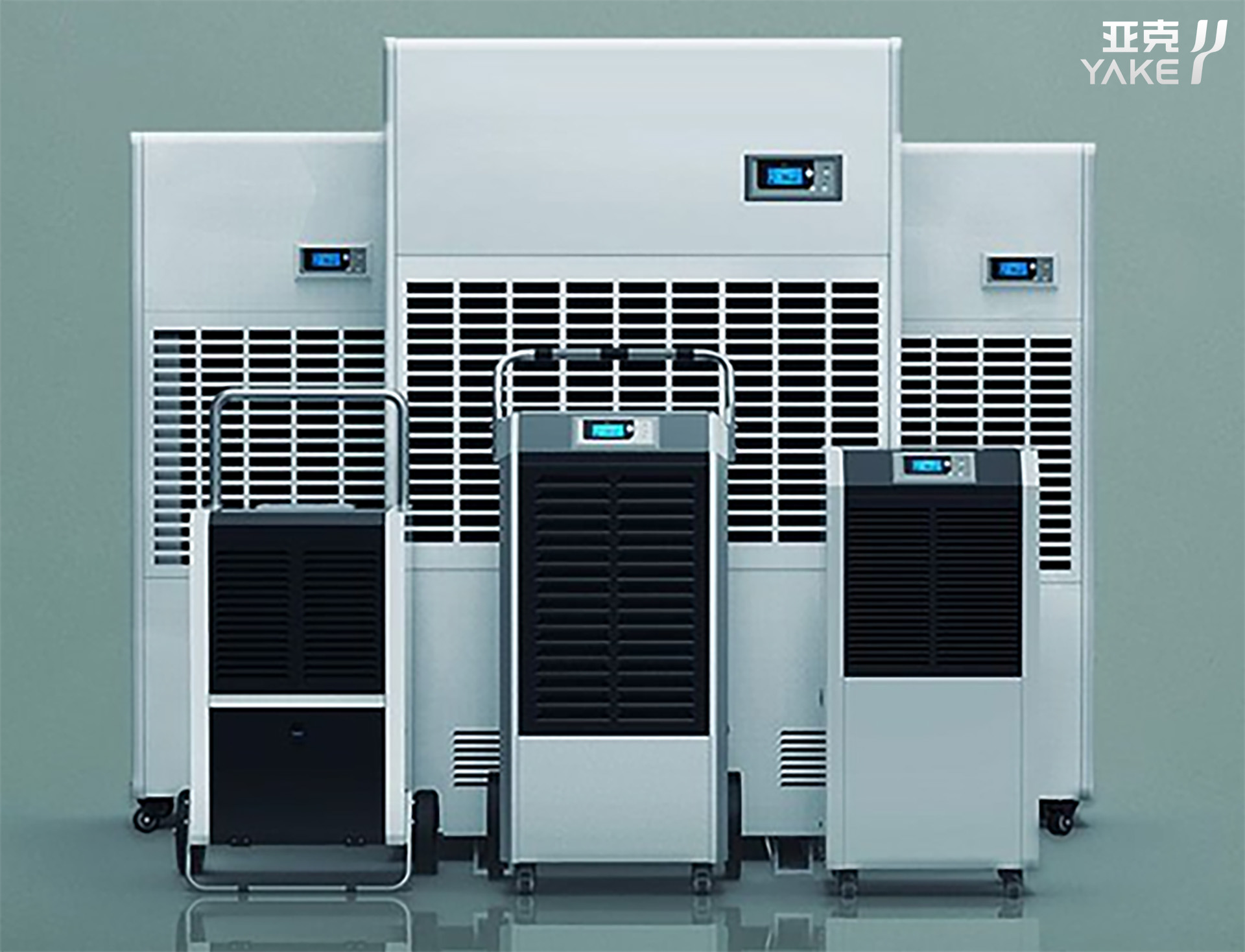
Contact us to find the best place to buy your Yakeclimate solution today!
Our experts have proven solutions to keep your humidity levels in check while keeping your energy costs low.