
Building 34, No. 535 Shunfeng Road, Hangzhou, Zhejiang, China
[email protected]


Increasing energy efficiency in indoor farming is a tangible method to reduce expenses, increase yield, and decrease environmental impacts. By targeting the systems that consume the greatest amount of energy—such as lighting, heating and cooling, and water—facilities managers can discover actual savings. Here are core strategies and concrete tactics for each.
Smart lighting begins with LEDs, which conserve energy and outshine those ancient bulbs. LEDs allow growers to switch color spectrums, applying more blue for seedlings and more red for flowering. This helps increase plant vigor and reduces energy consumption. Through timers and sensors, the lights operate only when crops require them, not throughout the entire day.
Software control of light output prevents wasted energy. In vertical farms, tuning light specifically for each crop layer reduces expenses. Smart controls can communicate with other systems, such as HVAC, for optimized energy efficiency.
Nice temperature control is key. HVAC systems, combined with management software, ensure air circulates properly and remains purified. Thick insulation locks heat in and cuts heating bills. By monitoring humidity, farms can operate dehumidifiers only when necessary. Systems such as Yakeclimate’s, which adjust temps based on crop needs, never waste power.
Building energy codes are standards for less waste. Benchmarking policies allow owners to compare and enhance. Buildings can cut 40% power a day by tuning systems. Coupling these with city structures, such as abandoned warehouses, can yield even greater returns.
Automated irrigation and feeding systems save more than water–they reduce energy consumption and labor. Sensors in the root zone monitor light, moisture, and air, allowing machines to respond promptly. Robotics assist in planting and picking, rendering the work consistent and less exhausting. When workflows are seamless, hand-work diminishes, as does the electric bill.
Drip lines and misting systems provide plants exactly the amount of water they require, no more. Rainwater tanks reduce municipal water consumption. Checking water use weekly means issues pop up early. This in turn keeps farms lean and green.
Accurate climate control is the foundation of sustainable indoor agriculture. Trustworthy climate control systems hold your crops in their sweet spot—consistent temperatures, constant humidity, and strong airflow—regardless of the season outdoors. For the U.S., that involves climate control—not only is it crucial to plant health, but lighting, heating, and cooling consume nearly 80% of a vertical farm’s electricity annually. Strong systems allow growers to align climate control with off-peak utility rates, capitalize on climate automation, and even take advantage of darkness when electricity prices soar—all without damaging plant development. By fine-tuning these controls, U.S. Farmers can conserve water—up to 50% more efficiently than open systems—increase their yields, and reduce farmland consumption by as much as 90% compared to outdoor fields.
This saves on energy bills and enables plants to use water more efficiently. Smart scheduling, such as running dehumidifiers when electricity is cheapest, brings down costs. Active monitoring means growers can respond immediately to moisture spikes, nipping issues before they get large.
Heat recovery systems trap waste heat from lights and other equipment, then repurpose it to heat root zones or incoming air. This recycles heat that would otherwise be lost, trimming bills and increasing efficiency. Thermal curtains, when added, retain heat on cold nights and shade during the day to protect against temperature swings.
Geothermal heat, while a larger initial undertaking, accesses consistent earth heat beneath the farm. This can ground energy consumption, particularly in locations that have large temperature fluctuations. Periodic heater and thermostat checks prevent waste and maintain systems at their peak.
Constant, light air circulation maintains an even temperature and prevents hot or cold areas from developing. Putting fans high and low circulates air throughout the entire space without driving energy consumption. This ensures CO2 reaches all plants, which is crucial for growth because indoor farms aim for 1000-2000 ppm—above typical greenhouses.
Smart ventilation brings fresh air in without releasing excessive heat or cooled air. Observing CO2 allows growers to fine-tune airflow, so plants receive adequate air while energy use remains minimal. Little adjustments like these can add up to serious savings over the course of a year.
Real-time monitoring systems deploy sensors to monitor temperature, humidity, and CO2 levels.
Immediate adjustments keep climate tight and energy waste low.
This rapid response cycle sustains increased yields and consistent, premium crops.
Making indoor farming’s energy more efficient depends on transitioning to renewables, reducing costs, and stabilizing operations. Modern indoor farms consume more automation and energy than ever — from glass greenhouses to vertical buildings without sunlight. The right renewables, right planning – more control, less bills, less stress on the planet.
Solar panels reduce utility expenses and deliver clean, consistent energy for fans, pumps, lighting and control systems. Farms can utilize solar to heat water and power LED grow lights, which is so important for sunless vertical systems. With the addition of battery storage, farms can store surplus energy on sunny days and utilize it when solar irradiance is low — such as short winter days or inclement weather.
Solar output fluctuates with weather and season, so monitoring production is essential. Real-time monitoring of solar generation helps facility managers identify trends, repair problems, and schedule loads. This is a smart way to sustain performance and not waste effort. Pairing solar with batteries can keep operations steady throughout the year, even when sunlight is low or prices soar.
Geothermal heating and cooling takes advantage of consistent below-ground temperatures, which can be a huge bill-savings bonus in places with extreme temperature swings. They have ground-source heat pumps to transfer heat into or out of the farm, maintaining a stable climate for plants. The upfront cost pays off by dramatically reducing heating and cooling requirements over the standard HVAC.
Planning a geothermal setup requires careful site inspections and technical advice, as soil composition, aquifers, and room influence system capacity and performance. Partnering with these geothermal pros helped make sure the system aligned with the farm’s needs and maximized savings.
Biogas from organic waste injects yet another green fuel for indoor farms. Crop and food waste gets digested in anaerobic digesters, producing methane-rich gas that can be used to run generators or heat systems. This reduces waste and minimizes the carbon footprint.
Staff training counts as well. Knowing how to run and take care of biogas units keeps farms secure, optimizes their yield, and keeps them sustainable. Biogas is most effective for large farms with consistent waste streams and room for digester units.
Wind turbines can aid farms in blustery locales, providing consistent backup to solar panels. They flourish where the wind blows strong most of the year. Pairing wind and solar can fill in the gaps, keeping the farm humming even when the sun isn’t shining.
System checks and local rules count as well—turbines require space, appropriate permits and not invading neighbors. Wind is great in a larger portfolio, not a silver bullet.
Energy efficiency is at the heart of contemporary indoor farming, in which utility bills tend to rank second only to labor as the biggest expense. Smart design doesn’t just reduce these expenses, it defines facility efficiency and productivity. Smart facility planning, material choices and integrated systems are at the heart of both short- and long-term gains in the U.S.
Smart design can put an end to energy waste before it’s begun. Designing grow spaces to minimize heat loss or gain translates into less work for heating and cooling systems.
Daylighting controls, by optimizing daylight use through placing crops near windows and dialing back electric lighting. Zoning—establishing microclimates tailored to individual crop requirements—allows cultivators to operate lights, HVAC, and dehumidifiers exclusively where it’s necessary. Modular, expandable layouts help keep energy consumption in check as farms scale.
Good insulation is a no-brainer energy saver for greenhouses and grow rooms. Spray foam, insulated metal panels and high-performance glass keep heating and cooling loads low.
Sustainable materials with lower embedded energy—such as recycled steel or plant-based insulation—reduce the environmental footprint. Selecting materials with extended lifecycles and minimal upkeep requirements reduces overall energy consumption in the long run. If you use reflective interior surfaces, like white poly sheeting, it will bounce natural light deeper into your grow zones, mitigating the need for supplemental lamps.
There’s a payoff in energy savings from bringing lighting, HVAC, irrigation, and dehumidification under one control system. Smart tech such as sensors and energy management software can optimize settings in real-time.
Centralized control can prevent wasteful overlaps, such as heating and cooling operating simultaneously. Looking back at system data from similar sites helps identify where adjustments can boost effectiveness. Model calibration (using real facility energy use data) indicates precisely where to focus upgrades.
Temperature and humidity setpoints fuel a lot of the energy in plant factories.
Daylight controls and thoughtful temperature settings work well in all US climates.
Net-zero energy can be but isn’t always cheap–balance is the trick.
Data-driven vertical farms are revolutionizing indoor food cultivation, providing a sustainable and scalable method to enhance local food resilience. Combining analytics with sensors tech and intelligent controls, they reduce waste and minimize their environmental impact. New models track key factors, including energy and water use — with data spanning the full year, it’s simple to identify where to save more. The method doesn’t just make food faster — vertical farms can produce 10–20 times as many crops per square foot as conventional fields — but maintains energy consumption and expenses within reasonable bounds.
Sensors are everywhere — on racks, ceilings, root zones and even HVAC pipes. They monitor temperature, humidity, CO₂ and every watt consumed. IoT platforms connect these sensors so live metrics appear on dashboards, allowing farmers to catch spikes or anomalous readings quickly.
A good sensor suite helps detect leaks, malfunctioning light fixtures, or airflow problems. Say, for instance, a humidity sensor indicates climbing levels — the dehumidifier can immediately engage, preserving both crops and energy. Frequent updates keep these sensor networks keen, with fresh firmware or hardware fixes to prevent delays or mistakes.
Predictive analytics tools, which learn from previous crop cycles to estimate how much energy the farm will require the next week or month. These models improve with more data—particularly when tuned to a year’s worth of electricity and gas readings. As teams use this data to strategize energy purchases, adjust lights schedules, and move workloads to off-peak hours.
Data scientists work alongside growers to tune these models. They could tweak watering or airflow based on predictions–aiding aeroponic farms, for example, to consume as low as 20 liters of water, far less than soil farms. In locations like Singapore, these assist to strike food goals, like rising 30% of local demand by 2030.
| Year | Electricity Use (MWh) | Gas Use (Therms) | Inefficiencies Found | Actions Taken |
|---|---|---|---|---|
| 2021 | 1,200 | 9,100 | 5 | Upgraded LEDs |
| 2022 | 1,010 | 7,000 | 3 | Insulated pipes |
| 2023 | 890 | 4,725 | 2 | Timed ventilation |
Energy audits identify waste, such as leaky ducts or outdated light fixtures. Out of these, teams established specific objectives, perhaps a 10% decrease in electricity consumption. Then staff jump in, reporting strange readouts or obstructed vents, fostering a culture that appreciates each rescued watt.
Energy efficiency in indoor farming isn’t only about technology, but about the people operating the systems day-to-day. It’s human behavior, decisions and collaboration that define the destiny of efficacious energy saving solutions. Hard work, established habits, and constant effort to get better can go a long way toward feeding the masses and convincing people to pay to do it. With a combination of full-time and seasonal staff, keeping them all on the same page about energy goals is essential.
Training staff to be energy-efficient is the backbone of every successful indoor farm. A decent program is more than a single lesson. It must plan on implementing new tools, including high-efficiency LED lighting, smart thermostats, or Yakeclimate’s dehumidifiers, ensuring staff understand how and why each tool impacts energy consumption and food safety. Here in the states, where food recalls from bacterial outbreaks make the news every other day, getting everyone trained on basics—even simple stuff like hand washing before harvest, practiced by only 22% of greenhouses—helps keep crops safe and waste low. Sharing information about how energy consumption impacts the environment as well as the bottom line gets buy-in from all employees, particularly when staff are empowered to identify areas where waste can be reduced. These courses require regular refreshes when new products, policies, and best practices are released, so crews can stay on pace with whirling industry upheaval and warming temps that endanger conventional farm output.
A demented, ingenious checklist makes daily work possible. Farms require habits that drive energy conserving activities, such as turning off unnecessary lights or adjusting dehumidifiers. Documented workflows allow new and veteran employees to jump in and take the same actions. These checklists prevent energy waste before it begins and ensure no one overlooks safety fundamentals. Protocols require periodic reviews, as tech and crop requirements shift. Employee input is crucial here–it’s the employees on the front lines who notice gaps or discover an improved method. When workers help shape these rules, they adhere to them.
A culture of constant improvement has teams seeking ways to conserve even more energy. Farms can monitor their energy consumption, establish goals, and discuss what’s effective and what’s not. Reporting wins—such as reducing energy consumption to 6.42 kWh per kilogram of lettuce—fosters a sense of pride and helps maintain the motivation within their teams. At the same time, addressing challenges publicly accelerates innovation. Teams who stay on top of fresh research and industry news are prepared to experiment with superior solutions, such as more efficient dehumidifiers or innovative growing techniques, before issues become severe.
To extract maximum value from indoor farms, people count on intelligent climate control, robust data, and equipment that conserves energy. Minor innovations — like dialing in HVAC or LED lights — demonstrate actual reductions in energy bills. Farms that integrate solar or wind can reduce grid consumption and increase uptime. Good design even assists—compact spaces, intelligent configurations, and fast adjustments maintain ventilation strong and plants robust. Real growers in the States demonstrate that these shifts are worth it. Smart people employ sensors, monitor their metrics, and rely on equipment that operates consistently. Yakeclimate assists with dehumidifiers that are perfectly sized. Want to view additional? See what fits your farm, chat with industry pros, and benchmark your farm.


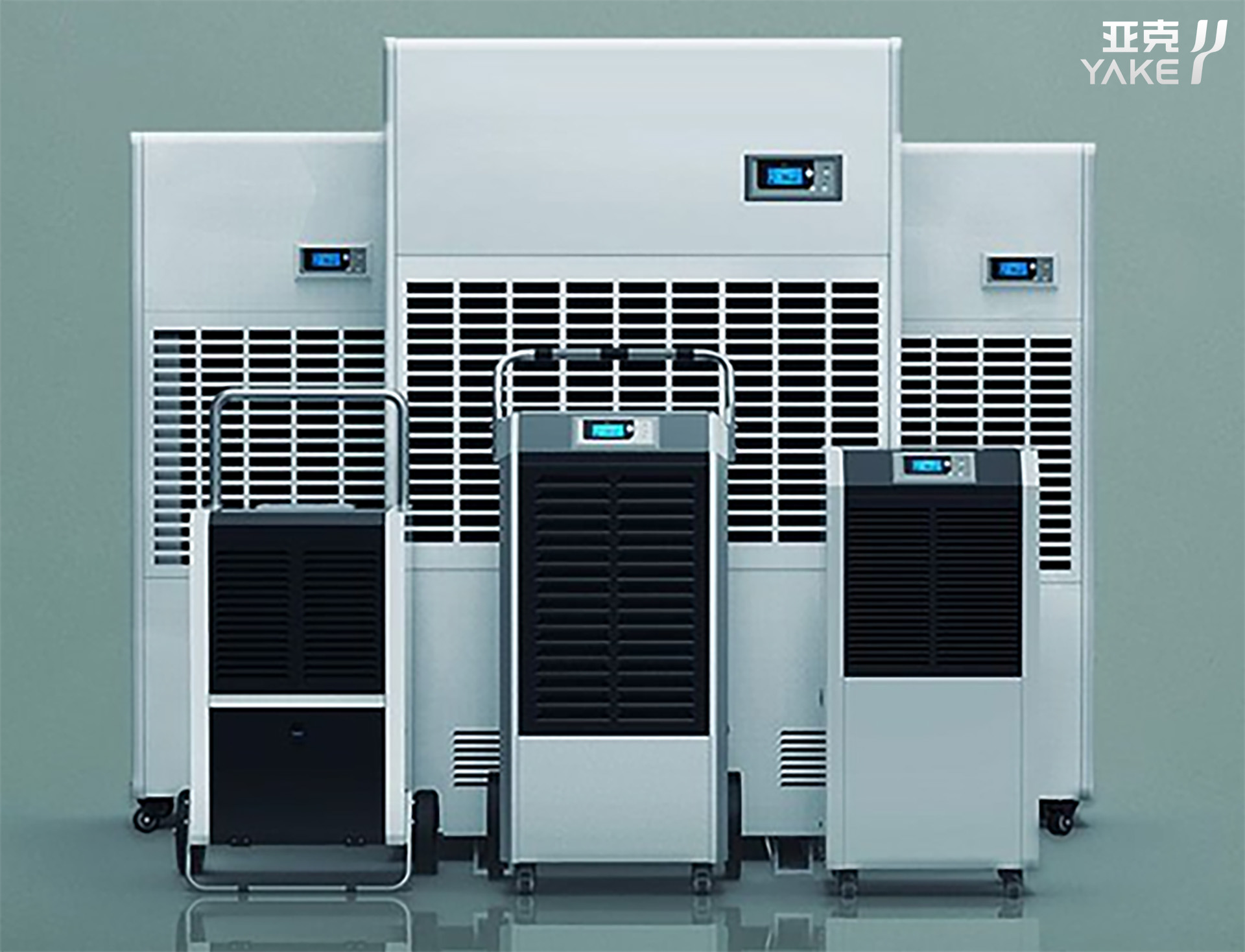
Contact us to find the best place to buy your Yakeclimate solution today!
Our experts have proven solutions to keep your humidity levels in check while keeping your energy costs low.