
Building 34, No. 535 Shunfeng Road, Hangzhou, Zhejiang, China
[email protected]
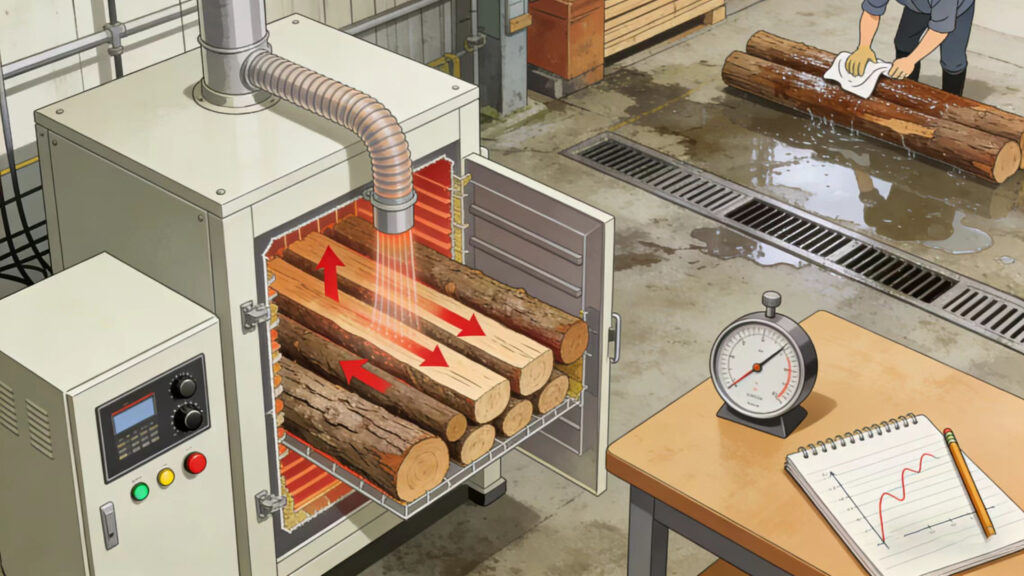

Water damage log drying refers to the process of drying out logs by applying controlled heat and airflow after they’ve been exposed to water. In commercial environments, moist logs contribute to mold, decay and compromise structural integrity, which means that rapid drying is essential for security and merchandise worth. Plant managers and engineers require constant humidity and temperature control to prevent defects and satisfy quality regulations. Yakeclimate’s dehumidifiers efficiently control drying rooms with high moisture extraction and low energy consumption, reducing expenses and minimizing downtime. Logs dried the right way retain their form and remain suitable for use in furniture, flooring and construction. The sections that follow demonstrate how to select, install and operate log drying systems for optimal performance in high-volume plants.

A water damage drying log is essential to industrial water damage response. It traces the drying work performed on affected logs or framing materials, which demonstrates moisture reductions over time. This documentation assists in seeing if drying techniques are effective, maintains transparency throughout the process, and supports insurance or regulatory requirements. Logs ensure that every element of the process is quantified, verified, and can be recalled later. For plant managers or engineers, this tool enhances both process control and accountability.
It’s the drying log’s primary responsibility to monitor how drying progresses and confirm that equipment functions as expected. It provides an up-to-the-minute snapshot of advancement and detects problems at an early stage. This log can be crucial for insurance claims, demonstrating what was done and when represented by the drying log. It lets teams track patterns such as decreasing or increasing moisture and strategize the next steps. Logs serve as a record for future reviews or inspections.
A complete drying log will include the date, time, and moisture measurements recorded at each inspection. It should record what equipment is utilized along with information about its performance. Teams contribute room temperature, relative humidity, and any quirky changes they notice. Certain logs allow you to take pictures or add notes to demonstrate what is going on. New technology, like these Bluetooth hygrometers, can even push readings directly to a digital log.
First step: set up the log before drying starts. Each 24 hours or sooner, log moisture levels from strategic locations. Log any equipment modifications such as increasing fan speed or adjusting dehumidifier settings. Teams should maintain logs that are current and always in the same format. This creates a transparent, trustworthy record for auditing.
Drying logs prevent mold and preserve structural integrity. They provide restoration pros evidence for insurance and allow them to make smarter decisions as drying progresses. Most industry standards require this type of tracking. Nice logs can prevent bickering about hours worked or equipment utilization as well.
Logs work perfectly in conjunction with photos, inspection notes and transparent reporting. Save notes where the whole gang can access them. Cloud storage is a time-saver. Digital logs reduce mistakes and simplify sharing. Clean, detailed logs support claims and keep restoration on target.
Water damage evaluation in logs is an essential initial step for any industrial drying operation. The first priority is to identify the water source, record everything, and turn off the water if leaking. This initial inspection prepares the foundation for secure access, backs up insurance claims, and frames the drying strategy. A thorough examination of the location aids in detecting potential hazards, such as mold, unstable structures, or chemical leaks. Measuring moisture, defining the category of water damage (clean, grey, or black water), and determining the exposure duration of the logs are components of this. Remote monitoring tools can assist in tracking these points by saving time and reducing site visits.
Wood species play a huge role in how water migrates and evaporates. Certain woods, such as pine, absorb water rapidly and evaporate it quickly. Others, such as oak, retain water longer, so they air-dry much slower. Harder, denser woods resist water but require more time to dry and if forced, will develop stress cracks or warping. Subjecting all to the same drying scheme invites quality loss or waste. It’s essential to record the wood species in the drying log. This allows teams to select optimum configurations for every batch, minimizing errors.
Saturation level refers to how soaked the log is. It’s a very good indicator of how severe the water damage is and what it’s going to take to repair it. Plant teams can verify this with a moisture meter, jab it into the wood, read the display, and record the figure. High saturation equals longer drying times and possibly more checks. Low readings indicate minimal risk of rot or mold. Workers need to monitor and record these figures frequently, allowing them to adjust the drying schedule accordingly. This keeps it sanitary and prevents additional water from spreading.
Water-damaged logs can absorb mold, bacteria, or even sewage, particularly if the water is Category 2 or 3. Mold requires special attention. Crews might have to apply air scrubbers or biocides prior to drying. Sewage-logged materials are typically not salvageable, and therefore, removal is ideal. Being aware of contamination type upfront enables teams to select appropriate remediation tools and procedures, reducing health hazards and cleanup time. Everything discovered should be included in the drying log for transparency and future reference.
Industrial water damage log drying is all about moisture control. Selecting the proper drying approach is essential to achieve pre-loss moisture content, typically under 15% for wood. These are air-drying, kiln-drying, and dehumidification. Each has its individual advantages and disadvantages and all require close attention to prevent secondary damage such as mold or loss of structural integrity. You will need to record the methods and parameters you select in the drying log for process tracking and possible future audits.
| Method | Pros | Cons |
|---|---|---|
| Air-Drying | Low cost, energy-saving, minimal equipment | Slow, climate-dependent, risk of uneven drying |
| Kiln-Drying | Fast, controlled, good for integrity preservation | High energy use, costly, needs skilled oversight |
| Dehumidification | Precise, efficient, works in any climate | Equipment cost, needs close monitoring |
Air-drying relies on air movement and environmental factors to dissipate moisture. The primary attraction is low operating cost and very little dependence on machinery. It is easy, but super inconsistent; your mileage will vary based on environment.
Hot, dry weather is best for drying. Soggy weather can spoil the process. Wind and airflow patterns should be observed and logged. Without this, outcomes might be hit-or-miss and certain sections may stay wet, increasing mold threat.
Kiln-drying applies carefully monitored heat and airflow to expedite this process and drive water out of the logs. It’s quick and can reliably get wood under 15%, the sweet spot for milling and structural use. It’s a great way to kill bugs and preserve log quality, particularly if you’re working on a commercial scale.
The drying is very energy-intensive, so it’s expensive. Technicians must monitor temperature and humidity carefully to prevent overdrying or cracking. Documenting every setting, including heat levels, cycle length, and humidity targets, in the drying log is critical for repeatable results and compliance.
Dehumidifiers draw moisture from air and surfaces by cooling it and condensing water vapor. This is effective in any place and you can control the humidity exactly. Refrigerant dehumidifiers are a staple of restoration; they are able to drop relative humidity below 60%, halting mold growth. Correct positioning is essential. Machines should be positioned to prevent dead air zones.
Size and type do matter. If it is too small, it will dry too slowly. If it is too big, energy flies out the window. Technicians should record device settings, run times, and moisture readings with meters, all in the drying log.
Industrial drying post-water damage requires more than powerful machinery. It requires continual auditing and actual measuring. Daily monitoring involves measuring the current moisture in the air and the materials. The goal is to get wood and drywall under 15 percent, which is the industry standard for “dry.” Rapid air circulation across damp surfaces is essential. This accelerates drying and ensures moisture doesn’t lurk inside materials. If the surface moisture remains below 0.75 water activity, mold risk remains low even if the core is still wet. Daily checks and detailed logs aren’t a choice. They demonstrate you did the job properly and help you comply.
Moisture meters are the bread and butter of techs. These meters indicate moisture content, from the surface to the core. There are two main types: pin-type, which measure electrical resistance through the material, and pinless, which rely on electromagnetic signals for non-invasive readings. Both come in handy. Pin meters are perfect for wood and drywall, while pinless models are ideal for fragile finishes or general inspections. You should take readings at multiple locations, not just one location. This prevents overlooking concealed damp spots. Technicians need to record these readings into a drying log. This log is evidence that drying is progressing and assists in identifying slow-drying areas before they become an issue.
Heat sweats water out of things. Warm air can contain more water than cold, so the warmer it is, the faster things dry up. Too much heat can ruin finishes or warp certain materials, particularly in delicate manufacturing contexts. The sweet spot is typically between 21°C and 32°C depending on the substance. Industrial dehumidifiers and heaters work in tandem to maintain air in this range. Daily inspections with thermometers or smart sensors give teams a heads up if modifications are required. Every temperature reading belongs in the drying log along with any equipment tweaks. This assists in following trends and defending decisions to management or regulators.
Humidity is where it’s at in drying strategy. High relative humidity in the air slows evaporation, hanging moisture in the materials. Reducing room humidity with dehumidifiers extracts moisture from the air and the structure. Hygrometers gauge this, and daily observations must be recorded. If humidity creeps above your target, it can indicate a leak or equipment malfunction. Keeping the air under 60% relative humidity accelerates drying and helps prevent secondary problems like corrosion or mold. With the help of psychrometric charts, technicians pair the equipment to the climate and material needs to produce fast, efficient, and safe drying results.
Water damage is more than meets the eye. Unseen hazards can lurk around and create huge problems for industrial locations. If not managed properly, these hazards can result in expensive fixes, unsafe environments, and occupational illness. The table below shows potential dangers, their effects, and why you should always log them:
| Danger | Implications | Documentation Prompt |
|---|---|---|
| Mold Growth | Health risks, property damage | Record findings and actions |
| Structural Decay | Weakens materials, long-term costs | Note any signs of decay |
| Pest Infestation | Further damage, contamination | Track sightings and responses |
Speed is everything. Even a tiny leak can ignite a chain reaction. Ignoring these dangers quickly can be a perilous indoor cycling. Don’t forget to record anything you observe in the drying log—specifics are crucial for safety and protocol.
Mold will grow rapidly in these wet areas. All it requires is some residual moisture in logs or construction materials. Mold and mildew typically begin within 24 to 48 hours of water exposure. This can be difficult to detect initially, but the spores disseminate rapidly and can harm surfaces and machines.
Mold is more than a property concern. It can lead to actual health issues, such as allergies and respiratory distress. It’s a big deal if you’re working in enclosed areas. High humidity, warm air, and slow air flow accelerate mold growth.
If you see mold, get on it immediately. Spruce it up, patch leaks and run dehumidifiers to keep moisture down. All findings or clean-up steps should be documented for later reference. This aids in pattern tracking and demonstrating compliance.
If logs or structural members remain wet, they will begin to rot. As a result, this gradually corrodes beams and floors and other supports. In factories, this can translate into shutdowns and costly rebuilds. Rapid drying is the solution to arrest decay.
Dry, check for soft spots, warping, or smell during drying. Be certain to record any red flags. Periodic inspections as you dry trap issues before they transform into costly fixes or safety concerns.
Moist timber and walls attract termites. Termites, ants, and rodents like damp places. If left unchecked, these critters can wreak even more havoc and infiltrate other spaces.
Look out for droppings, gnaw marks, or nests when drying out logs. Use a trap or barrier to keep pests out. Observe all pest activity and how you respond to it in the drying log. This facilitates trend spotting and next-step prevention planning.
It’s not water removal and wait to dry. Real work begins when the water’s out. Each of these steps is important. Good drying does more than rescue surfaces. It halts mold, dampens rot, and preserves the structure for decades. It’s not just about drying. We’re not just drying, we’re restoring, say restoration teams checking moisture in wood, drywall, and concrete. They monitor statistics, not just seek dry patches. The target is obvious: wood and drywall moisture back under 15 percent. Go higher, and mold or rot can begin, even when things appear dry on top.
Restoration is a science. According to IICRC S-500 standards, crews maintain air under 60% relative humidity. This figure is important. Mold requires elevated humidity to thrive. Lower the count, and the hazard drops as well. Some of the water is clean, but not all. Clean water, or Category 1, is easy. Grey water, or Category 2, may have chemicals. Black water, or Category 3, is teeming with bacteria. Each requires its own strategy. PPE doesn’t just look good. For Categories 2 and 3, gloves, masks, and suits are a must. Without PPE, you may actually be sick.
Restorers aren’t just fan pushers. They poke inside of walls, beneath floors and behind cabinets. Concealed wet areas are typical. Skip one, and mold or rot can set in. Evaluation is the initial giant stride. It means seeing all the surfaces, not simply the apparent. A solid strategy begins with a complete view. Teams chart where the water went, what saturated and what is going to require attention. That is the only way they can choose the right tool for every job.
For restoration crews, training never ends. New materials, new risks, new rules come every year. Continued education teams identify issues earlier, dry better and protect people. Continuing education is more than just good practice; it is a necessity for preventing pinhole leaks from becoming pipe-bursting disasters.
Dry wet logs just RIGHT, follow all the steps. A nice drying log indicates where places hold water. Use powerful fans and dehumidifiers to get the wet air out. Keep your tools nearby. Take moisture readings frequently. Missed water pockets can result in rot or mold. Rapid response prevents further damage. Concentrate on every surface. Logs can appear dry but conceal moisture deep within. Record drying times, tool usage, and any strange odors or staining. Transparent documentation allows crews to repair what requires attention swiftly. Follow these steps for each job. Good logs keep you ahead of issues. Need pro advice or equipment for hard work? Contact Yakeclimate for assistance and straightforward answers.
When dealing with water damage, a drying log serves as your checklist and timeline. It records moisture measurements, drying status, and interventions performed, aiding accurate recovery and reporting.
A drying log gives you evidence that the space was dried properly. It prevents future issues, aids insurance claims, and keeps everyone healthy and safe.
A water damage professional will evaluate the affected areas, determine moisture levels using specialized tools, and identify hidden moisture. This evaluation directs the drying plan and mitigates additional damage.
Typical drying methods involve air movers, dehumidifiers, and ventilation. Occasionally, controlled heating is used as well. For water damage log drying, you want to get the water out fast and do it safely so you don’t incur mold or structural damage.
They keep track of the drying process by periodically measuring moisture in the materials and air. Technicians record these readings in the drying log to monitor progress and optimize equipment adjustments.
Once dried, lurking moisture can lead to mold, odors, and structural issues. This is why detailed observing and recording are key to drying and safety.
Homeowners need to check for latent issues like mold or compromised structures. A professional inspection and repairs can help make things safe again and avoid woes down the line. Routine follow-ups are recommended.


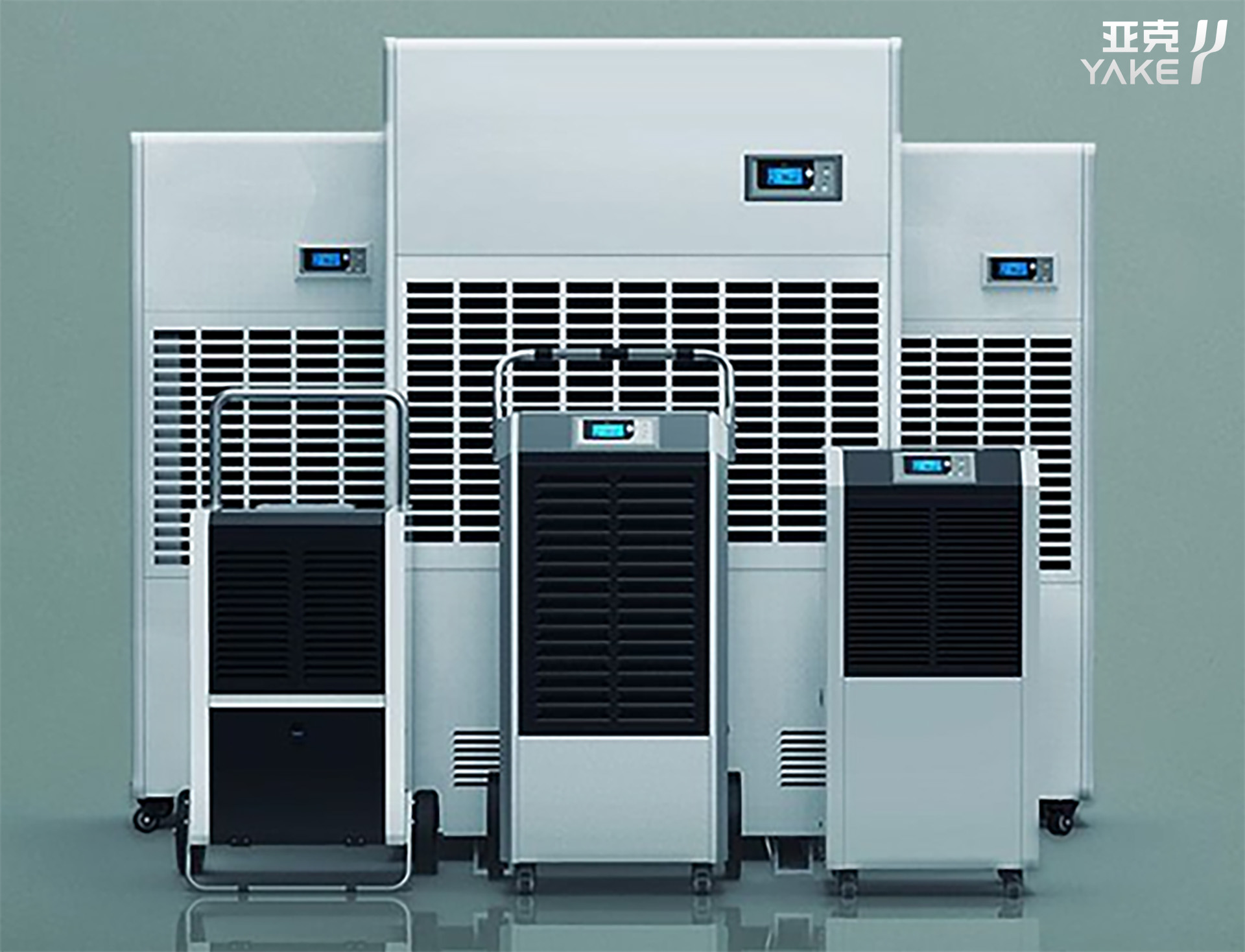
Contact us to find the best place to buy your Yakeclimate solution today!
Our experts have proven solutions to keep your humidity levels in check while keeping your energy costs low.