
Building 34, No. 535 Shunfeng Road, Hangzhou, Zhejiang, China
[email protected]


Hydroponic leafy green cultivation is a method of farming leafy greens such as lettuce, spinach, and kale without soil. Many growers turn to hydroponics to conserve water, minimize space, and reduce pests. Consistent climate management promotes increased crop quality and yield and reduces the risk of disease or mold. To satisfy these demands, farms employ proven technologies such as dehumidifiers and sensors. The main body will demonstrate how climate control determines achievement.

Growing leafy greens soillessly, or hydroponically, is a pragmatic answer to a lot of the woes afflicting our current agricultural system. There are water savings, more efficient space utilization, and accelerated growth and nutrient control. It supports food security and sustainability objectives, particularly in areas where arable land is limited or weather is volatile.
Since most hydroponic setups use up to 90% less water than soil gardens, it makes sense to bring your garden indoors. In soil, much water is lost to evaporation and run-off, and hydroponics captures and recycles nearly all of it. Monitoring water levels in tanks and pipes allows the program to catch leaks or overflows. Recirculating systems, more common in commercial settings, reduce waste even further by pumping the same water back to plants after filtering. This trait makes hydroponics an attractive option in locations with water restrictions or where drought is looming.
Vertical hydroponics designs stack layers of plants, which takes advantage of tall rooms and small footprints. These types of systems are prevalent in urban locations, where room is costly and limited. Compact racks or towers allow growers to squeeze dozens of lettuce heads in under one square meter. Spreading out plants for equal light and airflow keeps them healthy, while tiered systems increase yields even further per square meter.
A single, long row of hydroponic greens can outproduce huge soil beds. For instance, per-acre yields in hydroponics can be as high as twenty times those of soil farming. This reduces land use and aids in supplying the increasing demand for fresh greens in regions with limited farmland, bolstering food security.
Indoor controlled environments allow growers to reduce plant cycles. Hydroponic roots have immediate access to water and nutrients, bypassing the hunt through dirt. This accelerates growth and frequently reduces harvest times by 50%. Tuning nutrient blends for every crop keeps plants in their prime longer. Grow lights extend “daylight” hours, allowing photosynthesis to continue late into the night. Growth tracking allows growers to replicate the optimal conditions and meet production goals year-round.
Hydroponics allows growers to combine and optimize nutrients for each plant species. Minerals are key nutrients for roots, and testing and adjusting pH keeps those minerals in the right form for roots to take in. Fertilizer schedules align with plant requirements during each stage, so there is no waste and plants remain vigorous. Liquid nutrients designed for hydroponics dissolve quickly and get to roots fast, sustaining healthy growth and potent harvests.
Your method choice determines crop yield, resource efficiency, and even long-term sustainability for leafy greens. These are systems that cater to different objectives, spaces, and budgets. Familiarity with these systems aids growers in aligning their method with their resources and climate-control desires. A thoughtful examination of advantages and disadvantages, along with some experimentation, assists in honing plant health and reliability, particularly at a commercial level where fine tuning is crucial.
The nutrient film technique (NFT) employs a shallow stream of nutrient solution that’s constantly flowing over the roots. This method is good for shallow-rooted crops such as lettuce and basil. A primary channel carries the plant roots and the solution runs in a loop, providing constant nutrition. It’s all about keeping a consistent film thickness; too thick and roots drown, too thin and roots dry. This system minimizes water consumption and lets you easily observe the roots. If the pump breaks, your crops are in trouble. NFT is best in controlled environments where climate and flow can be monitored closely.
Deep water culture (DWC) suspends plant roots in a solution of nutrient-rich, oxygenated water. Air stones or diffusers maintain oxygen levels high in the root zone, helping to sustain rapid, healthy growth. DWC fits leafy greens that prefer continuous moisture, such as spinach and kale. Daily monitoring of water level and nutrient concentration helps to avoid imbalance. DWC provides fast growth and an easy setup, but it requires consistent aeration and contingency during power outages. Its simplicity has made it the preferred large-scale leafy green delivery system, particularly when combined with aggressive climate controls.
Ebb and flow, or ‘flood and drain’, systems periodically flood the root zone with nutrient solution, then drain it away. This cycle encourages strong roots and improved oxygen absorption. How often you schedule the floods will depend on the crop and its stage of growth. Young greens, for example, may require less frequent cycles than mature plants. Pretty much anything that grows in a garden medium will grow in ebb and flow as well. Draining needs to be very effective. Any standing water threatens root rot. Its flexibility, along with its moderate complexity, makes it a popular choice among commercial growers.
Drip systems use hoses and emitters to deliver nutrients directly to the base of each plant. This allows cultivators to optimize water and nutrient distribution, ranging from small work benches to giant farms. Timer controls maintain moisture consistency and minimize human error. Rotating emitter types assist in matching plant and media types. Drip irrigation saves water and fits busy operations. Maintenance is required to prevent clogs and maintain flow uniformity. The control provided makes drip popular in precision-driven vertical farms.
Wicking beds rely on capillary action. A reservoir beneath the growing medium draws water upward as roots need it. It’s good for leafy greens requiring consistent but not saturated moisture, such as arugula and chard. Selecting the appropriate medium, such as coco coir or perlite, enhances wicking. Wicking beds consume less energy and require less maintenance, which is why they’re especially attractive for small-scale or off-grid farms. Growers monitor salt accumulation and fine-tune the medium to prevent plant distress.
Setting up the perfect environment for hydroponic leafy greens requires more than just care. Plants require a stable and balanced provision of light, water, nutrients, and air. It’s a technical process, and its pay-off is robust yields and reduced waste. Below are the main steps to set up a stable, high-output system:
Choose liquid nutrients designed for hydroponics. Just be certain they’ve got the basics—NPK, magnesium, calcium, and micronutrients. Not all crops require the same mix, so check the needs of each green, such as lettuce or spinach.
Check the water frequently for EC and pH. If the EC is too high, plants can’t absorb water properly. If your pH is out of whack, certain elements are locked out. This can inhibit growth or cause leaf burn.
Adjust the nutrient blend as plants transition from seedling to mature leaf. Seedlings need more nitrogen. Mature greens require additional potassium for leaf density and flavor. A regular schedule for trial and blend yields winning results.
Utilize blue and red light-covering LEDs, as these stimulate photosynthesis and leafy development. Full-spectrum lights usually work best. Position lights near enough for intense exposure, yet far enough that leaves do not burn. For most leafy greens, a distance of 20 to 30 centimeters above the canopy is a good starting point.
Assuming a ‘normal’ growth period, run lights for 14 to 16 hours per day to mirror natural sun cycles. Too little light causes plants to become leggy. Too much light can bleach or curl leaves. Certain growers employ timers to maintain this schedule rigidly.
Experiment with varied intensities for each plant. For example, baby leaf lettuce does great with lower light, while basil prefers higher intensity. Tweak as you go to achieve even, robust leaf production.
Leafy greens prosper at 18 to 22 degrees Celsius and 50 to 70 percent relative humidity. Use heating or cooling units to maintain this, particularly in large greenhouses or confined indoor areas. Rapid fluctuations in temperature or humidity are a recipe for tip burn and stunted development.
Fans circulate air around the leaves, preventing mould and mildew. Proper air circulation aids plants in absorbing carbon dioxide and exhaling moisture. For big areas, employ oscillating fans or ducted systems.
Keep tabs on the environment with sensors that record temperature and humidity levels. Turn fans, vents, or air conditioners on or off as needed, particularly when the outside weather shifts. Yakeclimate’s dehumidifiers could help keep humidity in check, save energy, and avoid crop loss.
Leafy greens lie at the core of hydroponic systems due to their rapid growth, nutritional density, and reliability of yields. Choosing the right varieties, knowing their needs, and adjusting your cultivation approach are the secrets to bountiful crops all year round. Below are some of the best leafy greens for hydroponic cultivation, suited for both indoor and outdoor systems:
Indoor hydroponic farms require greens that can thrive in less sunlight and more managed conditions. Terhead lettuce and arugula are perfect picks in this department. Both do well under grow lights, particularly LED fixtures tuned for photosynthetically active radiation to promote consistent, vigorous leaf growth. Terhead lettuce thrives at 15 to 21 degrees Celsius and retains its crunch for 10 to 14 days if misted and refrigerated properly. Arugula thrives between a pH of 6.0 and 6.5, so it is perfect for novices wanting consistent success.
Keep humidity at 50 to 70 percent and temperature at 15 to 21 degrees Celsius for best results. This maintains leaf quality and minimizes the danger of diseases. Harvest weekly to maintain plants vigorous and yields consistent. This consistent harvesting encourages fresh growth and reduces strain, allowing plants to continue producing for longer.
Not all leafy greens can weather outdoor temperature and humidity swings. Swiss chard and mustard greens are fairly hearty, taking on both the cooler and warmer days. Rainbow chard specifically adds color and nutrition and teams beautifully with mushrooms and root vegetables for a variety of meals. Outdoor growers can prepare for the changing seasons by implementing row covers or shade cloth to protect crops from wind, heat, or frost as necessary.
Managing pests and diseases is crucial outside. Keep an eye out for aphids, slugs, and fungus. Adopt integrated pest management by mixing row covers, predators, and vigilant scouting. Stagger planting times to maintain a consistent harvest and to guard against entire losses from unpredictable weather changes.
Venturing beyond the best leafy greens adds to crop diversity and market intrigue. Red romaine and frisée provide unique tastes, mouth feels, and color pop. Red romaine delivers antioxidants and fiber, and frisée introduces a subtle, slightly bitter freshness to salads. Growers should look up these crops’ light, temperature, and nutrient needs. Some are more specialized than typical lettuces.
Experiment with various growing techniques. Shift nutrient balances, modify lighting conditions, or alter irrigation schedules to explore what makes these greens shine. Incorporating these varieties into your menu can increase nutrition and add excitement to dishes, aiding you in satisfying the diverse palates of today’s consumers.
Hydroponic leafy greens farming requires more than the basics. To achieve maximum yield and sustainability, cultivators must embrace cutting-edge system automation, IPM, and rock solid sustainability. These steps help save resources and keep crops healthy and they fuel enduring, scalable success.
Timers and sensors are essential for maintaining stability in hydroponic systems. By automating watering and nutrient delivery, cultivators can maintain the root zone at optimal moisture and nutrient concentrations, which reduces stress and increases yield. Automation cuts manual effort, liberating time for other fundamental work.
Remote monitoring allows growers to monitor temperature, humidity, and electrical conductivity in real time. It means you can detect problems before they damage crops. Most commercial systems these days are app-based, sending push alerts as conditions shift out of range. Smart hydroponic setups with cloud-based tracking optimize lighting, airflow, and CO₂, providing operators greater control over each stage of the growing process.
Automation means less labor and less human error. A grower may utilize a PLC to operate pumps and fans on timers. This is the way of large-scale operations and it does help maintain things to a stable condition both day and night.
An IPM plan incorporates biological, cultural, and mechanical controls. This includes employing beneficials like ladybugs or lacewings to consume pests rather than spraying chemicals. Sticky traps and fine mesh screens can prevent flying insects from entering.
Inspect plants every day for signs of spots, wilting, or webbing. Act early. When pests arrive, organic sprays or neem oil can salvage without killing the crop or ecosystem.
Knowing about typical hydroponic pests such as aphids, whiteflies, or fungus gnats allows cultivators to select the optimal solution. Mixing methods reduces resistance risk and keeps greenhouses safe for workers and for the environment.
Hydroponic growers can follow simple steps for a greener operation:
Get involved in your community’s food scene. Join a local food network or urban farming collective to disseminate this knowledge and bolster community health. Small shifts like switching to biodegradable grow media or adding rainwater collection accumulate to reduced waste and reduced costs.
Hydroponic leafy greens reside at the intersection of technology, sustainability, and market demand. With cities set to eat 80% of the world’s food by 2050 and 68% of people living in them, the demand for efficient, scalable, and sustainable agriculture has never been greater. Hydroponics responds to this demand by providing solutions that tackle the constraints of land, water, and climate and enable reliable, year-round output.
| Metric | Hydroponics | Conventional Agriculture |
|---|---|---|
| Water Use (per kg crop) | 10-30 liters | 200-300 liters |
| Land Use Efficiency | 20x yield per area | Baseline |
| Labor Cost | Moderate–High | Moderate |
| Initial Investment | High | Moderate |
| Seasonality | Year-round | Seasonal |
| Revenue Streams | Fresh produce, herbs | Grains, row crops |
Hydroponics is pricier to set up because its systems require pumps, lighting, sensors, and climate controls. The return is in how much more produce you receive from the same area of land. Lettuce yields are as much as 20 times greater per acre. Since hydroponic greens grow year-round, companies aren’t at the mercy of the seasons. This provides stable income. It’s fresher and can be marketed directly to stores or restaurants, often at a premium, creating new means of income. As technology matures and scales, those upfront expenses decrease, and savings over time from less water, less waste, and less pesticides appear on the bottom line.
| Environmental Metric | Hydroponics | Traditional Farming |
|---|---|---|
| Water Usage | Very low | Very high |
| Land Requirement | Minimal | Extensive |
| Pesticide Use | Low | Higher |
| Runoff/Pollution | Minimal | Common |
Hydroponics requires as much as 90% less water than soil farms. Plants receive only what they need, and water is recycled. They can be stacked vertically, so they require much less space. That makes them a perfect fit for cities, liberating rural land and assisting in easing the strain on natural habitats. With less pollution and fewer pesticides, these systems are healthier for the planet. Urban farms in schools or neighborhoods enable you to grow food near home, creating both food security and reducing food miles. As undernourishment increases, hydroponics provides urban centers a means to combat hunger and reduce waste.
Technology defines all aspects of contemporary hydroponics. Automated sensors monitor temperature, humidity, and light. Farmers leverage software to monitor plant health and adjust conditions immediately. IoT tools detect issues early, such as disease or nutrient deficiencies, allowing farmers to respond quickly. New tools, from cutting-edge LED to intuitive controls, simplify the operation of large-scale farms using less human labor. Data analytics assist farms in maintaining high yields, reducing waste, and utilizing energy efficiently. The latest tools continue to transform the boundaries of possibility. By keeping on top of these trends, growers stay a step ahead in a quick-moving market.
Hydroponic leafy green farms now influence food supply in numerous cities. Crop cycles are rapid. Hydroponic leafy green growers exchange soil for water and produce more greens in less space. Little adjustments in air, water, and light drive yields higher. Dehumidifiers fight mold and keep roots lush. Romaine, spinach, and kale all do well in these cramped configurations. From small farms to big brands, they’re using these tools to eliminate waste and conserve energy. Every stage introduces novel means of producing fresh food round the clock. For growers who prefer finer-tuned control and optimized results, smart tech such as Yakeclimate dehumidifiers provides a distinct advantage. For more robust crops and slick grows, explore Yakeclimate’s complete selection for your upcoming project.
Hydroponics means faster growth, higher yields, and better control over nutrients. There is no soil, so there are fewer pests and diseases. It consumes less water than traditional farming.
DWC and NFT systems are popular for beginners. They are simple to establish, maintain, and suit the majority of leafy greens.
Lettuce, spinach, kale, arugula, and Swiss chard do well hydroponically. For some reason, these greens grow fast and thrive in the soilless medium.
Most leafy greens require 12 to 16 hours of light a day. Supplement with full-spectrum LED grow lights to encourage healthy growth, particularly indoors and in low-light pockets.
Maintain a clean grow space, check plants frequently, and employ organic pest control when necessary. Hydroponic systems are less likely to have pests, but an ounce of prevention is worth a pound of cure.
It’s best to change the nutrient solution regularly. Old solutions deplete nutrients or accumulate damaging salts. Fresh nutrients encourage robust, vigorous plant growth.
Sure, hydroponics consumes less water and land than conventional agriculture. It uses less pesticide and can be implemented virtually anywhere, allowing for year-round, local leafy green production.


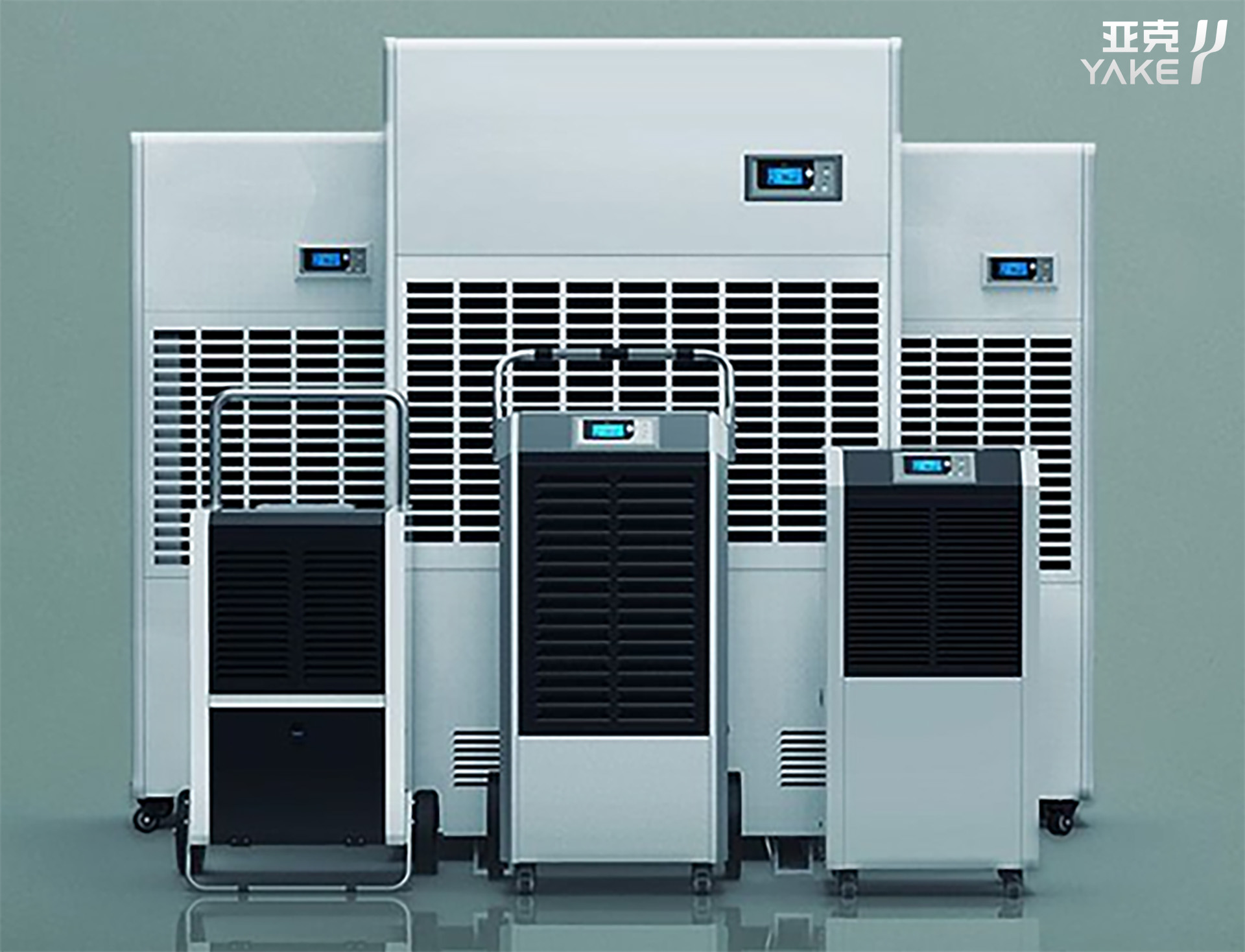
Contact us to find the best place to buy your Yakeclimate solution today!
Our experts have proven solutions to keep your humidity levels in check while keeping your energy costs low.