
Building 34, No. 535 Shunfeng Road, Hangzhou, Zhejiang, China
[email protected]


Hydroponic farming kits are sets with all the tools and supplies needed for growing plants in water without soil. They include such things as grow trays, water pumps, nutrients and LED lights. A lot of people in the U.S. Utilize these kits for lettuce, herbs, and leafy greens directly in homes or small indoor farms. With a kit, growers can establish in a garage, basement or sunroom and maintain control over water and nutrient levels. Their kits are user friendly for novice and experienced growers alike, conserving space and water and providing more consistent yields. The second half demonstrates what to seek in a kit, how to use it, and how Yakeclimate contributes to improved crop health.
Hydroponic farming kits exist in all shapes and sizes, each designed for specific requirements. If you can match the kit to your goals, space, crop and budget, you’ll really get the most from your indoor garden. Here’s a useful guide to comparing hydroponic kits and filtering your options based on what counts.
Hydroponic kits utilize different methods such as deep water culture, drip or ebb and flow. Deep water culture is easy and great for leafy greens. Drip systems are more appropriate for larger fruiting crops and provide fine control over water and nutrients.
For new growers DWC or wicks are less complicated and require less maintenance. More advanced growers may desire nutrient film or aeroponic systems, which provide increased yield but require careful attention. Always look to see if the kit comes with a complete set of implements—air pumps, nutrient meters, grow pots, etc.—so you aren’t taken by surprise.
Size matters–measure your grow space prior to purchase. Just be certain your kit will fit with ample space for both air circulation and vegetation. Over-crowded kits can lead to mold or disease.
If you have a small apartment, or want to farm in a closet, seek out vertical systems or stackable kits. Lighting makes a difference—LED lights really shine with their energy efficiency, and can be suspended close to plants in cozy nooks. Remember, your kit needs to provide convenient access for pruning or harvest.
Leafy greens, herbs, and microgreens thrive in most entry-level hydroponic kits, as they require only simple support and fewer nutrients. Tomatoes, peppers and cucumbers need more durable setups, tougher light and regular water changes.
Study each crops ideal pH and nutrient requirements. A lot of the kits utilize pelleted seeds—these are beginner-friendly and sprout quickly. Test a handful of crops at a time to discover what flourish in your arrangement and schedule your harvests according to growth cycles.
Price is important, but so are operating costs. Kits can cost as little as under $100 for simple hobbyist models or up into the thousands for commercial-scale farms. Include in your budget additional equipment such as fans, pH meters, and nutrient replacements.
Contrast what each kit contains–some provide you with a grow tent, lights, some seeds and a complete nutrient package. All-in-one kits make setup easier, save you money, and are great for beginners.
Determine how much you want to automate. Easy kits require hand-feeding and manual light switches. The fancy systems have timers, app controls, and automatic dosing.
If you like to “set and forget,” select kits with smart sensors and Wi-Fi capabilities. These are pricier but they save angst and reduce errors. Manual setups are less expensive and provide hands on growers with more control.
Getting started with hydroponic farming kits is a learning curve, even for experienced growers. The initial configuration is very much a boots on the ground affair, with each decision — from grow medium to environment controls — influencing plant performance. A lot of them go with a soilless mix, such as Pro Mix or Sunshine Mix and perlite and worm castings. Some opt for coconut coir, wood wool, or Growstones. As is often the case, you’ll have to try some things to see what works. Early screw ups are par for the course. Every stage of the first grow presents its own challenges and lessons.
A missed step or loose connection can result in plant-harming setbacks. ALWAYS run a test cycle before planting. Most problems stem from small assembly mistakes, so meticulous setup pays off in time down the line.
Begin seeds in sterilized trays with pods or rockwool cubes, which maintain even moisture and don’t disturb roots. Maintaining high humidity is essential for sprouting, ensure that the pods are not sitting in stagnant water. Light is equally important—LED grow lights on a timer provide seedlings the jump start they require. If water or nutrients run low, growth stalls quick, so check daily. While most kits come with rudimentary instructions, this finessing typically requires trial and error — particularly when tending to new crops.
Once seedlings have a healthy root ball, transfer them to the primary system. Touch plants by the leaves, not the stem, so as not to shock them. Separate plants for circulation, as bunching can cause rot or stunted development. Be prepared for a few plants to wilt or yellow out in this transition, just watch them for a couple days and give ‘em some extra water or nutrients if necessary. Most growers will kill a few plants their first go—take notes and adjust your process.
Test root color and water clarity every day. Monitor nute strength with an easy TDS meter. Check for leaf curl or yellow tips. Keep change logs for every plant.
Hydroponic farming kits depend on accurate plant nutrition to cultivate crops indoors. Plants require 17 essential nutrients, which are provided by water, nutrient solutions, or fertilizers. In hydroponics, the nutrient solution is your primary source. Nailing your mix and delivery is essential to healthy growth and yield. Proper nutrition stops common issues such as nutrient deficiency, stunting and poor fruit. The nutrient solution quality and balance, clean water, and proper ph all impact nutrient uptake by roots.
A balanced nutrient blend addresses both macro and micronutrients. For lettuce or tomatoes, that means nitrogen, phosphorus, potassium, calcium, magnesium, sulfur, iron, manganese, boron, copper, zinc, molybdenum, and chlorine. The ratios shift as plants transition from seedling to bloom. Early growth requires more nitrogen, while fruiting requires more potassium and phosphorus. Utilizing organic nutrients, such as fish emulsion or seaweed extract, can reduce your environmental impact and attract environmentally-aware consumers. Observe how your plants react—yellow leaves or stunted growth could indicate a nutrient deficiency or imbalance. High potassium, for example, can block nitrogen, causing deficiency even if nitrogen is there. Magnesium or iron deficiencies appear as yellowing leaf; magnesium deficiencies develop lower on the plant, iron deficiencies on new growth. Keep a record, and modify accordingly.
Hydroponics requires clean water. Keep salts and contaminants away from roots with filtered or distilled water. Plants absorb nutrients directly from the water, so contaminants can be toxic or inhibit absorption. Test water for pH and dissolved solids. If your tap water is bad, a filter will do the trick. Replace water frequently to prevent nutrient accumulation, which may lead to toxic reactions or root rot. Stale water promotes algae and pathogens.
| pH Range | Nutrient Availability | Notes |
|---|---|---|
| 5.5–6.0 | Good for iron, manganese, boron | Watch for calcium and magnesium issues |
| 6.0–7.0 | Best for nitrogen, phosphorus, potassium | Most nutrients most available |
| 7.0–7.5 | Less iron, manganese, boron | Risk of micronutrient deficiencies |
Check pH with a meter or test kit a minimum of twice a week. Add pH up or down liquids to maintain the range. Small shifts can block key nutrients—high pH makes iron and magnesium scarce, low pH affects calcium and potassium. Keep the air moving at plant level to avoid calcium problems – airflow of 0.3–1 m/s is optimal.
A microclimate is the controlled bubble you create around your hydroponic kit to provide plants with the best chances to prosper. It’s not just about putting a kit on a shelf, it’s about creating a microclimate with light, temperature and air flow to grow healthy crops all year round, even when the outdoor conditions are adverse.
Grow lights choice is important. Leafy greens and herbs thrive with LED panels, but fruiting crops usually require HID or full-spectrum lights. Always consult your crop’s requirements before anything else.
Maintain lights at the optimal height above plants—too close can scorch leaves, too far and you’ll experience slow growth. Use adjustable hangers to tweak as plants grow taller.
Timers are a necessity. They assist you to adhere to 14-18 hours of light a day most greens, no more estimating or flipping by hand.
Full-spectrum grow lights facilitate every stage, from seedling to harvest, so they’re a strong choice for hodgepodge plantings.
Temperature swings batter roots and foliage. Most hydroponic crops do well at 65° to 75°F. Monitor it with small digital thermometers—simple to use, fast to consult.
Small heaters or cooling fans can assist in maintaining steady temperatures. In winter, attempt bubble wrap or foam board to insulate reservoirs and keep nutrient solutions steady. Personal bucket heaters come in handy when it really turns cold.
For hot climates, broad furrow (2-3 inch) let water flow quickly, aiding root cooling. Some hydroponic systems last even against wild outdoor temperatures, from -40° to 120°F.
Check solution temperatures daily, and keep them below 75°F with cooling coils if necessary. Plants deal with stress better like this.
Good airflow keeps mold, mildew and pests at bay. Still air is a major hazard in small rooms.
Install mini-fans or vent systems to circulate the air. This assists plant leaves ‘breathe,’ or transpire, as they would outdoors.
Be careful with humidity. Shoot for 50% RH, but a greenhouse microclimate can range from 28.67 to 74.33%. In tropical zones, aeroponics can provide 95% humidity at the roots, dry leaves up top.
Plus, air stones in reservoirs increase oxygen, which keeps roots strong and decreases disease.
While hydroponic farming kits can simplify plant production, there are a few common problems that pop up, affecting yield and the well-being of your plants. To keep these problems in check, you need symptom awareness and monitoring and maintenance to head off issues. Your growers checklist should be inspecting for pests, nutrients, diseases, roots, temperature, humidity, pH, EC and cleanliness.
Inspect plants and roots for gnats, mites and aphids. Pests give your plants root rot, leaf damage and general disease spreading.
Dab in sticky traps, neem oil or insecticidal soap. Organic ways keep produce safe to chow down on and don’t damage plant roots. Introducing ladybugs or predatory mites will keep pest populations in check without resorting to chemicals.
Good house keeping is essential. Clean out dead leaves, mop up spills and sanitize pruners. Maintaining an uncluttered environment reduces bug concealment.
Yellowing leaves or stunted growth are common indicators of nutrient deficiencies. Look at both the plant and root color. White, solid roots equal good health, brown or slimy roots require TLC.
Alter the nutrient blend at any noticing symptoms. If leaf tips are burnt, dilute the mixture—overfeeding is a common error. Refer to a feeding chart for your crop and stay consistent.
Plants’ requirements vary with their growth. Get to know your species and monitor how they react to twerks. Regular feeding and observation nips the majority of problems in the bud.
Algae love light and moisture. Cover reservoirs and use opaque tubing to prevent light leaks. Algae clogs lines and competes with plants over nutrients.
Purge the system every few weeks. Hydrogen peroxide or food-safe cleaners work great. If algae rebounds, attempt a certified algae inhibitor.
Leave the system in the shade, or use blackout covers. Preventative steps still always trump outbreaks.
Check solution temperature—maintain in 60–80°F range. Too warm or too cold wilts and stunts growth.
Watch pH. Stay between 5.5 and 6.5 for majority of crops. Monitor EC levels at 1.5–2.5 mS/cm.
Check for root rot, particularly if you’re observing fungus gnats. Check transplants for contamination prior to introducing into your system.
Sure, a hydroponic farming kit is only a beginning. To hit sustained high-octane outputs, they don’t stop at the basics — they upgrade, customize, and optimize. This next level method demands deeper technical expertise, trusted sources and solid community.
Upgrading begins with a search for cutting-edge system components. Pumps and filters with higher flow rates and better build quality help water circulating and nutrients flowing, preventing clogs and keeping roots healthy. Automated sensors and controllers can tweak temperature, humidity, and lighting on the fly, making sure plants always get what they need. These enhancements come in handy particularly for plants such as arugula, kale and microgreens who have specific requirements at various stages. More voluminous reservoirs introduce stability by buffering swings in both nutrient and pH levels, rendering the system less vulnerable to shock from swift water turnover. Testing the pH every few weeks, or more frequently if water alkalinity is high, keeps concentrations in check—particularly if bicarbonate levels are above 75 ppm. Seasoned growers know that dialing these details over time has a dramatic effect on crop quality and yield, allowing them to scissor 3-5 harvests from the same plants.
DIY expansion allows growers to customize their system to meet specific requirements. A lot of them begin by incorporating new growing sites utilizing recycled buckets, pipes or food-safe plastics. Method mashups — such as mixing deep water culture with nutrient film technique — can give your productivity a jump or allow you to grow new crops. Leafy greens—like butterhead lettuce, herbs and swiss chard—frequently do well in these personalized configurations. Keeping a record — notes, photos, etc. — of each step makes debugging easier and is invaluable when sharing with others. Every build from a new propagation space to an improved trellis adds worth and can be exchanged or upgraded as requirements evolve.
The top yields are achieved with quality parts and nutrition. Trustworthy vendors provide proven hydroponic salts, nutrient blends, and durable apparatus. Comparison shopping is money-saving —and bulk means less supply runs and less downtime. Top sellers stay up on new products, so you can sample new aphid pest control or better net pots. By keeping up with innovations, your setup stays one step ahead of typical issues.
Giving knowledge helps us all. There are forums and local groups that provide advice on pest management, system adjustments, and problem solving. Community input frequently results in practical solutions and innovative concepts for hydroponic gardens.
Hydroponic farming kits offer people an honest opportunity at fresh greens, all year round. Kits now fit city life and small spaces, so more folks fire up their own grow rooms/shelves. Well-designed kits make installation quick and operation easy, with simple instructions and rugged components. Tight roots and lush leaves greet most growers a few weeks later. Humidity and air flow are huge—plants are heartier with good climate equipment. Upgrades like improved lighting or a smart timer multiply the convenience. A lot of neighborhood stores around the states stock these kits, so support stays within reach. For everyone willing to take a stab at hydroponics—get your hands dirty, ask questions and get growing. Contact us for tips or gear ideas anytime!


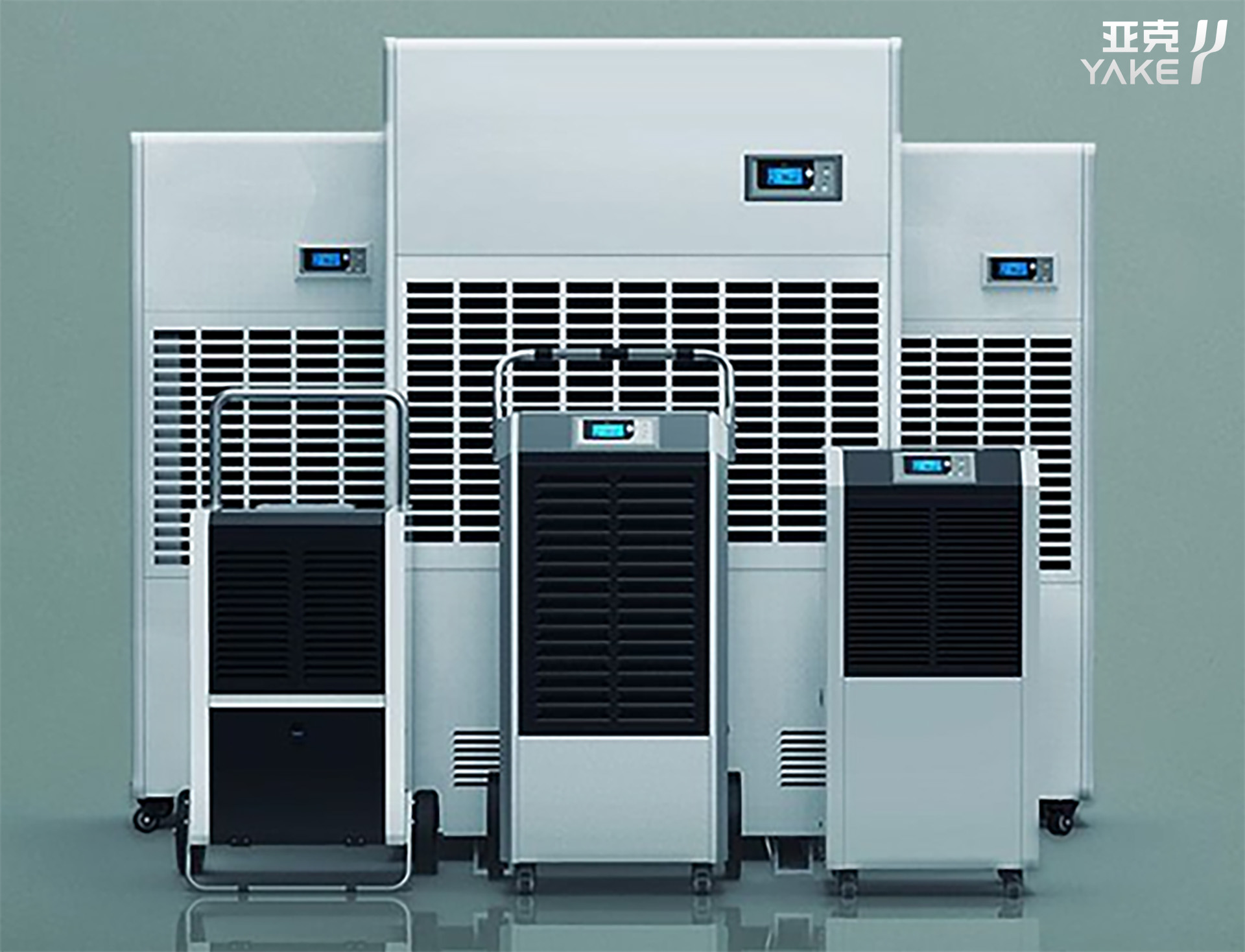
Contact us to find the best place to buy your Yakeclimate solution today!
Our experts have proven solutions to keep your humidity levels in check while keeping your energy costs low.