
Building 34, No. 535 Shunfeng Road, Hangzhou, Zhejiang, China
[email protected]


Dehumidifier operation frequency describes the amount of time a dehumidifier runs during a given period. Most indoor farms run dehumidifiers daily to manage air moisture and maintain a consistent environment. The proper frequency varies based on crop, room size, and air circulation. A dehumidifier running too often wastes power, but too little lets moisture accumulate. The following section illustrates what influences operation frequency and provides advice for optimal usage.

How often you should run a dehumidifier varies. Every situation and environment can alter how frequently you should run it for optimal effectiveness. Below are key points to consider:
I recommend you set your dehumidifier to operate any time humidity rises above 55%. This is typically when things can begin to feel sticky or clammy. Employing a hygrometer allows you to monitor humidity fluctuations. If you notice any level increases, bump up the dehumidifier to prevent mold or mildew from getting a foothold.
Try to maintain indoor humidity at around 30% to 50%. This is a comfortable range and it helps to prevent dust mites and musty odors. In winter, 30% to 40% is best for coziness, while 40% to 50% fits in perfectly with summer. Each area may require a different setting, so continue to adjust.
A simple check: if a room feels damp or you notice condensation, boost the dehumidifier’s runtime. Monitor daily or weekly, particularly in wet seasons.
Humidity tends to be greatest during the summer months. Most of us will want to run our dehumidifier longer during these months. In the winter, we find homes tend to be drier and even some humid locations may only require routine operation. Be sure to observe your local weather predictions. Following downpours or storms, you could even need to increase operation beyond the season as well.
Switch up your dehumidifier when the seasons change. Summer and rainy spells require shorter cycles. Turn it down during cool months unless things just feel damp or clammy inside.
Basements, bathrooms and laundry rooms usually require more. These areas accumulate moisture quickly and can become hotbeds for mold. Running the unit more frequently or for longer periods prioritizes these areas.
Size up each room’s requirements. A tiny bedroom might only require quick bursts, but a large open plan living area could demand far more. Nice airflow makes your dehumidifier work better, so keep vents clear and doors open whenever you can.
Adjust runtime to the room’s size and shape. For big rooms, consider a more powerful unit or extended run.
Big dehumidifiers with huge tanks don’t have to be emptied as often. Small portable units fill faster, so check and empty as needed. You might have to do this every day during humid spells. For models with a drain hose, configure it for continuous operation to save time.
Use the manufacturer’s guide as a guideline for optimal operation. Tip: Clean and service your unit regularly to keep it operating beautifully. Swap out based on the humidity and moisture absorption of your home.
How often you need to empty a dehumidifier depends on several key factors: tank size, room humidity, and drainage setup. Knowing these factors prevents spills, maintains your area dry, and keeps your machine purring. The majority of models require dumping every one to two days. However, this may vary with changing conditions.
Tank size is a big factor when selecting a dehumidifier. Bigger tanks allow you to delay emptying more. For instance, while a 6-liter tank might go 48 hours in average humidity, a 2-liter tank may need emptying every 12 hours in a damp room. Always check the tank’s real-world size prior to purchase. A larger capacity tank often equates to a heavier, less portable unit, so consider how much you’ll have to lug it around.
Check the tank frequently, particularly in the initial days. We usually need to empty our dehumidifier every 24 to 48 hours, but during startup or in an extremely damp area, it can fill in as little as 6 to 8 hours. Let a hygrometer do the work of monitoring the room’s humidity and you can simply notice how quickly the tank fills. Take care in areas such as bathrooms or basements, where the humidity fluctuates rapidly and tanks fill at a quicker pace.
If you find the tank filling up faster than anticipated, this could be an indicator the humidity is elevated. This usually happens when you’re drying clothes inside or during the wet season. Each room will have varying fill rates, so customize your emptying schedule for each area.
High humidity rooms will fill the tank a lot faster. If you reside in a tropical climate or are confronting a damp basement, prepare to empty it daily, sometimes even more frequently. Operate the unit continuously until you achieve your desired humidity, which is typically between 40% and 60%. This will help you determine the optimal schedule. Then, you can ease off and hold the level rather than running the dehumidifier all day.
It needs to be checked regularly to avoid mold growth. Leaving water sitting in the tank for days on end can be an issue, particularly in warm environments. Empty the tank every few days at a minimum; daily is best in most cases.
Humidity fluctuates day to day. If in doubt, record gallons and check the tank daily for the first week, particularly when wet.
Some dehumidifiers include a continuous drain option, which will save time and effort. Hook up a hose and it flows right to a drain or sink, so no more emptying the tank. It’s useful in humid locations or when you must run the dehumidifier for extended periods.
Just ensure the hose is installed correctly and inspect for blockages occasionally. A clogged drain can halt the unit’s operation and even lead to water leaks. Check the hoses now and then and make sure water is flowing as it should.
If you don’t have a drain near your home, you’ll need to empty the tank anyway, so choose your dehumidifier and installation accordingly. What works best for the space!
How you operate your dehumidifier impacts the emptying frequency. Position the unit where air can freely circulate, not against a wall or furniture. This makes it work more rapidly and fill the tank at a consistent pace. Tweak settings so you achieve your desired humidity without driving up energy. It’s easier to run the dehumidifier during off-peak hours, which saves on your energy bill with smart timers.
Check the unit’s performance every now and again. If you notice it is not extracting as much water as previously, or the reservoir is not replenishing as anticipated, it might require a filter replacement or servicing.
A dehumidifier’s duty cycle is just how frequently it operates to maintain the air at your selected moisture level. Nailing this equilibrium conserves power, maintains your environment salubrious and extends the life of your unit. Placement, settings, smart timing and energy habits are all significant.
Put the dehumidifier in the center of your room if possible. This allows air to move unrestrictedly in and out, so the unit can draw humid air from all directions. Don’t nestle it up against walls or behind furniture—these obstruct vents and will leave the room clammy in certain nooks.
DON’T leave the dehumidifier on the floor; perhaps place it on a strong table or stand. This aids in pulling in humid air from everywhere, not just at floor level. If you have moisture-heavy rooms, like those adjacent to a bath or laundry, position your unit closer to those areas. This way, it can capture a little extra humidity before it permeates the rest of the house. In larger homes, however, transporting the unit from room to room occasionally proves more effective than keeping it in one location constantly.
You want to optimize your dehumidifier’s duty cycle by setting it between 40 and 50% relative humidity. This range strikes the perfect balance between comfort and health and prevents mold and dust mites from thriving. If the air remains dry, you can decrease the run time. Most newer units have a humidistat built in, so you can check and adjust as necessary.
Seasonally adjust your thermostat. During wet months, you might have to increase the desired humidity or operate the unit for a longer period. Dial it back during dry months to save power. Experiment with a couple of settings to find what works best with your room and habits. Remember, a unit that runs too much wastes energy, so watch for humidity and tweak.
Employ intelligent timers or plugs to schedule your dehumidifier. Program it for humidity surges, such as when you take a shower or when you’re not home. That way you don’t have wasted hours and reduce your power bill. Many units have these energy saving modes, so run those during off-peak hours.
Track how well your schedule works. If you notice damp patches or sticky air, adjust the timer. You will optimize your unit’s duty cycle by checking in every so often, not simply setting and forgetting.
Try to optimize your unit’s duty cycle. Running it all day can spike your power bill, even if it’s seemingly helpful. Discover a rhythm that works for you and isn’t overwhelming. If yours is too big, it overdrys the air, making everything uncomfortable and wasting energy. Pick a unit sized for your room.
Make sure to keep your filters, coils, and vents clean on a monthly basis. Dirty parts force the unit to work harder, which burns more energy and cuts short its life. If your room is hot, the dehumidifier may have difficulty cooling the air to a level that it works properly, so aim for a room temperature. Seek out units that are ENERGY STAR-certified; they consume less energy without sacrificing effectiveness.
Controlling how often a dehumidifier runs is the most important factor in managing indoor humidity, energy consumption, and overall expense. To make your dehumidifier work the hardest for you, you need to consider when humidity is at its highest, how much energy each style uses, and how your habits affect things. By making small adjustments to your schedule and your machine selection, you can have a positive impact on air quality and save yourself some serious cash.
Heat isn’t constant either. It peaks during certain hours, typically early morning and late afternoon. Cooking, showers, or laundry machines used in the evening contribute moisture to the air. For most climates, outside weather pushes humidity onto the indoor air, particularly during rain or heat. Monitoring these peak hours is essential. It’s clever to run the dehumidifier during these times instead of leaving it on 24/7.
To figure out the optimal timing, observe for areas of moisture, misted windows, or mildew scents following cooking or bathing. If you’re in a tropical or coastal region, look at your local weather reports to find out when the humidity will increase. A programmable timer or smart plug can help automate operation and reduce wasted energy.
Energy consumption differs by model. Desiccant units usually consume 240 to 480 watts, whereas refrigerant types require 300 to 700 watts. ENERGY STAR models save an additional 20% more power than that. Newer refrigerant machines with R-32 gas are up to 10% more efficient than machines using older gases. These units are capable of providing 8 to 12% more efficiency with the same drying power.
Always consider the energy efficiency rating prior to purchase. Others appear robust on their spec sheets but can consume more energy for the same task. For maximum efficiency, clean filters and coils, empty the tank and check for blockages. Neglect can make the machine run longer or harder, increasing expenses and reducing its lifespan.
When you run a dehumidifier every day, those costs really start to add up. Other than the sticker price, consider electricity, regular maintenance, and potential repairs. In most markets, you can estimate cost per day by multiplying the hourly energy use in kilowatt-hours by the hours run, then by your local cost per kilowatt-hour.
While it may cost more upfront, you’ll save money in the long run if you invest in a quality, efficient unit, preferably ENERGY STAR. Tracking how often you operate the dehumidifier detects waste. For instance, if indoor air remains under 50% humidity, attempt reducing run time to conserve energy without sacrificing comfort.
Hear rattling or humming that may indicate something is wrong or working properly. Check lights or digital screens for full tank, filter change or error alerts. Be on the lookout for shifts in air quality. If rooms are still clammy, the airflow could be hindered or the unit too small.
Seek out indicators such as mold, paint peeling, or residual odors as hints in calibrating your dehumidifier’s duration or frequency. Basic inspections on a weekly basis can identify issues before they evolve into larger ones.
Your dehumidifier emits an abundance of signals while running. Training yourself to recognize and hear these can keep the unit humming along and sidestep major issues. Familiarity with your machine’s usual habits helps you make fast moves when something shifts, saving both time and money.
There is a steady hum or fan sound of a dehumidifier when it runs, and that is fine. You might hear the fan turning on and off as the unit maintains the set humidity. Unexpected loud noises, rattles or grinding could indicate something is awry, such as a loose component or worn motor. If you hear clicking that wasn’t present before, look for frost buildup or a stuck float switch, as these make the compressor cycle strangely or stop pulling water.
Hear beeps or alarms. These usually indicate that the tank is full, the filter is clogged, or some other maintenance step is necessary. If the unit suddenly goes silent, make sure it is still plugged in and hasn’t been reprogrammed. By tuning in to shifts in noise signatures, you can detect minor problems before they mushroom into major fixes.
As with most dehumidifiers, the primary way this one communicates its status is through indicator lights. A green light usually indicates regular use, whereas red or yellow lights indicate a full tank or filter issue. Your dehumidifier’s display panel generally indicates the current humidity, allowing you to verify whether the room is at your desired level. If the numbers sound off, compare them to a separate hygrometer. Occasionally, the unit will display error codes if there’s a mechanical malfunction or the drain hose is clogged.
Search for any apparent water leak or frost accumulation on the coils. A little frost is normal, but a lot means it is not defrosting properly or the air filter is dirty. Get in the habit of inspecting the tank for cracks and the power cord for wear. Small tears or leaks can damage efficiency and need to be repaired immediately.
When your dehumidifier operates as it should, you’ll experience less musty odor and clearer air. Lower humidity homes mean less dust mites and mold for those that suffer from allergies or have respiratory problems. If you feel less congested or notice a decline in your sneezing or coughing, the device is probably working. Get air quality monitors if you want more data, but your comfort is a strong indicator as well.
See if windows cease to fog and laundry dries quicker. If you feel damp or notice mold creeping back in, it could indicate the unit requires servicing or the tank is not being emptied frequently enough. Remember to always empty the tank daily unless you use a drain hose. This keeps the air dry and prevents bacteria from developing within.
Schedule cleaning or replacement of the filter every few weeks is a good rule. A clogged filter impedes airflow, increases energy consumption, and can cause the unit to freeze or cease extracting water. Periodically wipe out the tank to prevent mold growth within. Check your drain hose for kinks or clogs if you use one and clear it as necessary.
Follow the manufacturer’s maintenance instructions to extend the life of the unit. If you detect leaks, strange odors, or it ceases to collect water, it might be time to contact service personnel about a suspicious pump or float switch. Good care keeps moisture where you want it and prevents failures.
With regular attention, any dehumidifier can perform well for long periods of time and keep the air clean. Neglecting maintenance can result in bad air, expensive bills and even massive repairs in the future. Daily and weekly maintenance, such as inspecting and emptying the water reservoir and cleaning the air filter, is important for consistent, reliable performance. Dust and grime accumulate over time, clogging the filter, so a quick clean or replacement every month does wonders. This keeps air flowing properly and prevents the system from laboring unnecessarily.
It’s clever to plan occasional descaling of the water reservoir. Stale water can foster mold and bacteria quickly, particularly in warm, wet areas. Make sure to rinse or scrub the tank at a minimum once a week or whenever you notice buildup or a funky smell. In larger configurations or environments with high utilization, this stage is even more crucial. Mold in the tank can float into the air, which is both stinky and can damage crops or people, depending on your configuration.
Checking hoses and the drainage system is another essential. Over time, hoses can clog up with dirt or minerals or even spring small leaks. A clogged or leaking hose signifies water can back up or drip out, which can reduce how efficiently the dehumidifier does its job. Check hoses monthly and search for kinks, blockages, or weak spots that might indicate leaks. For direct to drain setups, flush the hoses frequently to keep water flowing properly. If you notice an issue, replace components as necessary.
Maintain — Keep the unit’s exterior clean to help airflow and keep things running smoothly. Dust, hair, or plant bits can accumulate on vents or grills and block airflow, forcing the dehumidifier to work harder. Wipe the outside with a damp cloth once a month. For high-traffic or dustier spaces, do this more frequently. Maintain clean vents and grills with a brush or vacuum to ensure nothing obstructs the airflow.
Record all service work in a log. Follow up on when filters were changed, tanks were cleaned, or hoses inspected. This helps identify patterns, such as a hose clogging frequently, which could indicate the need for a more efficient filter or alternative hose. Good records assist with warranty claims and can remind you when it’s time for annual pro service. Annual service by a certified tech can pick up issues you might overlook, preserve the warranty, and make sure the unit remains in optimal condition.
To maintain healthy crops indoors, adhere to regular dehumidifier inspections. Run your unit as frequently as your space and climate demand. Empty the tank when full to avoid shutdowns. Make sure vents and filters are clear so your air can flow smoothly. Keep an eye out for symptoms such as excessive moisture or water accumulation. These tricks conserve energy and reduce waste. Each grow space runs a tad different, so experiment with settings and record which provides optimal results. Good dehumidifier habits deliver hardy plants and reduced mold risk. For additional advice or assistance selecting the right model, drop us a line. Smart growers use the right tools and get ahead of little problems before they become big.
Nearly all homes will be well served to run a dehumidifier daily, particularly during the muggy months. For optimal results, run it until your indoor humidity remains between 40 and 60 percent.
Empty your dehumidifier’s tank as soon as it’s full. This can be daily in damp conditions or every few days in drier ones.
Indeed, running it full-time consumes more power. For energy savings, utilize the automatic dehumidifying function of built-in humidity controls or a timer to run the unit only when necessary.
Yes, proper ventilation minimizes humidity inside. If your space has proper airflow, you might not have to run your dehumidifier as often.
If you find persistent condensation, musty odors, or mold, your space probably requires dehumidification more often.
Run your dehumidifier often. Keep it between 40 and 60 percent. Run on auto or programmable settings to prevent redundant operation and save energy.
Clean the filter, empty the tank, and check for dust or blockages. Routine care keeps it powerful and dependable.


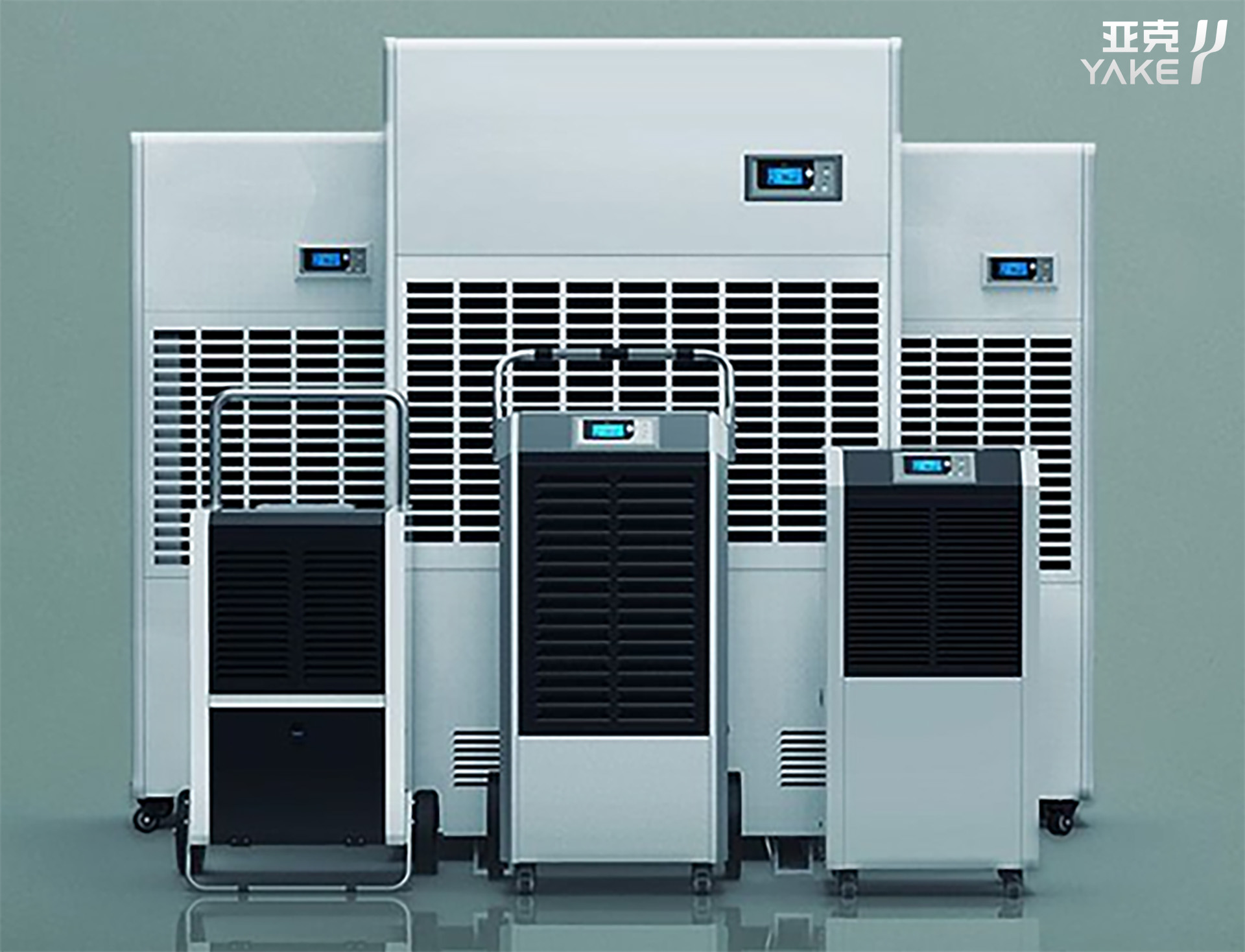
Contact us to find the best place to buy your Yakeclimate solution today!
Our experts have proven solutions to keep your humidity levels in check while keeping your energy costs low.