
Building 34, No. 535 Shunfeng Road, Hangzhou, Zhejiang, China
[email protected]
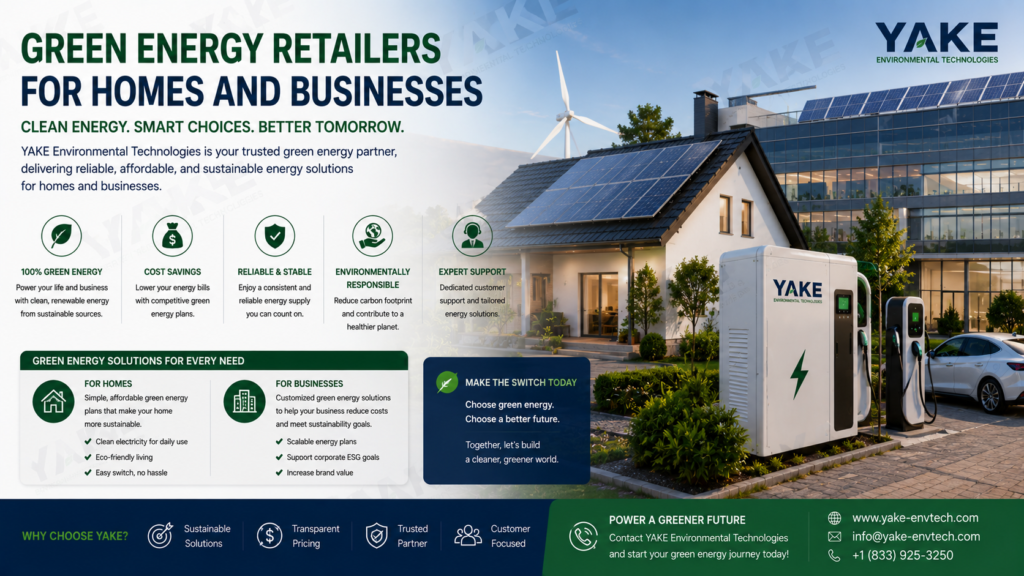


Green energy retailers are providers that sell renewable sourced electricity and gas from wind, solar, hydro or biomass, typically through special tariffs. Most of them source power directly from renewable plants or via PPAs, then sell it on to residences, horticultural operations and businesses as certified low-carbon energy. Certain retailers additionally package energy with smart meters, demand-response instruments or storage to assist users reduce waste and peak loads. For indoor farms and similar high-use facilities, green energy retailers can reduce indirect emissions while maintaining steady climate control. The following sections explore how these retailers operate, what to look for in their deals, and how they align with long-term energy strategies.
Green energy retailers are businesses that offer electricity plans associated with renewable power. Put simply, they serve as the middle tier between power producers and consumers for wind, solar, hydro, and biogas rather than coal, oil, or gas.
They sell retail tariffs that market an X% share of renewables, often 30, 50, or 100%. A home or business signs up for one of these plans, and the retailer matches the electricity that customer uses with renewable output on paper. The actual power still flows through the same grid as everyone else, so no one receives a ‘special’ green wire. The secret is that the retailer balances the books behind the scenes.
A number of green energy retailers accomplish this by purchasing renewable energy certificates, known as REGOs in certain markets, to match every kilowatt-hour sold as green. Others directly own or sign long-term deals with solar farms, wind parks, or biogas plants. Some don’t even make power; they just purchase certificates. That mix is part of why the true impact of these offers can be difficult to decipher.
Their role in reducing fossil fuel consumption is to create a demand shift. When customers opt for green tariffs and pay a slight premium on their monthly bill, they provide a crucial market demand signal that low‑carbon power is needed. In theory, predictable need and reliable income will fuel additional projects and move grids toward cleaner mixes. In the real world, evidence is mixed. Others find that typical green tariffs and certificate schemes do not add much new renewable capacity; they mostly shuffle certificates around between buyers.
The presence of major players in the broader green energy space showcases the magnitude of the transition. Companies such as Nextera Energy in the U.S., Adani Green Energy in India, and Longi Green Energy in China specialize in extensive portfolios of wind, solar, and affiliated technologies. They supply power into wholesale markets where retailers, green and otherwise, can purchase it and then develop consumer plans. In retail choice markets, this contract web lets households and businesses decide how much to support renewables, regardless of the actual green gain depending on product design and regulation quality.
Green energy retailers act as intermediaries between renewable generators and end users. They purchase power from wholesale markets, pair it with certified green attributes, and distribute it through retail contracts to households and enterprises. Power still runs through the same grid as any other electricity and there is no separate wire that transports “clean” green power. The model depends on tracing and certification rather than a physical divide.
Green retailers purchase power from solar farms, wind parks and hydro plants via long-term power purchase agreements, short-term contracts or through direct ownership. Many mix utility-scale sites with smaller rooftop and community projects so they can match various load profiles and seasons.
To verify this sourcing, they pair every MWh sold with a REC, guarantee of origin, or similar instrument, frequently supported by third-party certification or initiatives such as the U.S. EPA Green Power Partnership. They publish yearly renewable energy accounts so customers can understand which projects, regions, and technologies support their tariffs. This transparency fosters trust in an industry where “100% green” can mean anything, and it matters. Research shows products with green claims grew 28% in five years while regular products grew 20%. Sustainable brands grew roughly 4% to 1% for others, so verified sourcing is a moral and a business decision. Readers should establish an easy-to-understand chart that contrasts top providers on portion of power under PPAs, portion supported by certificates alone, the certifying organizations employed, and frequency of publication for disclosure reports.
Green Energy Retailer Model Retailers price green plans as fixed-rate, variable-rate or time-of-use offers, which often correspond to traditional tariffs but with a green premium or a small efficiency-funded discount. Other markets indicate customers will pay as much as 20% more for sustainable products. Throughout industries, sustainable items carry an average 9.7% premium, so tariffs can be higher while still competitive when clearly communicated.
Most green retailers make up for this by reducing their own energy consumption in offices, data centers, and logistics, sometimes achieving 30 to 50 percent cost savings, enabling them to keep prices flat and still finance new projects. They should check out full price sheets, renewable content disclosures, and any green tariff rules before signing, and seek out special discounts, loyalty bonuses, and rebates offered to those taking higher renewable shares.
Green retailers are now bundling power contracts with rooftop solar, shared community solar shares, or small wind, plus maintenance and insurance, so one bill covers both consumption and on-site generation. They pair these offers with smart tech, such as app-controlled thermostats and load controls, that shifts demand to times when wind and solar production is abundant, better leveraging clean power and occasionally providing savings through dynamic pricing. For large plants, campuses, and data centers, many provide tailored structures such as sleeved PPAs, virtual PPAs, or behind-the-meter microgrids with battery storage, which offer long-term price visibility and can reduce the carbon footprint as grids decarbonize over the next decade. Readers can assemble a menu of cutting-edge services from top providers, such as bundled solar-plus-storage, contracts that flexibly ramp renewable share over time, and tools that display real-time emissions associated with each site.
Customer touch points can begin with easy online surveys that survey a home’s or site’s load, roof area, and vehicle usage, then recommend a combination of green plans, solar and EV charging. Many retailers commit to crystal clear aftersales support, with expert trained teams and intuitive apps that display usage, cost, and renewables shares in near real time so customers remain engaged rather than set‑and‑forget. Others develop community connections with local green power partner programs or initiatives such as the Green Power Community Challenge, where various towns, campuses, or business districts measure collective progress on renewable percentages. To compare providers, readers can create a table of engagement activities: number of education events, sophistication of online tools, response times, and scope of community programs.
Green retailers take a system view and link rooftop or façade solar, battery storage, heat pumps, and EV chargers for homes and businesses — transforming them into mini energy hubs that both consume from and bolster the grid. Smart meters, home energy management systems, and real-time dashboards then assist in moving adaptable loads, such as EV charging or cooling, into hours when clean power is affordable and abundant, which can trim payments and relieve pressure on grids that still have fossil plants. On the back end, retailers rely on advancements in solar PV, wind turbines, and next-generation grid infrastructure like digital substations and flexible interconnectors, which are all driving down the average carbon intensity of many grids as coal plants retire and wind and solar scale rapidly. The green energy retailer model molds workplaces since studies indicate around 26% of employees would change positions to work for greener companies, so such organizations frequently disseminate internal sustainability statistics in addition to consumer-facing numbers. Readers should enumerate key technologies used by leading providers, from particular battery chemistries and EV charger standards to the software platforms that orchestrate millions of meters.
Green energy retailers no longer offer just one “green tariff.” They segment their plans by user type, contract length, budget, and the impact each plan supports for actual new renewable projects.
Retailers typically sell easy-to-understand fixed-price contracts, perhaps 6 to 36 months, with a guaranteed share of renewables. Some match 100% of your use with Power Purchase Agreements from actual wind or solar farms. That sort of arrangement typically provides better backing to the renewables sector and to certain community initiatives as funds move directly to producers.
Others rely on renewable energy certificates, like REGOs in certain markets. These plans can appear “fully green” on paper, but that core power mix could still include fossil fuels. With an oversupply of REGOs in the market and only around 3% of households on green tariffs and renewables accounting for around 37% of supply already, the incremental new build push from these tariffs may be limited.
For homes, many retailers add on-site services: rooftop solar, small battery packs, smart thermostats, and basic energy audits. They like to bundle costs into the bill with a per-kilowatt-hour premium line.
Businesses and factories have more custom configurations. Retailers concoct blended contracts that combine fixed and market prices, customized load profiles and project or location-based PPAs. Large users can sign long-term PPAs to hedge price risk and demonstrate traceable climate claims.
Energy audits here go deeper: process heat mapping, load shifting, and retrofits like LED lighting or high-efficiency motors. Others bundle performance guarantees on savings.
Most retailers are now packaging EV-focused deals across user segments. For households, that can translate to off-peak EV tariffs, rooftop solar-powered home chargers, and small battery packs so drivers tap stored daytime surplus.
For fleets, retailers can schedule solar‑powered depots, local battery storage, and managed charging to reduce grid peaks. For retail choice areas, homes and fleets could select providers that associate EV usage with particular renewable projects rather than generic “green” certificates.
Green energy retailers occupy an important intersection of climate objectives, market forces, and community growth. Their decision on what power to buy, how to price it, and how they communicate with customers translates into broad impact that extends well beyond a solitary bill or contract.
Green energy retailers reduce greenhouse gas emissions by moving demand away from coal, oil and gas plants and into wind, solar, small hydro and other low‑carbon sources. When they sign long‑term power purchase agreements with wind or solar farms, they provide those projects stable income, which encourages banks to finance new capacity. Every megawatt‑hour that originates from a solar park and not a coal plant saves CO2 and other airborne toxins. This demand pull counts because 64% of shoppers globally say they are concerned about the environment and 81% expect businesses to demonstrate genuine environmental consciousness in their communications. When retailers provide clear choices like a 100% renewable tariff, they convert that worry into immediate support for lower‑carbon supply.
These types of retailers influence local economies. New solar or wind projects require planners, engineers, site crews and long-term service teams, which can infuse rural or post-industrial outposts with steady jobs. Many workers see this as a better path: about 26% say they would switch jobs to work for greener companies. On the business side, green retailers typically reduce their own energy costs by 30 to 50 percent with efficiency upgrades to offices, data centers and warehouses, freeing cash for community projects or local partnerships. With an increasing percentage of consumers willing to shop sustainably for a premium—roughly 9.7% on average—retailers that validate their products can maintain margins while supporting local initiatives like rooftop solar on schools or community batteries.
Energy independence and resilience increase as customers purchase from retailers that support diverse, local renewable resources. Instead of using imported fuels that follow global price spikes and supply shocks, power can be generated by wind farms on regional plains, solar parks on fallow land, and storage near home. That reduces the risk one pipeline, port, or fuel contract can cause widespread price spikes. In the long run, wider units of renewable projects associated with demand by green retailers can make power systems less vulnerable in storms, heat waves, or fuel scarcity, as they rely less on extensive, brittle supply chains.
Phasing fossil fuel plants out in favor of renewable assets drives other environmental benefits that frequently weigh more with nearby communities than climate statistics. Shutting existing or skipping new coal and oil plants reduces local air pollution, which reduces health risks including asthma and heart disease. Solar and wind farms require no fuel trains, no ash ponds, and far less water per kilowatt hour than conventional plants, reducing strain on rivers and aquifers. As more products and services come with clear green claims, the pattern in retail holds: products with green claims have grown sales by 28% over five years, while regular products grew 20%. Brands that leverage genuine environmental advantages tend to outperform across the board as well, experiencing approximately 4% sales growth versus 1% for less sustainable counterparts, and boasting repeat purchase rates hovering between 32–34%. The same goes for energy retailers that support their green offers with actual measurable cuts in fossil fuel use and transparent reporting.
Green energy retailers overcome market hurdles: A combination of cost, policy, and grid issues impede growth even as demand for clean power continues to increase. A lot of these hurdles appear in both affluent and developing countries, so the solutions have to be compatible with very different markets.
Higher upfront costs are still an obvious sticking point. Even if solar and wind prices fell a lot last decade and now regularly meet or beat fossil power, the initial charge for new plants, meters, and customer systems remains high. Retailers might have to sign long term power purchase agreements, build local offices, and connect to new solar or wind farms before a single kilowatt-hour is sold. Meanwhile, capital for renewables remains scarce. Global investment in renewables without big hydro is above $300 billion a year, but research says the world needs more than three times that to keep pace with climate goals. The industry has to attract trillions in fresh capital in the coming decades, yet existing capital flows are nowhere near that level.
Policy and grid rules stymie deals. For most markets, getting new supply contracts or grid links approved can take months or even years. This sluggish decision making impedes retailers that seek to provide long-term green tariffs to factories or data centers. Fragile grid lines and aging substations impede the ability to add more variable solar and wind in some areas, so retailers can’t guarantee stable clean power.
To get beyond these restrictions, merchants rely on public policy and clever market design. Government incentives like feed-in tariffs, tax credits, or low-interest loans in local currency reduce risk and attract new entrants. Utility renewable energy mandates and large buyers generate ongoing demand that enables retailers to sign long-duration contracts and achieve scale. Smarter market structures with transparent price signals direct funds toward storage, flexible demand, and grid upgrades so that more renewables can fit into the energy mix. Once markets become established, resources such as a national or regional index of renewable energy consumption assist in monitoring advancement, provide yardsticks for purchasers, and enable more accurate procurement planning in industrialized nations as well as in less advanced regions.
Consumer trust is another. Many are still uncertain about the actual effect of “green” tariffs or apprehensive about sneak costs. Retailers demand blunt communications about the source of power, what portion is truly renewable and pricing constructs. Straightforward bill design, real-time tracking apps and third-party audits combat uncertainty. Simple stories like how a local solar farm powers nearby schools or small businesses make the value more tangible and demonstrate the wider economic advantages associated with growth in renewable markets.
Successful strategies used by green energy retailers include:
Byo: The future energy marketplace suggests more choice, more data, and more active participation for both households and businesses. Green energy retailers will be at the heart of this transition, connecting consumers to an ever-diversifying blend of renewable sources, innovative digital technologies, and contract types.
Renewable energy growth is poised to remain robust with continued price declines for solar, wind, and batteries and governments sticking to climate timetables. As that occurs, new green suppliers will come to market, from small regional companies to digital-only merchants. Their products will vary by proportion of renewable content, resource type, and source of power. One could be 100% onshore wind from one country. Another could combine 50% rooftop solar with 50% hydropower from a neighboring region. A lot of this will appear as a sub green line item on a monthly bill, sometimes at a slight premium for certified renewable supply.
Retail choice is already here in parts of the US, as 18 states plus Washington DC let customers choose their electricity provider. Other such models are sprouting up across Europe and parts of Asia and Latin America. Contracts are short, typically 6 to 36 months, so customers can switch providers or products as energy prices, policies, or their own priorities change. This competitive environment can drive green retailers to make their deals transparent, price-competitive, and hassle-free to switch.
Meanwhile, the system itself is going increasingly digital and increasingly local. Smart grids, meters, and even home devices can sync use with real-time prices or clean-energy peaks. Distributed energy resources, including rooftop solar, small wind, home batteries, and EVs, will function as both loads and mini-power plants. Elsewhere, peer-to-peer energy networks will enable neighbors to exchange excess solar by way of an app, with a green merchant managing settlement and policy behind the scenes. It all adds options but complicates comparison. Product labels could resemble food labels, but with kilowatt-hours rather than calories. Clear information, third-party labels, and neutral advice will matter so customers can judge real carbon impact, not only price.
Green energy retailers now occupy the epicenter of a new electricity marketplace. They connect solar roofs, wind farms, storage, heat pumps, and smart meters. They convert a grubby grid into transparent options for homes, firms, and even cities.
With a lot of these parts yet to be fleshed out. Policy lacunae, fragile grid connections and faith barriers decelerate transition. The underlying trend holds. More users crave clean power. More tools help match use and supply in real time. More players enter the arena.
So, to proceed, browse deals in your region, inquire how they procure energy, and find what suits your load, budget, and risk palate. Every transparent, equitable transaction with a green retailer nudges the entire market toward cleaner solutions.
Green energy retailers, for example, sell electricity procured from renewable sources to individual homes or businesses. They source power from solar, wind, hydro, or biomass. They want to make clean electricity accessible through convenient contracts and transparent pricing.
These green energy retailers purchase renewable electricity from generators and inject it into the grid. You still draw on the same grid, but your retailer matches your consumption with certified green power or renewable energy certificates. This supports more clean energy projects in the long run.
Rates are different depending on your country and contract. In certain markets, green tariffs are now the same or less than conventional tariffs. Pricing varies by energy mix, government policies, and competition. The best way to see the real price difference is to compare offers and contract terms.
Businesses can reduce their carbon footprint, achieve ESG goals, and boost their brand image. Certain retailers provide custom contracts, certificates, and reporting tools. These assist companies in tracking emissions, demonstrating compliance, and conveying sustainability progress to customers, investors, and regulators.
See how much of their mix is actually renewable, what certifications they have, and where the energy comes from. Check contract duration, rates, charges, and termination policies. Avoid greenwashing by seeking transparency, independent audits, and clear environmental claims.
Yes, when they generate new renewable capacity and push down demand for fossil fuels. Through promises to purchase green power, retailers help fund new solar, wind, and other projects. It has the greatest effect when contracts back new renewable generation, not just existing plants.
For a lot of markets, yes. If you can select your electricity provider, you can frequently switch to a green retailer without altering your infrastructure. Other retailers provide community solar or virtual products for renters and multi-unit dwellings.


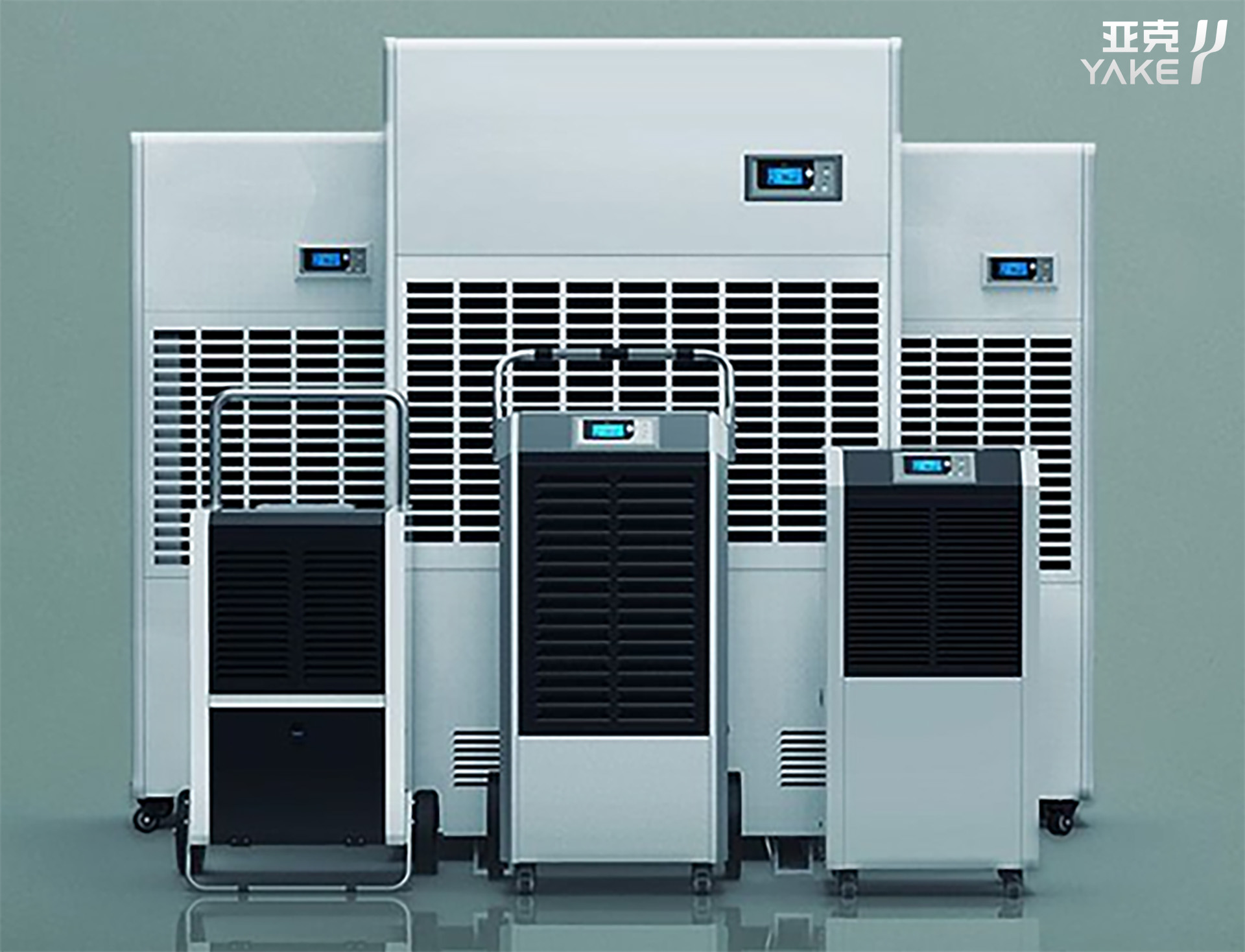
Contact us to find the best place to buy your Yakeclimate solution today!
Our experts have proven solutions to keep your humidity levels in check while keeping your energy costs low.